The Science of Fat: Brown Fat vs. White Fat

The Benefits of Cold Exposure for Weight Loss

Have you ever thought why some fats are considered good while others, well, not so much? Welcome to the world of fat – not all of it is created equal. It’s like comparing superheroes to villains in the fat universe.

Brown fat, our metabolic powerhouse, burns calories to generate heat, while white fat is more of a storage unit, holding onto excess energy. Stick around as we unravel the secrets behind these two types of fat and their impact on our bodies. Let’s embark on this enlightening journey together!

White Fat: Energy Storage

The Science of Fat: Brown Fat vs. White Fat

White fat, also known as white adipose tissue (WAT), is the most abundant type of fat in the body. Its primary function is to store energy in the form of triglycerides.

White fat cells have a single large lipid droplet and relatively few mitochondria compared to brown fat cells. This type of fat is typically found under the skin (subcutaneous fat) and around internal organs (visceral fat).

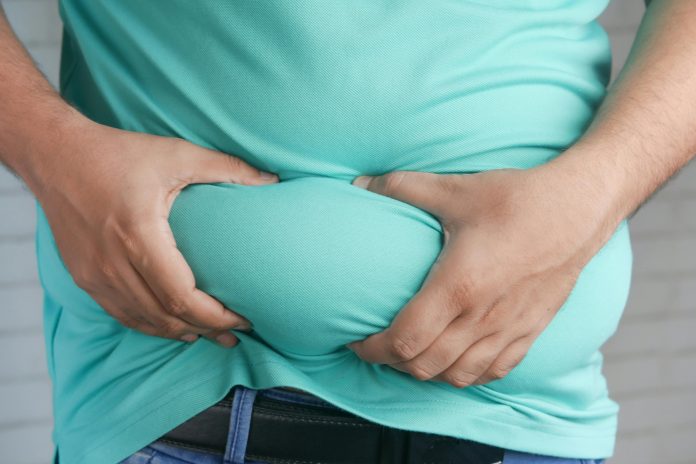
White fat plays a crucial role in insulation, cushioning organs, and providing a long-term energy reserve. However, excess accumulation of white fat, especially around the abdomen, is associated with various health risks, including type 2 diabetes, heart disease, and certain cancers.

Brown Fat: The Fat-Burning Furnace

In contrast to white fat, brown fat, or brown adipose tissue (BAT), is specialized in burning calories to generate heat. This process, known as thermogenesis, is essential for maintaining body temperature in infants and small mammals.

Brown fat contains a high number of mitochondria and is rich in iron, giving it its characteristic brown color. Brown fat is primarily located in the neck, between the shoulder blades, and along the spine.

It is especially active in newborns and decreases with age in humans, although adults still retain small amounts of brown fat. Recent research has shown that brown fat activation can increase energy expenditure and improve metabolic health, making it a potential target for obesity treatment.

One more question that comes to mind is how many calories should be burned for weight loss for that, you can read our article “How to Count Calories for Weight Loss”.

Activation of Brown Fat
The Science of Fat: Brown Fat vs. White Fat

Unlike white fat, which stores energy, brown fat burns calories to produce heat. Its activity can be stimulated by exposure to cold temperatures, certain hormones, exercise, and specific dietary compounds. Cold exposure, in particular, triggers the activation of brown fat through a process called non-shivering thermogenesis.

When exposed to cold, the sympathetic nervous system releases norepinephrine, which activates brown fat cells to generate heat. This process not only helps to maintain body temperature but also increases calorie expenditure, potentially aiding in weight loss and metabolic health.

Potential Health Benefits

The discovery of brown fat’s metabolic properties has led to significant interest in its potential health benefits. Studies have suggested that individuals with higher levels of active brown fat may have better insulin sensitivity, lower body mass index (BMI), and reduced risk of obesity and metabolic syndrome.

Furthermore, researchers are exploring various strategies to enhance brown fat activity as a means of combating obesity and related disorders. These include pharmacological agents, lifestyle interventions such as cold exposure and exercise, as well as dietary interventions targeting specific nutrients and compounds.

Challenges and Limitations

The Science of Fat: Brown Fat vs. White Fat

While the potential therapeutic implications of brown fat activation are promising, several challenges remain. One major hurdle is the limited understanding of the regulatory mechanisms controlling brown fat activity and its interaction with other tissues and systems in the body.

Moreover, the practicality of utilizing brown fat activation as a therapeutic approach in clinical settings is still being investigated. Strategies such as cold exposure or pharmacological interventions may have limitations in terms of feasibility, safety, and long-term effectiveness.

If you wanna know more about how to lose weight you can read our article “Tips for Eating Out While Losing Weight”.

Future Directions

Despite these challenges, ongoing research in the field of brown fat biology holds promise for the development of novel therapies for obesity and metabolic disorders. Further elucidating the molecular pathways and signaling mechanisms involved in brown fat activation could lead to the identification of new drug targets and therapeutic strategies.

Additionally, exploring the interplay between brown fat, gut microbiota, and other metabolic organs may provide new insights into the complex regulation of energy homeostasis and metabolic health.

Collaborative efforts involving researchers from various disciplines will be essential in advancing our understanding of brown fat biology and translating these findings into clinical applications.

Beyond Body – The Ultimate Spark for Weight Loss

Beyond Body for Weight Loss

Beyond Body sets itself apart by offering personalized meal and fitness plans designed to suit individual preferences. The 28-day customized meal program elevates the concept of healthy eating, turning it into a delightful journey that cultivates an appreciation for nourishing and delicious meals.

Beyond Body isn’t just a weight loss solution; it’s a personalized companion guiding you toward a healthier and more fulfilling life path.

That said, if you’re interested in trying it read our full Beyond Body review then click here to take a quick quiz and get started. You can even get up to 60% off by using the code below:

ribbon
Beyond Body - 67% Off Discount Code

Beyond Body - 67% Off Discount Code

Up to 67% OFF Beyond Body Checkout Code - LARGEST discount on the internet!
AUTO APPLIED AT CHECKOUT
SHOW COUPON
On Going Offer
  • It Works 100% Success It Doesn't
  • Final Words

    So, wrapping it up – knowing about brown and white fat is like knowing the difference between storing energy and burning calories to stay warm. If we can figure out how to put our brown fat to work, it could totally change the game for managing our weight. So, let’s keep this in mind as we go about our day-to-day and aim for a healthier lifestyle!

    FAQs on Brown Fat vs. White Fat

    What is the science of brown fat?

    The science of brown fat revolves around its unique role in regulating body temperature and metabolism. Unlike white fat, brown fat contains more mitochondria, which give it a brownish color and enable it to produce heat through a process called thermogenesis.

    What turns white fat into brown fat?

    Certain stimuli, such as cold exposure and exercise, can trigger the transformation of white fat into brown fat. This process, known as browning or being, involves the activation of specific genes and pathways that promote the development of brown-like characteristics in white adipose tissue.

    What is the difference between white and brown adipose tissue?

    The main difference between white and brown adipose tissue lies in their function and composition. White fat primarily stores energy in the form of triglycerides, while brown fat specializes in dissipating energy as heat. Additionally, brown fat contains more blood vessels and mitochondria, making it more metabolically active than white fat.

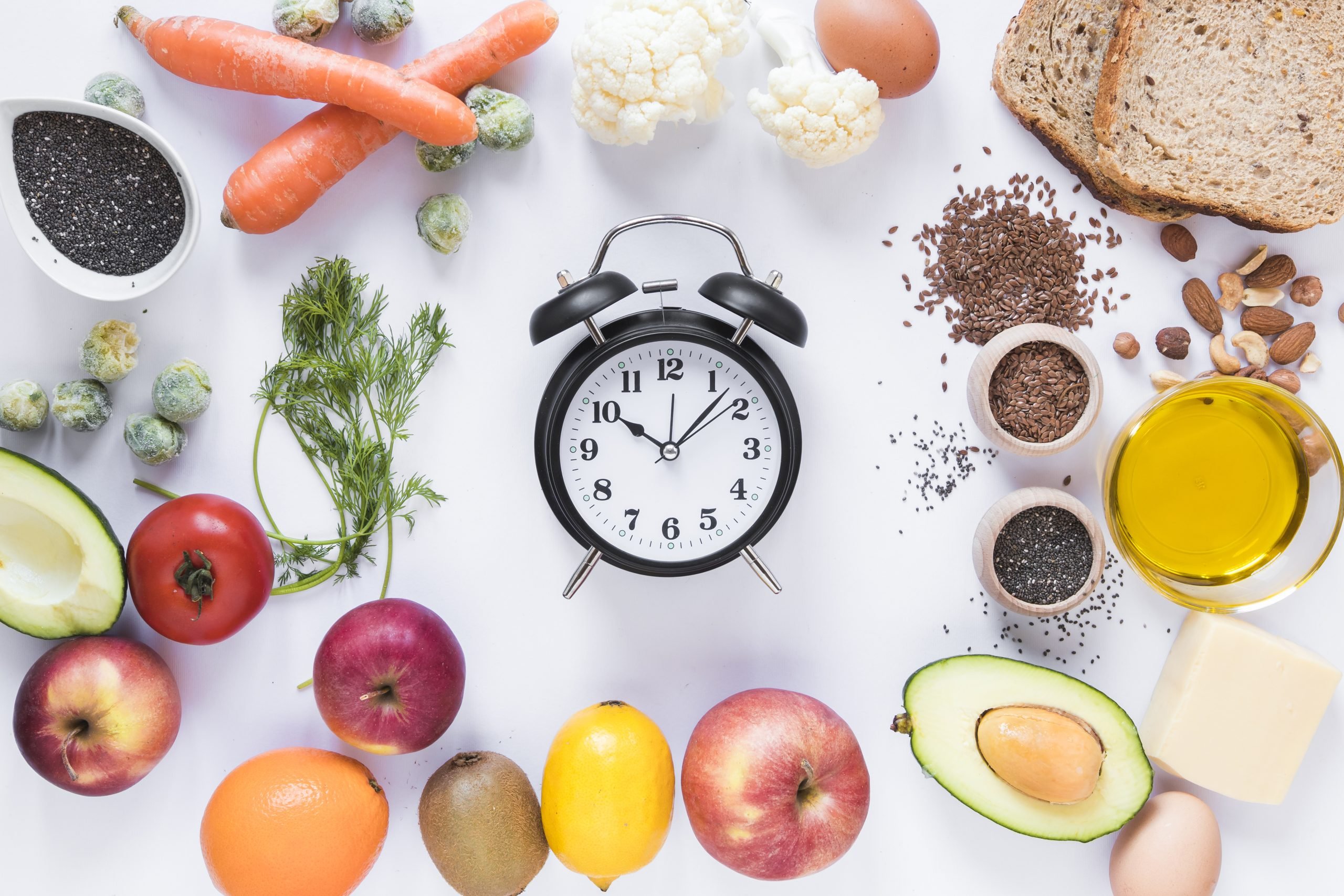
    Intermittent Fasting for Women: All You Need to Know

    Intermittent Fasting for Women

    Ever heard about Intermittent Fasting for Women? It’s a fascinating approach to eating that’s been gaining a lot of attention lately. Instead of focusing on what you eat, it’s more about when you eat.

    By cycling between periods of eating and fasting, this method can potentially help women manage their weight, improve metabolic health, and even boost energy levels.

    But like with any dietary change, it’s essential to do your research and consult with a healthcare professional to see if it’s the right fit for you. So, let’s delve into the world of Intermittent Fasting for Women and explore its potential benefits together.

    Understanding Intermittent Fasting

    Intermittent Fasting for Women

    Intermittent fasting revolves around restricting food intake during specific time windows, typically ranging from 16 to 24 hours, followed by periods of unrestricted eating.

    Unlike traditional diets that focus solely on what to eat, intermittent fasting emphasizes when to eat, thereby regulating calorie intake without stringent dietary restrictions.

    If you are interested in getting some diet tips for weight loss, you may read our article “Tips for Eating Out While Losing Weight”.

    Hormonal Considerations

    Women experience distinct hormonal fluctuations throughout their menstrual cycle, which can influence metabolism, hunger cues, and energy levels. While intermittent fasting may offer benefits such as improved insulin sensitivity and fat loss, its impact on hormonal balance warrants attention.

    Some women may find that certain fasting protocols align better with their hormonal rhythm, promoting better adherence and mitigating potential adverse effects.

    Wanna know how hormones affect weight loss? For that, you can read our article “How Hormones Affect Weight Loss and Tips to Balance Them Naturally”.

    Adapting Fasting Protocols

    Various intermittent fasting methods exist, including the 16/8 method, 5:2 diet, and alternate-day fasting. Women may need to experiment with different protocols to identify the most suitable approach.

    Factors such as age, activity level, and reproductive status can influence individual responses to fasting, necessitating a personalized approach to optimize outcomes.

    Navigating Menstrual Cycle

    Intermittent Fasting for Women

    The menstrual cycle plays a pivotal role in a woman’s overall health and well-being. Integrating intermittent fasting with menstrual cycle awareness can help women adapt their fasting routine to accommodate hormonal fluctuations and mitigate potential side effects.

    Adjusting fasting duration or intensity during menstruation or the luteal phase may alleviate symptoms like fatigue and cravings, enhancing overall adherence and sustainability.

    Health Benefits of Intermittent Fasting for Women

    Intermittent fasting can help you in many ways besides just losing weight. It can make your heart healthier and lower the chance of getting certain diseases like diabetes. Here are some simple explanations of how it works:

    Heart Health

    Intermittent fasting can help your heart by lowering things like blood pressure and bad cholesterol. This makes it less likely for you to have heart problems.

    Diabetes

    It can also lower your risk of diabetes by helping control insulin levels in your body. Insulin helps regulate sugar in your blood, and intermittent fasting can make your body more sensitive to it.

    Weight Loss

    Intermittent fasting is good for losing weight because it helps you eat fewer calories. Studies show it can be as effective as regular dieting for losing weight in the short term.

    Eating Less

    When you fast intermittently, you naturally eat less because you’re not eating for certain periods of time. This can help with portion control and reducing overall calorie intake.

    Other Benefits

    Intermittent fasting may also reduce inflammation in your body, help you live longer, and maintain your muscle mass better than regular dieting. However, more research is needed to understand these benefits fully.

    Overall, intermittent fasting can be a simple and effective way to improve your health, but it’s essential to do it correctly and consult with a doctor before starting any new diet or fasting regimen.

    Considerations for Fertility and Reproductive Health

    Intermittent Fasting for Women

    While intermittent fasting shows promise in improving fertility and reproductive outcomes in animal studies, its impact on human fertility remains a topic of debate.

    Women trying to conceive or undergoing fertility treatments should exercise caution when implementing fasting protocols and consulting healthcare professionals to ensure compatibility with their reproductive goals.

    Listening to the Body

    Central to successful intermittent fasting implementation is cultivating body awareness and listening to hunger and satiety cues. Women should prioritize nutrient-dense foods during eating windows, emphasizing whole grains, lean proteins, fruits, and vegetables to support overall health and vitality.

    Additionally, staying adequately hydrated and incorporating regular physical activity complement intermittent fasting, promoting holistic well-being.

    Safety and Side Effects

    Intermittent fasting can be safe for most women, but some people might experience side effects like feeling hungry, moody, unable to focus, tiredness, headaches, or bad breath on fasting days. Some women have said their periods stopped when they tried intermittent fasting.

    If you have a medical condition, it’s important to talk to your doctor before trying intermittent fasting. This is especially important if you:

    • Ever had an eating disorder
    • Have diabetes or often have low blood sugar
    • Are too thin, not eating enough, or have nutrient problems
    • Are pregnant, breastfeeding, or trying to get pregnant
    • Have trouble getting pregnant or have missed periods before

    In general, intermittent fasting seems safe, but if you have any issues like your period stopping, you should stop fasting right away.

    Beyond Body – The Ultimate Catalyst for Weight Loss

    Beyond Body for Weight Loss

    Beyond Body sets itself apart by offering personalized meal and fitness plans designed to suit individual preferences. The 28-day customized meal program elevates the concept of healthy eating, turning it into a delightful journey that cultivates an appreciation for nourishing and delicious meals.

    Beyond Body isn’t just a weight loss solution; it’s a personalized companion guiding you toward a healthier and more fulfilling life path.

    That said, if you’re interested in trying this app read our full Beyond Body review then click here to take a quick quiz and get started. You can even get up to 60% off by using the code below:

    ribbon
    Beyond Body - 67% Off Discount Code

    Beyond Body - 67% Off Discount Code

    Up to 67% OFF Beyond Body Checkout Code - LARGEST discount on the internet!
    AUTO APPLIED AT CHECKOUT
    SHOW COUPON
    On Going Offer
  • It Works 100% Success It Doesn't
  • Wrap-Up

    In conclusion, intermittent fasting for women can offer potential health benefits like weight management and improved metabolic health. However, it’s crucial for women to listen to their bodies, as individual responses may vary.

    Consulting with a healthcare professional before starting any fasting regimen is advisable. Remember, finding a balanced approach to intermittent fasting that suits your lifestyle and needs is key to reaping its potential benefits.

    FAQs

    How many hours should a woman do intermittent fasting?

    For women, the ideal duration for intermittent fasting typically ranges from 12 to 16 hours. This window allows the body to enter a state of fasting, promoting various health benefits without causing excessive stress. It’s important to listen to your body’s cues and adjust the fasting period accordingly to ensure it feels sustainable and healthy for you.

    What is the best intermittent fasting ratio for women?

    When it comes to the best intermittent fasting ratio for women, the 16:8 method is often recommended. This involves fasting for 16 hours and restricting eating to an 8-hour window each day. However, individual needs and preferences may vary, so it’s essential to experiment and find the ratio that works best for your lifestyle and goals.

    What are the best hours for intermittent fasting?

    The best hours for intermittent fasting depend on your daily routine and preferences. Many people find it convenient to start fasting after dinner, allowing for a fasting period overnight and into the morning.

    This could mean skipping breakfast and having your first meal later in the day. Ultimately, the best hours are those that align with your schedule and enable you to maintain consistency with your fasting routine.

    Ozempic: Revealing the True Price of Rapid Weight Loss

    Fruit and Meat Diet for Weight Loss

    What is Ozempic, Is It Right for You?

    In recent years, Ozempic has gained attention as a potential solution for weight loss, but what exactly is it, and is it the right choice for you?

    Ozempic: Exploring Its Role in Weight Loss

    In this article, we’ll delve into the purpose of Ozempic, its ingredients, potential side effects, and whether it’s a viable option for managing weight. Let’s separate fact from fiction and explore the truth behind Ozempic.

    What Was Ozempic Created for?

    Ozempic is a prescription medication initially developed to manage type 2 diabetes by regulating blood sugar levels.

    Its mechanism of action involves mimicking the activity of a hormone called glucagon-like peptide-1 (GLP-1), which helps control blood sugar levels by stimulating insulin secretion, inhibiting glucagon release, and slowing gastric emptying.

    However, in addition to its primary purpose, Ozempic has gained recognition for its ability to promote weight loss in individuals without diabetes.

    Ozempic Ingredients

    Ozempic’s active ingredient is semaglutide, a glucagon-like peptide-1 (GLP-1) receptor agonist. Semaglutide mimics the action of the natural hormone GLP-1, which is involved in regulating blood sugar levels, appetite, and metabolism.

    Semaglutide works by binding to GLP-1 receptors in the body, stimulating insulin secretion, inhibiting glucagon release, and slowing gastric emptying. This helps control blood sugar levels, promotes weight loss, and reduces appetite.

    It’s important to note that Ozempic is available as a solution for injection and is typically administered once weekly using a prefilled pen injector. Each dose of Ozempic contains a specific amount of semaglutide, as prescribed by a healthcare professional, to achieve optimal therapeutic effects in managing blood sugar levels and supporting weight loss.

    Ozempic for Weight Loss for Non-Diabetic People

    Ozempic, originally developed as a treatment for type 2 diabetes, has gained attention for its potential to promote weight loss in non-diabetic individuals as well. While Ozempic is not approved specifically for weight loss in non-diabetic populations, some healthcare providers may prescribe it off-label for this purpose.

    The weight loss effects of Ozempic are believed to be primarily due to its action on appetite regulation and metabolism. By mimicking the action of the natural hormone GLP-1, Ozempic helps to reduce hunger, increase feelings of fullness, and promote calorie burning, leading to gradual and sustained weight loss over time.

    Studies have shown that Ozempic treatment can result in significant weight loss in both diabetic and non-diabetic individuals. However, it’s important to note that the effectiveness of Ozempic for weight loss may vary from person to person, and results may depend on factors such as individual metabolism, lifestyle habits, and adherence to treatment.

    Ozempic PrecautionsBIOMA_ Ozempic_ Revealing the True Price of Rapid Weight Loss 4

    It’s essential to be aware of the precautions and potential risks associated with Ozempic’s use. Here are some important precautions to consider before using Ozempic:

    • Regular check-ups. Your doctor will monitor your progress regularly to ensure that Ozempic is working effectively and to check for any unwanted effects. Blood and urine tests may be necessary to assess your health status.
    • Pregnancy considerations. If you are pregnant or planning to become pregnant, it’s crucial to inform your doctor. Ozempic should not be used for at least two months before planning to conceive.
    • Alcohol consumption. Drinking alcohol while using Ozempic can lead to severe low blood sugar. Discuss your alcohol consumption with your healthcare provider to understand potential risks.
    • Medication interactions. Avoid taking other medications while using Ozempic unless approved by your doctor. This includes prescription, over-the-counter, and herbal supplements. Certain medications, such as those for appetite control or asthma, may interact with Ozempic.
    • Counseling needs. Patients using Ozempic may require counseling on various aspects, including diabetes management, lifestyle changes, and medication dosing. Family members may also need guidance on how to support patients and recognize potential side effects.
    • Travel precautions. If you’re traveling, ensure you have a recent prescription and medical history on hand. Be prepared for emergencies and maintain your usual meal times as much as possible, especially if crossing time zones.
    • Emergency preparedness. Individuals using Ozempic should be prepared for diabetes-related emergencies. Wearing a medical identification bracelet or carrying an ID card indicating diabetes status is advisable. It’s also essential to be familiar with the symptoms of low blood sugar and have access to glucagon in case of severe hypoglycemia.
    • Medical attention. Seek immediate medical attention if you experience symptoms such as lumps or swelling in the neck or throat, severe stomach pain, yellowing of the skin or eyes, or changes in vision while using Ozempic.
    • Gallbladder and pancreas health. Ozempic may affect gallbladder and pancreas health, leading to symptoms such as stomach discomfort, nausea, vomiting, or yellowing of the skin. Prompt medical evaluation is necessary if these symptoms occur.
    • Heart rate and kidney function. Monitor your heart rate and kidney function regularly while using Ozempic. Notify your doctor if you experience rapid heartbeats, changes in urinary habits, or swelling.
    • Psychological effects. Some individuals may experience mood changes or abnormal behaviors while using Ozempic. Report any unusual symptoms, including agitation, irritability, or suicidal thoughts, to your healthcare provider promptly.
    • Medication management. Do not start or stop any medications without consulting your doctor while using Ozempic. This includes prescription, over-the-counter, and herbal supplements. Your healthcare provider can provide guidance on safe medication use alongside Ozempic.

    Ozempic Side Effects

    Like any medication, Ozempic may also cause some unwanted side effects. It’s essential to be aware of these potential side effects and seek medical attention if they occur. Here are some of the side effects associated with Ozempic:

    • Less common side effects. These may include belching, bloating, gas, heartburn, stomach discomfort, fever, and yellowing of the skin or eyes. Constipation and hair loss are less common side effects that may also occur.
    • Rare side effects. Rare side effects may include burning chest or stomach sensations, indigestion, changes in taste or loss of taste, stomach upset, tenderness in the stomach area, and various symptoms like anxiety, blurred vision, chest tightness, chills, confusion, dizziness, and headaches.
    • Common side effects. More common side effects may include diarrhea. While these are usually temporary and may diminish over time, it’s essential to discuss any persistent or bothersome symptoms with your healthcare provider.
    • Incidence not known. Some side effects, such as difficulty swallowing, hives, increased heart rate, irritability, nausea, seizures, skin rash, slurred speech, trouble breathing, and vomiting, may occur with unknown frequency.

    Other Medical Problems Ozempic Might Cause

    While Ozempic can be effective for weight loss, it’s essential to be aware of certain considerations before starting treatment. Here are some important precautions to keep in mind:

    • Depression and mental health. Individuals with a history of depression or other mental health conditions should use Ozempic with caution, as it may worsen these conditions or lead to mood changes.
    • Diabetic retinopathy. For individuals with diabetic retinopathy, Ozempic use should be approached with caution due to its potential effects on eye health.
    • Digestion problems. Those with pre-existing digestion issues should be cautious when using Ozempic, as it may exacerbate gastrointestinal symptoms such as nausea, vomiting, or diarrhea.
    • Kidney disease. Individuals with kidney disease should use Ozempic with caution and may require dose adjustments or close monitoring by a healthcare provider.
    • Type 2 diabetes. While Ozempic is primarily used to treat type 2 diabetes, individuals with this condition should be aware of the potential risks and benefits of treatment, including the possibility of worsening glycemic control.
    • Diabetic ketoacidosis. Ozempic should not be used in individuals with diabetic ketoacidosis, a serious complication of diabetes characterized by high levels of ketones in the blood.
    • Type 1 diabetes. Ozempic is not intended for use in individuals with type 1 diabetes, as insulin therapy is necessary to manage this condition effectively.
    • Multiple endocrine neoplasia syndrome type 2 (MEN 2) and thyroid cancer. Individuals with a history of MEN 2 or thyroid cancer should not use Ozempic due to the potential risks associated with these conditions.
    • Pancreatitis. Those with a history of pancreatitis should use Ozempic with caution, as it is not known if the medication will be safe for individuals with this condition.

    It’s crucial to discuss any pre-existing medical conditions and concerns with a healthcare provider before starting Ozempic treatment. Additionally, regular monitoring and follow-up with a healthcare professional are essential to ensure the safe and effective use of this medication.

    Ozempic Face

    While Ozempic primarily targets weight loss and glycemic control, some individuals may notice changes in facial appearance while using this medication. These changes can be attributed to various factors, including the redistribution of fat stores in the body and potential side effects of the medication.

    Some individuals may experience facial changes such as:

    • Changes in facial fullness. Ozempic can contribute to weight loss by promoting fat burning and reducing overall body fat, which may lead to changes in facial fullness.
    • Altered facial contours. As weight loss occurs, facial contours may change, potentially resulting in a different appearance of the jawline or cheekbones.
    • Skin effects. Weight loss associated with Ozempic use may affect skin elasticity, potentially leading to changes in skin tightness or drooping.
    • Individual variability. It’s important to recognize that individual responses to Ozempic may vary, and not everyone will experience significant changes in facial appearance. Additionally, any noticeable changes should be discussed with a healthcare provider to ensure they are not indicative of underlying health issues or adverse reactions to the medication. Regular monitoring and open communication with your healthcare team can help address any concerns and optimize treatment outcomes.

    For some individuals, the reduction in facial fullness and fat accumulation may result in a desired outcome, particularly if they are seeking overall weight loss.

    However, it’s important to note that for many, these changes can lead to a sagging appearance and loss of facial volume, potentially altering their youthful look. The skin may not shrink as quickly as the weight loss occurs, leading to uneven texture and tone.

    Conditions That Can Cause Weight Gain

    Various medical conditions can influence weight gain, each affecting the body’s metabolism and hormone balance in unique ways. Understanding these conditions can shed light on potential factors contributing to weight gain:

    • Hypothyroidism. When the thyroid gland doesn’t produce enough hormones, it can lead to weight gain along with symptoms like hair thinning, dry skin, and fatigue. Treatment typically involves hormone replacement therapy to restore hormonal balance.
    • Depression. Weight gain is a possible physical side effect of depression, often linked to higher levels of cortisol, the “stress hormone.” Certain medications used to treat depression can also contribute to weight gain.
    • Insomnia. Lack of adequate sleep can disrupt hormone levels, leading to increased production of cortisol and insulin, which may contribute to weight gain. It can also disrupt hunger signals, leading to cravings for high-fat and high-sugar foods.
    • Menopause. Changes in hormone levels during menopause can lead to weight gain, particularly around the abdominal area. Symptoms like hot flashes, sleep disturbances, and mood swings can also impact eating habits and exercise routines.
    • Cushing’s disease. Excess production of cortisol, often associated with Cushing’s Disease, can lead to fat accumulation, especially around the abdomen. Other symptoms may include thinning limbs, a round face, and purple stretch marks.
    • Polycystic ovarian syndrome (PCOS). PCOS can lead to weight gain due to hormonal imbalances, insulin resistance, and metabolic dysfunction. Symptoms may include irregular periods, excessive hair growth, and acne.
    • Congestive heart failure. Sudden weight gain, along with symptoms like swollen feet and ankles, rapid pulse, and difficulty breathing, may indicate worsening heart failure. Monitoring symptoms and adjusting treatment plans with a healthcare provider is crucial for managing the condition.
    • Sleep apnea. Obesity is a common risk factor for sleep apnea, a condition where breathing is interrupted during sleep. Sleep apnea can lead to weight gain and increase the risk of other health problems like high blood pressure and heart disease.
    • Edema. Edema, characterized by fluid retention and swelling, can lead to temporary weight gain, particularly in the arms and legs. Managing underlying conditions like heart and kidney diseases is essential for addressing edema.
    • Metabolic syndrome. This cluster of conditions, including high blood pressure, high blood sugar, abnormal cholesterol levels, and excess abdominal fat, increases the risk of heart disease, stroke, and diabetes. Lifestyle changes and medication may be recommended to manage metabolic syndrome.
    • Diabetes. Depending on the type, diabetes treatment may involve insulin therapy, which can promote weight gain by increasing energy storage. Balancing diet, exercise, insulin, and medication is essential for managing both weight and diabetes.
    • Steroids. Corticosteroids used to treat various conditions like asthma and arthritis can increase appetite and lead to overeating and weight gain, particularly with long-term use. Discussing side effects and management strategies with a healthcare provider is essential for individuals on steroid treatment.
    • Common medications. Certain medications, including birth control pills, antipsychotics, antidepressants, and beta-blockers, can contribute to weight gain through various mechanisms. Understanding potential side effects and discussing alternatives with a healthcare provider can help mitigate weight-related concerns associated with medication use.

    It is important to be aware of medical conditions that can lead to weight gain so that you can address this side effect more effectively.

    Probiotics for Weight Loss

    Transitioning from the potential risks associated with Ozempic to exploring natural alternatives like probiotics highlights the importance of considering various options for weight management. While medications may offer benefits for some individuals, others may prefer gentler approaches that support overall health and well-being.

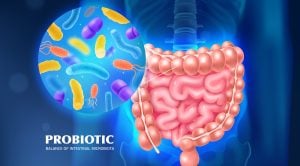
    Incorporating probiotics into your daily routine may provide additional support for weight loss efforts while promoting gut health and immune function. Probiotics are live microorganisms that offer various health benefits when consumed in adequate amounts. They work by restoring the balance of beneficial bacteria in the gut, which can influence metabolism, digestion, and inflammation.

    While probiotics alone may not lead to significant weight loss, they can complement a healthy diet and lifestyle. Research suggests that certain probiotic strains, such as Lactobacillus and Bifidobacterium, may help reduce body weight and fat mass, particularly when combined with dietary changes and exercise.BIOMA_ Ozempic_ Revealing the True Price of Rapid Weight Loss 2

    How Your Gut Bacteria Influence Weight Loss

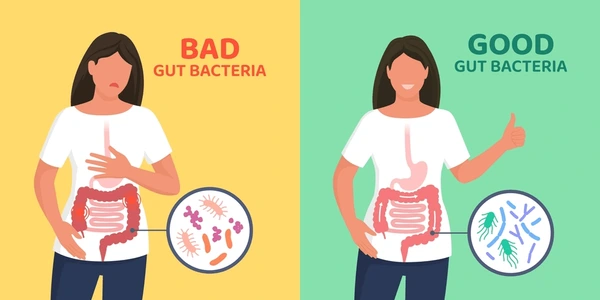
    Your gut is home to trillions of tiny organisms called bacteria, collectively known as the microbiome. These bacteria play a big role in many aspects of your health, including how your body manages weight.

    When there’s an imbalance in these bacteria, it can lead to issues like digestive problems and allergies. Studies have found that people with obesity tend to have fewer different types of gut bacteria compared to those who are lean.

    These gut bacteria are like little helpers in your body. They help make important vitamins and minerals, break down carbohydrates from food, and produce something called short-chain fatty acids (SCFAs) from fiber. SCFAs might help your body use sugar better, use energy more efficiently, and even make you feel fuller after eating.

    While scientists are still learning more about how this all works, it’s clear that having a diverse and balanced mix of gut bacteria is good for your health and might help with managing your weight.

    If you’re looking to lose weight but are concerned about using Ozempic due to potential health risks, a probiotic supplement could be a good alternative. This approach can help you determine how your body reacts when your gut health is in balance. Many users find that regulating their gut health can also help regulate their appetite levels, mood, and energy.

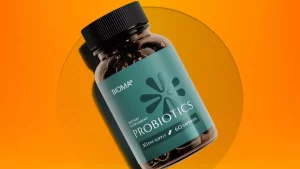
    Bioma Synbiotic

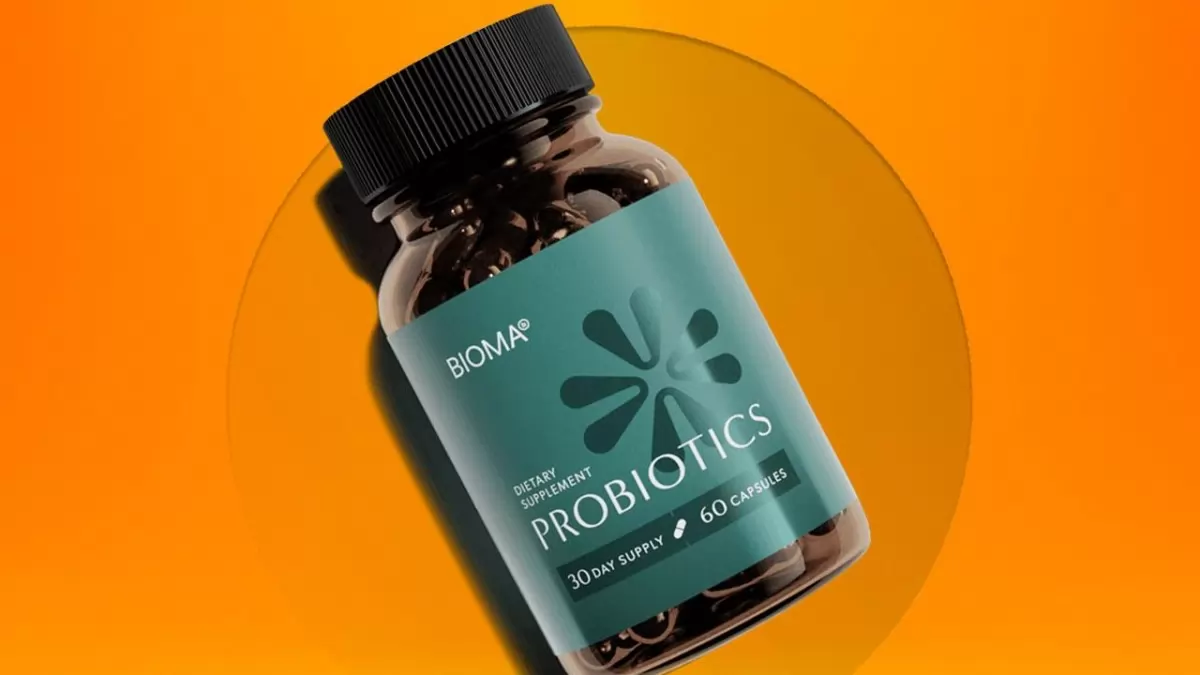
    Now that we’ve talked about how important gut bacteria are for weight management, let’s discuss how you can support a healthy gut microbiome. One option gaining attention is Bioma, a synbiotic supplement designed to promote gut health.

    Bioma contains a combination of prebiotics and probiotics. Prebiotics are like food for your good gut bacteria, helping them thrive and multiply. Probiotics are live bacteria and yeasts that provide health benefits when consumed in adequate amounts. Together, prebiotics and probiotics work synergistically to support a diverse and balanced gut microbiome.

    By incorporating Bioma into your daily routine, you’re giving your gut the support it needs to maintain optimal health and potentially aid in weight management. It’s important to remember that while supplements like Bioma can be beneficial, they should be used in conjunction with a balanced diet and healthy lifestyle habits for the best results.

    ribbon
    Bioma Probiotics - 75% Off + FREE Shipping

    Bioma Probiotics - 75% Off + FREE Shipping

    Instantly save up to 75% off with Bioma Checkout Code! Plus, FREE shipping!
    BIO15DIY
    SHOW COUPON
    On Going Offer
  • It Works 100% Success It Doesn't
  • Bioma Ingredients

    Bioma is formulated with carefully selected ingredients to provide comprehensive support for gut health and weight management. Here’s a closer look at some of the key components:

    • Xylooligosaccharide (XOS prebiotics). XOS is a prebiotic fiber known for its ability to nourish beneficial gut bacteria. By providing a source of food for these microbes, XOS promotes their growth and activity, which in turn contributes to a healthy gut environment.
    • Thermogenic probiotics. Bioma includes specific probiotic strains with thermogenic effects, meaning they can help increase the body’s metabolism. These probiotics not only support digestion but also assist in reducing cravings and promoting fat burning, potentially aiding in weight management.
    • Tributyrin (postbiotic). Tributyrin is a potent postbiotic that plays a crucial role in maintaining colon balance, reducing gut inflammation, and offering antioxidant benefits. It helps alleviate common digestive discomforts such as bloating and gas, contributing to overall gut health.

    By combining these ingredients, Bioma provides a comprehensive solution for individuals looking to improve their digestive health and manage their weight. This blend of prebiotics, probiotics, and postbiotics supports a diverse and balanced gut microbiome, which is essential for overall well-being.

    ribbon
    Bioma Probiotics - 75% Off + FREE Shipping

    Bioma Probiotics - 75% Off + FREE Shipping

    Instantly save up to 75% off with Bioma Checkout Code! Plus, FREE shipping!
    BIO15DIY
    SHOW COUPON
    On Going Offer
  • It Works 100% Success It Doesn't
  • Bioma for Weight LossBIOMA_ Ozempic_ Revealing the True Price of Rapid Weight Loss 3 Ozempic Revealing the True Price of Rapid Weight Loss

    Bioma’s unique blend of prebiotics, probiotics, and postbiotics offers potential benefits for weight management. Here’s how Bioma may support weight loss efforts:

    • Gut health. A healthy gut microbiome is essential for efficient digestion and metabolism. Bioma helps promote a balanced gut environment by nourishing beneficial bacteria and supporting digestive function.
    • Metabolism boost. The thermogenic probiotics in Bioma may help increase the body’s metabolism, potentially leading to more efficient calorie burning and fat loss.
    • Appetite regulation. Some research suggests that certain probiotics and postbiotics can influence appetite and satiety, helping to reduce cravings and overeating.
    • Digestive comfort. Bioma contains ingredients like XOS prebiotics and tributyrin postbiotics, which can help alleviate digestive discomforts such as bloating and gas. This can contribute to a more comfortable eating experience and support adherence to a healthy diet.

    Overall, Bioma offers a holistic approach to weight management by promoting gut health, supporting metabolism, and aiding in appetite regulation. Bioma may be a valuable tool for individuals looking to achieve their weight loss goals as part of a balanced lifestyle that includes a healthy diet and regular exercise.

    ribbon
    Bioma Probiotics - 75% Off + FREE Shipping

    Bioma Probiotics - 75% Off + FREE Shipping

    Instantly save up to 75% off with Bioma Checkout Code! Plus, FREE shipping!
    BIO15DIY
    SHOW COUPON
    On Going Offer
  • It Works 100% Success It Doesn't
  • Final Thoughts

    While Ozempic may offer promising results for weight loss, it’s essential to consider the potential risks and side effects associated with its use. Before starting any new medication, including Ozempic, it’s crucial to consult with a healthcare professional to discuss your individual health needs and risks.

    Additionally, focusing on sustainable lifestyle changes such as a balanced diet, regular exercise, and stress management techniques can also play a significant role in achieving and maintaining a healthy weight.

    Incorporating probiotics, like those found in Bioma, may further support gut health and overall well-being, contributing to your weight management efforts.

    Ultimately, the decision to use Ozempic or any other weight loss intervention should be made in collaboration with a healthcare provider who can provide personalized guidance based on your medical history, current health status, and treatment goals.

    Remember to prioritize your health and well-being above all else, and seek professional support as needed throughout your weight loss journey.

    Grab the Biggest Bioma Coupon Code Here:

    ribbon
    Bioma Probiotics - 75% Off + FREE Shipping

    Bioma Probiotics - 75% Off + FREE Shipping

    Instantly save up to 75% off with Bioma Checkout Code! Plus, FREE shipping!
    BIO15DIY
    SHOW COUPON
    On Going Offer
  • It Works 100% Success It Doesn't
  • The Role of Nutrition in Alcohol Addiction Recovery: 7 Tips and Advice

    The Role Of Nutrition In Alcohol Addiction Recovery: 7 Tips And Advice

    Holistic Approach to Alcohol Addiction Recovery

    Alcohol addiction is a multifaceted and challenging condition that affects millions of individuals worldwide. The journey towards recovery can be a tough battle, and there’s no one-size-fits-all solution. You have to take care of both your mind and your body to truly heal, and that’s where nutrition comes in.

    Tips for Eating Out While Losing Weight

    Tips for Eating Out While Losing Weight

    Looking to shed some pounds but still want to enjoy dining out? You’re in luck! Navigating restaurants while on a weight loss journey can be a breeze with the right tips. We’ve got your back with practical strategies to help you stay on track without feeling deprived.

    From making smart menu choices to controlling portions, our guide on “Tips for Eating Out While Losing Weight” will equip you with the tools you need to dine out with confidence. So, let’s dive in and discover how you can enjoy meals while working towards your weight loss goals!

    Read the Menu Before You Go

    Tips for Eating Out While Losing Weight

    If you don’t know what’s on the menu, take a look at it before you go to the restaurant. When you’re hungry or not paying attention, you might pick unhealthy food more often.

    Seeing and smelling food can make it harder to stick to a plan, especially if you’re hungry. Deciding what to eat before you get there helps you avoid making quick decisions that you might not like later.

    Choose Wisely

    When perusing the menu, opt for dishes that are grilled, baked, or steamed instead of fried. Look for lean protein options like grilled chicken, fish, or tofu, paired with plenty of vegetables. Avoid creamy sauces or dressings and opt for dishes that are seasoned with herbs and spices for flavor.

    Beyond Body can help you to choose your food wisely according to you, for more information on it, you can read our Beyond Body review. If you want up to 60% off use the code below.

    ribbon
    Beyond Body - 67% Off Discount Code

    Beyond Body - 67% Off Discount Code

    Up to 67% OFF Beyond Body Checkout Code - LARGEST discount on the internet!
    AUTO APPLIED AT CHECKOUT
    SHOW COUPON
    On Going Offer
  • It Works 100% Success It Doesn't
  • Watch Your Portions

    Restaurant portions are often much larger than what you would serve yourself at home. To avoid overeating, consider splitting a dish with a friend or asking for a half portion. Alternatively, ask the server to box up half of your meal before it even reaches the table to avoid the temptation of finishing the entire plate.

    Check How Food is Cooked and Prepared

    Tips for Eating Out While Losing Weight

    The method used to cook food can change how many calories it has. Choose food that’s been steamed, grilled, roasted, or poached. These ways usually have less fat, so fewer calories. If the menu says the food is pan-fried, fried, crispy, crunchy, or sautéed, it will likely have more fat and calories.

    Be Mindful of Beverages

    Calories from beverages can add up quickly, especially when dining out. Opt for water, unsweetened tea, or sparkling water with a splash of lemon or lime instead of sugary sodas or alcoholic beverages.

    If you do choose to indulge in alcohol, stick to one glass of wine or a light beer and alternate with water to stay hydrated and avoid excess calories.

    Plan Ahead

    Before heading out to eat, take a look at the menu online if possible. This will give you the opportunity to scope out healthier options and plan your meals in advance. Additionally, consider eating a small, balanced snack before you go to curb hunger and prevent overeating once you’re at the restaurant.

    Once you stop overeating you will surely start losing weight but the thing is how much weight loss is noticeable for that you can read our article “How Much Weight Loss is Noticeable?”.

    Practice Mindful Eating

    Tips for Eating Out While Losing Weight

    Mindful eating involves paying full attention to the sensory experience of eating, including the taste, texture, and aroma of food. Slow down and savor each bite, chewing thoroughly and putting your fork down between bites.

    This will not only help you enjoy your meal more fully but also give your body time to register feelings of fullness, preventing overeating.

    Be Strategic with Sides

    Many restaurant meals come with a choice of sides, and opting for healthier options can make a big difference in your calorie intake. Instead of French fries or mashed potatoes, choose steamed vegetables, a side salad with dressing on the side, or a baked potato with salsa or plain yogurt instead of butter and sour cream.

    Stay Mindful of Hidden Calories

    Be aware of hidden sources of calories and unhealthy ingredients in seemingly innocent dishes. For example, salads can be loaded with high-calorie toppings like cheese, croutons, and creamy dressings. Instead, opt for salads with lots of colorful vegetables, lean protein, and vinaigrette dressing on the side.

    Listen to Your Body

    Tips for Eating Out While Losing Weight

    Pay attention to your body’s hunger and fullness cues throughout the meal. Stop eating when you feel satisfied, even if there is still food left on your plate. Remember, it’s okay to leave food behind if you’re no longer hungry, and you can always save leftovers for another meal.

    If you wanna know how gut health and weight loss are related, you can read our article “The Role of Gut Health in Weight Management”.

    Order 2 Appetizers Instead of a Main

    Research says that when food portions are big, people tend to eat more. So, if you’re going to a restaurant known for serving large portions, consider getting two appetizers instead of one main dish. This way, you can satisfy your hunger without consuming too many calories.

    Slow Down and Chew Thoroughly

    Chewing your food a lot and eating slower might help you eat less. It can also make you feel full faster. When you eat, try counting how many times you chew each bite. This can help you eat more slowly. Also, try putting your fork or spoon down between bites. This can help you eat at a slower pace and give your body time to feel full.

    Beyond Body – The Ultimate Guide for Weight Loss

    Beyond Body for Weight Loss

    Discover a revolutionary approach to wellness with Beyond Body, where personalized meal and fitness plans are tailored to your unique preferences. Transform your relationship with healthy eating on a delightful 28-day journey, savoring nourishing and delicious meals designed just for you.

    Beyond Body goes beyond mere weight loss solutions; it becomes your personalized companion, leading you toward a path of health and fulfillment. Ready to embark on this transformative journey?

    Dive into our comprehensive Beyond Body review, then click here to take a quick quiz and begin your personalized experience. Plus, unlock savings of up to 60% off using the exclusive code provided below:

    ribbon
    Beyond Body - 67% Off Discount Code

    Beyond Body - 67% Off Discount Code

    Up to 67% OFF Beyond Body Checkout Code - LARGEST discount on the internet!
    AUTO APPLIED AT CHECKOUT
    SHOW COUPON
    On Going Offer
  • It Works 100% Success It Doesn't
  • Wrap-Up

    In conclusion, navigating restaurant menus while aiming to shed pounds can be daunting, but with a few smart strategies, it’s entirely doable. By prioritizing lean proteins, loads of veggies, and mindful portion control, you can still savor delicious meals without derailing your weight loss journey.

    Remember to stay hydrated, opt for grilled or baked dishes, and don’t hesitate to customize your order to fit your goals. Happy dining and healthier living!

    FAQs

    How can I lose weight while eating out?

    To lose weight while eating out, opt for grilled or steamed dishes instead of fried ones. Choose salads with lean proteins like chicken or fish, and ask for dressing on the side. Control portion sizes by sharing meals or packing half for later. Lastly, skip sugary drinks and opt for water or unsweetened beverages.

    How can I reduce my fat intake when eating out?

    Reducing fat intake while dining out can be achieved by choosing dishes that are baked, grilled, or roasted rather than fried. Look for menu items labeled as “light” or “low-fat” and avoid creamy sauces or dressings. Opt for vegetable-based sides or salads instead of fried options, and ask for olive oil or vinegar for dressing.

    How do you maintain a calorie deficit when eating out?

    Maintaining a calorie deficit while eating out involves making mindful choices. Start by checking the menu for calorie information if available, and opt for smaller portions or half portions.

    Choose dishes with lean proteins, plenty of vegetables, and whole grains. Avoid high-calorie appetizers and desserts, and opt for water or low-calorie beverages to accompany your meal.

    The Role of Gut Health in Weight Management

    Discovering the Secrets of Bioma: All-in-One Gut Health Solution

    Curious why some folks seem to effortlessly maintain a healthy weight while others struggle? It might just come down to your gut. Yes, that’s right, your gut health plays a significant role in managing your weight. It’s not just about what you eat or how much you exercise.

    it’s about the intricate ecosystem of bacteria living in your digestive system. Understanding the connection between gut health and weight management can be a game-changer in your wellness journey. Let’s dive into the fascinating world of “The Role of Gut Health in Weight Management.”

    The Gut Microbiota

    The Role of Gut Health in Weight Management

    At the heart of gut health lies the microbiota, a bustling community of trillions of microorganisms that call our intestines home. This diverse ecosystem, comprising bacteria, viruses, fungi, and other microbes, functions akin to a well-coordinated orchestra, with each member playing a unique role.

    These microbes aid in breaking down food, synthesizing essential nutrients, and maintaining the integrity of the gut lining. If you wanna know more about Gut Microbiota you can read our article “The Importance of a Healthy Gut Microbiome”.

    Metabolism

    Beyond digestion, the gut microbiota exerts a profound influence on metabolism. Research suggests that specific microbial species can influence how our bodies metabolize nutrients, particularly carbohydrates and fats.

    Certain microbes are adept at extracting energy from food, potentially contributing to weight gain, while others may enhance fat burning or regulate appetite. This intricate interplay underscores the significance of gut health in the metabolic equation.

    Hormonal Harmony

    The gut communicates bidirectionally with the brain through a complex network known as the gut-brain axis. This communication isn’t merely informational; it profoundly influences hormonal balance, including hormones related to appetite and satiety.

    Serotonin, often dubbed the “feel-good” hormone, is primarily synthesized in the gut. Imbalances in gut microbiota composition can disrupt this delicate hormonal interplay, potentially leading to weight fluctuations and cravings.

    Cravings and Gut Health

    The Role of Gut Health in Weight Management

    Ever experienced intense cravings seemingly out of nowhere? Blame it on your gut. Emerging evidence suggests that gut microbes play a significant role in shaping our food preferences and cravings.

    Certain microbes thrive on specific nutrients, prompting us to crave foods that nourish them, often at the expense of our waistlines. Conversely, a diet rich in diverse, fiber-rich foods can promote a healthier gut microbiota composition, potentially reducing cravings and promoting weight management.

    For more information on what to eat during weight loss, you can read our article “Tips for Eating Out While Losing Weight”.

    Inflammation

    Chronic inflammation is increasingly recognized as a driver of various metabolic disorders, including obesity. The gut plays a pivotal role in modulating systemic inflammation, with an imbalance in gut microbiota composition often associated with heightened inflammation levels.

    A diet high in processed foods, sugar, and unhealthy fats can disrupt gut integrity, leading to increased intestinal permeability and systemic inflammation. Prioritizing gut health through dietary and lifestyle interventions can mitigate inflammation and support weight management efforts.

    Strategies for Cultivating Gut Health

    Cultivating a thriving gut microbiota doesn’t require complex interventions. Simple dietary and lifestyle adjustments can go a long way in nurturing gut health and supporting weight management goals.

    Embracing a diverse, plant-based diet rich in fiber and fermented foods can provide the necessary nourishment for beneficial gut microbes. Regular physical activity, stress management, and adequate sleep further complement these efforts, fostering a harmonious gut environment conducive to overall well-being.

    The Gut-Brain Connection

    The Role of Gut Health in Weight Management

    Our gut is often referred to as our “second brain” due to its extensive network of neurons and neurotransmitters. This intricate connection between the gut and the brain plays a pivotal role in regulating emotions and stress responses.

    During periods of stress, the gut-brain axis can influence food choices, leading to emotional eating and cravings for comfort foods high in sugar and fat. By managing stress through techniques such as mindfulness, meditation, and social support, individuals can mitigate the impact of emotional eating on weight management.

    Leaky Gut Syndrome

    Leaky gut syndrome, characterized by increased intestinal permeability, has garnered attention for its potential role in obesity and metabolic dysfunction. When the gut barrier becomes compromised, toxins, bacteria, and undigested food particles can leak into the bloodstream, triggering systemic inflammation and metabolic disturbances.

    Emerging research suggests that addressing leaky gut through dietary modifications, gut-healing nutrients, and lifestyle interventions may offer promising avenues for supporting weight management and metabolic health.

    Personalized Nutrition

    Recognizing that gut health is highly individualized, personalized nutrition approaches are gaining traction as a means of optimizing weight management outcomes. Through tools such as microbiome testing and dietary analysis, individuals can gain insights into their unique gut microbiota composition and metabolic profile.

    Armed with this information, personalized dietary recommendations can be tailored to promote a healthy gut environment conducive to weight loss or maintenance. By embracing a personalized approach to nutrition, individuals can harness the power of their gut health to achieve their weight management goals effectively

    Beyond Body – Your Complete Weight Loss Guide

    Beyond Body for Weight Loss

    Beyond Body is special because it gives you meal and exercise plans made just for you. These plans are designed to fit what you like. The 28-day meal plan is all about making healthy eating fun.

    It helps you enjoy yummy food while taking care of your body. Beyond Body isn’t just for losing weight. It’s like having a friend who helps you live a healthier and happier life.

    If you want to try it out, read our full Beyond Body review. You can even get up to 60% off by using the code below:

    ribbon
    Beyond Body - 67% Off Discount Code

    Beyond Body - 67% Off Discount Code

    Up to 67% OFF Beyond Body Checkout Code - LARGEST discount on the internet!
    AUTO APPLIED AT CHECKOUT
    SHOW COUPON
    On Going Offer
  • It Works 100% Success It Doesn't
  • Final Words

    In conclusion, maintaining a healthy gut plays a vital role in weight management. By nourishing our gut with balanced nutrition and probiotics, we support the optimal functioning of our digestive system, which can aid in weight regulation.

    Remember, a happy gut equals a happier, healthier you! So, make those mindful food choices and keep your gut smiling.

    FAQs

    How does gut health affect weight?

    Gut health can significantly impact weight because it influences digestion, absorption of nutrients, and metabolism. When the gut is healthy, it can efficiently break down food and absorb essential nutrients, promoting a balanced weight.

    Conversely, an unhealthy gut can lead to issues like inflammation and poor nutrient absorption, which may contribute to weight gain.

    What is the role of the gut in weight loss?

    The gut plays a crucial role in weight loss by regulating hunger hormones and controlling appetite. A healthy gut can send signals to the brain, signaling satiety and reducing cravings, which can aid in weight management efforts.

    Additionally, a well-functioning gut can support efficient metabolism, helping the body burn calories more effectively, thus facilitating weight loss.

    What is the role of the gut microbiome in weight management?

    The gut microbiome, composed of trillions of bacteria, fungi, and other microorganisms, plays a vital role in weight management. Certain gut bacteria can influence how the body processes food and stores fat.

    A diverse and balanced microbiome is associated with a healthier weight, while imbalances or dysbiosis may contribute to weight gain or obesity. Therefore, nurturing a healthy gut microbiome through diet, lifestyle, and probiotics can be beneficial for weight management.
    How Hormones Affect Weight Loss and Tips to Balance Them Naturally

    How Hormones Affect Weight Loss and Tips to Balance Them Naturally
    How Hormones Affect Weight Loss and Tips to Balance Them Naturally

    Have you ever wondered why shedding those extra pounds feels like an uphill battle? It might have something to do with the way hormones play a sneaky role in our weight loss journey. Yep, those tiny chemical messengers can either be our best pals or worst enemies when it comes to dropping those inches.

    But fret not! In this guide on “How Hormones Affect Weight Loss and Tips to Balance Them Naturally,” we’ll uncover the secrets behind hormonal havoc and share some handy tips to restore balance the natural way. Let’s dive in and reclaim control over our bodies!

    Understanding How Hormones Affect Weight Loss

    How Hormones Affect Weight Loss and Tips to Balance Them Naturally

    Achieving weight loss is often perceived as a straightforward equation of consuming fewer calories than one burn. However, the role of hormones in this process is frequently overlooked.

    Hormones act as messengers in the body, regulating various functions, including metabolism, hunger, and fat storage. Understanding how hormones influence weight loss and adopting strategies to balance them naturally can significantly impact one’s journey toward a healthier weight.

    You can check out the Beyond Body weight loss program for effective weight loss tips, for more information you can check out our Beyond Body review. Click here to get started and get up to 60% off from the coupon code below.

    ribbon
    Beyond Body - 67% Off Discount Code

    Beyond Body - 67% Off Discount Code

    Up to 67% OFF Beyond Body Checkout Code - LARGEST discount on the internet!
    AUTO APPLIED AT CHECKOUT
    SHOW COUPON
    On Going Offer
  • It Works 100% Success It Doesn't
  • The Role of Insulin in Weight Management

    Insulin, primarily known for regulating blood sugar levels, plays a crucial role in weight management. When we consume carbohydrates, our bodies break them down into glucose, leading to an increase in blood sugar levels. In response, the pancreas releases insulin to transport glucose into cells for energy or storage.

    However, consistently high insulin levels can promote fat storage, hindering weight loss efforts. To balance insulin levels naturally, opt for complex carbohydrates with a low glycemic index, such as whole grains, legumes, and vegetables, to prevent spikes in blood sugar.

    The Impact of Cortisol on Weight Loss

    How Hormones Affect Weight Loss and Tips to Balance Them Naturally

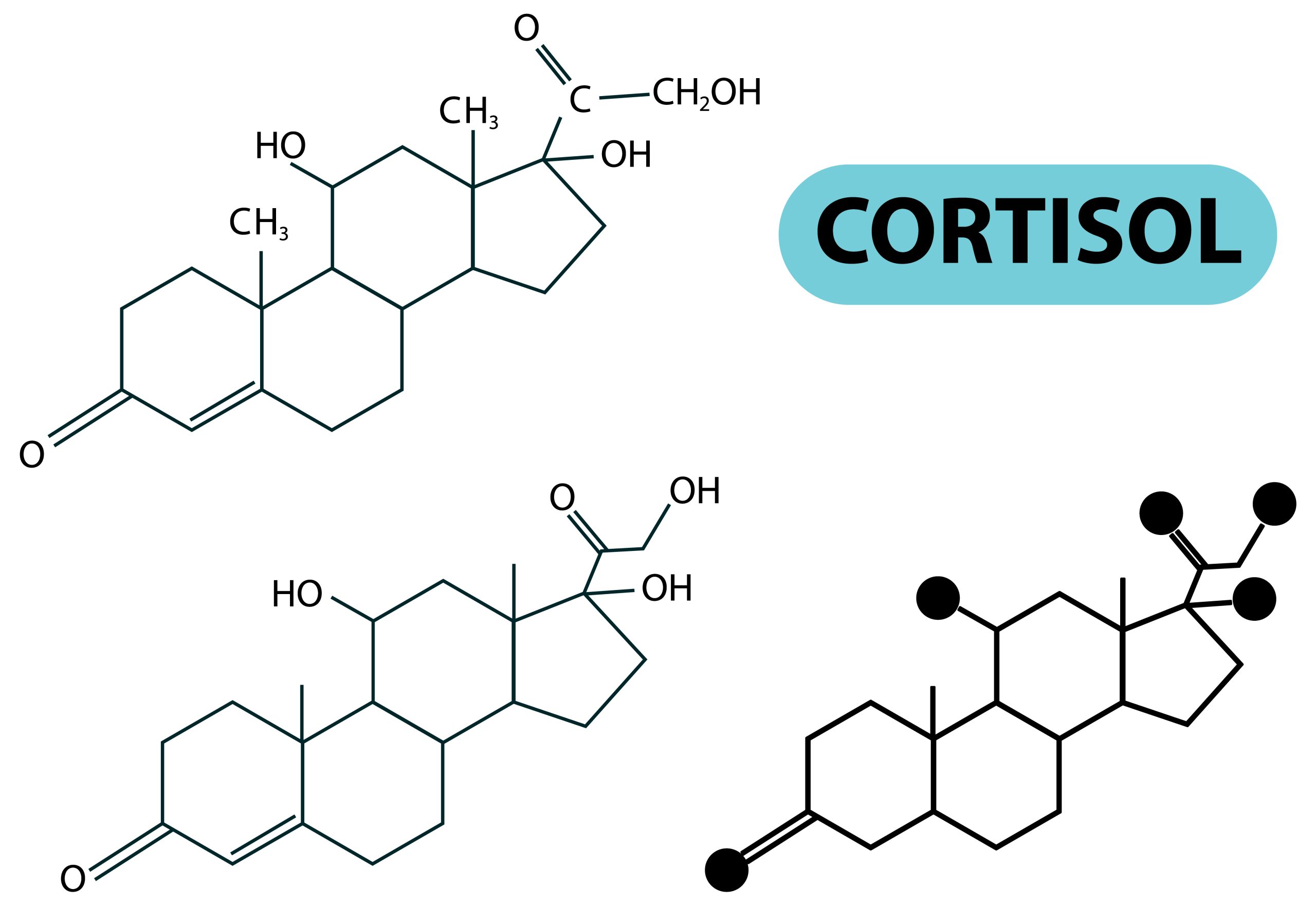
    Cortisol, often dubbed the “stress hormone,” is released in response to stressors, whether physical or emotional. While cortisol serves essential functions in the body’s stress response, chronic stress can lead to elevated cortisol levels, which may contribute to weight gain, particularly around the abdominal area.

    Managing stress through techniques such as mindfulness, meditation, and regular exercise can help regulate cortisol levels and support weight loss efforts.

    Leptin and Ghrelin: The Hunger Hormones

    Leptin and ghrelin are two hormones that regulate hunger and satiety. Leptin, produced by fat cells, signals to the brain when we are full, suppressing appetite. Conversely, ghrelin, produced in the stomach, stimulates appetite, signaling hunger to the brain.

    Imbalances in these hormones can disrupt appetite regulation, leading to overeating and weight gain. To support hormonal balance, prioritize adequate sleep, as sleep deprivation can disrupt leptin and ghrelin levels, potentially leading to increased hunger and cravings.

    Thyroid Function and Weight Loss

    How Hormones Affect Weight Loss and Tips to Balance Them Naturally

    The thyroid gland plays a vital role in metabolism regulation by producing hormones that control the body’s energy expenditure. Hypothyroidism, characterized by an underactive thyroid, can lead to weight gain and difficulty losing weight due to a sluggish metabolism.

    Conversely, hyperthyroidism, an overactive thyroid, can cause rapid weight loss. Maintaining thyroid health through a balanced diet rich in iodine, selenium, and zinc, as well as managing stress levels, can support optimal thyroid function and facilitate weight loss.

    Estrogen and Testosterone: Gender-Specific Hormones

    Estrogen and testosterone, predominantly known as sex hormones, also influence metabolism and body composition. In women, fluctuations in estrogen levels throughout the menstrual cycle can affect appetite and energy expenditure.

    Similarly, in men, testosterone levels play a role in muscle mass maintenance and fat distribution. Hormonal imbalances, such as estrogen dominance or low testosterone levels, can impact weight management efforts.

    Incorporating strength training exercises, consuming adequate protein, and minimizing exposure to endocrine-disrupting chemicals can help balance estrogen and testosterone levels naturally.

    The Influence of Serotonin on Appetite

    How Hormones Affect Weight Loss and Tips to Balance Them Naturally

    Serotonin, often referred to as the “feel-good hormone,” not only regulates mood but also plays a role in appetite control. Low serotonin levels have been linked to increased carbohydrate cravings and overeating, particularly in response to emotional stress.

    Enhancing serotonin production through activities like regular exercise, exposure to natural sunlight, and consuming foods rich in tryptophan, such as turkey, nuts, and seeds, can help curb cravings and promote satiety, supporting weight loss efforts.

    Adiponectin: The Fat-Burning Hormone

    Adiponectin is a hormone secreted by fat cells that enhances insulin sensitivity and promotes fat breakdown. Higher levels of adiponectin are associated with a lower risk of obesity and metabolic disorders.

    Lifestyle factors such as regular physical activity, adequate sleep, and a diet rich in antioxidants, omega-3 fatty acids, and soluble fiber can increase adiponectin levels, facilitating fat-burning and weight loss.

    Neuropeptide Y

    How Hormones Affect Weight Loss and Tips to Balance Them Naturally

    Neuropeptide Y (NPY) is a hormone made by cells in your brain and nervous system. It tells your body you’re hungry and makes you want to eat, especially when you’re stressed or haven’t eaten for a while.

    Having too much NPY can make you gain weight because it makes you eat more and slows down how much energy your body uses. This can lead to having more fat stored in your body, especially around your belly, which isn’t good for your health. It can also cause inflammation, which makes health problems worse.

    To keep your NPY levels low and stay healthy, here are some things you can do:

    • Exercise regularly. Doing physical activities can help lower your NPY levels, but some studies say different things about it.
    • Eat healthy foods. Research shows that eating too much fatty and sugary foods can raise your NPY levels. So, it’s a good idea to eat less of these kinds of foods and more of the nutritious ones.

    By exercising and eating well, you can help keep your NPY levels in check and reduce the risk of health problems.

    Glucagon-Like Peptide-1

    Glucagon-like peptide-1, also known as GLP-1, is a hormone made in your gut when food goes into your intestines. It helps to control your blood sugar levels and makes you feel full.

    Some studies suggest that people who have obesity might have issues with how GLP-1 works in their bodies. Doctors sometimes include GLP-1 in medications, especially for people with diabetes, to help them lose weight and reduce their waist size.

    Here are some simple tips to help keep your GLP-1 levels healthy:

    • Eat foods high in protein, like yogurt and whey protein. These foods can increase the amount of GLP-1 your body produces.
    • Think about taking probiotics. Early studies suggest that probiotics might raise your GLP-1 levels, but more research on people is needed. It’s important to talk with a healthcare provider before starting any new supplements.

    Prioritizing Gut Health for Hormonal Balance

    How Hormones Affect Weight Loss and Tips to Balance Them Naturally

    The gut microbiome, composed of trillions of bacteria, plays a crucial role in hormone metabolism and regulation. Imbalances in gut bacteria can contribute to inflammation, insulin resistance, and weight gain.

    Supporting gut health through the consumption of probiotic-rich foods like yogurt, kefir, and sauerkraut, as well as fiber-rich fruits, vegetables, and whole grains, can promote a diverse and balanced microbiome, supporting hormonal balance and weight management.

    If you wanna know the connection between gut health and weight loss, you can read our article “The Role of Gut Health in Weight Management”.

    Seeking Professional Guidance for Hormonal Imbalances

    If struggling with persistent weight loss challenges despite adopting lifestyle modifications, seeking guidance from a healthcare professional or registered dietitian specializing in hormonal health can provide personalized recommendations and interventions.

    Hormonal imbalances may require targeted therapies, such as hormone replacement therapy or medication, to address underlying issues and optimize weight loss outcomes. Collaborating with a knowledgeable healthcare provider can empower individuals to navigate hormonal complexities and achieve sustainable weight loss goals.

    Beyond Body – Your Ultimate Weight Loss Guide

    Beyond Body for Weight Loss

    Beyond Body is special because it gives you meal and exercise plans made just for you. These plans are designed to fit what you like. The 28-day meal plan is all about making healthy eating fun. It helps you enjoy yummy food while taking care of your body.

    Beyond Body isn’t just for losing weight. It’s like having a friend who helps you live a healthier and happier life.

    That said, if you’re interested in trying it read our full Beyond Body review then click here to take a quick quiz and get started. You can even get up to 60% off by using the code below:

    ribbon
    Beyond Body - 67% Off Discount Code

    Beyond Body - 67% Off Discount Code

    Up to 67% OFF Beyond Body Checkout Code - LARGEST discount on the internet!
    AUTO APPLIED AT CHECKOUT
    SHOW COUPON
    On Going Offer
  • It Works 100% Success It Doesn't
  • Final Words

    In conclusion, understanding how hormones impact weight loss is vital for achieving healthy goals. By adopting natural methods to balance hormones, such as mindful eating, regular exercise, and stress management, individuals can support their weight loss journey effectively.

    Remember, small changes can make a big difference in achieving sustainable results. So, embrace these tips and embark on your journey towards a healthier lifestyle today!

    FAQs on How Hormones Affect Weight Loss

    How can I balance my hormones to lose weight?

    To balance your hormones for weight loss, focus on a balanced diet with plenty of fruits, vegetables, and lean proteins. Incorporate regular exercise to help regulate hormone levels and reduce stress, which can disrupt hormonal balance. Prioritize quality sleep to support hormone regulation and overall health.

    How can I naturally fix my hormonal imbalance?

    You can naturally fix hormonal imbalances by incorporating stress-reducing activities like meditation or yoga into your daily routine. Avoid processed foods and sugars, as they can contribute to hormonal imbalances. Consider herbal remedies like maca root or chaste berry, which are believed to support hormone balance.

    Which hormone imbalance causes weight loss?

    An overactive thyroid gland, known as hyperthyroidism, can cause unintentional weight loss due to an increase in metabolism. Symptoms may include rapid heartbeat, sweating, and nervousness. Consulting a healthcare professional for proper diagnosis and treatment is essential for managing hormone imbalances and associated weight changes.

    The Best Time to Take Probiotics for Maximum Benefits

    Superfoods for Gut Health

    Are you thinking about when’s the perfect time to pop those probiotics for a health boost? Well, you’re in for a treat! We’re diving into the nitty-gritty of “The Best Time to Take Probiotics for Maximum Benefits.”

    It’s not just about random munching; timing plays a key role. So, grab a comfy seat, and let’s unravel the science behind optimal probiotic intake. Your gut will thank you, and who knows, you might just discover the ideal moment to give your health a little extra love!

    Understanding Probiotics

    The Best Time to Take Probiotics for Maximum Benefits

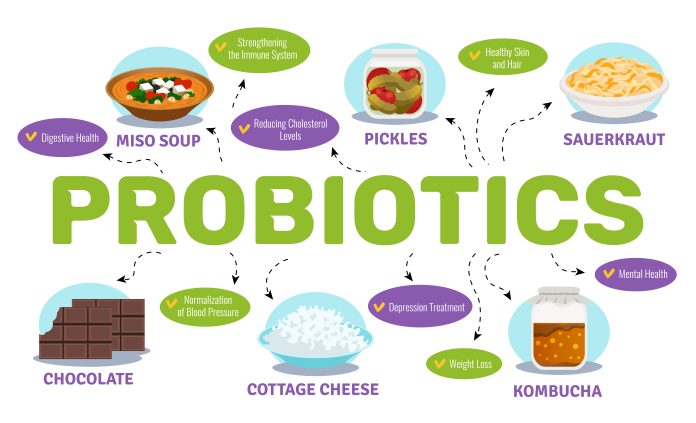
    Before delving into the timing aspect, it’s essential to understand what probiotics are and how they function. Probiotics are live microorganisms, primarily bacteria and yeast, that confer health benefits when consumed in adequate amounts.

    These microorganisms are naturally present in some foods and supplements, working in harmony with the body’s existing microbiota, or the community of microbes residing in the digestive tract.

    If you wanna know more about probiotics and the difference between probiotics and prebiotics, you can read “Probiotics vs. Prebiotics: What’s the Difference?”.

    Kickstarting the Day with Probiotics

    Taking probiotics in the morning can be a strategic choice for several reasons. Firstly, the stomach is relatively empty after a night of fasting, providing an optimal environment for probiotics to survive and thrive.

    Additionally, introducing probiotics in the morning helps kickstart your digestive system for the day ahead. This timing allows the beneficial bacteria to establish themselves in the gut, aiding in nutrient absorption and supporting a healthy balance of microflora.

    If you are considering taking a probiotic supplement, you might want to try Bioma Probiotics. To learn more about Bioma, you can read our Bioma review. Click here to get your own Bioma Probiotics. Use the code below for free shipping and to receive up to 75% off.

    ribbon
    Bioma Probiotics - 75% Off + FREE Shipping

    Bioma Probiotics - 75% Off + FREE Shipping

    Instantly save up to 75% off with Bioma Checkout Code! Plus, FREE shipping!
    BIO15DIY
    SHOW COUPON
    On Going Offer
  • It Works 100% Success It Doesn't
  • With Meals

    The Best Time to Take Probiotics for Maximum Benefits

    Consuming probiotics with meals is another effective approach. Coordinating their intake with regular meals ensures that the beneficial bacteria are exposed to a variety of nutrients, fostering their growth and activity.

    Moreover, taking probiotics with meals can enhance the digestive process, assisting in the breakdown of food and absorption of nutrients. This synchronization can be particularly beneficial for individuals with digestive issues, such as bloating or irritable bowel syndrome (IBS).

    Before Bed

    Taking probiotics before bedtime can be advantageous for several reasons. As the body rests during sleep, probiotics have the opportunity to proliferate and exert their beneficial effects without interference from food intake.

    This can contribute to the maintenance of a healthy gut microbiome, which plays a crucial role in overall well-being. Additionally, some studies suggest that certain probiotic strains may have a calming effect, potentially promoting better sleep quality.

    After Antibiotic Use

    The Best Time to Take Probiotics for Maximum Benefits

    Antibiotics, while effective in treating bacterial infections, can also disrupt the natural balance of gut bacteria, leading to digestive issues. In such cases, taking probiotics becomes crucial for restoring microbial balance. However, the timing matters.

    It’s advisable to wait a few hours after taking antibiotics before introducing probiotics to avoid potential interactions. This allows the antibiotics to do their job while ensuring the probiotics have a conducive environment to flourish.

    During Travel

    Traveling, especially to new destinations, can expose the digestive system to unfamiliar bacteria and disrupt routine eating patterns. Taking probiotics during travel can help fortify the gut against potential challenges.

    Whether in the morning, with meals, or before bedtime, maintaining a consistent probiotic regimen while on the go can contribute to digestive resilience and overall well-being during your travels.

    Consistency is Key

    The Best Time to Take Probiotics for Maximum Benefits

    While timing is important, consistency in probiotic intake is equally crucial. Establishing a routine helps maintain a steady supply of beneficial bacteria in the gut, supporting long-term gut health.

    Whether you choose to take probiotics in the morning, with meals, or before bed, adhering to a consistent schedule enhances the effectiveness of these microorganisms.

    Recharge Gut Health After Physical Activity

    Engaging in physical activity is undoubtedly beneficial for overall health, but intense exercise can temporarily stress the body, including the gut. Taking probiotics post-exercise can aid in replenishing the gut microbiota that might have been influenced by the stress of the workout.

    This timing allows the beneficial bacteria to assist in recovery and potentially reduce exercise-induced inflammation. Adding probiotics to your post-exercise routine may contribute to a more robust and balanced gut environment.

    In Times of Stress

    The Best Time to Take Probiotics for Maximum Benefits

    Stress can impact not only mental well-being but also the health of the digestive system. During periods of heightened stress, the gut microbiota may experience imbalances, leading to digestive discomfort.

    Taking probiotics during stressful times can support the gut-brain connection, as there is a bidirectional communication between the gut and the brain.

    This connection, often referred to as the “gut-brain axis,” highlights the influence of gut health on mental health. Incorporating probiotics into your routine during stressful periods may help maintain a harmonious balance in both your gut and mind.

    For Women

    Research suggests that the composition of the gut microbiota may vary across the menstrual cycle in women. Coordinating probiotic intake with the menstrual cycle may offer additional benefits.

    Some women may choose to focus on probiotic consumption during specific phases, such as the follicular or luteal phase, to align with hormonal fluctuations.

    While more research is needed in this area, being attuned to the body’s natural rhythms and adjusting probiotic intake accordingly could potentially enhance the symbiotic relationship between gut health and hormonal balance.

    Bioma Probiotics

    Bioma is a special health supplement that does a lot for your stomach. It’s not like other supplements because it has everything you need in one pill. It has prebiotics, probiotics, and postbiotics – all in one!

    The Best Time to Take Probiotics for Maximum Benefits

    The prebiotics in Bioma are like food for the good bacteria in your stomach. The probiotics are good live bacteria that keep your stomach healthy. And the postbiotics are extra good stuff that helps your stomach lining and makes your immune system stronger.

    What’s great about Bioma is that you only need to take one pill. You don’t have to take many different pills – just one. It’s super easy for anyone who wants a healthy stomach without a lot of hassle.

    if you’re interested in trying Bioma read our full Bioma review then Click here to kickstart your Bioma probiotics journey now. Grab the code below for free shipping and to get 75% off.

    ribbon
    Bioma Probiotics - 75% Off + FREE Shipping

    Bioma Probiotics - 75% Off + FREE Shipping

    Instantly save up to 75% off with Bioma Checkout Code! Plus, FREE shipping!
    BIO15DIY
    SHOW COUPON
    On Going Offer
  • It Works 100% Success It Doesn't
  • Wrap-Up

    In the end, finding the best time to take probiotics is like picking the perfect moment to enjoy your favorite snack. Trust your gut, quite literally! Whether it’s with breakfast, lunch, or dinner, consistency matters more than the clock. So, make it a habit, and let those friendly microbes work their magic. After all, a happy gut is a happy you!

    FAQs on the Best Time to Take Probiotics for Maximum Benefits

    When should I take probiotics for best results?

    For best results, take probiotics in the morning before breakfast. This helps create a favorable environment in your stomach for the good bacteria to thrive and support your digestive system throughout the day.

    Can I take probiotics after eating?

    Yes, you can take probiotics after eating, but it’s generally recommended to take them on an empty stomach for optimal effectiveness. If you forget or prefer to take them with food, just make sure it’s not a heavy meal, as it may hinder the absorption of the beneficial bacteria.

    When not to take probiotics?

    Avoid taking probiotics when you’re on antibiotics, as they can counteract each other. Additionally, refrain from taking probiotics if you have a weakened immune system or a serious health condition. Always consult with your healthcare provider to ensure probiotics are suitable for your specific situation.

    Greatness App Review: The Secret to Lasting Lifestyle Changes

    Greatness App Review Micro-Habits and the Secret to Lasting Lifestyle Change

    DIY Active As seen In About Us

    Imagine being as excited to work on your goals as you are about watching Netflix – your entire life would change… Right? Well, is that even possible? That’s the idea behind Greatness… Read our review or grab your huge promo code here:

    ribbon
    Greatness — Up to 72% + Extra 10% OFF Discount Code

    Greatness — Up to 72% + Extra 10% OFF Discount Code

    Up to 72% + extra 10% OFF Greatness app plan. Invest in yourself by using our exclusive code in the checkout!
    DIY10
    SHOW COUPON
    On Going Offer
  • It Works 100% Success It Doesn't
  • Revolutionizing Lifestyle Management: Introducing the Greatness App

    Everyone knows they should eat healthier, exercise more, be less stressed, and get better sleep. When it comes to lifestyle changes, we all want to make big, significant transformations – but in reality, those significant changes rarely work out.

    The Greatness app emerges as a groundbreaking solution for lifestyle management and self-care, designed to effortlessly integrate healthy habits into your life without the need for drastic changes – or willpower.

    What Is Greatness – And What Sets It Apart?

    Unlike regular habit trackers and to-do list apps – which rely on fleeting bursts of motivation and willpower – Greatness acts more like a personal lifestyle coach, tailoring its approach to fit your needs, goals, and lifestyle.

    Distilling decades of research on habit formation, neuroscience, psychology, and behavior change into bite-sized actionable steps for goal achievement, Greatness is designed for those seeking a profound improvement in any area of life – from nutrition, exercise, and sleep to work and relationships.

    The Power of Micro-Habits

    Micro-habits, the core mechanism behind the Greatness app, are tiny, easily achievable behaviors that require little time or effort.

    They bypass the usual resistance we feel when trying to form new habits because they are so small that they hardly feel like a challenge.

    And while they may seem trivial in isolation, their true power lies in their cumulative effect over time – yielding significant, lasting results.Greatness App Review Micro-Habits and the Secret to Lasting Lifestyle Change 2

    The Greatness App – A Catalyst For Change

    Given that 40% of what we do daily is out of habit – almost half of what we’ll ever do in life – it’s clear that forming healthy habits is the key ingredient in building a fulfilling life.

    How productive or unproductive you are? A result of your habits. How healthy or unhealthy you are? A result of your habits. Your life – and the kind of person you are – is essentially the sum of your current habits.

    Greatness’ non-invasive system of instilling positive habits offers a new pathway to lifestyle management, personal growth, and self-care.

    Whether you’re looking to reduce stress, improve health, or get more organized, the Greatness app seems to have all the necessary tools and guidance you need to succeed.

    Exclusive Offer for Our Readers

    Embrace the journey to self-improvement with Greatness and enjoy a special promotion. Use the code DIY10 to unlock a 10% discount on any subscription plan.

    ribbon
    Greatness — Up to 72% + Extra 10% OFF Discount Code

    Greatness — Up to 72% + Extra 10% OFF Discount Code

    Up to 72% + extra 10% OFF Greatness app plan. Invest in yourself by using our exclusive code in the checkout!
    DIY10
    SHOW COUPON
    On Going Offer
  • It Works 100% Success It Doesn't
  • Greatness – Like Netflix, But For Personal Growth

    Created with one of the top minds in behavioral science Samuel Salzer, Greatness houses a wide variety of self-improvement tools in one neat app, helping to grow in all areas of your life – from physical and mental health to relationships and career.Greatness App Review Micro-Habits and the Secret to Lasting Lifestyle Change 3

    Building healthier eating and exercise habits: Research suggests that behavior change interventions exemplified by Greatness – like goal setting, self-monitoring, and habit stacking, among many others – are effective at promoting healthy eating and exercise habits, also contributing to better weight control over time.

    Stress relief: Combining mindfulness meditations and breathwork with cognitive behavioral therapy (CBT) and mental health coaching, Greatness promotes psychological well-being, relaxation, and stress alleviation. Numerous studies show that regular meditation and breathwork can help reduce symptoms of stress and anxiety.

    Better sleep quality: Through science-backed habit programs, courses, and sleep meditations, Greatness helps create habits and manage environmental cues to improve sleep quality. Studies show that a regular bedtime routine can positively affect mental and physical health, as well as cognitive performance.

    Sharper focus and productivity: Research hints that people with consistent routines have higher levels of productivity and goal attainment. Greatness houses a wide variety of tools for reducing distractions, mastering time, and increasing productivity – from expert time-management programs to procrastination coaching.

    Increased self-esteem and confidence: Studies show that our daily habits play a significant role in shaping our sense of self – what we think and do daily is what we become. Through mental health coaching and specialized self-confidence programs, Greatness aids in nurturing self-esteem, self-belief, and resilience.

    Deeper, more fulfilling relationships: There’s strong evidence that people in healthy relationships live longer and are generally happier in life. Whether it’s deepening the relationship with your partner or building a stronger connection with your child, Greatness offers dedicated programs to enhance quality time and prioritize presence, active listening, and undivided attention.

    Seize the Opportunity: Now is the time to explore the transformative power of the Greatness app. With our exclusive discount code DIY10, embark on a journey of self-discovery and improvement. Dive into the world of Greatness and unlock your potential today.

    ribbon
    Greatness — Up to 72% + Extra 10% OFF Discount Code

    Greatness — Up to 72% + Extra 10% OFF Discount Code

    Up to 72% + extra 10% OFF Greatness app plan. Invest in yourself by using our exclusive code in the checkout!
    DIY10
    SHOW COUPON
    On Going Offer
  • It Works 100% Success It Doesn't
  • Greatness Testimonials

    “Greatness really helps build habits to fix your life and it makes it in such little steps and with such good guidance that it’s fully doable. Recommend it truly.”
    – Karin Rommel ToledoGreatness App Review Micro-Habits and the Secret to Lasting Lifestyle Change 4

    “It’s easy to use, it’s engaging, and the content is really good, I’ve learned a hell of a lot. I check it more than I do most things on my phone now. It’s taken over my use of social media, and it’s just completely come into tune with the way I’m spending my day.”
    – Jennifer Booth

    “I feel like the Greatness app really targets MY needs and what I need to move forward and be a better version of myself versus like ‘here’s the standard, just follow this’”
    – Eboni Nicole

    “I’ve been in such a busy way with family, life, and work, I haven’t been prioritizing self-care very much. What I really like is how it sets small goals – you can mark off that you’ve done that thing and it gives you a sense of achievement.”
    – Lucy

    How Much Does Greatness Cost?

    Here’s the special that Greatness has going on right now and you can save even more with our discount below.

    Greatness cost
    3-month membership: $11.00 / month
    6-month membership: $9.00 / month
    12-month membership: $5.50 / monthGreatness App Review Micro-Habits and the Secret to Lasting Lifestyle Change 5

    What’s included in the plan?

    • Premium access to self-improvement programs and courses by behavioral scientists
    • Daily routine planner and unlimited habit tracking
    • Guided meditations, sleep soundscapes, focus music, and more
    • Daily mental health coaching based on goals you want to achieve
    • In-app intermittent fasting tracker and video workouts for physical health improvement

    Wrap-Up

    In our Greatness review, we’ve looked at how Greatness empowers people to finally create a lasting change in their lives – from physical and mental health to work and relationships.

    With its convenience and versatility, this innovative self-care tool offers an effortless way for anyone to get unstuck and start winning at life.

    Grab the code below to get started on your Greatness journey now – and save big!

    ribbon
    Greatness — Up to 72% + Extra 10% OFF Discount Code

    Greatness — Up to 72% + Extra 10% OFF Discount Code

    Up to 72% + extra 10% OFF Greatness app plan. Invest in yourself by using our exclusive code in the checkout!
    DIY10
    SHOW COUPON
    On Going Offer
  • It Works 100% Success It Doesn't
  • References

    1. Olateju IV, Ogwu D, Owolabi MO, Azode U, Osula F, Okeke R, Akabalu I. Role of Behavioral Interventions in the Management of Obesity. National Library of Medicine, National Center for Biotechnology Information, PubMed Central. 2021 Sep 18. doi: 10.7759/cureus.18080. PMID: 34671541. PMCID: PMC8522530
    2. Sweet SN, Fortier MS. Improving Physical Activity and Dietary Behaviours with Single or Multiple Health Behaviour Interventions? A Synthesis of Meta-Analyses and Reviews. National Library of Medicine, National Center for Biotechnology Information, PubMed Central. 2010 Apr 16. doi: 10.3390/ijerph7041720. PMCID: PMC2872344. PMID: 20617056
    3. Wood W, Neal DT. Healthy through habit: Interventions for initiating & maintaining health behavior change. INSEAD The Business School of the World. Review. 2016.
    4. Schulte B. Harvard neuroscientist: Meditation not only reduces stress, here’s how it changes your brain. The Washington Post. 2015 May 26.
    5. Schreiner I, Malcolm JP. The Benefits of Mindfulness Meditation: Changes in Emotional States of Depression, Anxiety, and Stress. Behaviour Change, University of Western Sydney, Australia. 2008 Sept. DOI:10.1375/bech.25.3.156
    6. Fincham, G.W., Strauss, C., Montero-Marin, J. et al. Effect of breathwork on stress and mental health: A meta-analysis of randomised-controlled trials. Sci Rep 13, 432 (2023). DOI:10.1038/s41598-022-27247-y
    7. Rusch HL, Rosario M, Levison LM, Olivera A, Livingston WS, Wu T, Gill JM. The effect of mindfulness meditation on sleep quality: a systematic review and meta-analysis of randomized controlled trials. Ann N Y Acad Sci. 2019 Jun;1445(1):5-16. doi: 10.1111/nyas.13996. Epub 2018 Dec 21. PMID: 30575050; PMCID: PMC6557693.
    8. Jean-Philippe Chaput, Caroline Dutil, Ryan Featherstone, Robert Ross, Lora Giangregorio, Travis J. Saunders, Ian Janssen, Veronica J. Poitras, Michelle E. Kho, Amanda Ross-White, Sarah Zankar, and Julie Carrier. 2020. Sleep timing, sleep consistency, and health in adults: a systematic review. Applied Physiology, Nutrition, and Metabolism. 45(10 (Suppl. 2)): S232-S247. doi:10.1139/apnm-2020-0032
    9. Johnson, J. E. (1991). A Comparative Study of the Bedtime Routines and Sleep of Older Adults. Journal of Community Health Nursing, 8(3), 129–136. Doi:3427462.
    10. Kang, JH., Chen, SC. Effects of an irregular bedtime schedule on sleep quality, daytime sleepiness, and fatigue among university students in Taiwan. BMC Public Health 9, 248 (2009). doi:10.1186/1471-2458-9-248. DOI:10.3389/fpsyg.2019.01504. ISSN:1664-1078.
    11. Aeon B, Faber A, Panaccio A (2021) Does time management work? A meta-analysis. PLoS ONE 16(1): e0245066. doi:10.1371/journal.pone.0245066
    12. Hou, W. K., Lai, F. T., Ben-Ezra, M., & Goodwin, R. (2020). Regularizing daily routines for mental health during and after the COVID-19 pandemic. Journal of global health, 10(2), 020315. doi:10.7189/jogh.10.020315. PMID: 33110518. PMCID: PMC7535346
    13. Verplanken Bas , Sui Jie. Habit and Identity: Behavioral, Cognitive, Affective, and Motivational Facets of an Integrated Self. Frontiers in Psychology. 2019.
    14. Lemay J.E.P, Le B.M, Clark M.S. Listening and Responsiveness: Listening & Responsiveness. Current Opinion in Psychology, ScienceDirect. 2024 June 2. doi:10.1016/j.copsyc.2023.101611
    15. Canevello, A., & Crocker, J. (2010). Creating good relationships: responsiveness, relationship quality, and interpersonal goals. Journal of personality and social psychology, 99(1), 78–106. doi:10.1037/a0018186

    The Impact of Diet on Gut Microbiota

    The Impact of Diet on Gut Microbiota
    The Impact of Diet on Gut Microbiota

    Have you ever considered what’s happening in your belly after a meal? Well, it turns out, that what you eat doesn’t just affect your waistline; it also plays a big role in shaping your gut microbiota. Yup, those trillions of tiny creatures hanging out in your digestive system.

    In this dive into the Impact of Diet on Gut Microbiota, we’ll unravel the secrets behind how your food choices can either throw a party for those gut bugs or leave them feeling kinda lonely. Get ready for a journey into the fascinating world of your gut and its culinary companions!

    The Gut Microbiota Ecosystem

    The Impact of Diet on Gut Microbiota

    Our gut is a bustling ecosystem, hosting a diverse community of bacteria, viruses, fungi, and other microorganisms. This complex microbial community, collectively known as the gut microbiota, functions as an integral part of our digestive and immune systems. The delicate equilibrium of this ecosystem can be influenced significantly by the foods we consume, thereby affecting our well-being.

    Dietary Fiber and Microbial Diversity

    Dietary fiber, found abundantly in fruits, vegetables, and whole grains, serves as a nourishing feast for the gut microbiota. These indigestible fibers reach the colon mostly intact, where they become substrates for bacterial fermentation.

    This fermentation process produces short-chain fatty acids (SCFAs), which not only provide an energy source for the cells lining the colon but also contribute to the maintenance of a diverse and thriving microbiota.

    Balancing Act for Gut Health

    The Impact of Diet on Gut Microbiota

    While protein is essential for muscle development and overall bodily functions, an excess of certain types of proteins may lead to an imbalance in the gut microbiota.

    Diets rich in animal proteins, particularly red and processed meats, have been associated with a decrease in microbial diversity and an increase in potentially harmful bacteria. Striking a balance between plant and animal-based proteins is crucial for fostering a harmonious gut environment.

    Fats and Gut Microbiota

    Dietary fats can be categorized into different types, each with its distinct impact on gut health. While some fats, like omega-3 fatty acids found in fatty fish and flaxseeds, have anti-inflammatory properties and promote microbial diversity, saturated fats from processed foods can contribute to an imbalance, fostering the growth of less beneficial microbes.

    Maintaining a healthy balance of fats, emphasizing the consumption of unsaturated fats, is vital for supporting a robust gut microbiota.

    Impact of Sugar and Artificial Sweeteners

    The Impact of Diet on Gut Microbiota

    The excessive consumption of added sugars and artificial sweeteners has emerged as a potential threat to gut health. Studies suggest that a diet high in sugar can lead to an overgrowth of harmful bacteria, disrupting the delicate microbial balance.

    Artificial sweeteners, often considered a calorie-conscious alternative, may also have adverse effects on the composition and function of the gut microbiota. Moderation in sweetener intake is essential to safeguard the intricate microbial community in our gut.

    Probiotics and Prebiotics

    Probiotics, live microorganisms with proven health benefits, and prebiotics, non-digestible fibers that promote the growth of beneficial bacteria, play a pivotal role in supporting gut health.

    Incorporating fermented foods like yogurt, kefir, and kimchi into the diet provides a natural source of probiotics. Simultaneously, consuming prebiotic-rich foods such as garlic, onions, and bananas nourishes the existing beneficial bacteria, contributing to a flourishing gut microbiota.

    Explore Bioma, a probiotic and prebiotic supplement in one. To learn more, check out our Bioma review. If you’re ready to order your own Bioma Supplements, simply click here. Enjoy free shipping and a 75% discount with the code below.

    ribbon
    Bioma Probiotics - 75% Off + FREE Shipping

    Bioma Probiotics - 75% Off + FREE Shipping

    Instantly save up to 75% off with Bioma Checkout Code! Plus, FREE shipping!
    BIO15DIY
    SHOW COUPON
    On Going Offer
  • It Works 100% Success It Doesn't
  • Mental Health Implications

    The Impact of Diet on Gut Microbiota

    Beyond its role in digestion, the gut microbiota has a profound impact on mental health through the gut-brain axis. Emerging research suggests that the composition of gut bacteria can influence mood, cognition, and even mental health disorders.

    Diets rich in nutrients that support a diverse and balanced gut microbiota may contribute to a positive impact on mental well-being.

    Influence of Antibiotics

    While antibiotics are indispensable in treating bacterial infections, their widespread use can inadvertently disturb the delicate balance of the gut microbiota. Antibiotics, designed to eliminate harmful bacteria, can also target beneficial microbes, leading to a temporary reduction in microbial diversity.

    It is crucial for individuals undergoing antibiotic treatment to complement it with probiotics and a diet rich in fiber and prebiotics to aid in the restoration of a thriving gut microbial community.

    If you wanna know more about how antibiotics and gut health are connected, you can read our article “The Link Between Antibiotics and Gut Health”.

    Timing Matters for Gut Harmony

    Recent studies suggest that what we eat may be just as important as what we eat concerning gut health. Chrono-nutrition, the concept that aligns our eating patterns with our circadian rhythms, has shown promising results in optimizing the gut microbiota.

    Irregular eating habits, such as late-night snacking, may disrupt the circadian rhythm of the gut, potentially impacting the composition of the microbiota. Embracing a consistent and well-timed eating schedule could be a simple yet effective strategy for promoting gut harmony and overall health.

    Bioma for Gut Health

    Bioma’s special mix of good bacteria is like a team that keeps your tummy happy and healthy. These bacteria are important for good digestion and overall well-being.

    The Impact of Diet on Gut Microbiota

    The stuff called prebiotics in Bioma is like food for the good bacteria in your tummy. It helps them grow and do their job well. This is super important for keeping your intestines in good shape and avoiding issues like feeling too full, having a hard time pooping, or having a tummy that doesn’t act normal.

    And guess what? When these good bacteria do their thing, they create something called postbiotics. These postbiotics help your intestines stay strong and help your body fight off sickness.

    If you’re interested in trying Bioma read our full Bioma review then Click here to kickstart your Bioma probiotics journey now. Grab the code below for free shipping and to get 75% off.

    ribbon
    Bioma Probiotics - 75% Off + FREE Shipping

    Bioma Probiotics - 75% Off + FREE Shipping

    Instantly save up to 75% off with Bioma Checkout Code! Plus, FREE shipping!
    BIO15DIY
    SHOW COUPON
    On Going Offer
  • It Works 100% Success It Doesn't
  • Final Words

    In a nutshell, what you munch affects the tiny buddies in your gut. Your diet plays a big role in keeping these microscopic helpers happy. Choose wisely, and your gut friends will thank you by keeping your tummy in good spirits. So, next time you’re at the table, think about the little guys inside and give them a meal they’ll love. Happy gut, happy life!

    FAQs

    What are the impacting factors on the gut microbiota?

    The gut microbiota, influenced by various factors, plays a crucial role in our well-being. Factors like diet, antibiotics, stress, and genetics can affect the balance of bacteria in our gut. A diverse and balanced diet, stress management, and avoiding unnecessary antibiotics are essential for maintaining a healthy gut microbiota.

    What is the microbiome diet for gut health?

    A microbiome-friendly diet focuses on foods that promote a balanced gut environment. It includes a variety of fruits, vegetables, whole grains, and fermented foods like yogurt and kimchi. These foods help nourish the beneficial bacteria in the gut, supporting overall digestive health and boosting the immune system.

    What is the impact of the gut microbiome on health?

    The gut microbiome has a significant impact on health, influencing not only digestion but also immune function and mental well-being. A balanced microbiome helps in nutrient absorption, protects against harmful pathogens, and even affects mood and cognitive function.

    Taking care of your gut through a healthy diet and lifestyle can positively influence your overall health and well-being.