Probiotics and Skin Health: Clearing Acne from the Inside Out

Women's Advanced Gut Health Probiotic

Are you thinking about the secret sauce for a clear complexion? Well, hold on to your hats, because we’re diving into the world of “Probiotics and Skin Health: Clearing Acne from the Inside Out.” Picture this: tiny warriors inside you, battling acne from within.

These friendly microbes, aka probiotics, might just be the skincare superheroes you never knew you needed. Join us on this journey to demystify the magic happening inside your body, bringing forth the lowdown on how probiotics could be your ticket to a blemish-free existence. Ready to explore the acne-fighting realm within? Let’s dive in!

Understanding the Gut-Skin Axis

Probiotics and Skin Health: Clearing Acne from the Inside Out

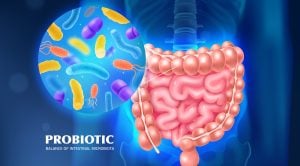
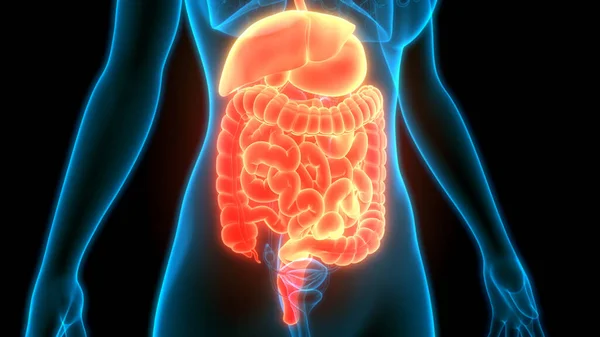
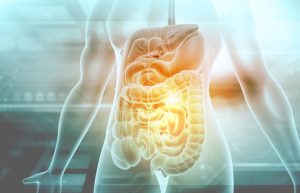
The gut-skin axis, a term gaining traction in scientific circles, underscores the intricate link between the gastrointestinal system and skin health. Research indicates that imbalances in the gut microbiome can manifest as skin issues, including acne.

Probiotics, often hailed as beneficial bacteria, play a pivotal role in maintaining this delicate equilibrium. By fostering a healthy gut microbiome, probiotics may contribute to clearer, blemish-free skin.

If you wanna know more about the gut microbiome, you can read our article “The Importance of a Healthy Gut Microbiome”.

The Role of Probiotics in Gut Health

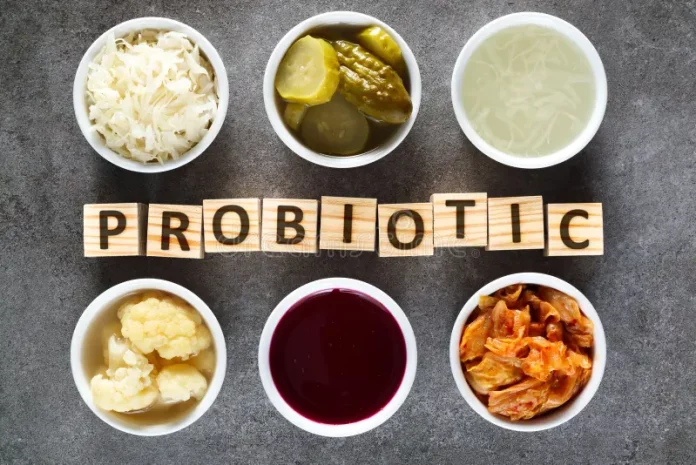
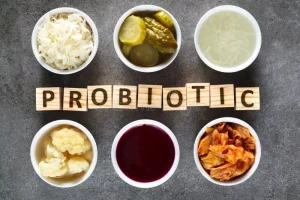
Probiotics are live microorganisms that confer health benefits when consumed in adequate amounts. Found in fermented foods like yogurt, kefir, and kimchi, as well as in supplements, these friendly bacteria positively influence the composition of the gut microbiome.

They enhance the diversity of beneficial bacteria, creating an environment less conducive to the proliferation of harmful microbes. This balance is essential for overall digestive health and, as emerging studies suggest, may extend its benefits to the skin.

Balancing the Microbiome for Radiant Skin

Probiotics and Skin Health: Clearing Acne from the Inside Out

An imbalanced gut microbiome can trigger inflammation, a key player in acne development. Probiotics, by promoting a harmonious microbial environment, may help reduce inflammation.

This, in turn, could mitigate the severity and frequency of acne breakouts. Incorporating probiotic-rich foods into your diet or opting for supplements may be a proactive step toward achieving a balanced microbiome and radiant skin.

Specific Probiotic Strains for Acne

Not all probiotics are created equal, and specific strains have shown promise in addressing acne. Lactobacillus and Bifidobacterium, commonly found in probiotic supplements, have demonstrated anti-inflammatory properties.

These strains may aid in reducing the inflammatory response that exacerbates acne lesions. Research also suggests that probiotics might regulate sebum production, another contributing factor to acne, offering a multi-faceted approach to clearer skin.

If you are considering purchasing probiotics, you should consider trying Bioma Probiotics. To learn more about it, you can read our Bioma review. Acquire your own Bioma Probiotics by simply clicking here. Enjoy free shipping and a 75% discount with the code provided below.

ribbon
Bioma Probiotics - 75% Off + FREE Shipping

Bioma Probiotics - 75% Off + FREE Shipping

Instantly save up to 75% off with Bioma Checkout Code! Plus, FREE shipping!
BIO15DIY
SHOW COUPON
On Going Offer
  • It Works 100% Success It Doesn't
  • Complementary Approach: Probiotics and Topical Treatments
    Probiotics and Skin Health: Clearing Acne from the Inside Out

    While probiotics offer an internal solution, combining their use with traditional topical treatments can enhance efficacy. Topical treatments target acne at the surface, addressing existing blemishes and preventing new ones.

    Probiotics, working from within, contribute to systemic improvements that support the skin’s overall health. This synergistic approach acknowledges the multifaceted nature of acne and addresses it comprehensively.

    Incorporating Probiotics into Your Skincare Routine

    Making probiotics a part of your skincare routine doesn’t require a radical overhaul. Simple dietary changes, such as increasing your intake of fermented foods, can introduce beneficial bacteria into your system.

    Alternatively, probiotic supplements offer a convenient and concentrated source. However, it’s crucial to consult with a healthcare professional before adding supplements to your regimen to ensure they align with your individual health needs.

    Potential Considerations and Future Directions

    Probiotics and Skin Health: Clearing Acne from the Inside Out

    While the link between probiotics and acne is a promising area of research, it’s essential to approach it with a degree of caution. Individual responses may vary, and what works for one person may not yield the same results for another.

    Moreover, the specific mechanisms through which probiotics influence skin health require further exploration. As the scientific community continues to unravel the intricacies of the gut-skin axis, future skincare innovations may emerge, providing even more targeted solutions.

    Navigating Dietary Choices for Optimal Skin Health

    In the quest for clear skin, dietary choices play a pivotal role. Beyond incorporating probiotic-rich foods, adopting an anti-inflammatory diet can complement the benefits of probiotics.

    Foods high in antioxidants, such as fruits, vegetables, and omega-3 fatty acids found in fish, contribute to a well-rounded approach. This combination addresses inflammation both internally and externally, creating a comprehensive strategy for combating acne and promoting radiant skin.

    Probiotics and Emotional Well-being

    Beyond their impact on the gut and skin, probiotics may exert unexpected effects on emotional well-being. The gut-brain axis, another intricate connection, highlights the bidirectional communication between the gut and the brain.

    Emerging research suggests that a healthy gut, fostered by probiotics, can positively influence mood and stress levels.

    Since stress is a known trigger for acne flare-ups, incorporating probiotics into your routine may not only benefit your skin but also contribute to a more balanced emotional state. This holistic approach acknowledges the interconnectedness of physical and emotional health, fostering overall well-being.

    Bioma Probiotics and Prebiotics

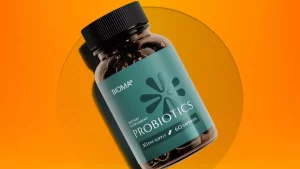
    Bioma is a special health supplement that does a lot for your gut in one simple capsule. It’s a unique mix of prebiotics, probiotics, and postbiotics – all in one! This powerful blend helps your gut stay healthy by helping good bacteria grow and keeping your digestive system in balance.
    Probiotics and Skin Health: Clearing Acne from the Inside Out

    The prebiotics in Bioma are like food for the good bacteria in your gut. The probiotics are live bacteria that are good for your gut. And the postbiotics, which come from the probiotics, give you extra health benefits, like supporting your gut lining and boosting your immune system.

    What’s really cool about Bioma is that it puts all these good things in just one capsule. You don’t need to take lots of different supplements. It’s super easy for anyone who wants to make their gut healthier without any extra fuss.

    Want to try Bioma probiotics? Check out our complete Bioma review and start your Bioma journey by clicking here. Use the code for free shipping and a 75% discount. Don’t miss out on starting your Bioma experience!

    ribbon
    Bioma Probiotics - 75% Off + FREE Shipping

    Bioma Probiotics - 75% Off + FREE Shipping

    Instantly save up to 75% off with Bioma Checkout Code! Plus, FREE shipping!
    BIO15DIY
    SHOW COUPON
    On Going Offer
  • It Works 100% Success It Doesn't
  • Wrap-Up

    So, there you have it! Probiotics may be the unsung heroes for your skin. By balancing the good and bad bacteria in your gut, they seem to tackle acne from within.

    It’s like having tiny superheroes in your belly fighting off the villains causing those pesky breakouts. Remember, a happy gut might just lead to a happier, clearer complexion. It’s not magic, it’s just good bacteria doing their thing! Cheers to healthier skin!

    FAQs on Probiotics and Skin Health

    Do probiotics help clear up acne?

    Certainly! Probiotics can play a role in improving acne. They support a healthy balance of bacteria in your gut, which can influence your skin health. Including probiotic-rich foods like yogurt, kefir, and fermented foods in your diet may contribute to clearer skin by promoting a well-balanced internal environment.

    How do you get rid of acne inside out?

    Clearing up acne from the inside out involves maintaining a healthy lifestyle. Eating a balanced diet with plenty of fruits, vegetables, and whole grains provides essential nutrients for skin health. Staying hydrated, getting enough sleep, and managing stress also contribute to overall well-being, which can positively impact your skin and help reduce acne.

    What kills acne bacteria internally?

    To combat acne bacteria internally, incorporating foods with natural antibacterial properties into your diet is key. Garlic, with its antimicrobial properties, can be beneficial. Additionally, foods rich in zinc, like pumpkin seeds and chickpeas, can help support a healthy immune system, assisting in the fight against acne-causing bacteria.

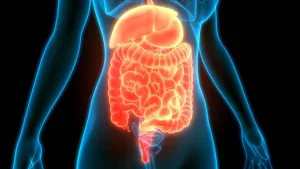
    The Link Between Antibiotics and Gut Health

    The Science Behind Bioma: Optimizing Gut Microbiome

    Have you ever wondered how those antibiotics you take when you’re feeling under the weather might be affecting more than just your sniffles? Well, buckle up because we’re diving into the fascinating world of “The Link Between Antibiotics and Gut Health.”

    It turns out that these tiny pills not only tackle the bad guys causing your cold but also shake things up in your gut. It’s like a microscopic party in there, and we’re about to spill the beans on how it influences your overall well-being. So, let’s unravel the secrets of your gut and the antibiotics that play a surprising role in its harmony.

    Understanding the Gut Microbiome

    The Link Between Antibiotics and Gut Health

    The gut microbiome, a bustling community of trillions of microorganisms residing in the digestive tract, encompasses a diverse array of bacteria, viruses, fungi, and other microbes.

    This dynamic ecosystem not only aids in digestion but also influences the immune system, metabolism, and even mental health. The composition of the gut microbiome varies from person to person, influenced by factors such as genetics, diet, and environmental exposures.

    If you wanna know more about gut microbiome you can read our article “The Importance of a Healthy Gut Microbiome”.

    Link Between Antibiotics and Gut Health

    Antibiotics, designed to combat bacterial infections, are indiscriminate in their action. While they target harmful bacteria, they can also inadvertently disrupt the beneficial microbes in the gut.

    This disturbance can lead to an imbalance in the microbiome, commonly known as dysbiosis. The delicate equilibrium between different bacterial species gets disrupted, potentially giving rise to various health issues.

    Short-Term Effects of Antibiotics on Gut Health

    The Link Between Antibiotics and Gut Health

    In the short term, antibiotics can cause immediate changes in the gut microbiome. The drugs may wipe out both harmful and beneficial bacteria, leaving the gut vulnerable to opportunistic pathogens.

    This disturbance can result in digestive issues such as diarrhea, bloating, and abdominal discomfort. The severity of these side effects often depends on the type of antibiotic prescribed and the individual’s susceptibility.

    Long-Term Implications for Gut Health

    The long-term consequences of antibiotic use on gut health are an area of ongoing research. Some studies suggest that repeated or prolonged antibiotic exposure may lead to persistent alterations in the microbiome, contributing to chronic conditions.

    Conditions such as irritable bowel syndrome (IBS), inflammatory bowel diseases (IBD), and even metabolic disorders have been linked to disruptions in the gut microbiome.

    Antibiotics and the Development of Antibiotic Resistance

    The Link Between Antibiotics and Gut Health

    Beyond their direct impact on the gut microbiome, antibiotics play a pivotal role in the global concern of antibiotic resistance. Overuse and misuse of antibiotics contribute to the development of resistant strains of bacteria, rendering these drugs less effective.

    The prevalence of antibiotic resistance poses a significant threat to public health, limiting treatment options for various infections and exacerbating the need for more potent antibiotics.

    Strategies for Mitigating the Impact on Gut Health

    As the awareness of the link between antibiotics and gut health grows, there is a growing interest in strategies to mitigate the negative effects. Probiotics, live microorganisms that confer health benefits when consumed in adequate amounts, have gained attention for their potential to restore the balance in the gut microbiome.

    Additionally, healthcare providers are increasingly exploring targeted antibiotic therapies that minimize disruption to the microbiome.

    If you are considering taking a probiotic supplement, you might want to try Bioma Probiotics. To learn more about Bioma, you can read our Bioma review. Click here to get your own Bioma Probiotics. Use the code below for free shipping and to receive a 75% discount.

    ribbon
    Bioma Probiotics - 75% Off + FREE Shipping

    Bioma Probiotics - 75% Off + FREE Shipping

    Instantly save up to 75% off with Bioma Checkout Code! Plus, FREE shipping!
    BIO15DIY
    SHOW COUPON
    On Going Offer
  • It Works 100% Success It Doesn't
  • The Role of Diet in Supporting Gut Health During Antibiotic Use

    The Link Between Antibiotics and Gut Health

    Diet plays a crucial role in shaping the composition of the gut microbiome. During and after antibiotic treatment, adopting a diet rich in fiber, prebiotics, and fermented foods can support the restoration of a healthy microbiome.

    These dietary components provide the necessary nutrients for beneficial bacteria to thrive, aiding in the recovery of the gut ecosystem.

    Unexplored Frontiers

    While much has been uncovered about the link between antibiotics and gut health, there are still unexplored frontiers in this intricate relationship. Current research is delving into the nuances of how specific antibiotics impact different bacterial strains and how these disruptions influence not just the gut but the overall health of an individual.

    Unraveling these mysteries could pave the way for more targeted and personalized antibiotic treatments that minimize collateral damage to the microbiome.

    Pediatric Considerations

    The Link Between Antibiotics and Gut Health

    The impact of antibiotics on the gut health of children is a critical consideration. Pediatric populations, with their developing microbiomes, may be more vulnerable to the long-term effects of antibiotic use.

    Emerging studies are shedding light on the potential consequences of early antibiotic exposure, raising awareness about the need for cautious antibiotic prescribing in pediatric healthcare settings to safeguard the health of future generations.

    Environmental Ramifications

    Beyond individual health, the use of antibiotics also has environmental ramifications. The widespread use of antibiotics in agriculture, livestock, and aquaculture contributes to the dissemination of antibiotic residues into the environment. This, in turn, can lead to the development of antibiotic-resistant bacteria in natural ecosystems.

    Understanding the environmental impact of antibiotic use is crucial for implementing sustainable practices that balance the need for effective treatments with the preservation of ecological integrity.

    How Bioma Can Help Your Gut Health?

    Bioma’s special mix of probiotics is like a team of helpers for your tummy. They work to keep your belly bugs in balance, which is super important for good digestion and staying healthy.

    Choosing the Right Probiotic Supplement for You

    The prebiotics in Bioma are like food for the good bugs in your belly. They help these bugs grow and do their job well. This is really important for keeping your belly in good shape and avoiding problems like feeling too full, being stuck in the bathroom, or having a wonky tummy.

    Bioma also has something called postbiotics. These are like little helpers that come from the good bugs doing their work. They help your belly stay strong and help your body fight off bad stuff.

    That said, if you’re interested in trying Bioma read our full Bioma review then Click here to kickstart your Bioma probiotics journey now. Grab the code below for free shipping and to get 75% off.

    ribbon
    Bioma Probiotics - 75% Off + FREE Shipping

    Bioma Probiotics - 75% Off + FREE Shipping

    Instantly save up to 75% off with Bioma Checkout Code! Plus, FREE shipping!
    BIO15DIY
    SHOW COUPON
    On Going Offer
  • It Works 100% Success It Doesn't
  • Wrap-Up

    In a nutshell, taking antibiotics can be a bit like inviting a party-crasher to your gut. While these medications help fight off bad bacteria, they can also disrupt the good guys, messing up your gut balance.

    It’s like a delicate ecosystem in there! So, next time you’re on antibiotics, show your gut some extra love—maybe with some probiotics—to keep the good vibes going. Cheers to a happy and balanced gut!

    FAQs on the Link Between Antibiotics and Gut Health

    How does antibiotics affect gut health?

    Antibiotics can influence gut health by disrupting the balance of bacteria in the digestive system. They not only target harmful bacteria causing infections but also affect beneficial bacteria essential for a healthy gut.

    This disturbance can lead to digestive issues, such as diarrhea or upset stomach, as the microbial community in the gut gets temporarily altered.

    How long does it take your gut to recover from antibiotics?

    The recovery time for the gut after antibiotics varies from person to person. Generally, it takes a few weeks for the gut microbiota to bounce back to its normal state. During this recovery period, it’s beneficial to consume probiotics, like yogurt or fermented foods, to help replenish the good bacteria and support overall gut health.

    Can antibiotics inflame the gut?

    Yes, antibiotics can potentially inflame the gut. This happens because antibiotics not only eliminate harmful bacteria but can also impact the lining of the gastrointestinal tract.

    This disruption may result in inflammation, leading to symptoms like abdominal discomfort or bloating. It’s essential to be mindful of these potential effects and take measures to support gut health during and after antibiotic use.

    Choosing the Right Probiotic Supplement for You

    Probiotics and Skin Health: Clearing Acne from the Inside Out

    Ever felt lost in the maze of probiotic supplements? Well, you’re not alone. Navigating the world of gut health can be like finding your way through a jungle. But worry not, we’re here to guide you in choosing the right probiotic supplement for you.

    It’s not about magic pills; it’s about understanding what your body needs. Let’s embark on this journey together, decoding the probiotic puzzle and finding the perfect match for your gut. After all, a happy gut leads to a happier you! Let’s dive in!

    Understanding Probiotics and Their Benefits

    Choosing the Right Probiotic Supplement for You

    Before delving into the selection process, let’s unravel the mystery of probiotics. Probiotics are live microorganisms that confer health benefits when consumed in adequate amounts.

    They primarily reside in our gastrointestinal tract, fostering a harmonious balance of microflora. The benefits of probiotics extend beyond digestion; they influence immune function, nutrient absorption, and even mental health.

    If u wanna learn in depth about probiotics and how probiotics and weight loss are connected you may read our article “Probiotics and Weight Management: How They’re Connected”.

    How to Choose the Right Probiotic Supplement

    Below we’ll dive deep into what to keep in mind when choosing the right probiotic supplemenet for yourself:

    Identifying Your Health Needs

    The first step in choosing the right probiotic supplement is to identify your specific health needs. Are you struggling with digestive issues, such as bloating or irritable bowel syndrome?

    Do you have a weakened immune system, or are you seeking support for overall well-being? Understanding your health goals will guide you in selecting a probiotic strain that aligns with your objectives.

    Decoding Probiotic Strains

    Probiotics come in various strains, each with its unique set of characteristics. Lactobacillus and Bifidobacterium are common genera, and within them, numerous strains exist.

    For example, Lactobacillus acidophilus is renowned for its digestive benefits, while Bifidobacterium bifidum is associated with immune support. Knowing the specific strain and its benefits is crucial in tailoring your probiotic supplementation.

    CFUs: Count Matters

    Choosing the Right Probiotic Supplement for You

    Colony Forming Units (CFUs) represent the number of viable cells in a probiotic supplement. The appropriate CFU count varies based on individual needs.

    Those seeking general digestive health may find a lower CFU count sufficient, while individuals with specific health concerns might benefit from a higher concentration. Striking a balance ensures effective colonization of the gut without overwhelming the system.

    Check for Prebiotics

    Prebiotics are non-digestible fibers that serve as food for probiotics, aiding in their growth and activity. A quality probiotic supplement often includes prebiotics to enhance the effectiveness of the probiotic strains.

    Look for ingredients like inulin, oligosaccharides, or other plant-based fibers in the product to ensure a synergistic relationship between prebiotics and probiotics.

    Survivability and Shelf Stability

    Probiotics are delicate microorganisms, and their survivability through the digestive tract is vital for their effectiveness.

    Opt for supplements with technologies like microencapsulation, which protects probiotics from stomach acid, ensuring they reach the intestines intact. Additionally, check the product’s shelf stability, as some probiotics require refrigeration to maintain their potency.

    Research on Brand Reputation

    Choosing the Right Probiotic Supplement for You

    In a market flooded with options, brand reputation serves as a valuable guide. Conduct research on the probiotic supplement brands you are considering.

    Look for brands that prioritize transparency, providing detailed information about their strains, sourcing, and manufacturing processes. Customer reviews and third-party certifications can offer insights into the credibility of a brand.

    One of the best probiotic brands is Bioma. If you want to learn more about it, you can read our Bioma review. To get your own Bioma prebiotics, click here. Use the code below for free shipping and a 75% discount.

    ribbon
    Bioma Probiotics - 75% Off + FREE Shipping

    Bioma Probiotics - 75% Off + FREE Shipping

    Instantly save up to 75% off with Bioma Checkout Code! Plus, FREE shipping!
    BIO15DIY
    SHOW COUPON
    On Going Offer
  • It Works 100% Success It Doesn't
  • Potential Side Effects and Allergens

    While probiotics are generally safe for consumption, it’s essential to be aware of potential side effects. Some individuals may experience mild digestive discomfort initially, which often subsides as the body adjusts.

    Additionally, check for allergens in the supplement, especially if you have known sensitivities. Common allergens include dairy, soy, and gluten, which may be present as fillers or carriers.

    Consulting a Healthcare Professional

    Before embarking on a probiotic regimen, it’s prudent to consult with a healthcare professional, particularly if you have existing health conditions or are taking medications.

    They can provide personalized guidance based on your health history, ensuring that the chosen probiotic supplement aligns with your overall health and wellness goals.

    Considering Lifestyle and Dietary Preferences

    Choosing the Right Probiotic Supplement for You

    Integrating a probiotic supplement into your daily routine should align seamlessly with your lifestyle and dietary preferences. Some probiotics come in convenient forms like capsules, while others are available as powders or chewable tablets.

    If swallowing pills is a concern, opt for a supplement that fits your preferred method of consumption. Additionally, consider any dietary restrictions you may have, such as vegetarian or vegan preferences, to ensure the supplement’s ingredients align with your dietary choices.

    Monitoring Expiry Dates

    Probiotic supplements are most effective when they are within their specified shelf life. Pay attention to the expiry date on the product label, and choose supplements with a reasonable timeframe for consumption.

    Expired probiotics may not deliver the intended health benefits, and in some cases, outdated supplements could harbor harmful bacteria. Regularly check and replenish your probiotic supply to ensure you are consistently providing your gut with the support it needs.

    Bioma: The Best Probiotics

    Bioma is a special kind of health supplement that does a lot for your stomach. It comes in a little pill that you can take easily. What’s cool about Bioma is that it has everything your stomach needs in one pill. You don’t need to take a bunch of different pills.

    Choosing the Right Probiotic Supplement for You

    Inside Bioma, there are three important things: prebiotics, probiotics, and postbiotics. Prebiotics are like food for the good bacteria in your stomach. Probiotics are good live bacteria that help keep your stomach healthy. And postbiotics are the extra good things that come from the probiotics, and they help your stomach lining and your immune system.

    Using Bioma is super easy. Just take one pill, and you’re helping your stomach in three different ways. It’s great for people who want a simple way to make their stomach healthier without taking lots of different pills.

    If you want to give Bioma a try, check out our complete Bioma review first. Click here to start your journey with Bioma probiotics. Use the code below to enjoy free shipping and a 75% discount.

    ribbon
    Bioma Probiotics - 75% Off + FREE Shipping

    Bioma Probiotics - 75% Off + FREE Shipping

    Instantly save up to 75% off with Bioma Checkout Code! Plus, FREE shipping!
    BIO15DIY
    SHOW COUPON
    On Going Offer
  • It Works 100% Success It Doesn't
  • Wrap-Up

    In the quest for a healthy gut, choosing the right probiotic supplement is like choosing a trusty sidekick. Remember, it’s not about fancy labels or big promises; it’s about finding a buddy that suits your unique needs.

    So, take a moment, listen to your gut (literally!), and pick a probiotic that vibes with your body. It’s all about finding your gut’s perfect match, so here’s to a happy, balanced tummy adventure!

    FAQs on Choosing the Right Probiotic Supplement

    How do I know which probiotic is right for me?

    Figuring out the right probiotic for you is like finding the perfect pair of shoes – it needs to fit well. Consider your specific needs, like digestive issues or immunity boost. Chatting with a healthcare professional can be like having a personal shopper, guiding you to the probiotic that suits you best.

    What is the best form of probiotic to take?

    Probiotics come in different forms, much like ice cream flavors. You can pick from capsules, powders, or yummy foods like yogurt. It’s not about what’s popular, but what sits well with you. Experiment a bit, like trying out different ice cream scoops, until you find the form that makes your gut happy. But well suggest Bioma Probiotics.

    What strength probiotic should I start with?

    Starting with a probiotic is like learning to ride a bike; you start with training wheels. Begin with a lower strength, like a beginner’s bike, usually measured in colony-forming units (CFUs). As your gut gets used to it, you can gradually level up to a higher CFU count. It’s a journey, not a race, so pedal at your own pace.

    Probiotics vs. Prebiotics: What’s the Difference?

    The Power of Probiotics for Women Probiotics, the beneficial bacteria that colonize our digestive tract, are key players in maintaining gut harmony. These microscopic warriors aid in digestion, help absorb nutrients, and crucially, support the immune system. For women, probiotics can be especially beneficial during various life stages, from pregnancy to menopause, offering relief from digestive discomfort, vaginal health support, and bolstering immunity. Explore Bioma, a probiotic and prebiotic supplement in one. To learn more, check out our Bioma review. If you're ready to order your own Bioma Supplements, simply click here. Enjoy free shipping and a 40% discount with the code below. Women's Advanced Gut Health Probiotic

    Ever wondered about the friendly bacteria in your gut? Well, we’re diving into the world of Probiotics vs. Prebiotics: What’s the Difference? It’s like having superheroes in your belly, but there’s a twist.

    Probiotics are the good guys, keeping your gut happy, while prebiotics are like their sidekicks, helping them thrive. Confused? Don’t worry, we’ll break it down in simple terms. Get ready to unravel the secrets of these gut buddies and understand why they’re crucial for your well-being!

    Understanding the Microbiome

    Probiotics vs. Prebiotics: What's the Difference?

    Before delving into the specifics of probiotics and prebiotics, it’s crucial to comprehend the concept of the microbiome. Our gut is home to trillions of microorganisms, collectively forming a complex ecosystem.

    This microbiome includes bacteria, viruses, fungi, and other microbes that coexist in a delicate balance. This diverse community plays a pivotal role in various bodily functions, from digestion to immune system regulation.

    Probiotics: The Beneficial Bacteria

    Probiotics are often hailed as the superheroes of the microbial world. These are live microorganisms, primarily bacteria, that confer health benefits when consumed in adequate amounts. Not all bacteria are harmful; in fact, our gut needs a healthy dose of the good ones to function optimally.

    Probiotics, found in fermented foods like yogurt, kefir, and sauerkraut, supplement the existing bacteria in our gut. The key to probiotics’ magic lies in their ability to maintain a balance between beneficial and harmful bacteria.

    They enhance the diversity of the microbiome, contributing to improved digestion, nutrient absorption, and a bolstered immune system. Probiotics have been linked to alleviating digestive issues, such as irritable bowel syndrome (IBS), and even mental health conditions like anxiety and depression.

    Wanna know more about probiotics and how they are connected to weight loss, for that you can read our article “Probiotics and Weight Management: How They’re Connected”.

    Prebiotics: The Fuel for Microbial Fire

    Probiotics vs. Prebiotics: What's the Difference?

    Now that we’ve met the heroes, it’s time to introduce the fuel that keeps them going – prebiotics. Unlike probiotics, prebiotics are not living organisms but rather a type of non-digestible fiber. These compounds serve as food for the beneficial bacteria already residing in the gut.

    Essentially, prebiotics act as the sustenance that allows probiotics to flourish. Prebiotics are commonly found in fibrous foods like garlic, onions, bananas, and whole grains. Their role is to selectively stimulate the growth and activity of beneficial bacteria, promoting a thriving microbiome.

    By nourishing the good bacteria, prebiotics indirectly contribute to improved gut health, nutrient absorption, and the production of essential short-chain fatty acids.

    Probiotics vs. Prebiotics: The Harmony Between the Two

    Think of the relationship between probiotics and prebiotics as a dance of harmony within your gut. The probiotics are the dancers, moving and grooving to maintain balance, while the prebiotics are the music, providing the rhythm and energy to keep the dance alive. Together, they create a symphony of gut health.

    Consuming both probiotics and prebiotics is essential for fostering this symbiotic relationship. While probiotics introduce beneficial bacteria, prebiotics ensure these microorganisms have the nourishment they need to thrive. This collaboration results in a gut environment that is not only diverse but also resilient against harmful invaders.

    Probiotics vs. Prebiotics: Sources

    Probiotics vs. Prebiotics: What's the Difference?

    On the prebiotic front, load up on garlic, leeks, asparagus, and oats. Creating a balanced diet that includes a variety of these foods ensures you’re catering to the needs of both the probiotics and prebiotics in your gut.

    Incorporating probiotics and prebiotics into your diet doesn’t have to be a daunting task. There’s a myriad of delicious options to explore. Yogurt, kefir, kimchi, and miso soup are excellent sources of probiotics.

    You can acquire Bioma probiotics by simply clicking here. If you want more information about it, you can read our Bioma review. Use the code below to enjoy free shipping and receive a 75% discount.

    ribbon
    Bioma Probiotics - 75% Off + FREE Shipping

    Bioma Probiotics - 75% Off + FREE Shipping

    Instantly save up to 75% off with Bioma Checkout Code! Plus, FREE shipping!
    BIO15DIY
    SHOW COUPON
    On Going Offer
  • It Works 100% Success It Doesn't
  • Health Benefits

    The benefits of maintaining a healthy balance of probiotics and prebiotics extend far beyond just digestion. Research suggests that a thriving gut microbiome can positively influence metabolic health, cardiovascular function, and even mental well-being.

    The intricate interplay between the microbiome and these bodily functions highlights the importance of nurturing our gut ecosystem.

    A balanced gut microbiome has been linked to reduced inflammation, a lower risk of chronic diseases, and enhanced immune responses. Additionally, the gut-brain connection underscores the role of probiotics and prebiotics in mental health. As the saying goes, a healthy gut equals a healthy mind.

    The Right Balance Matters

    While the benefits of probiotics and prebiotics are substantial, it’s crucial to strike the right balance. Excessive consumption of probiotics, especially through supplements, may lead to an imbalance in the gut microbiome. Similarly, overloading on prebiotic-rich foods can cause discomfort, bloating, and gas.

    Listening to your body and gradually introducing these elements into your diet allows your gut to adjust naturally. If you’re considering supplements, consulting with a healthcare professional can help determine the appropriate dosage and strain of probiotics for your specific needs.

    Bioma Probiotics

    Probiotics vs. Prebiotics: What's the Difference?

    Bioma is a special health supplement that does a lot of good things for your stomach. It’s like an all-in-one solution because it has prebiotics, probiotics, and postbiotics all in one easy-to-take pill. This special mix helps your stomach stay healthy by making good bacteria grow and keeping everything balanced.

    The prebiotics in Bioma are like food for the good bacteria in your stomach. The probiotics are good live bacteria that help keep your stomach healthy. And the postbiotics, which come from the probiotics, give you extra health benefits like supporting your stomach lining and making your immune system stronger.

    What’s really cool about Bioma is that you get all these good things in just one pill. You don’t need to take different pills for different things. It’s super easy for anyone who wants to make their stomach healthy without a lot of hassle.

    If you’re interested in trying Bioma, read our full Bioma review. Click here to kickstart your Bioma probiotics journey now. Use the code below to enjoy free shipping and a 75% discount.

    ribbon
    Bioma Probiotics - 75% Off + FREE Shipping

    Bioma Probiotics - 75% Off + FREE Shipping

    Instantly save up to 75% off with Bioma Checkout Code! Plus, FREE shipping!
    BIO15DIY
    SHOW COUPON
    On Going Offer
  • It Works 100% Success It Doesn't
  • Wrap-Up

    In the gut world, probiotics and prebiotics play different but crucial roles. Think of probiotics as the friendly superheroes that guard your gut, while prebiotics are the food that keeps these heroes strong.

    It’s like having a dynamic duo for a healthy belly. So, next time you munch on yogurt with live cultures or snack on fiber-rich foods, just know you’re nourishing your gut team. Balance is the key to a happy, superhero-filled gut adventure!

    FAQs

    Is it best to take probiotics and prebiotics?

    Taking probiotics and prebiotics can be beneficial for your gut health. Probiotics are like the good guys in your gut, helping to maintain a balance of healthy bacteria. Prebiotics, on the other hand, are like the food for these good bacteria, promoting their growth. Combining both can support a healthier digestive system and overall well-being.

    What are the three types of prebiotics?

    Prebiotics come in three main types: inulin, oligosaccharides, and resistant starch. Inulin is found in foods like bananas and garlic, oligosaccharides in onions and leeks, while resistant starch is present in green bananas and cooked and cooled potatoes.

    Including a variety of these foods in your diet can provide the necessary fuel for the good bacteria in your gut, promoting a thriving microbial community.

    Who needs to take a probiotic?

    Probiotics are not a one-size-fits-all solution, but certain individuals can benefit from them. People who may need to consider taking probiotics include those who have taken antibiotics, as these medications can sometimes disrupt the balance of gut bacteria.

    Additionally, individuals with digestive issues like irritable bowel syndrome (IBS) or those with weakened immune systems might find probiotics helpful in maintaining a healthy gut flora.

    Probiotics and Weight Management: How They’re Connected?

    Probiotics and Weight Management: How They're Connected?

    Ever thought about the secret connection between your gut health and those stubborn extra pounds? Well, the answer might just lie in the world of probiotics.

    Yup, those friendly bacteria that hang out in your belly might be pulling some weight – literally! In this rollercoaster ride of Probiotics and Weight Management, we’re diving into the science behind how these tiny helpers might be influencing your waistline.

    It’s not just about crunches and kale salads – let’s unravel the mystery of how your gut buddies could be playing a role in your weight journey. Stay tuned for the lowdown on Probiotics and Weight Management: How They’re Connected, Let’s dive in!

    Understanding the Gut Microbiome

    Probiotics and Weight Management: How They're Connected?

    Before we delve into the specifics of probiotics and weight management, it’s essential to understand the gut microbiome.

    The gut microbiome is a complex community of microorganisms, including bacteria, viruses, fungi, and other microbes, residing in the digestive tract. This dynamic ecosystem influences various aspects of our health, from digestion to immune function.

    The Role of Probiotics

    Probiotics are live microorganisms, primarily bacteria and yeast, that confer health benefits when consumed in adequate amounts. These beneficial bacteria are naturally present in fermented foods like yogurt, kefir, sauerkraut, and kimchi. Probiotics are also available in supplement form.

    When introduced into the gut, they contribute to the microbial balance, preventing the overgrowth of harmful bacteria and promoting a harmonious environment.

    One of the best forms of probiotic supplements is Bioma Probiotics. If you want to learn more about it, you can read our Bioma review. Click here to get your own Bioma Probiotics. Use the code below to enjoy free shipping and a 75% discount.

    ribbon
    Bioma Probiotics - 75% Off + FREE Shipping

    Bioma Probiotics - 75% Off + FREE Shipping

    Instantly save up to 75% off with Bioma Checkout Code! Plus, FREE shipping!
    BIO15DIY
    SHOW COUPON
    On Going Offer
  • It Works 100% Success It Doesn't
  • Impact on Metabolism

    Research suggests a connection between the composition of the gut microbiome and metabolic processes, including how the body stores and utilizes energy. Probiotics may influence metabolism in several ways, such as enhancing the breakdown of complex carbohydrates, improving insulin sensitivity, and regulating inflammation.

    These effects can potentially contribute to weight management by optimizing the body’s ability to process and utilize nutrients.

    Appetite Regulation

    Probiotics and Weight Management: How They're Connected?

    One intriguing aspect of the probiotic-weight connection is their potential role in appetite regulation. Certain strains of probiotics may impact the production of hormones that signal feelings of hunger and fullness.

    For instance, some studies suggest that probiotics can increase the levels of peptide YY (PYY), a hormone associated with reduced appetite. By influencing these hunger-regulating hormones, probiotics could play a role in helping individuals better control their food intake.

    Reducing Inflammation

    Chronic inflammation has been linked to various health issues, including obesity. Probiotics have shown promise in mitigating inflammation by promoting a balanced immune response in the gut.

    A healthier gut environment, maintained by probiotics, may contribute to lower systemic inflammation, potentially benefiting individuals struggling with weight management.

    Balancing Gut Microbiota and Weight

    The balance of gut microbiota is crucial for overall health, and disruptions in this balance have been associated with conditions like obesity.

    Probiotics help maintain this balance, preventing the dominance of harmful bacteria that can contribute to weight gain. By fostering a diverse and thriving microbiome, probiotics may create an environment that is less conducive to excessive weight gain.

    Scientific Evidence and Studies

    Probiotics and Weight Management: How They're Connected?

    While the concept of probiotics influencing weight management is fascinating, it’s essential to examine the scientific evidence. Several studies have explored the connection between probiotics and weight, although the results can vary.

    Some research suggests that specific probiotic strains may indeed have a positive impact on weight loss, while others indicate more modest effects. It’s important to note that individual responses to probiotics can differ, and more research is needed to fully understand the complexity of this relationship.

    Incorporating Probiotics into a Healthy Lifestyle

    For those interested in harnessing the potential benefits of probiotics for weight management, incorporating them into a healthy lifestyle is key. Including probiotic-rich foods like yogurt, kefir, and fermented vegetables in the diet is a natural and delicious way to support gut health.

    Additionally, consulting with a healthcare professional before considering probiotic supplements is advisable, as individual needs and responses can vary.

    Diversity of Probiotic Strains

    Probiotics and Weight Management: How They're Connected?

    Not all probiotics are created equal, and the diversity of bacterial strains matters in the context of weight management. Different strains may have varying effects on metabolism, inflammation, and appetite regulation.

    Therefore, individuals seeking to optimize their gut health for weight management should consider a variety of probiotic sources, including supplements with well-researched strains.

    Prebiotics and Synergistic Effects

    In the symbiotic relationship between probiotics and the gut, prebiotics play a crucial role. Prebiotics are non-digestible fibers that serve as food for beneficial bacteria. Consuming a diet rich in prebiotic foods, such as whole grains, fruits, and vegetables, can create an environment where probiotics thrive.

    The synergy between prebiotics and probiotics enhances their effectiveness, potentially amplifying the positive impact on weight management.

    If you wanna know more about the difference between probiotics and probiotics, you may read our article “Probiotics vs. Prebiotics: What’s the Difference?”.

    Long-Term Lifestyle Considerations

    While the potential benefits of probiotics on weight management are intriguing, they are not a silver bullet for achieving and maintaining a healthy weight. Long-term success requires a holistic approach that includes a balanced diet, regular physical activity, and mindful eating habits.

    Probiotics can be a valuable complement to these lifestyle factors, contributing to overall well-being and potentially aiding in weight management over time.

    Bioma Probiotics for Weightloss

    Bioma helps with many health problems all at once, especially those linked to controlling weight. This makes Bioma a good choice for losing weight in a way that’s based on science and is easier to maintain.

    Probiotics and Weight Management: How They're Connected?

    Bioma is special because it has a unique mix of things like prebiotics, probiotics, and postbiotics. These work together to make your gut (the stomach and intestines) healthier, and that’s important for managing your weight.

    When your gut is healthy, it can make your metabolism better and control your hunger, so you don’t feel the need to eat too much. This helps you eat fewer calories and makes it easier to lose weight. Besides that, Bioma also makes your digestion better, so your body can use the food you eat more effectively. This helps in managing your weight in a healthier way.

    If you’re interested in trying Bioma, read our full Bioma review. Click here to kickstart your Bioma probiotics journey now. Use the code below for free shipping and to get 75% off. Grab the code now!

    ribbon
    Bioma Probiotics - 75% Off + FREE Shipping

    Bioma Probiotics - 75% Off + FREE Shipping

    Instantly save up to 75% off with Bioma Checkout Code! Plus, FREE shipping!
    BIO15DIY
    SHOW COUPON
    On Going Offer
  • It Works 100% Success It Doesn't
  • Final Words

    In a nutshell, probiotics might be your little helpers on the weight management journey. These friendly bacteria seem to play a cool role in our gut, keeping things balanced. While they won’t magically make those extra fries disappear, they could contribute to a healthier gut environment.

    So, next time you’re munching on yogurt or kefir, remember, you’re not just enjoying a tasty treat, but possibly giving your gut buddies a hand in the weight-watching game. Keep it balanced, keep it friendly!

    FAQs on Probiotics and Weight Management

    What is the relationship between probiotics and weight loss?

    Probiotics, the friendly bacteria living in our digestive system, may have a positive impact on weight loss. These microorganisms contribute to a balanced gut flora, promoting efficient digestion and absorption of nutrients.

    While probiotics alone won’t magically shed pounds, they can support overall health, potentially influencing weight management.

    Do probiotics help maintain weight?

    In the realm of weight maintenance, probiotics play a role in fostering a healthy gut environment. They aid in digestion, ensuring that nutrients are absorbed effectively.

    Probiotics also help regulate appetite, influencing food choices and calorie intake. While not the sole solution, incorporating probiotics into a balanced lifestyle can contribute to weight maintenance efforts.

    What is the connection between gut health and weight loss?

    Gut health is closely linked to weight loss as a well-functioning digestive system is crucial for efficient nutrient absorption and metabolism. Probiotics, by promoting a harmonious gut environment, can enhance digestion and nutrient absorption.

    This improved gut health may indirectly contribute to weight loss by supporting the body’s ability to utilize nutrients effectively. Maintaining a healthy gut is thus a key factor in the complex web of elements influencing weight management.

    Common Signs of an Unhealthy Gut and How Probiotics Can Help?

    Common Signs of an Unhealthy Gut and How Probiotics Can Help
    Common Signs of an Unhealthy Gut and How Probiotics Can Help

    Ever felt those not-so-great vibes from your tummy? You know, the bloating, occasional discomfort, or just a general “meh” feeling? Well, turns out, your gut might be trying to send you some signals. In this article, we’re diving into the Common Signs of an Unhealthy Gut and How Probiotics Can Help.

    It’s like your gut’s secret language, and we’ve got the decoder ring. Stick around to understand what your belly might be telling you and how those friendly probiotics could be the superheroes your gut needs. Let’s get the digestive party started!

    Understanding Your Gut Health

    Common Signs of an Unhealthy Gut and How Probiotics Can Help

    In the intricate tapestry of our body’s well-being, the gut plays a pivotal role. Often referred to as the “second brain,” the gut is home to trillions of microorganisms that collectively form the gut microbiota. When this delicate balance is disrupted, it can manifest in various signs, signaling an unhealthy gut.

    From digestive issues to mood swings, the body communicates its distress in subtle ways. Recognizing these signs is the first step towards fostering gut health, and one powerful ally in this journey is the use of probiotics.

    For more information on the importance of a healthy gut, you can read our article “The Importance of a Healthy Gut Microbiome”.

    Signs of an Unhealthy Gut

    Here we’ll explore the top signs of an unhealthy gut:

    Digestive Distress

    Digestive discomfort is often the body’s way of signaling an imbalance within the gut. Persistent issues such as bloating, gas, and irregular bowel movements may indicate an unhealthy gut. These symptoms can be traced back to an overgrowth of harmful bacteria or an insufficient presence of beneficial ones, disrupting the digestive process.

    Unexplained Weight Changes

    Surprising shifts in weight, whether gain or loss, without any significant changes in diet or exercise, could be indicative of an unhealthy gut. The gut microbiota influences the body’s ability to extract and store calories from food. An imbalance in the gut may impact this process, leading to unexplained fluctuations in weight.

    The Gut-Immune Connection

    Feeling persistently tired? The gut may hold the key to unlocking higher energy levels. An unhealthy gut can compromise nutrient absorption, leading to deficiencies that contribute to fatigue.

    Moreover, the gut and the immune system are closely intertwined, and a weakened gut can result in increased susceptibility to illnesses, further draining energy reserves.

    Mood Swings and Mental Health

    Common Signs of an Unhealthy Gut and How Probiotics Can Help

    The gut and the brain engage in a constant dialogue through the gut-brain axis. Any disruption in this communication can influence mood and mental health. Anxiety, depression, and irritability may stem from an unhealthy gut, as the gut microbiota produces neurotransmitters that impact our emotional well-being.

    Skin Issues

    Your skin can be a mirror reflecting the state of your gut health. Conditions like acne, eczema, or psoriasis may be linked to imbalances in the gut microbiota. Inflammation triggered by an unhealthy gut can manifest as various skin issues, emphasizing the interconnectedness of internal health and external appearance.

    Red Flags From Your Gut

    Developing sudden sensitivities or intolerances to certain foods could signal an unhappy gut. When the gut lining is compromised, it may become more permeable, allowing undigested particles to enter the bloodstream. This can trigger immune responses, leading to food intolerances and allergies.

    Sleep Disturbances

    Quality sleep is crucial for overall health, and an unhealthy gut can interfere with this essential aspect of well-being. The gut produces serotonin, a neurotransmitter that regulates sleep. Imbalances in the gut microbiota may disrupt serotonin production, contributing to sleep disturbances and insomnia.

    Harnessing the Power of Probiotics for Gut Health

    Common Signs of an Unhealthy Gut and How Probiotics Can Help

    In the quest for a healthier gut, probiotics emerge as superheroes, armed with the ability to restore balance to the gut microbiota. Probiotics are live microorganisms that, when administered in adequate amounts, confer health benefits to the host.

    One of the best probiotics is Bioma Probiotic. For more information, you can read our review article on Bioma. If interested, click here to get yours. Use the code below for free shipping and to receive a 75% discount.

    ribbon
    Bioma Probiotics - 75% Off + FREE Shipping

    Bioma Probiotics - 75% Off + FREE Shipping

    Instantly save up to 75% off with Bioma Checkout Code! Plus, FREE shipping!
    BIO15DIY
    SHOW COUPON
    On Going Offer
  • It Works 100% Success It Doesn't
  • Balancing the Microbiota

    Probiotics work by introducing beneficial bacteria into the gut, helping to restore harmony among the diverse microorganisms residing there. These friendly bacteria aid in crowd control, preventing the overgrowth of harmful bacteria that can lead to various health issues.

    Enhancing Nutrient Absorption

    One of the key roles of the gut is to absorb nutrients from the food we consume. Probiotics contribute to this process by optimizing nutrient absorption. This not only addresses deficiencies but also promotes overall well-being by ensuring our body receives the essential elements it needs.

    Strengthening the Gut-Brain Axis

    Common Signs of an Unhealthy Gut and How Probiotics Can Help

    Probiotics play a crucial role in supporting the gut-brain axis, fostering clear communication between the gut and the brain. By influencing the production of neurotransmitters like serotonin, probiotics contribute to mood regulation and mental well-being.

    Immune System Support

    A robust immune system is a cornerstone of good health, and the gut plays a pivotal role in its regulation. Probiotics contribute to immune system support by enhancing the activity of immune cells and promoting the production of antibodies.

    A healthy gut, fortified by probiotics, acts as a formidable defense against pathogens, reducing the likelihood of infections and illnesses.

    Reducing Inflammation

    Chronic inflammation is at the root of many health issues, and an unhealthy gut is often a breeding ground for inflammation. Probiotics exhibit anti-inflammatory properties, helping to quell the inflammatory response within the gut.

    By mitigating inflammation, probiotics contribute not only to gut health but also to the prevention of systemic inflammatory conditions that can affect various organs and tissues throughout the body.

    Bioma Probiotics for Healthy Gut

    Bioma’s unique blend of probiotics acts as a supportive ally for your digestive system. It plays a crucial role in maintaining a harmonious balance of gut microorganisms, promoting optimal digestion, and contributing to overall well-being.

    Common Signs of an Unhealthy Gut and How Probiotics Can Help

    The prebiotics found in Bioma serve as nourishment for the beneficial bacteria in your gut. By fostering the growth and activity of these microbes, prebiotics play a vital role in preserving digestive health. This is particularly significant in preventing issues such as bloating, bathroom discomfort, and irregular bowel movements.

    The good bugs in your tummy make something called postbiotics in Bioma. These postbiotics are like magic for your tummy lining and help your body fight off germs. When your tummy is happy with Bioma, it can help with common tummy issues and make your body strong against sickness.

    If you’re interested in trying Bioma read our full Bioma review then Click here to kickstart your Bioma probiotics journey now. Grab the code below for free shipping and to get 75% off.

    ribbon
    Bioma Probiotics - 75% Off + FREE Shipping

    Bioma Probiotics - 75% Off + FREE Shipping

    Instantly save up to 75% off with Bioma Checkout Code! Plus, FREE shipping!
    BIO15DIY
    SHOW COUPON
    On Going Offer
  • It Works 100% Success It Doesn't
  • Final Words

    In a nutshell, keeping your gut happy is key to overall well-being. There are many signs of an unhealthy gut like bloating, mood swings, and fatigue are red flags. Probiotics can be your gut’s superhero, promoting balance and harmony.

    It’s like a friendly army inside you, fighting the bad guys and boosting digestive health. So, show some love to your gut – feed it right and let those probiotics work their magic for a happier, healthier you!

    FAQs

    Can probiotics fix gut issues?

    Certainly! Probiotics, the friendly bacteria, can work wonders for your gut. They help maintain a balance of good bacteria, aiding digestion and boosting the overall health of your digestive system. Including probiotic-rich foods like yogurt or taking supplements may help in fixing various gut issues.

    How do I know if my gut health is bad?

    Your body drops hints if your gut health needs attention. Pay heed to bloating, irregular bowel movements, and persistent stomach discomfort. If you often feel fatigued and your skin isn’t at its best, these can also be indicators. Keeping an eye on these signals helps you stay proactive about your gut health.

    What are the 3 signs of a healthy gut?

    A happy gut shows itself through regular bowel movements, signaling efficient digestion. Feeling energized and maintaining a stable mood are additional signs of a healthy gut. Skin that glows and looks vibrant is another telltale sign, as your gut health often reflects on the outside.

    The Importance of a Healthy Gut Microbiome

    Simplify Your Supplement Routine with Bioma: Gut Health Made Easy

    Ever wondered why your belly is like the control center for your well-being? Well, it’s all about the gut microbiome – the bustling community of tiny organisms in your stomach. Picture it like a lively neighborhood where good bacteria are friendly neighbors, working hard to keep things in balance.

    This community plays a crucial role in our health, influencing everything from digestion to our immune system. So, stick around as we dive into the importance of a healthy gut microbiome and what it’s like having a team of superheroes inside you, keeping things running smoothly.

    The Gut Microbiome

    The Importance of a Healthy Gut Microbiome

    The gut microbiome is like a bustling metropolis within our digestive system. This microscopic universe is home to a diverse array of microorganisms, each playing a unique role in maintaining a delicate balance.

    Bacteria, both beneficial and harmful, coexist in harmony, contributing to the complex web of interactions that affect our health.

    For more information on the health of the gut, you can read our article “Common Signs of an Unhealthy Gut and How Probiotics Can Help”.

    Importance of a Healthy Gut Microbiome

    Below we’ll explore the top reasons why you should strive for a healthy gut microbiome:

    Digestion and Nutrient Absorption

    One of the primary functions of the gut microbiome is to aid in the digestion and absorption of nutrients. Beneficial bacteria help break down complex carbohydrates, allowing for better absorption of essential nutrients in the intestines.

    A healthy gut microbiome ensures that the body receives the nutrients it needs for optimal functioning, contributing to overall well-being.

    Immune System Support

    A robust immune system is crucial for defending the body against pathogens and preventing illnesses. The gut microbiome plays a vital role in supporting immune function.

    Beneficial bacteria in the gut help train the immune system to distinguish between friend and foe, promoting a more effective response to invading microorganisms. A healthy gut microbiome is, therefore, a key player in maintaining a strong and resilient immune system.

    Mood and Mental Health Connection

    The Importance of a Healthy Gut Microbiome

    Surprisingly, the gut microbiome is intricately linked to our mood and mental health. The gut-brain axis, a bidirectional communication system between the gut and the brain, allows for constant interaction.

    Certain bacteria in the gut produce neurotransmitters like serotonin, often referred to as the “feel-good” neurotransmitter. An imbalance in the gut microbiome has been associated with mood disorders and conditions like anxiety and depression.

    Weight Management and Metabolic Health

    Maintaining a healthy weight and proper metabolic function are critical aspects of overall well-being. The gut microbiome influences these factors by playing a role in energy extraction from food and regulating metabolism.

    Imbalances in the gut microbiome have been linked to conditions such as obesity and metabolic syndrome. Nurturing a diverse and healthy gut microbiome can positively impact weight management and metabolic health.

    Protecting Against Pathogens

    The gut microbiome acts as a barrier, preventing the invasion of harmful pathogens. Beneficial bacteria in the gut compete with harmful microorganisms for resources and produce substances that inhibit the growth of pathogens.

    A well-balanced gut microbiome serves as a formidable line of defense against infections, reducing the risk of gastrointestinal issues and other infections.

    Maintaining Gut Microbiome Health

    The Importance of a Healthy Gut Microbiome

    Given the crucial role the gut microbiome plays in our health, it’s essential to adopt habits that promote its well-being. A diet rich in fiber and diverse plant-based foods nourishes beneficial bacteria. Probiotics, found in fermented foods like yogurt and kimchi, can introduce additional beneficial microbes.

    You can also get Bioma probiotics by just clicking here and if you wanna know more about Bioma probiotics you can read our Bioma review. Grab the code below for free shipping and to get 75% off.

    ribbon
    Bioma Probiotics - 75% Off + FREE Shipping

    Bioma Probiotics - 75% Off + FREE Shipping

    Instantly save up to 75% off with Bioma Checkout Code! Plus, FREE shipping!
    BIO15DIY
    SHOW COUPON
    On Going Offer
  • It Works 100% Success It Doesn't
  • The Role of Gut Microbiome in Inflammation Regulation

    Inflammation is a natural response of the immune system to injury or infection. However, chronic inflammation is associated with various health issues, including autoimmune disorders and certain chronic diseases.

    The gut microbiome plays a crucial role in regulating inflammation by influencing the balance of immune responses. Beneficial bacteria in the gut contribute to anti-inflammatory processes, helping to maintain a healthy inflammatory response and reduce the risk of chronic inflammatory conditions.

    Hormonal Balance and Reproductive Health

    The intricate dance of hormones within the body is not isolated to specific organs but involves the gut microbiome as well. Emerging research suggests that the gut microbiome can influence hormonal balance, particularly in relation to reproductive health.

    Imbalances in the gut microbiome have been linked to conditions like polycystic ovary syndrome (PCOS) and infertility. Nurturing a healthy gut microbiome may contribute to maintaining hormonal equilibrium and supporting reproductive well-being.

    Gut Microbiome Diversity and Resilience

    The Importance of a Healthy Gut Microbiome

    The diversity of microorganisms in the gut is a key indicator of a healthy microbiome. A diverse gut microbiome is more resilient and adaptable to changes, both internal and external. Factors such as a varied diet, exposure to different environments, and a balanced lifestyle contribute to maintaining microbiome diversity.

    A diverse gut microbiome is better equipped to handle disruptions, reducing the likelihood of imbalances that can lead to various health issues.

    Long-Term Implications for Chronic Disease Prevention

    Understanding the long-term implications of a healthy gut microbiome is essential for chronic disease prevention. Research suggests that imbalances in the gut microbiome are linked to conditions such as diabetes, cardiovascular disease, and certain cancers.

    By prioritizing gut health through lifestyle choices and dietary habits, individuals can potentially reduce their risk of developing chronic diseases and enhance their overall longevity and well-being.

    How Bioma Can Help for a Healthy Gut Microbiome

    Bioma’s special mix of probiotics is like a helper for your tummy. It keeps your tummy bugs in balance, which is super important for good digestion and staying healthy.

    The Importance of a Healthy Gut Microbiome

    The prebiotics in Bioma are like food for the good bugs in your tummy. They help these bugs grow and do their job. This is really important for keeping your tummy in good shape and avoiding problems like feeling too full, being stuck in the bathroom, or having a hard time going.

    The good bugs in your tummy make something called postbiotics in Bioma. These postbiotics are like magic for your tummy lining and help your body fight off germs. When your tummy is happy with Bioma, it can help with common tummy issues and make your body strong against sickness.

    That said, if you’re interested in trying Bioma read our full Bioma review then Click here to kickstart your Bioma probiotics journey now. Grab the code below for free shipping and to get 75% off.

    ribbon
    Bioma Probiotics - 75% Off + FREE Shipping

    Bioma Probiotics - 75% Off + FREE Shipping

    Instantly save up to 75% off with Bioma Checkout Code! Plus, FREE shipping!
    BIO15DIY
    SHOW COUPON
    On Going Offer
  • It Works 100% Success It Doesn't
  • Wrap-Up

    In the end, our gut buddies play a big role in keeping us in top shape. A happy, healthy gut microbiome isn’t just about digestion—it’s like having a team of superheroes inside us, fighting off bad stuff and keeping everything balanced.

    So, let’s give our gut the love it deserves by munching on good grub, staying hydrated, and treating it like the VIP it truly is. After all, a happy gut means a happy you!

    FAQs

    What is the importance of the human microbiome in health?

    The human microbiome plays a crucial role in health by supporting our immune system and aiding digestion. It’s like a bustling community of microorganisms in our body, working together to keep things balanced. This microbial team helps protect us from harmful invaders and ensures our body functions optimally.

    What is the importance of gut microbiota in nutrition?

    Gut microbiota, a part of the microbiome residing in our digestive system, is essential for nutrition. These tiny residents help break down complex substances, making nutrients more accessible for absorption. Think of them as the digestive superheroes that transform our food into the fuel our body needs to thrive.

    Why is it important to human health to have a healthy gut and microbiota?

    Maintaining a healthy gut and microbiota is vital for overall human health. A balanced gut environment supports efficient digestion, and absorption of nutrients, and contributes to the prevention of various health issues. It’s like having a well-functioning engine in our body, ensuring everything runs smoothly and keeps us in top shape.

    Elegant Entrances: Glass vs. Wood Sauna Doors

    Elegant Entrances: Glass vs. Wood Sauna Doors

    Curious about the impact your sauna’s first look can have? Well, the key might just be swinging on your entrance – quite literally. We’re delving into the universe of Elegant Entrances: Glass vs. Wood Sauna Doors.

    These doorway decisions aren’t merely about looks; they set the entire mood for your oasis of calm. So, let’s unravel the debate on these two contenders because, in the realm of saunas, the entrance is your cozy embrace into tranquility.

    Glass vs. Wood Sauna Doors: Detailed Comparison!

    Here we’ll compare glass vs. wood sauna doors in detail.

    Transparency and Light

    Glass sauna doors have an inherent advantage in introducing transparency and light into the sauna space. The sleek and modern appeal of glass doors allows natural light to filter through, creating an open and airy atmosphere.

    This not only enhances the visual appeal of the sauna but also contributes to a sense of spaciousness. On the other hand, wood sauna doors exude warmth and traditional charm that can be especially appealing in rustic or classic sauna designs.

    Privacy Considerations

    While the transparency of glass doors adds a touch of sophistication, it may not be the ideal choice for those who prioritize privacy. Wood sauna doors, with their solid and opaque nature, offer a more secluded and intimate sauna experience.

    Individuals who seek solitude and minimal visibility during their sauna sessions might find the traditional charm of wood doors more alluring.

    Maintenance and Durability

    Elegant Entrances: Glass vs. Wood Sauna Doors

    Considering the high humidity and temperature variations in saunas, the durability of the chosen material becomes paramount. Glass sauna doors, often made from tempered glass, are resilient to heat and humidity, making them a low-maintenance option. Additionally, cleaning and maintaining glass doors is relatively straightforward.

    Conversely, wood sauna doors require careful attention to prevent warping or damage due to moisture. Proper sealing and periodic maintenance are essential to ensure the longevity of wood doors.

    Design Versatility

    The choice between glass and wood sauna doors can significantly influence the overall design aesthetic. Glass doors contribute to a contemporary and minimalist vibe, seamlessly integrating with modern sauna interiors. Their clean lines and transparency allow for a versatile design approach, complementing various styles.

    On the other hand, wood doors provide a classic and timeless appeal, creating a cozy and inviting ambiance. The natural grains and textures of wood can be customized to match diverse design themes, from traditional to Scandinavian-inspired saunas.

    Temperature Retention

    The ability of sauna doors to retain heat is crucial for an effective and energy-efficient sauna experience. Glass sauna doors, being excellent insulators, help in maintaining a consistent temperature within the sauna. The transparency of the glass also enables users to monitor the temperature inside before entering.

    Wood sauna doors, while offering good insulation, may not be as effective in temperature control due to their opaque nature. However, with proper sealing and insulation, wood doors can still contribute to a comfortable sauna environment.

    Installation and Customization

    The installation process and customization options vary between glass and wood sauna doors. Glass doors, typically available in pre-fabricated sizes, offer a straightforward installation process. They can be easily fitted into standard door frames, making them a convenient choice for those seeking a quick setup.

    Wood sauna doors, on the other hand, often require more intricate installation due to their solid construction. However, the advantage lies in the extensive customization possibilities, allowing users to tailor the size, design, and finish according to their preferences.

    Cost Considerations

    Elegant Entrances: Glass vs. Wood Sauna Doors

    Budget constraints are an essential factor in any design decision. Glass sauna doors are generally more cost-effective, offering an affordable option without compromising on style. The availability of standard sizes and simplified installation contributes to the overall affordability of glass doors.

    Wood sauna doors, while potentially costing more, provide a long-term investment in terms of aesthetics and durability. The choice between the two depends on the budgetary constraints and the value placed on the distinctive qualities of each material.

    Ventilation and Air Circulation

    Ventilation is a crucial aspect of sauna design, influencing the overall comfort and well-being of users. Glass sauna doors, with their transparency, allow for better visibility and airflow control.

    The ability to see into the sauna from the outside facilitates monitoring, ensuring adequate ventilation before entering. In contrast, wood sauna doors may limit visibility, requiring additional measures such as ventilation grilles to maintain optimal air circulation.

    The choice between the two materials should consider the importance of effective ventilation in creating a refreshing sauna environment.

    Acoustic Properties

    The sound experience within a sauna is often underestimated but can significantly impact the overall ambiance. Glass sauna doors, being solid and typically thicker, provide better sound insulation, reducing noise transmission in and out of the sauna.

    This can be particularly advantageous in shared spaces or where external noise needs to be minimized. Wood sauna doors, though effective to some extent, may not offer the same level of soundproofing. Considering the desired level of tranquility in the sauna space becomes crucial when deciding between glass and wood doors.

    Sustainability and Environmental Impact

    As sustainability becomes an increasingly important consideration in design choices, evaluating the environmental impact of materials is essential. Glass sauna doors, especially those made from recycled or low-emission glass, can be a more eco-friendly option.

    Glass is recyclable, and its production processes have become more energy-efficient over time. Wood sauna doors, when sourced from responsibly managed forests and treated with eco-friendly finishes, align with sustainable practices.

    Considering the ecological footprint of the chosen material adds a layer of conscientious decision-making to the design process, contributing to a greener and more sustainable sauna space.

    Final Words (Elegant Entrances: Glass vs. Wood Sauna Doors)

    Comparing Sauna Materials: Wood vs. Glass vs. Tile

    In the end, whether to choose a glass or wood sauna door boils down to personal taste and style preferences. Glass doors offer a modern touch with transparency and light, while wooden doors bring a warm and traditional feel.

    Selecting the right entrance is like choosing the finishing touch to your favorite painting – it’s all about creating a space that reflects your unique vibe. So, go ahead, pick the door that speaks to you, and step into your sauna retreat with style!

    It’s your sauna, your heat, your retreat. Cheers to the perfect warmth. You can check out our full review of Sun Home Saunas for more sauna information. Get your personal sauna by just clicking here.

    If you’re interested, make sure to save yourself some cash with the code below.

    ribbon
    Sun Home Saunas

    Sun Home Saunas

    Checkout Code 10% Off Home Sauna Accessories
    DIY10
    SHOW COUPON
    On Going Offer
  • It Works 100% Success It Doesn't
  • FAQs (Elegant Entrances: Glass vs. Wood Sauna Doors)

    Is wood or glass better for sauna doors?

    Choosing between wood and glass for a sauna door depends on personal preference. Wood offers a cozy, traditional feel with better insulation, while glass provides a modern look with natural light. It’s about finding the balance between style and functionality.

    What is the best material for a sauna door?

    For the best sauna door material, prioritize durability and heat resistance. Cedarwood, with its natural resistance to decay and high-temperature tolerance, is an excellent choice. It not only complements the sauna aesthetically but also ensures long-lasting performance.

    Does a sauna need a glass door?

    While not necessary, a glass door can enhance the sauna experience by creating a sense of openness and allowing for visibility. However, it’s crucial to consider privacy and heat retention preferences, as opinions on sauna door choices vary.

    Choosing the Right Sauna Heater: Electric vs. Wood-Burning

    Choosing the Right Sauna Heater: Electric vs. Wood-Burning

    Curious about choosing the right sauna heater? Today, let’s dig into the Electric vs. Wood-Burning sauna heater showdown. It’s not just about cranking up the heat; it’s about discovering your ideal sweat sidekick.

    Join us on this journey into the sauna realm as we weigh the pros and cons, helping you figure out which heater aligns with your steamy preferences.

    Ready to decipher the warmth – Choosing the Right Sauna Heater: Electric vs. Wood-Burning is waiting for your decision!

    Understanding Electric Sauna Heaters

    Electric sauna heaters have gained popularity for their convenience and ease of use. They operate by converting electrical energy into heat, creating a consistent and controlled sauna environment. The installation process for electric heaters is relatively straightforward, making them a popular choice for those seeking a hassle-free setup.

    One notable advantage of electric sauna heaters is their rapid heat-up time. With just the flip of a switch, electric heaters can quickly elevate the temperature in your sauna, providing instant gratification for those impromptu sauna sessions.

    Additionally, electric heaters allow precise temperature control, enabling users to tailor the sauna experience to their preferences.

    Cost Considerations with Electric Sauna Heaters

    Choosing the Right Sauna Heater: Electric vs. Wood-Burning

    While electric sauna heaters offer convenience, it’s essential to consider the long-term cost implications. Electric heaters tend to have higher operational costs compared to their wood-burning counterparts. The ongoing electricity expenses may accumulate, impacting your overall budget.

    Moreover, if you experience frequent power outages or have concerns about environmental sustainability, reliance on electricity might raise some issues. It’s crucial to evaluate your priorities and budget constraints before committing to an electric sauna heater.

    The Allure of Wood-Burning Sauna Heaters

    On the other end of the spectrum, wood-burning sauna heaters appeal to enthusiasts seeking a more traditional and authentic sauna experience. The aromatic scent of burning wood, the crackling sounds, and the slower heat-up time contribute to a unique and immersive sauna atmosphere.

    Wood-burning heaters offer a connection to nature and a sense of ritual that some find deeply satisfying. Choosing this option requires a bit more involvement, as you’ll need to manage the fire and maintain a stock of suitable wood. However, for those who appreciate the hands-on approach, this can be a fulfilling aspect of the sauna ritual.

    Environmental Impact of Wood-Burning Sauna Heaters

    While the connection to nature is a positive aspect of wood-burning saunas, it’s essential to address the environmental impact. The combustion of wood releases carbon dioxide, contributing to the carbon footprint.

    If sustainability is a priority for you, exploring eco-friendly wood-burning options or considering the use of responsibly sourced wood becomes crucial.

    Installation and Space Considerations

    The installation process for wood-burning and electric sauna heaters differs significantly. Electric heaters are generally easier to install and may require minimal space. They are suitable for indoor or urban settings where wood burning might not be feasible or permitted.

    On the contrary, wood-burning heaters demand proper ventilation and clearance space, as safety is paramount when dealing with an open flame.

    Consider the available space, building codes, and ventilation options in your sauna area before deciding on the type of heater. Planning for these considerations in advance can save you from potential headaches during installation.

    Maintenance and Longevity

    Choosing the Right Sauna Heater: Electric vs. Wood-Burning

    Maintenance is a crucial aspect of any sauna heater, and the requirements for electric and wood-burning options differ. Electric heaters typically have fewer components that require regular maintenance. On the other hand, wood-burning heaters demand attention to the firebox, chimney, and ventilation to ensure optimal performance.

    Consider your willingness and ability to perform routine maintenance tasks when choosing between the two options. Additionally, think about the longevity of the heater and the availability of replacement parts, as this can impact the overall cost of ownership.

    For more information, you can read our article “How to maintain your home sauna”.

    Personal Preference and Sauna Ritual

    Ultimately, the choice between electric and wood-burning sauna heaters comes down to personal preference and the sauna experience you envision. If you seek modern convenience, rapid heating, and precise temperature control, electric heaters may be the ideal choice.

    Alternatively, if you crave the authenticity, ritualistic experience, and aromatic ambiance of a wood-burning sauna, the extra effort involved may be well worth it.

    Social Aspect and Gatherings

    Electric sauna heaters offer quick heat-up times and precise temperature control, making impromptu gatherings enjoyable and spontaneous. Their convenience simplifies sharing the sauna with friends and family without extensive planning.

    In contrast, wood-burning sauna heaters promote a deliberate and communal approach, involving tending to the fire and waiting for the sauna to reach the desired temperature. This slower pace fosters a sense of togetherness, turning the process into a shared activity.

    Consider your sauna’s purpose: if you value convenience for socializing, electric heaters are ideal; if you seek a more deliberate, communal experience, the ritualistic nature of wood-burning heaters may enhance the overall ambiance.

    Aesthetic Appeal and Design Integration

    The aesthetic allure of saunas is pivotal in decision-making. Electric heaters, being compact and space-efficient, offer design flexibility, allowing focus on lighting, seating, and materials. Wood-burning sauna heaters, with their rustic charm and visible flames, add an irresistible aesthetic.

    The stove becomes a focal point, imparting character and warmth to the sauna space. Consider overall design and ambiance preferences when choosing between electric and wood-burning options. The decision impacts the sauna’s visual appeal and contributes to the desired atmosphere.

    Wrap-Up (Choosing the Right Sauna Heater: Electric vs. Wood-Burning)

    Comparing Sauna Materials: Wood vs. Glass vs. Tile

    In the cozy world of saunas, the choice between electric and wood-burning heaters boils down to personal preferences. Electric saunas are a breeze to use while wood-burning ones offer a rustic charm. So, whether you lean towards the modern ease of electricity or the traditional allure of wood, both options promise a steamy escape.

    It’s your sauna, your heat, your retreat. Cheers to the perfect warmth. You can check out our full review of Sun Home Saunas for more sauna information. Get your personal sauna by just clicking here.

    If you’re interested, make sure to save yourself some cash with the code below.

    ribbon
    Sun Home Saunas

    Sun Home Saunas

    Checkout Code 10% Off Home Sauna Accessories
    DIY10
    SHOW COUPON
    On Going Offer
  • It Works 100% Success It Doesn't
  • FAQs (Choosing the Right Sauna Heater: Electric vs. Wood-Burning)

    Is a wood-burning or electric sauna better?

    Choosing between a wood-burning and electric sauna is a matter of preference. Wood saunas offer a traditional feel, while electric ones provide convenience with quick heat control.

    What type of heater is best for a sauna?

    The best sauna heater depends on your needs. Wood-burning heaters create an authentic experience, while electric heaters offer quick and easy temperature control.

    Is a wood stove better than electric heat?

    Comparing a wood stove to electric heat in a sauna depends on your desired experience. A wood stove provides a natural ambiance, while electric heat is practical and consistent. Consider your priorities for the right choice.

    Can Personal Trainers Work In Hospitals?

    Practical Skills in Accredited Personal Training

    Have you ever asked yourself “Can personal trainers work in hospitals?” Well, buckle up because we’re diving into that! Picture this: a dynamic duo of health experts – personal trainers and hospital settings. It’s not just about pumping iron; it’s about boosting wellness.

    We’ll explore the potential harmony between fitness buffs and healthcare hubs. Imagine a world where workouts and well-being go hand in hand within hospital walls. Ready to explore how this tag team could spell out a healthier future?

    Let’s break it down!

    Can Personal Trainers Work In Hospitals?

    Health and fitness have long been perceived as separate domains, but the line between them is blurring. Picture a scenario where the expertise of personal trainers collides with the world of hospitals (join the Hospital Trends Newsletter for decision makers).

    It’s not just about sculpting muscles; it’s about sculpting a healthier lifestyle. Hospitals, traditionally focused on treating illnesses, are now contemplating proactive measures to promote overall well-being.

    The Rise of Preventive Healthcare

    In recent times, there has been a noticeable shift towards preventive healthcare. Hospitals are acknowledging the importance of keeping individuals healthy before they fall prey to illnesses.

    Personal trainers, with their knowledge of physical fitness, nutrition, and lifestyle choices, can play a pivotal role in steering people away from health pitfalls. It’s about nipping potential problems in the bud, and who better than a personal trainer to guide the way?

    Tailoring Fitness Programs for Patients

    Can Personal Trainers Work In Hospitals

    One compelling aspect of having personal trainers in hospitals is the ability to tailor fitness programs for patients. Every individual is unique, and so are their health needs.

    A personal trainer can work closely with healthcare professionals to design exercise routines that cater to specific medical conditions. From cardiac patients to those recovering from surgery, personalized fitness plans could become a standard offering in the healthcare repertoire.

    Empowering Patients Through Education

    Imagine a hospital where personal trainers don’t just lead workout sessions but also empower patients through education. Understanding the ‘why’ behind healthy choices is crucial for long-term well-being.

    Personal trainers can educate patients about the benefits of exercise, the impact of nutrition on recovery, and the importance of maintaining a healthy lifestyle. This knowledge empowers individuals to take charge of their health even beyond the hospital walls.

    One more question that comes to many people’s minds is what qualifications do you need to be a trainer? For the answer to that question, you read our article “What Qualifications Do You Need to Be a Personal Trainer?”

    Addressing Mental Health Holistically

    Health isn’t just about the body; it’s also about the mind. Mental health is a critical component often overshadowed in traditional healthcare settings. Personal trainers, inherently focused on holistic well-being, can bring mental health into the spotlight.

    Through mindful exercise routines, stress-relief techniques, and fostering a positive environment, they contribute to a comprehensive approach to health that includes both the body and the mind.

    Challenges and Considerations

    While the idea of personal trainers in hospitals brings excitement, it’s essential to address potential challenges. One concern is the integration of fitness programs into the existing healthcare framework.

    Resistance from traditional healthcare professionals, logistical issues, and budget constraints are hurdles that need careful navigation. Striking a balance between innovation and practicality is key to making this concept a reality.

    Potential Collaboration Models

    Can Personal Trainers Work In Hospitals

    To make the collaboration between personal trainers and hospitals effective, exploring various collaboration models is necessary. This could range from having dedicated fitness wings within hospitals to partnerships with external fitness centers.

    The goal is to create a seamless transition between medical treatment and proactive health measures. Collaborative efforts can lead to a healthcare model that embraces both recovery and resilience.

    The Economic Impact

    Another aspect worth considering is the potential economic impact of incorporating personal trainers into hospitals. While the upfront costs may raise eyebrows, the long-term benefits could outweigh them.

    A healthier population means reduced healthcare costs, fewer hospitalizations, and a more productive workforce. It’s an investment in health that could yield significant returns for both individuals and the broader community.

    Innovation in Healthcare Delivery

    The inclusion of personal trainers in hospitals is not just about improving health outcomes; it’s also about innovating healthcare delivery. Traditional models are often reactive, addressing health concerns after they arise.

    The presence of personal trainers introduces a proactive element, encouraging individuals to adopt healthier lifestyles, and preventing illnesses before they become severe. This shift in approach could redefine how healthcare is perceived and delivered.

    Community Engagement and Public Health

    Imagine hospitals becoming hubs for community engagement, with personal trainers acting as health ambassadors. This paradigm shift extends beyond individual patient care, reaching into the community.

    Personal trainers can organize fitness classes, health workshops, and outreach programs to promote public health. This community-focused approach fosters a sense of collective well-being, creating a ripple effect that goes beyond the hospital walls.

    Get a Degree or Certification

    Earning a bodybuilding certification from the International Sports Sciences Association (ISSA) marks a transformative path, offering a holistic grasp of exercise science, nutrition, and practical training methods. ISSA stands out with its online learning flexibility and practical approach, allowing learners to progress at their own speed while applying knowledge hands-on.

    What Qualifications Do You Need to Be a Personal Trainer?

    With a globally esteemed reputation and a steadfast commitment to education, an ISSA certification not only affirms expertise in bodybuilding but also unveils diverse career prospects in the competitive fitness industry.

    More than a mere milestone, this certification acts as a catalyst for a rewarding career, empowering professionals to profoundly influence clients’ health and wellness journeys.

    If you’re interested in trying ISSA, click here to get started right away! And for more information on ISSA, you can check out our review Article on it.

    Checkout Code for an additional $100 OFF:

    ribbon
    ISSA Certifications - 75% Off

    ISSA Certifications - 75% Off

    Save 75% and take ANOTHER $100 OFF. Start for ONLY $49.
    ELITE100
    SHOW COUPON
    On Going Offer
  • It Works 100% Success It Doesn't
  • Wrap-Up

    Having personal trainers in hospitals seems like a health booster. It’s not just about exercises; it’s about weaving wellness into the healthcare fabric. So, can personal trainers work in hospitals?

    Absolutely! They bring a fresh vibe, tailoring fitness to individual needs. It’s a win-win for health, adding a sprinkle of vitality to the healing journey. Imagine a hospital where well-being isn’t just mended but also enhanced – that’s the potential a personal trainer could bring to the table.

    FAQs on “Can Personal Trainers Work In Hospitals?”

    Where do most personal trainers work?

    Personal trainers can be found in various settings, but gyms and fitness centers are the most common. These places provide a well-equipped environment for clients to engage in workouts, and trainers often have access to a diverse range of equipment to tailor fitness plans.

    What are the types of environment that can be used for personal training?

    Personal training isn’t limited to just gyms. It can happen in various environments like outdoor spaces, homes, or even online. Each setting offers unique opportunities – from the fresh air of a park to the convenience of home sessions or the flexibility of virtual training. The choice depends on individual preferences and goals.