Healthy Snacking for Weight Loss

Healthy Breakfast Bowls for Weight Loss
Healthy Snacking for Weight Loss

Let’s talk about a game-changer on your weight loss journey: Healthy Snacking for Weight Loss. Snacking often gets a bad rap, but when done right, it can actually support your goals. We’re diving into the world of nutritious nibbles that not only satisfy your cravings but also help you shed those extra pounds.

Say goodbye to bland rice cakes and hello to delicious options that keep you feeling full and energized. So, if you’re ready to munch your way to a healthier you, stick around for some tasty tips and tricks!

Understanding the Role of Snacking

Healthy Snacking for Weight Loss

Snacking often gets a bad reputation when it comes to weight loss. Many people believe that snacking leads to overeating and weight gain.

However, when done right, snacking can actually help control hunger, prevent overeating during meals, and provide essential nutrients to support overall health. The key is to choose snacks that are both satisfying and nutritious.

If you want to lose weight, you can try out Beyond Body. You may ask, “What is Beyond Body?” For that, you can read our Beyond Body review. Check the code below to get up to 60% off.

ribbon
Beyond Body - 67% Off Discount Code

Beyond Body - 67% Off Discount Code

Up to 67% OFF Beyond Body Checkout Code - LARGEST discount on the internet!
AUTO APPLIED AT CHECKOUT
SHOW COUPON
On Going Offer
  • It Works 100% Success It Doesn't
  • Choosing Nutrient-Dense Snacks

    When it comes to healthy snacking for weight loss, the quality of your snacks is crucial. Instead of reaching for processed snacks high in refined sugars and unhealthy fats, opt for whole foods that are rich in nutrients.

    Fresh fruits and vegetables, nuts and seeds, yogurt, and whole-grain crackers are excellent choices. These foods are not only lower in calories but also packed with vitamins, minerals, and fiber to keep you feeling full and satisfied.

    Mindful Eating Practices

    Healthy Snacking for Weight Loss

    Mindful eating involves paying attention to the sensory experience of eating and being fully present in the moment. This approach can help prevent mindless snacking, where you consume food out of habit or boredom rather than hunger. Before reaching for a snack, take a moment to assess your hunger levels.

    Ask yourself if you’re starving or if you’re eating out of habit or emotional reasons. By practicing mindfulness, you can make more conscious choices about when and what to snack on. For more information, you can read our article “Tips for Eating Out While Losing Weight”.

    Portion Control

    Even healthy snacks can contribute to weight gain if consumed in large quantities. Therefore, it’s essential to practice portion control when snacking. Instead of eating straight from the bag or container, portion out your snacks into small bowls or containers.

    This will help prevent overeating and allow you to enjoy your snacks mindfully. Additionally, paying attention to serving sizes listed on food packaging can help you avoid consuming more calories than intended.

    Balancing Macronutrients
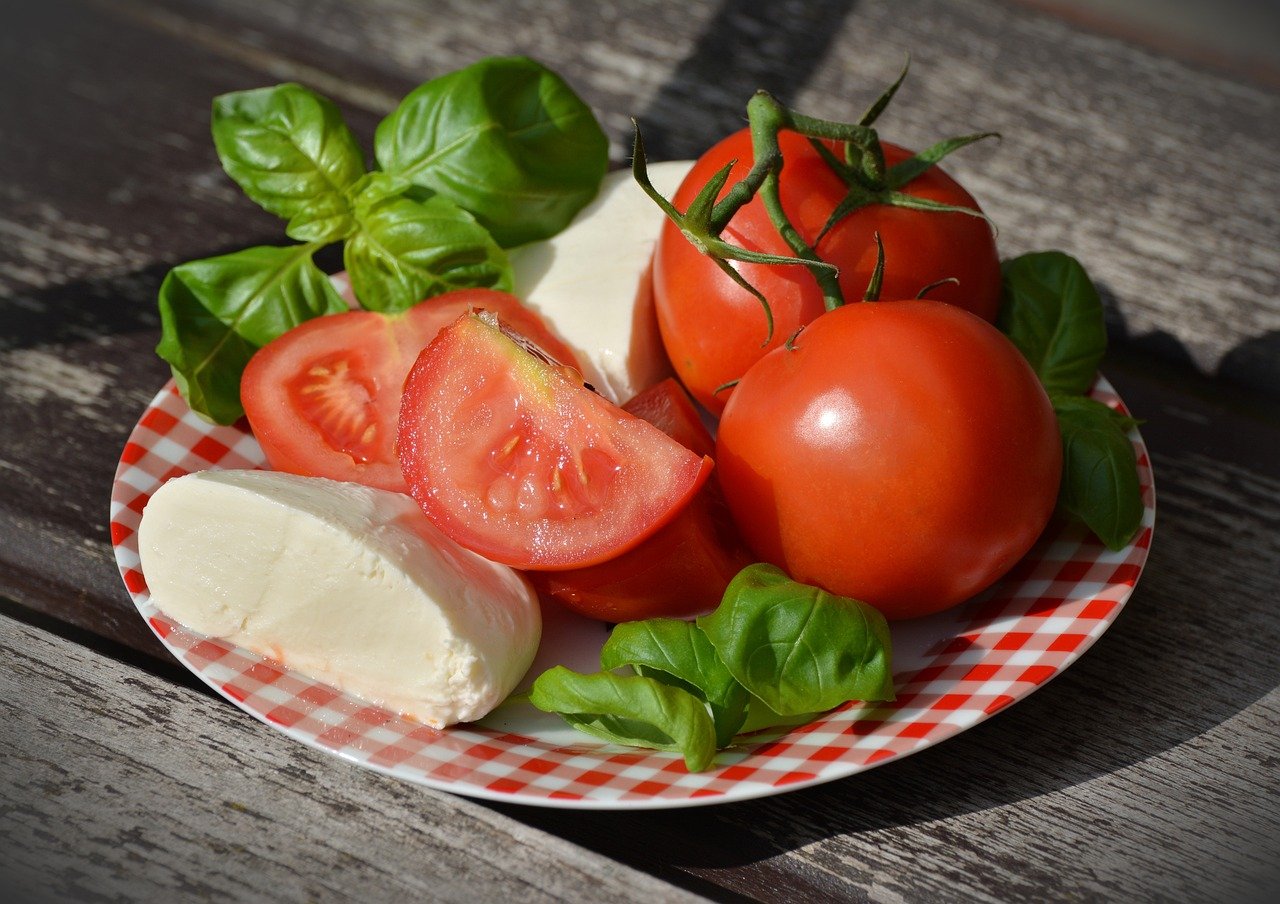
    Healthy Snacking for Weight Loss

    A well-balanced snack should contain a mix of carbohydrates, protein, and healthy fats to keep you feeling satisfied until your next meal. Carbohydrates provide energy, protein helps build and repair tissues, and fats support satiety and nutrient absorption.

    For example, pairing apple slices with almond butter or Greek yogurt with berries and a sprinkle of nuts can create a satisfying and nutritious snack that covers all three macronutrients.

    Hydration

    Sometimes, feelings of hunger can actually be mistaken for dehydration. Therefore, staying hydrated throughout the day is essential for managing appetite and preventing overeating.

    Aim to drink plenty of water between meals and snacks. You can also incorporate hydrating foods into your snacks, such as cucumber slices, watermelon cubes, or herbal teas.

    Snack Ideas for Weight Loss

    Healthy Snacking for Weight Loss

    Here are some delicious and nutritious snack ideas to support your weight loss journey:

      • <li”>Veggie sticks (carrots, cucumbers, bell peppers) with hummus

    <li”>Greek yogurt topped with berries and a drizzle of honey

    <li”>Hard-boiled eggs paired with whole-grain crackers

    <li”>Apple slices with almond butter and a sprinkle of cinnamon

    <li”>Cottage cheese with pineapple chunks and a handful of walnuts

    <li”>Air-popped popcorn seasoned with nutritional yeast or herbs

    <li”>Sliced avocado on whole-grain toast with a squeeze of lemon juice

    <li”>Edamame sprinkled with sea salt and chili flakes

    <li”>Trail mix made with mixed nuts, dried fruit, and dark chocolate chips

    <li”>Rice cakes topped with mashed avocado and cherry tomatoes.

    Healthy Snacking Habits

    In addition to choosing nutritious snacks, adopting healthy snacking habits can further support your weight loss journey:

    Plan Ahead

    Planning your snacks ahead of time can help you make better choices and avoid reaching for unhealthy options when hunger strikes. Take a few minutes each week to prepare a list of nutritious snacks and stock up on ingredients.

    Pre-portion snacks into grab-and-go containers or bags, making it easy to make healthy choices even when you’re busy or on the go.

    Listen to Your Body

    Pay attention to your body’s hunger and fullness signals when deciding when and what to snack on. Snacking should be driven by hunger rather than boredom or emotions.

    Before reaching for a snack, take a moment to assess whether you’re truly hungry or if you’re eating out of habit. If you’re not hungry, find other ways to cope with stress or boredom, such as going for a walk or practicing relaxation techniques.

    Choose Whole Foods

    When selecting snacks, prioritize whole, minimally processed foods over highly processed options. Whole foods are typically lower in calories and higher in nutrients, helping you feel satisfied while supporting your overall health.

    Opt for snacks that are as close to their natural state as possible, such as fresh fruits and vegetables, nuts and seeds, and lean protein sources like Greek yogurt or cottage cheese.

    Beyond Body – Your Weight Loss Guide

    Beyond Body for Weight Loss

    Embark on a groundbreaking approach to well-being with Beyond Body, where customized meal and fitness plans are crafted to suit your individual tastes. Experience a 28-day adventure that redefines your relationship with nutritious eating, relishing in wholesome and delectable meals tailored just for you.

    Beyond Body transcends conventional weight loss solutions; it evolves into your personalized ally, guiding you toward a life of vitality and contentment. Ready to kickstart this transformative journey?

    Explore our in-depth Beyond Body review, then click here to take a brief questionnaire and initiate your tailored journey. Plus, access savings of up to 60% off with the exclusive code provided below:

    ribbon
    Beyond Body - 67% Off Discount Code

    Beyond Body - 67% Off Discount Code

    Up to 67% OFF Beyond Body Checkout Code - LARGEST discount on the internet!
    AUTO APPLIED AT CHECKOUT
    SHOW COUPON
    On Going Offer
  • It Works 100% Success It Doesn't
  • Final Words

    In conclusion, snacking smartly can be a game-changer in your weight loss journey. By choosing nutritious options like fruits, veggies, and nuts, you can keep hunger at bay while fueling your body with essential nutrients.

    Remember to listen to your body’s hunger cues and opt for portion control to maintain a healthy balance. With a little planning and creativity, healthy snacking can be both

    enjoyable and effective in achieving your weight loss goals.

    FAQs – Healthy Snacking for Weight Loss

    Which snacks is good for weight loss?

    Looking for snacks that aid in weight loss? Opt for options rich in protein and fiber like almonds, Greek yogurt, or carrot sticks with hummus. These snacks keep you feeling full longer, curbing cravings and helping you consume fewer calories overall.

    Does snacking help lose weight?

    When it comes to weight loss, snacking strategically can be beneficial. Choosing nutritious snacks in between meals can prevent overeating during main meals and keep your metabolism active. Just be mindful of portion sizes and opt for whole, nutrient-dense foods to support your weight loss journey.

    What is the healthiest snack?

    In the realm of healthy snacking, fruits and vegetables steal the spotlight. They’re packed with vitamins, minerals, and antioxidants, making them an excellent choice for snacking. Reach for options like apples, berries, cucumber slices, or cherry tomatoes for a satisfying snack that nourishes your body without adding excess calories.
    The Link Between Blood Sugar Levels and Weight Loss

    The Link Between Blood Sugar Levels and Weight Loss

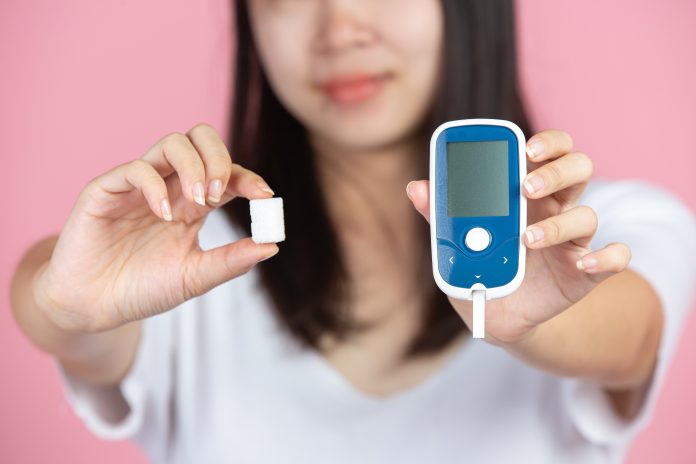
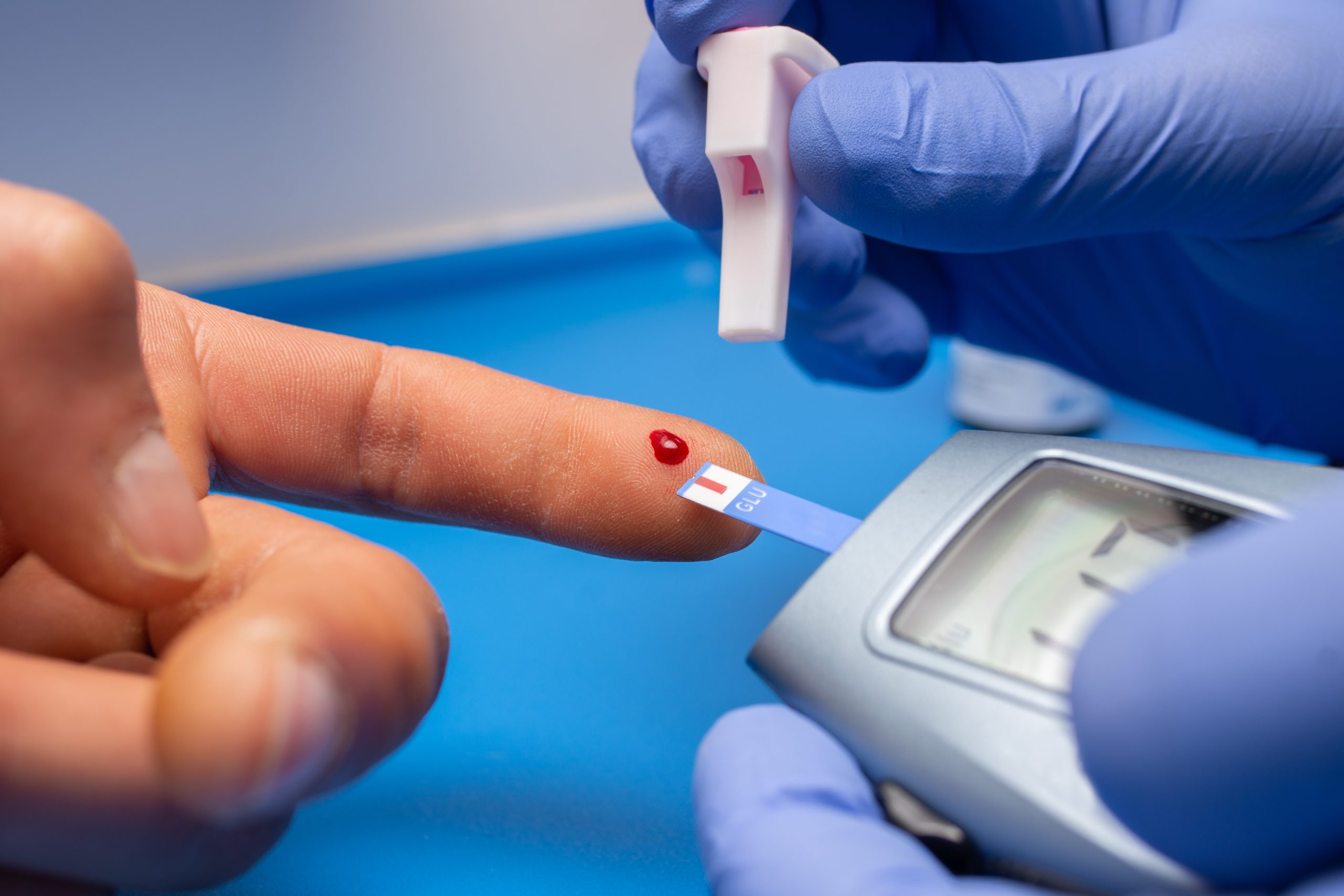
    Ever wondered why managing your blood sugar levels is crucial for shedding those extra pounds? Well, let’s unravel the mystery behind it. The Link Between Blood Sugar Levels and Weight Loss is fascinating and worth exploring.

    Understanding how what we eat affects our blood sugar can be a game-changer in our weight loss journey. So, buckle up as we dive into the science behind this intriguing connection, and discover how it can help you achieve your health goals.

    The Basics of Blood Sugar

    The Link Between Blood Sugar Levels and Weight Loss

    At the core of this connection lies the concept of blood sugar, or glucose, which serves as the primary source of energy for the body’s cells. Whenever we consume carbohydrates, whether from grains, fruits, or starchy vegetables, they are broken down into glucose during digestion. This glucose then enters the bloodstream, causing blood sugar levels to rise.

    Blood Sugar Regulation and Weight Management

    Maintaining stable blood sugar levels is crucial for overall health and plays a significant role in weight management. When blood sugar levels spike rapidly due to the consumption of high-glycemic carbohydrates or sugary foods, the body responds by releasing insulin, a hormone produced by the pancreas.

    Insulin helps transport glucose from the bloodstream into cells, where it can be used for energy or stored for later use.

    However, frequent spikes and subsequent crashes in blood sugar levels can disrupt this delicate balance, leading to increased hunger, cravings, and overeating. These fluctuations in blood sugar can sabotage weight loss efforts by promoting excessive calorie consumption and interfering with the body’s ability to burn stored fat for energy.

    If you want to lose weight, you can try out Beyond Body. You may ask, “What is Beyond Body?” For that, you can read our Beyond Body review. Check the code below to get up to 60% off.

    ribbon
    Beyond Body - 67% Off Discount Code

    Beyond Body - 67% Off Discount Code

    Up to 67% OFF Beyond Body Checkout Code - LARGEST discount on the internet!
    AUTO APPLIED AT CHECKOUT
    SHOW COUPON
    On Going Offer
  • It Works 100% Success It Doesn't
  • The Role of Insulin in Fat Storage

    The Link Between Blood Sugar Levels and Weight Loss

    Beyond its role in blood sugar regulation, insulin also plays a crucial role in fat storage. When blood sugar levels are elevated, particularly in response to a high-carbohydrate meal or snack, the body releases insulin to facilitate the uptake of glucose into cells.

    However, excess glucose that is not immediately needed for energy is converted into fat and stored in adipose tissue for future use.

    In essence, insulin acts as a “storage hormone,” signaling cells to absorb glucose and store it as fat. Consequently, chronically elevated insulin levels, often resulting from a diet high in refined carbohydrates and added sugars, can promote weight gain and hinder weight loss efforts.

    Impact of High Blood Sugar on Metabolism

    Persistent elevation of blood sugar levels can lead to insulin resistance, where the body becomes less responsive to insulin. This triggers increased insulin production, creating a cycle of resistance and elevated insulin levels.

    Insulin resistance impairs blood sugar regulation and interferes with fat breakdown, making weight loss challenging. It’s closely linked to metabolic syndrome, raising the risk of type 2 diabetes and heart disease. Addressing blood sugar regulation is crucial for weight loss and overall metabolic health.

    Strategies for Balancing Blood Sugar and Promoting Weight Loss

    The Link Between Blood Sugar Levels and Weight Loss

    Achieving and maintaining optimal blood sugar levels is a key component of successful weight loss. Fortunately, there are several strategies that individuals can implement to support blood sugar regulation and facilitate weight loss:

    Focus on Whole, Nutrient-Dense Foods

    Incorporate a variety of whole foods into your diet, including fruits, vegetables, lean proteins, and healthy fats. These nutrient-dense foods provide essential vitamins, minerals, and antioxidants while supplying a steady source of energy without causing rapid spikes in blood sugar.

    Limit Refined Carbohydrates and Added Sugars

    Minimize your intake of refined carbohydrates, such as white bread, pasta, and pastries, as well as sugary beverages and snacks. These highly processed foods can cause sharp increases in blood sugar levels and contribute to weight gain over time.

    Choose Low-Glycemic Index Foods

    Opt for foods with a low glycemic index (GI), which is less likely to cause rapid fluctuations in blood sugar levels. Examples of low-GI foods include whole grains, legumes, nuts, and non-starchy vegetables.

    Eat Balanced Meals and Snacks

    Aim to balance your meals and snacks with a combination of carbohydrates, protein, and healthy fats. This macronutrient balance can help slow the absorption of glucose into the bloodstream and promote satiety, reducing the likelihood of overeating.

    Wanna know what to eat during weight loss, you can read our article “Tips for Eating Out While Losing Weight”.

    Stay Hydrated

    Drink plenty of water throughout the day to stay hydrated and support optimal metabolic function. Dehydration can exacerbate fluctuations in blood sugar levels and increase feelings of hunger and fatigue.

    Engage in Regular Physical Activity

    Incorporate regular exercise into your routine to improve insulin sensitivity, promote fat burning, and support overall metabolic health. Aim for a combination of aerobic exercise, strength training, and flexibility exercises for optimal results.

    Manage Stress and Prioritize Sleep

    Practice stress-reduction techniques such as meditation, yoga, or deep breathing exercises to lower cortisol levels and promote better blood sugar control. Additionally, prioritize adequate sleep to support overall metabolic function and regulate appetite hormones.

    Beyond Body – The Definitive Guide to Shedding Pounds

    Beyond Body for Weight Loss

    Embark on a groundbreaking approach to well-being with Beyond Body, where customized meal and fitness plans are crafted to suit your individual tastes. Experience a 28-day adventure that redefines your relationship with nutritious eating, relishing in wholesome and delectable meals tailored just for you.

    Beyond Body transcends conventional weight loss solutions; it evolves into your personalized ally, guiding you toward a life of vitality and contentment. Ready to kickstart this transformative journey?

    Explore our in-depth Beyond Body review, then tap here to take a brief questionnaire and initiate your tailored journey. Plus, access savings of up to 60% off with the exclusive code provided below:

    ribbon
    Beyond Body - 67% Off Discount Code

    Beyond Body - 67% Off Discount Code

    Up to 67% OFF Beyond Body Checkout Code - LARGEST discount on the internet!
    AUTO APPLIED AT CHECKOUT
    SHOW COUPON
    On Going Offer
  • It Works 100% Success It Doesn't
  • Final Words

    In conclusion, understanding the connection between blood sugar levels and weight loss is crucial for effective management. By maintaining stable blood sugar levels through balanced eating habits and regular physical activity, individuals can support their weight loss journey.

    This balance helps regulate hunger, energy levels, and metabolism, contributing to sustainable and healthy weight management. Making small, consistent changes to lifestyle habits can lead to long-term success in achieving weight loss goals.

    FAQs on the Link Between Blood Sugar Levels and Weight Loss

    Does blood sugar level affect weight loss?

    Blood sugar levels do play a role in weight loss. When blood sugar levels are stable, it’s easier for the body to burn fat. High blood sugar levels can hinder weight loss efforts by promoting fat storage instead of burning it for energy.

    How do you feel when your blood sugar is too high?

    When blood sugar is too high, you might feel tired, thirsty, and have blurred vision. You might also experience frequent urination and feel irritable or anxious. It’s essential to monitor blood sugar levels regularly to maintain overall health.

    How does sugar affect weight loss?

    Sugar can affect weight loss by causing spikes in blood sugar levels, leading to increased cravings and overeating. Consuming too much sugar can also lead to insulin resistance, making it harder for the body to use stored fat for energy, ultimately hindering weight loss efforts. It’s crucial to limit sugar intake for effective weight management.

    Understanding and Overcoming Emotional Eating Habits

    Beyond Body: Transforming Health One Custom Plan at a Time

    Ever find yourself reaching for a snack when you’re feeling down or stressed? You’re not alone. Emotional eating, the act of turning to food for comfort rather than hunger, is a common habit that many people struggle with.

    But fear not! In this guide, we’ll delve into the world of Understanding and Overcoming Emotional Eating Habits. Together, we’ll explore why we do it, how it affects us, and most importantly, strategies to break free from this cycle. So, if you’re ready to take control of your relationship with food and your emotions, let’s dive in!

    Exploring Emotional Triggers

    Understanding and Overcoming Emotional Eating Habits

    Emotional eating is often triggered by a wide range of emotions, each serving as a signal for the urge to eat. Stress, one of the most common triggers, can lead individuals to seek comfort in food as a means of coping with overwhelming feelings.

    Similarly, feelings of sadness or loneliness may prompt individuals to turn to food for solace and distraction. Conversely, moments of happiness or celebration may also trigger the desire to indulge in food as a form of reward or self-gratification.

    Understanding these emotional triggers is crucial for gaining insight into the underlying reasons behind the urge to eat in response to different emotions.

    Is Emotional Eating an Eating Disorder?

    Emotional eating by itself isn’t an eating disorder. However, it can show that someone might have problems with how they eat, which could lead to an eating disorder.

    Some signs of having problems with eating include:

    • Being really strict about what foods you eat.
    • Thinking of foods as “good” or “bad.”
    • Going on diets a lot or not eating enough.
    • Eating because of emotions instead of hunger.
    • Not eating at regular times.
    • Thinking a lot about food, which makes it hard to focus on other things.
    • Feeling bad or ashamed after eating certain foods.
    • The Academy of Nutrition and Dietetics says that when someone’s eating habits fit certain criteria, they might have an eating disorder. Many people have eating problems but don’t have an eating disorder.

    You don’t need to have an eating disorder to ask for help. Everyone should have a healthy relationship with food. If you think you have problems with eating, talk to a mental health expert or a dietitian.

    If you want to lose weight, you can try out Beyond Body. You may ask, “What is Beyond Body?” For that, you can read our Beyond Body review. Check the code below to get up to 60% off.

    ribbon
    Beyond Body - 67% Off Discount Code

    Beyond Body - 67% Off Discount Code

    Up to 67% OFF Beyond Body Checkout Code - LARGEST discount on the internet!
    AUTO APPLIED AT CHECKOUT
    SHOW COUPON
    On Going Offer
  • It Works 100% Success It Doesn't
  • The Role of Mindfulness

    Understanding and Overcoming Emotional Eating Habits

    Mindfulness plays a significant role in combating emotional eating habits by increasing awareness of thoughts, feelings, and bodily sensations. By practicing mindfulness, individuals can learn to recognize the urge to eat in response to emotions and distinguish between physical hunger and emotional hunger.

    Mindful eating involves paying close attention to the sensory experience of eating, such as the taste, texture, and aroma of food, which can enhance satisfaction and reduce the tendency to overeat.

    By being fully present in the moment during meals, individuals can make more conscious choices about what and how much they eat, leading to greater satisfaction and enjoyment of food.

    For more information, you can read our article “The Connection Between Stress and Weight Gain”.

    Building Emotional Resilience

    Developing emotional resilience is essential for breaking free from the cycle of emotional eating. Emotional resilience refers to the ability to bounce back from adversity and effectively cope with stress and negative emotions.

    Building emotional resilience involves cultivating healthy coping mechanisms for managing stress and emotions without turning to food for comfort.

    Engaging in activities such as exercise, meditation, journaling, or spending time with supportive friends and family can help individuals develop resilience and strengthen their emotional well-being.

    Addressing Underlying Issues

    Understanding and Overcoming Emotional Eating Habits

    Emotional eating often masks underlying psychological or emotional issues that may require professional intervention. Therapy can provide individuals with the tools and support needed to explore and address the root causes of their emotional eating habits.

    By working through issues such as trauma, low self-esteem, or relationship problems, individuals can develop healthier ways of coping and reduce reliance on food for emotional comfort.

    Addressing underlying issues is essential for long-term success in overcoming emotional eating habits and establishing a healthier relationship with food and emotions.

    Creating a Supportive Environment

    Creating a supportive environment is crucial for overcoming emotional eating habits. This may involve enlisting the support of friends, family members, or support groups who understand the challenges and can offer encouragement and accountability.

    Additionally, creating a home environment conducive to healthy eating, such as keeping nutritious foods readily available and minimizing access to tempting snacks, can help reinforce positive habits and reduce the temptation to engage in emotional eating.

    Surrounding oneself with a supportive environment can significantly aid in the journey towards overcoming emotional eating and establishing healthier habits.

    Developing Healthy Coping Strategies

    Understanding and Overcoming Emotional Eating Habits

    Learning alternative coping strategies is essential for breaking the cycle of emotional eating. Instead of turning to food for comfort, individuals can explore activities that provide genuine emotional nourishment, such as practicing self-care, pursuing hobbies, or seeking professional help when needed.

    Developing a toolbox of healthy coping mechanisms empowers individuals to manage emotions effectively without resorting to overeating.

    By experimenting with different coping strategies and finding what works best for them, individuals can gradually reduce their reliance on food for emotional comfort and establish healthier habits for managing stress and emotions.

    If you wanna know more about healthy eating you can read our article “Tips for Eating Out While Losing Weight”.

    Practicing Self-Compassion

    Practicing self-compassion is crucial in overcoming emotional eating habits. It involves treating oneself with kindness and understanding rather than self-criticism. Acknowledging that emotional eating is a common struggle and refraining from judgment allows individuals to approach setbacks with self-compassion and resilience.

    By cultivating a positive and forgiving attitude towards oneself, individuals can break free from the cycle of shame and guilt associated with emotional eating. Practicing self-compassion fosters a sense of acceptance and self-worth, empowering individuals to make positive changes in their lives and develop healthier relationships with food and emotions.

    Beyond Body – The Ultimate Weight Loss Guide

    Beyond Body for Weight Loss

    Embark on a groundbreaking approach to well-being with Beyond Body, where customized meal and fitness plans are crafted to suit your individual tastes. Experience a 28-day adventure that redefines your relationship with nutritious eating, relishing in wholesome and delectable meals tailored just for you.

    Beyond Body transcends conventional weight loss solutions; it evolves into your personalized ally, guiding you toward a life of vitality and contentment. Ready to kickstart this transformative journey?

    Explore our in-depth Beyond Body review, then click here to take a brief questionnaire and initiate your tailored journey. Plus, access savings of up to 60% off with the exclusive code provided below:

    ribbon
    Beyond Body - 67% Off Discount Code

    Beyond Body - 67% Off Discount Code

    Up to 67% OFF Beyond Body Checkout Code - LARGEST discount on the internet!
    AUTO APPLIED AT CHECKOUT
    SHOW COUPON
    On Going Offer
  • It Works 100% Success It Doesn't
  • Final Words

    In conclusion, understanding emotional eating habits is the first step towards overcoming them. By recognizing triggers, practicing mindfulness, and seeking support when needed, individuals can regain control over their eating habits and emotional well-being.

    Remember, it’s a journey, and every small step counts towards a healthier relationship with food and emotions.

    FAQs on Getting Rid of Emotional Eating Habits

    What is the connection between eating and emotions?

    The connection between eating and emotions is profound and often overlooked. Our emotions can strongly influence our food choices, leading us to seek comfort or distraction through eating. When we feel happy, sad, stressed, or anxious, our brain chemistry changes, affecting our appetite and cravings.

    What is the relationship between stress and eating habits?

    Stress and eating habits often have a complex relationship. For some, stress can lead to overeating as a coping mechanism, while for others, it may suppress appetite. Additionally, stress can alter food preferences, often leading to a craving for high-calorie, comfort foods. Understanding this relationship can help in developing healthier coping strategies.

    How do emotional factors affect eating habits?

    Emotional factors can significantly impact eating habits by influencing what, when, and how much we eat. When we’re feeling stressed, lonely, or bored, we may turn to food for comfort or distraction, leading to emotional eating.

    These factors can override feelings of hunger or fullness, contributing to unhealthy eating patterns and weight gain. Recognizing and addressing these emotional triggers is key to developing a balanced relationship with food.

    The Connection Between Stress and Weight Gain

    The Connection Between Stress and Weight Gain

    Ever notice how stress can sometimes feel like it’s weighing you down? Well, turns out, there’s a real link between stress and weight gain. It’s like they’re best buds but in a not-so-great way. Stress can mess with your body in all sorts of sneaky ways, and one of them is messing with your weight.

    So, if you’ve been feeling the pressure and noticing your pants getting a bit snugger, don’t worry, you’re not alone. Let’s dive into the fascinating connection between stress and weight gain and see what we can uncover!

    Understanding Cortisol

    The Connection Between Stress and Weight Gain

    At the heart of the stress-weight gain connection lies cortisol, often dubbed the “stress hormone.” Produced by the adrenal glands, cortisol plays a pivotal role in our body’s fight-or-flight response.

    When faced with a stressful situation, cortisol floods our system, priming us for action. However, prolonged stress can lead to chronic elevation of cortisol levels, triggering a cascade of physiological changes that influence our weight.

    If you want to lose weight, you can try out Beyond Body. You may ask, “What is Beyond Body?” For that, you can read our Beyond Body review. Check the code below to get up to 60% off.

    ribbon
    Beyond Body - 67% Off Discount Code

    Beyond Body - 67% Off Discount Code

    Up to 67% OFF Beyond Body Checkout Code - LARGEST discount on the internet!
    AUTO APPLIED AT CHECKOUT
    SHOW COUPON
    On Going Offer
  • It Works 100% Success It Doesn't
  • The Vicious Cycle: Stress, Cravings, and Overeating

    One of the most notable effects of elevated cortisol levels is its impact on appetite regulation. Studies have shown that chronic stress can disrupt the delicate balance of hormones responsible for signaling hunger and satiety, leading to increased cravings, particularly for high-fat, sugary foods.

    This phenomenon, often referred to as “stress eating,” can create a vicious cycle wherein stress triggers overeating, further exacerbating weight gain and compounding stress levels.

    How Stress Alters Fat Distribution

    Beyond influencing our eating behaviors, cortisol also plays a role in fat distribution within the body. Research suggests that chronic stress can promote the accumulation of visceral fat—the deep abdominal fat that surrounds vital organs.

    Unlike subcutaneous fat, which lies just beneath the skin, visceral fat is metabolically active and has been linked to a host of health issues, including insulin resistance, type 2 diabetes, and cardiovascular disease. Thus, stress-induced alterations in fat distribution can have profound implications for overall health and well-being.

    A Silent Culprit in the Stress-Weight Gain Cycle


    The Connection Between Stress and Weight Gain

    In the modern age, where screens glow well into the night and sleep takes a backseat to productivity, sleep deprivation has emerged as a silent accomplice in the stress-weight gain cycle. Chronic stress can disrupt sleep patterns, leading to decreased sleep duration and quality.

    In turn, inadequate sleep can further exacerbate stress levels and disrupt hormonal balance, contributing to weight gain. The intricate interplay between stress, sleep, and weight underscores the importance of prioritizing restorative sleep as a cornerstone of health and weight management.

    The Role of Psychological Factors

    While the physiological mechanisms linking stress and weight gain are well-documented, the role of psychological factors should not be overlooked. For many individuals, stress serves as a trigger for emotional eating—a coping mechanism employed to soothe negative emotions and alleviate stress.

    Moreover, stress can undermine motivation and self-regulatory behaviors, making it more challenging to adhere to healthy lifestyle habits such as regular exercise and mindful eating.

    By addressing the underlying psychological drivers of stress-induced weight gain, individuals can cultivate resilience and adopt more adaptive coping strategies.

    Strategies for Stress Management and Weight Control

    Despite the intricate interplay between stress and weight gain, breaking free from this cycle is not an insurmountable task. By implementing effective stress management strategies, individuals can mitigate the physiological and psychological impacts of stress while fostering a healthier relationship with food and weight.

    Mindfulness practices, such as meditation and deep breathing exercises, have been shown to reduce stress levels and promote self-awareness, enabling individuals to respond to stressors with greater equanimity.

    Additionally, engaging in regular physical activity can help buffer the effects of stress on the body, enhancing mood, and supporting weight management efforts.

    Embracing a Balanced Lifestyle Approach

    The Connection Between Stress and Weight Gain

    Ultimately, addressing the connection between stress and weight gain requires a holistic approach that encompasses not only physical health but also emotional well-being and social support.

    By nurturing healthy relationships, prioritizing self-care, and fostering resilience in the face of adversity, individuals can cultivate a balanced lifestyle that promotes both mental and physical flourishing.

    By acknowledging the complex interplay between stress and weight gain and adopting proactive strategies for managing stress and supporting weight control, individuals can reclaim agency over their health and well-being, embarking on a journey toward greater vitality and vitality.

    The Gut-Brain Axis

    Recent research has unveiled the intricate communication network known as the gut-brain axis, which highlights the bidirectional relationship between the gastrointestinal tract and the central nervous system.

    Emerging evidence suggests that stress can disrupt this delicate balance, altering gut microbiota composition and compromising intestinal barrier function. These disruptions can contribute to inflammation and metabolic dysfunction, further exacerbating weight gain.

    By nurturing gut health through dietary modifications, probiotics, and stress-reduction techniques, individuals can support a harmonious gut-brain axis and promote overall well-being.

    Social Support

    The Connection Between Stress and Weight Gain

    Amidst the hustle and bustle of modern life, the importance of social support cannot be overstated. Strong social connections have been shown to buffer the effects of stress, providing emotional reassurance and practical assistance during challenging times.

    Conversely, social isolation and loneliness can amplify the physiological stress response, increasing the risk of weight gain and associated health issues.

    By cultivating meaningful relationships and fostering a supportive social network, individuals can enhance resilience and mitigate the impact of stress on both mental and physical health.

    Mindful Eating

    In a culture dominated by convenience foods and hectic schedules, mindful eating offers a powerful antidote to stress-induced overeating. By bringing awareness to the present moment and savoring each bite, individuals can cultivate a deeper connection with their food and body.

    Mindful eating practices encourage attentive eating, allowing individuals to tune into hunger and satiety cues, and make informed choices about when, what, and how much to eat.

    By approaching meals with curiosity and non-judgmental awareness, individuals can foster a more balanced relationship with food, supporting both weight management and overall well-being.

    If you wanna know what to eat during weight loss you can check out our article “Tips for Eating Out While Losing Weight”.

    Beyond Body – Your Ultimate Weight Loss Guide

    Beyond Body for Weight Loss

    Beyond Body stands out due to its personalized approach to nutrition and fitness, tailoring meal and exercise plans to your preferences and needs. The 28-day meal plan not only promotes healthy eating but also makes it enjoyable, ensuring you savor delicious meals while prioritizing your well-being.

    Beyond Body goes beyond mere weight loss, acting as a supportive companion on your journey to a healthier and happier life.

    If you’re interested, check out our comprehensive Beyond Body review. Take the brief quiz to embark on your personalized health journey and unlock exclusive savings of up to 60% off using the code provided below:

    ribbon
    Beyond Body - 67% Off Discount Code

    Beyond Body - 67% Off Discount Code

    Up to 67% OFF Beyond Body Checkout Code - LARGEST discount on the internet!
    AUTO APPLIED AT CHECKOUT
    SHOW COUPON
    On Going Offer
  • It Works 100% Success It Doesn't
  • Wrap-Up

    In sum, it’s clear that stress and weight gain often go hand in hand. When stress hits, our bodies can react by craving comfort foods and storing fat.

    However understanding this link empowers us to make healthier choices and find effective ways to manage stress, which can ultimately lead to better overall well-being. By prioritizing stress management alongside other healthy habits, we can strive for a balanced and happier life.

    FAQs on the Connection Between Stress and Weight Gain

    How does stress cause weight gain?

    Stress can lead to weight gain through various pathways. When stressed, the body releases cortisol, a hormone that can increase appetite and lead to overeating. Additionally, stress may result in poor dietary choices, such as reaching for comfort foods high in sugar and fat.

    Moreover, stress can disrupt sleep patterns, which in turn affects metabolism and contributes to weight gain.

    How can I lose weight due to stress?

    To combat weight gain caused by stress, focusing on stress management techniques is essential. Engaging in regular exercise not only helps to burn calories but also reduces stress levels.

    Incorporating mindfulness practices like meditation or yoga can help to alleviate stress and promote healthier eating habits. Seeking support from friends, family, or a therapist can also provide coping strategies for managing stress-related weight gain.

    What type of body fat is stress?

    Stress-induced body fat tends to accumulate around the abdomen, leading to what is commonly referred to as visceral fat. This type of fat is considered more harmful than subcutaneous fat, which is found just beneath the skin.

    Visceral fat is associated with an increased risk of various health issues, including heart disease, diabetes, and metabolic syndrome. Managing stress levels through lifestyle changes and relaxation techniques can help reduce the accumulation of visceral fat.

    Understanding and Managing DOMS (Delayed Onset Muscle Soreness)

    Understanding and Managing DOMS (Delayed Onset Muscle Soreness)
    Understanding and Managing DOMS (Delayed Onset Muscle Soreness)

    Ever pushed yourself in a workout and later felt like your muscles decided to throw a surprise party without inviting you? Well, that’s DOMS – Delayed Onset Muscle Soreness – giving you a not-so-welcome hello.

    But fret not! In this friendly chat, we’ll unravel the mysteries of DOMS and learn how to be the boss of those achy muscles. So, buckle up as we dive into the world of Understanding and Managing DOMS (Delayed Onset Muscle Soreness). Let’s turn those post-workout woes into a tale of triumph!

    The Science Behind DOMS

    Understanding and Managing DOMS (Delayed Onset Muscle Soreness)

    DOMS is a complex physiological response that occurs when muscles are exposed to unfamiliar or intense activities. Contrary to popular belief, it is not solely caused by the buildup of lactic acid, but rather by microscopic damage to muscle fibers and the subsequent inflammatory response.

    Eccentric contractions, where muscles lengthen while under tension, are particularly implicated in DOMS. The stress placed on muscle fibers during eccentric movements triggers inflammation, leading to the characteristic soreness associated with DOMS.

    The Role of Microscopic Muscle Damage

    Engaging in activities that involve eccentric contractions, such as downhill running or resistance training, can result in microscopic tears in muscle fibers.

    This damage initiates an inflammatory response, with the body’s immune system rushing to repair and remodel the affected tissues. This process, while essential for muscle growth and adaptation, is also responsible for the discomfort and soreness associated with DOMS.

    Is DOMS a sign of a ‘good’ workout?

    Some people believe that if you don’t feel very sore after every workout, you’re not getting any fitter. But that’s not true. When you begin a new exercise routine or challenge yourself, you might feel sore. However, as you continue working out, your body gets used to it.

    You might feel less and less sore after each workout, but that doesn’t mean you’re not exercising well or not gaining fitness benefits.

    Individual Variability in DOMS

    Understanding and Managing DOMS (Delayed Onset Muscle Soreness)

    Not everyone experiences DOMS to the same extent, and the severity can vary based on factors such as fitness level, age, and genetics.

    Individuals who are new to a particular type of exercise or those who increase the intensity of their workouts may be more prone to DOMS. Understanding one’s own susceptibility to DOMS is crucial in tailoring a fitness routine that minimizes discomfort without compromising progress.

    Preventing DOMS

    • Drink water: When you exercise, especially in hot weather, drink water before, during, and after. It can help make your muscles less sore.
    • Warm-up: Spend 5 to 10 minutes stretching before you start your workout. Don’t hold the stretches, just move your body gently. Save the still stretches for after you finish.
    • Cool down: After your workout, do 20 minutes of easy cycling or walking. It can make your muscles less sore later. Finish with some slow stretches. They won’t stop muscle soreness, but they can make your joints and muscles more flexible.
    • Take it easy: Don’t push yourself too hard. Increase the difficulty of your workouts gradually. This way, you can get stronger without feeling too sore.

    When to Seek Medical Help

    Muscle soreness after exercise usually doesn’t need a doctor, but it’s essential to pay attention to how you feel. If the pain makes it hard to do your usual activities, the American Council on Sports Medicine suggests seeing a doctor or nurse.

    You should also see a doctor if:

    • Your muscle pain lasts more than a week.
    • Your pee becomes very dark.
    • Your arms or legs swell a lot.

    In rare cases, people with muscle soreness can get a serious condition called compartment syndrome. It causes extreme pain, and if you experience sharp pain, muscle spasms, or numbness after working out, talk to your doctor right away.

    It’s important to listen to your body and seek help if you have unusual symptoms.

    The Role of Active Recovery

    Understanding and Managing DOMS (Delayed Onset Muscle Soreness)

    Contrary to complete rest, engaging in light, low-impact activities during the recovery phase, known as active recovery, can help alleviate DOMS symptoms.

    Activities like walking, swimming, or cycling stimulate blood flow to the muscles without causing additional stress. This increased circulation aids in the removal of metabolic byproducts and promotes faster healing.

    Incorporating Flexibility and Mobility Exercises

    Improving flexibility and mobility can contribute to preventing DOMS by enhancing the muscles’ ability to withstand various types of stress. Including dynamic stretches and mobility exercises in the warm-up routine can prepare the muscles for the specific movements involved in the workout, reducing the risk of microscopic damage.

    The Importance of Adequate Sleep

    In the realm of managing DOMS, the significance of quality sleep should not be overlooked. During sleep, the body undergoes crucial processes for recovery and repair. Adequate rest ensures the release of growth hormone, which plays a vital role in muscle regeneration.

    Establishing a consistent sleep routine, aiming for 7-9 hours per night, can significantly contribute to minimizing the impact of DOMS and promoting overall well-being.

    Mind-Body Techniques for DOMS Management

    Understanding and Managing DOMS (Delayed Onset Muscle Soreness)

    Beyond the physical aspects, incorporating mind-body techniques can also be beneficial in managing DOMS. Practices such as yoga and meditation help reduce stress, which, in turn, can positively impact the body’s inflammatory response.

    Mindfulness techniques promote relaxation and may contribute to a more positive perception of discomfort associated with DOMS. Integrating these practices into a comprehensive fitness routine can foster a holistic approach to overall health and well-being.

    How to Treat DOMS

    The best way to deal with muscle soreness (DOMS) is to give it time to heal. But while waiting, you can try some things to feel better:

    Massage

    A study in 2017 found that getting a massage 24, 48, or 72 hours after a tough workout can make you feel less sore. If a massage after every workout is not possible, you can try massaging yourself on your calves, thighs, buttocks, arms, and shoulders using oil or lotion.

    Foam Rolling

    Using a foam roller right after a workout might also help prevent severe DOMS.

    Topical Pain Relievers

    Some creams with menthol or arnica can be put on the sore area to help with pain. Just follow the instructions on how much and how often to use.

    Cold Bath

    Taking a 10- to 15-minute bath in cold water (50–59°F or 10–15°C) can reduce the degree of DOMS.

    Warm Bath

    If an ice bath sounds too much, try a warm bath or use moist heat wraps to ease the pain and stiffness.

    Anti-Inflammatory Foods

    Some studies suggest that eating specific foods or taking certain supplements might help with DOMS.

    Over-the-Counter Pain Relievers

    Medicines like aspirin or acetaminophen don’t do much to help with DOMS pain, according to research from 2000.

    Remember, everyone’s body is different, so you might need to try a few things to see what works best for you. Always follow the instructions on any products you use.

    Final Words

    In the journey of understanding and managing DOMS, it’s clear that a mix of rest, hydration, and gradual exercise is the key.

    Embracing the discomfort as a sign of progress, rather than a setback, empowers us to conquer our fitness goals. So, remember, a bit of soreness today leads to strength tomorrow. Keep moving, stay hydrated, and embrace the gains!

    FAQs on Understanding and Managing DOMS

    How do you treat delayed onset muscle soreness DOMS?

    When dealing with delayed onset muscle soreness (DOMS), it’s beneficial to take a balanced approach. Rest is crucial, allowing your body time to recover, but gentle movements and light exercises can help improve blood flow and ease the discomfort. Applying ice or heat to the affected area, and staying hydrated, contributes to a faster recovery.

    What is the difference between DOMS and muscle soreness?

    Muscle soreness, in general, is common after exercise, but DOMS is a specific type that kicks in a day or two later. The key difference lies in the timing and intensity.

    Regular muscle soreness usually appears soon after exercise and fades quickly, while DOMS sets in later and can last for several days. Both are signals from your body, telling you it’s adapting to the physical activity.

    What is the principle of DOMS?

    The principle behind delayed onset muscle soreness (DOMS) involves microscopic damage to muscle fibers during strenuous exercise. This leads to inflammation and triggers pain receptors, resulting in the soreness experienced afterward.

    As your body repairs and strengthens the affected muscles, it adapts to handle future challenges, contributing to overall fitness improvement. Understanding this principle can help you appreciate the importance of recovery in your fitness journey.

    walk2 Review: Personalized Weight Loss Product Review

    walk2 Review_ Personalized Weight Loss Product Review

    Get the largest LEGIT code online: 72% OFF + EXTRA 10% OFF with code DYI10.

    ribbon
    walk2 - Save 72% OFF + EXTRA 10% OFF

    walk2 - Save 72% OFF + EXTRA 10% OFF

    72% OFF + EXTRA 10% OFF walk2 - LARGEST discount on the internet!
    DYI10
    SHOW COUPON
    On Going Offer
  • It Works 100% Success It Doesn't

  • DIY Active As seen In About UsWith more than 125,000 happy clients in 70 countries, there’s a buzz around walk2. In this walk2 review, we cover promo codes, main features, pros and cons, testimonials, and much more.
    walk2 Review: Personalized Weight Loss Solution

    More than 125,000 happy clients from 70 countries.

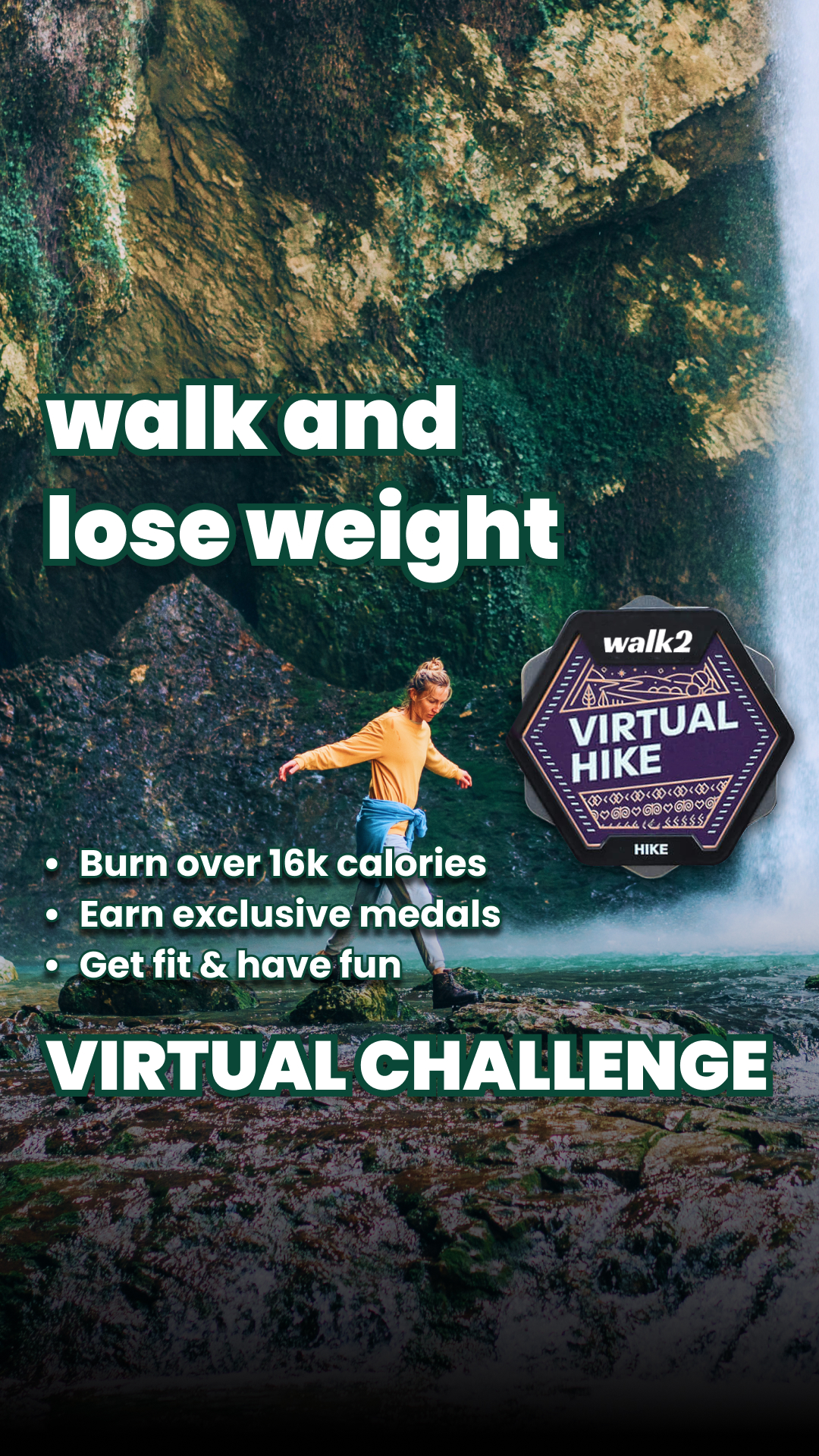
    walk2, an engaging weight loss app, offers virtual walking challenges based on your walk2 quiz answers to get a personalized solution.

    In this walk2 review, let’s dive deep into it and explore what makes it unique and why it should be on your list.

    What is walk2?

    For starters, walk2 is an interactive weight loss app offering virtual walking challenges to famous destinations like Rome, Paris, and more. It’s built to help people who seek reliable methods for optimal weight loss or simply want to become more active.

    This app aims to provide you with all the essentials needed to achieve your fitness goals and start feeling good in your body. It’s ensured by thoroughly prepared and customized walking challenges by top physicians, rheumatologists, and fitness coaches.

    Each walking challenge is truly personalized, as it will be created according to your goals, physical activity level, walking capabilities, and motivation to improve your well-being.

    In that sense, walk2 is like a practical walking companion that makes your fitness journey engaging and leads to effective weight loss results. We get it. Being active can be challenging, but with walk2, you can achieve your goals effortlessly by simply walking!

    How Does walk2 Work?walk2-Review WALK AND LOSE 12

    Upon visiting the website, I was prompted to complete a short quiz to help walk2 determine my personal goals. It asked about my current physical activity levels, what motivates me to change, my walking preferences, and any existing health conditions.

    Once finished, based on my answers, I was given a summary of my current body mass index, metabolic age, and how long it would take to achieve my weight loss goals.

    walk2 suggests a virtual walking challenge most suitable to your goals. But if you feel that the suggested virtual challenge is something you don’t want or aren’t ready to pursue – there is a wide range of other walking challenges for you to explore. From Paris and London or even walk the Camino de Santiago route!

    walk2 offers 50+ walking challenges to famous locations with different lengths, step counts, and estimated calorie burn, ensuring your success towards optimal weight loss and the enjoyment of exploring your favorite destinations.

    On top of that, due to walk2’s personalized, thorough approach, they provide pre-challenge guidelines, post-walk recovery tips & tricks, and a feel-good toolkit to reduce any confusion in your fitness journey and get that motivation boost everyone needs.

    From here, you only need to download the walk2 app on your smartphone and start walking.

    You can start your walking challenge right away by simply popping your phone in your pocket and strolling around the neighborhood. walk2 recommends walking for at least 20 minutes per day to begin with, but it’s up to you when, where, and how long you want to walk.

    Keep reading to discover some of the key features walk2 offers.

    ribbon
    walk2 - Save 72% OFF + EXTRA 10% OFF

    walk2 - Save 72% OFF + EXTRA 10% OFF

    72% OFF + EXTRA 10% OFF walk2 - LARGEST discount on the internet!
    DYI10
    SHOW COUPON
    On Going Offer
  • It Works 100% Success It Doesn't
  • walk2 Review: What Are the Main Features?

    walk2 is the opposite of traditional, one-size-fits-all fitness solutions that require you to make radical changes, sweat in the gym 24/7, and hurry to become a new person.

    walk2’s take on weight loss is more about making it effortless and achievable.

    #1 Detailed progress tracking

    If you’re hoping to reach your fitness goals, tracking is an important part of your success, which walk2 prioritizes.

    walk2 app is super easy to navigate. While you’re out walking, the app will record your step count, distance, and calories burned so you won’t become distracted from the virtual scenery of your chosen challenge. The best part is that walk2 is compatible with Apple Health & Google Fit, which automatically syncs your real-life walks into your virtual walking route.

    And that’s not it! At the end of each walk, walk2 shows you the percentage of the journey you’ve completed, giving you a motivation boost to keep walking toward your goal.

    #2 Multiple exciting walking routes

    walk2 offers more than fifty virtual walking challenges to famous locations. If you feel your current walking challenge isn’t motivating you enough, you can simply switch to another.

    If the streets of ancient Rome are starting to become boring, you can always mix it up with an adventure of exploring the Rocky Mountains.

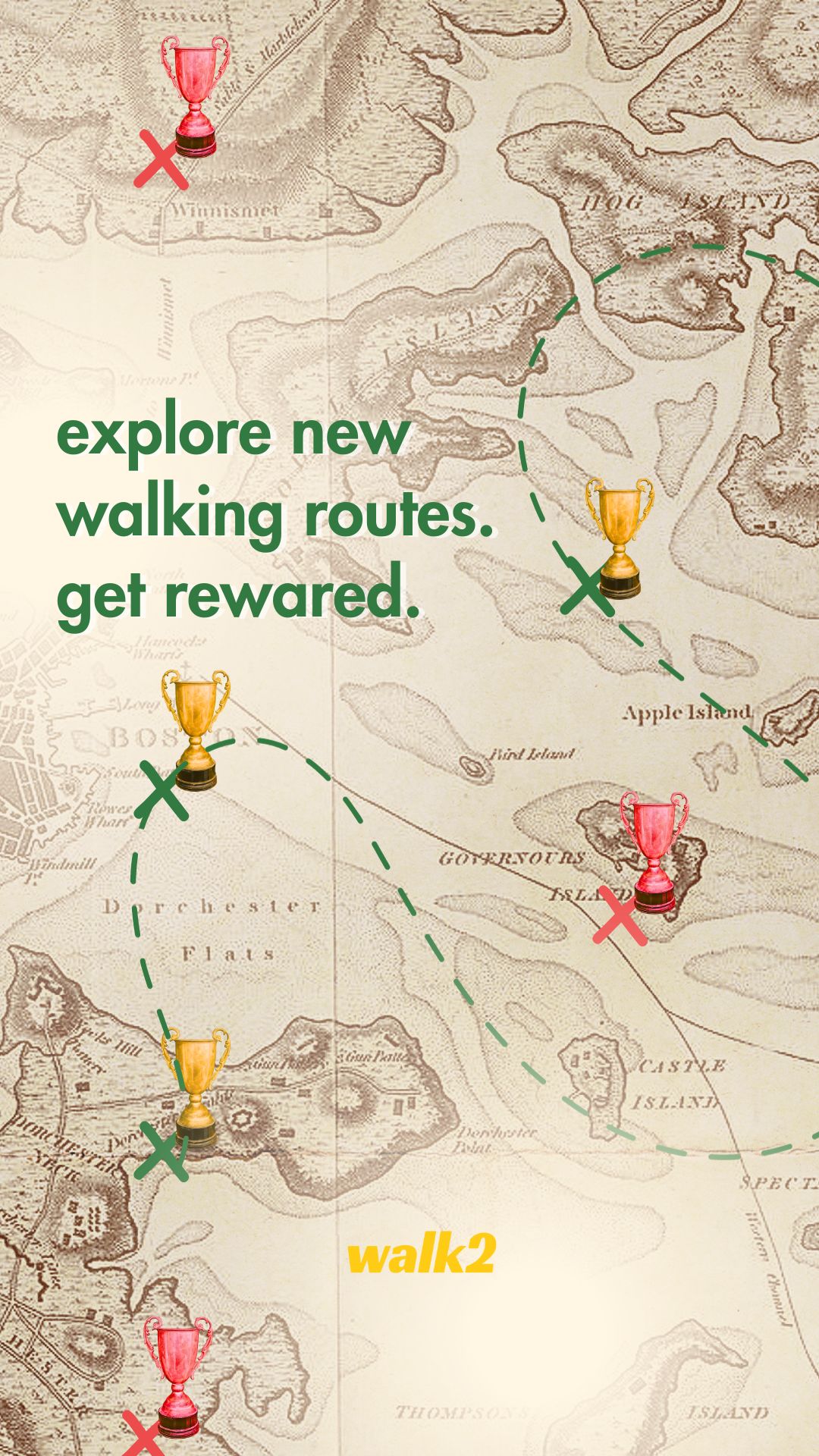
    #3 Rewardswalk2-Review_rewards_map

    I think everyone agrees when I say that celebrating milestones in their fitness journey is as important as the result itself, and walk2 has a great way of motivating you to stick with your goals until the end.

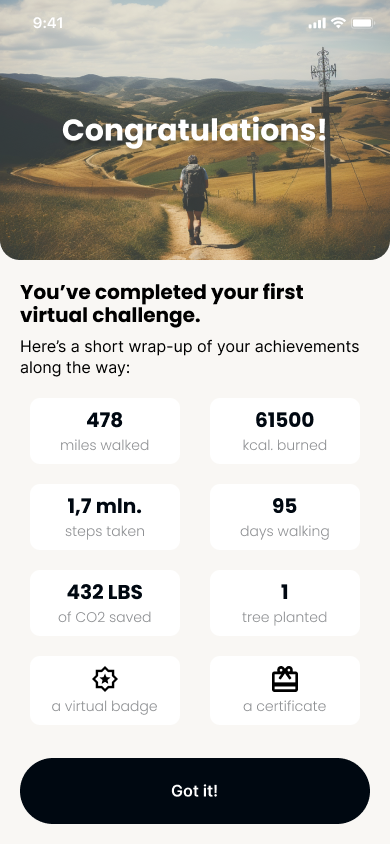
    walk2 uses rewards to improve their users’ motivation. For every challenge completed, you’ll be rewarded with a badge, which every challenge has a series of for you to collect.

    You’ll also get a certificate of completion, which you will receive via email once you’re done with the challenge.

    Lastly, my favorite – walk2, works side-by-side with reforestation projects, meaning they plant a REAL tree after every finished challenge. In partnership with these projects, walk2 helps restore forests, and YOU become a part of this beautiful initiative, too. With more than 125k users, that’s thousands of newly planted trees!

    ribbon
    walk2 - Save 72% OFF + EXTRA 10% OFF

    walk2 - Save 72% OFF + EXTRA 10% OFF

    72% OFF + EXTRA 10% OFF walk2 - LARGEST discount on the internet!
    DYI10
    SHOW COUPON
    On Going Offer
  • It Works 100% Success It Doesn't
  • walk2 Review: What Are the Key Benefits?

    walk2 walking challenges are a great fitness solution for everyone – whether you’re an amateur exerciser or a seasoned walker. Here’s what caught my attention:

    #1 Can help to lose weight

    Using a motivational walking app like walk2 can be a great way of staying fit. Walking is important for weight control because it can help you increase your calorie burn and aid in weight loss.

    walk2 suggests a challenge based on the quiz answers you submit to help you reshape your body.

    Walking is already part of your daily routine, and chances are – you’re quite bored of walking up and down the same streets in your neighborhood. That’s where walk2 engaging walking challenges come in.

    Apart from the interactive challenge, you will also get guidelines to prepare your body and mind for the challenge, learn about post-walk recovery, and stay on course in your fitness journey.

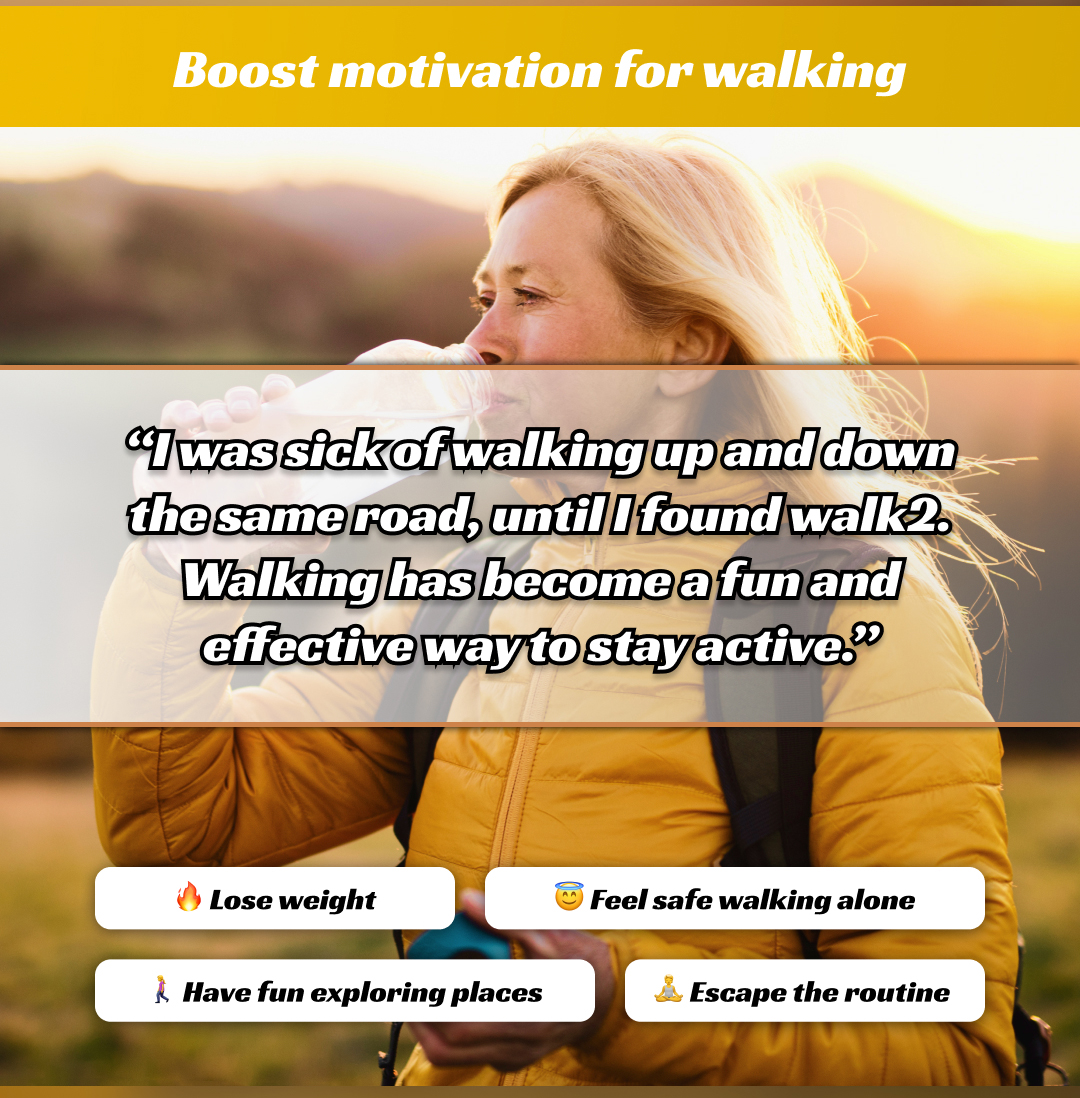
    #2 Boosts motivation

    Motivation plays a key part in your weight loss. According to the walk2 user survey, 91% of their users say that virtual walking challenges and rewards motivate them to walk consistently, which is impressive.

    Badges, certificates, and progress tracking are just a few of the app’s key motivators. Having a constant boost of motivation encourages users to stick with the walking challenge and complete it. Who wouldn’t want to get a real certificate of completion to hang on the wall and boast to your friends and family about?

    There are a few other quantifiable terms, like the miles you have left until the end of the route. This makes progress tracking easier, making you more likely to keep working toward completion.

    #3 Helps to build stamina

    Walking helps to get in better shape and is an excellent way of building up your endurance without putting pressure on your joints through high-intensity exercises, like jogging or working out at the gym.

    Even a brisk 20-minute walk with walk2 is a step toward a fitter you. By potentially increasing your stamina, walking can also help maintain a healthy heart and lower your risk of developing cardiovascular disease.

    #4 It’s a fun way to exercise

    One of the biggest struggles with exercise is that most of the time, it’s not fun. But walk2’s unique approach to walking is really enjoyable. Research shows that those who find exercise fun are more likely to stick to their exercise routines.

    With their engaging walking challenges, you can virtually explore different locations and landmarks and learn interesting facts about the places. It becomes easier to incorporate walking into your daily routine when you know you’ll discover an ancient hidden gem in Rome or get to know what hides in the catacombs in Paris.

    Interested? Click here to take the short quiz and get your personalized walking challenge.

    walk2-Review_Boost_Motivation_1Any Cons of walk2?

    So, what misses the mark with walk2? Here are a few things we noticed:

    • Might not be 100% accurate. While walk2 considers age, gender, and BMI, its burned calorie count may not be very accurate. Connecting to Apple Health or Google Fit can improve the estimate for a more tailored experience.
    • It can drain the phone battery. Like any other app with many features, walk2 can make your battery run out quickly. Make sure your phone is 100% charged before you walk, and let a friend or family member know your route for safety.
    • It’s not a free app. walk2 offers a reasonable subscription plan starting from just $1.96 per week. Remember, the app offers a 30-day money-back guarantee, so users can get a full refund if it’s not working for them.
    ribbon
    walk2 - Save 72% OFF + EXTRA 10% OFF

    walk2 - Save 72% OFF + EXTRA 10% OFF

    72% OFF + EXTRA 10% OFF walk2 - LARGEST discount on the internet!
    DYI10
    SHOW COUPON
    On Going Offer
  • It Works 100% Success It Doesn't
  • Wellness and Sustainabilitywalk2-Review_Chellenge Completed

    Reshaping your body by tiring yourself with workouts that don’t bring lasting results, sweating at the gym, or spending money on overpriced personal trainers might seem like an option when you seek a healthy weight.

    That might sound reasonable for many of us, but somehow, we tend to fail when we need to take decisive action and stay consistent.

    Why is that?

    Since humans are creatures of habit, making even simple changes in our daily routines can be difficult.

    That’s why walk2 is the perfect fitness companion that effortlessly fits into your daily schedule & lifestyle without needing you to make harsh changes.

    It will provide you with meticulously prepared unique walking challenges that will assist you in your weight loss journey while you develop healthier, long-lasting habits.

    walk2 can help you shift to a healthier lifestyle at your own pace and your own time, making the whole process smooth every step of your way.

    Success Stories

    No walk2 review would be complete without some testimonials, right? Well, there have been over 125,000 happy customers in 70 countries worldwide! Here are just a few success stories:

    Jennifer M. went from 220lbs to 180lbs.

    “I wanted to lose weight because one of my doctors had told me I needed to get my healthy lifestyle back on track. It was hard to find the right solution because I have tried so many of them, but none really worked. But now I can say that I’m delighted because I found walk2 and it’s the only app to keep me motivated!”

    Anna B. went from 190lbs to 180lbs.

    “I have type 2 diabetes, and I’ve struggled with my weight for years. Walking with walk2, I’ve actually seen the numbers on the scale drop, and that’s something I never thought I’d say.”

    Get more reviews here.

    How Much Does walk2 Cost?

    walk2 offers a flexible subscription-based plan, and you can choose a subscription plan that works for you.

    1-month subscription – $39.00 ($9.75 per week)
    3-month subscription – $49.99 ($4.17 per week)
    6-month subscription – $59.99 ($2.50 per week)

    BONUS: Get an extra 10% discount on any subscription with the code below.

    ribbon
    walk2 - Save 72% OFF + EXTRA 10% OFF

    walk2 - Save 72% OFF + EXTRA 10% OFF

    72% OFF + EXTRA 10% OFF walk2 - LARGEST discount on the internet!
    DYI10
    SHOW COUPON
    On Going Offer
  • It Works 100% Success It Doesn't
  • All subscriptions include a FREE pre-challenge guidebook, a post-walk recovery guide, and a feel-good toolkit to keep you motivated. Again, if you’re not sure walk2 is for you, you can try it for 30 days and get a full refund.

    Wrap-Up

    While many other weight loss apps fail because they were designed to fit everyone in the same box, the walk2 approach toward fitness is tailored to you and doesn’t require you to change your daily routine completely. It seems common sense to add as little movement as a short walk every day, right?

    One singular formula doesn’t work – but easy and personalized does. Oh, and if it’s fun, that’s even better to grow your motivation constantly.

    So, we encourage you to complete the quiz and decide for yourself if walk2 can help you achieve the results you’re wishing for.

    walk2 is a high-quality app that makes fitness fun, and it’s a safe and effective app that we’d recommend to anyone hoping to lose a bit of weight, build their endurance, or simply increase their activity levels. All the walking challenges are designed to keep users engaged with interesting facts about different landmarks, meaning you’re more likely to keep walking.

    Click here to take a short quiz and start your walk2 journey now! Or grab the code below to save up to 72% OFF!

    ribbon
    walk2 - Save 72% OFF + EXTRA 10% OFF

    walk2 - Save 72% OFF + EXTRA 10% OFF

    72% OFF + EXTRA 10% OFF walk2 - LARGEST discount on the internet!
    DYI10
    SHOW COUPON
    On Going Offer
  • It Works 100% Success It Doesn't
  • The Connection Between Mental Health and Physical Fitness

    The Science Behind Bioma: Optimizing Gut Microbiome

    Ever notice how a good workout can lift your mood? Well, turns out there’s a cool link between keeping fit and staying mentally awesome. We’re diving into the nitty-gritty of “The Connection Between Mental Health and Physical Fitness.”

    It’s like a tag team – your body and mind teaming up for the win. Stick around, we’re about to spill the beans on how breaking a sweat isn’t just for the bodybuilders; it’s a secret weapon for a happier, healthier mind. Let’s get the lowdown on this game-changing duo!

    Understanding Stress and Exercise

    The Connection Between Mental Health and Physical Fitness

    Stress is an inevitable part of modern life, but how we cope with it can make a substantial difference. Regular exercise has proven to be a powerful antidote to stress. Engaging in physical activity stimulates the production of endorphins, commonly known as ‘feel-good’ hormones.

    These endorphins act as natural stress relievers, fostering a positive mood and reducing the overall perception of stress. Whether it’s a brisk walk, a run, or a gym session, incorporating exercise into our routine can be a potent tool for managing stress.

    The Neurochemistry Behind Exercise

    Delving into the realm of neurochemistry, exercise triggers the release of neurotransmitters such as serotonin, dopamine, and norepinephrine. These chemicals play a pivotal role in regulating mood, motivation, and overall mental well-being.

    Serotonin, for instance, is often referred to as the ‘happiness neurotransmitter,’ and its increased production through exercise can contribute to a more stable and positive emotional state. Understanding the neurochemical impact of exercise underscores its significance not only for physical health but also for mental resilience.

    Enhanced Cognitive Function and Memory

    Beyond stress relief, regular physical activity has been linked to improved cognitive function and memory. Exercise increases blood flow to the brain, promoting the growth of new neurons and enhancing overall brain performance.

    Studies suggest that individuals who engage in regular aerobic exercise exhibit better memory retention and cognitive skills compared to their sedentary counterparts.

    This connection highlights the cognitive benefits that accompany a physically active lifestyle, reinforcing the idea that maintaining both mental and physical health is a symbiotic process.

    The Role of Physical Fitness in Mental Health Disorders

    The Connection Between Mental Health and Physical Fitness

    Physical fitness is not solely about preventing ailments but also plays a crucial role in managing and alleviating existing mental health disorders. Conditions such as depression and anxiety often see significant improvements with regular exercise.

    Exercise acts as a natural antidepressant, promoting the release of neurotransmitters that contribute to a more positive mood. Moreover, the sense of accomplishment and improved self-esteem resulting from physical fitness can be instrumental in combating the negative thought patterns associated with mental health disorders.

    Social Connection through Fitness Activities

    Engaging in physical fitness activities often involves social interaction, whether it’s joining a sports team, participating in group classes, or having a workout buddy. Social connections play a vital role in mental well-being, offering support, companionship, and a sense of belonging.

    The camaraderie formed through shared fitness experiences can positively impact mental health by reducing feelings of isolation and fostering a supportive community.

    Sleep Quality and Exercise

    The quality of sleep is closely linked to both mental and physical health. Regular exercise has been shown to improve sleep patterns, contributing to better overall well-being.

    Physical activity helps regulate circadian rhythms and reduces symptoms of insomnia. Adequate and restful sleep, in turn, supports mental resilience, emotional balance, and cognitive functioning. This reciprocal relationship between exercise and sleep emphasizes the holistic nature of maintaining a healthy mind and body.

    The Long-Term Impact on Mental Resilience

    The Connection Between Mental Health and Physical Fitness

    As we age, maintaining mental resilience becomes increasingly important. Physical fitness, with its multifaceted benefits, plays a pivotal role in promoting long-term mental well-being. Regular exercise not only helps prevent age-related cognitive decline but also contributes to a more positive outlook on life.

    The sense of accomplishment derived from staying physically active throughout one’s life can significantly impact mental resilience, creating a foundation for a fulfilling and vibrant later life.

    The Empowerment of Goal Setting

    Embarking on a fitness journey involves setting and achieving goals, whether they are related to weight loss, strength gain, or overall well-being. The process of goal setting and accomplishment extends beyond the physical realm and deeply impacts mental health.

    Achieving fitness milestones instills a sense of empowerment and self-efficacy, fostering a positive mindset. This psychological benefit of goal attainment through physical fitness contributes to improved mental resilience and a greater sense of control over one’s life.

    The Healing Power of Nature

    Engaging in outdoor physical activities, such as hiking, running, or cycling, not only provides a refreshing change of scenery but also harnesses the therapeutic influence of nature. Spending time in natural environments has been linked to reduced stress levels and improved mental well-being.

    The combination of physical activity and exposure to nature creates a synergistic effect, enhancing the overall positive impact on mental health. This underlines the importance of incorporating outdoor activities into fitness routines for a holistic approach to well-being.

    Mindfulness in Motion

    The Connection Between Mental Health and Physical Fitness

    Certain forms of physical activity, such as yoga and tai chi, emphasize mindfulness in motion. These practices not only enhance physical flexibility and strength but also cultivate mental awareness and relaxation.

    The integration of breath with movement in these activities promotes a mind-body connection, reducing stress and anxiety. Incorporating mindfulness into physical fitness routines offers individuals a holistic approach to mental health, encouraging present-moment awareness and a break from the demands of daily life.

    Different Ways to Exercise for Different Likes and Choices

    Recognizing that individuals have diverse preferences when it comes to physical activity is crucial. The fitness landscape offers a myriad of options, including team sports, solo workouts, dance classes, and more.

    Having a variety of choices allows individuals to find activities that align with their interests, making it more likely for them to stick to a consistent fitness routine.

    This element of choice not only enhances physical fitness but also promotes mental well-being by ensuring that individuals engage in activities they find enjoyable and fulfilling.

    Wrap-Up

    In a nutshell, taking care of your mind and body is like having a friendly tag team. When we keep our mental health in check, our physical fitness joins the party, and vice versa.

    It’s a win-win situation – exercise does wonders for the brain, and a healthy mind motivates us to move. So, let’s team up our mental and physical game for a happier, more balanced life!

    FAQs on the Connection Between Mental Health and Physical Fitness

    How are mental health and physical health connected?

    The link between mental and physical health is mutual. Taking care of your body positively affects your mental well-being, and prioritizing mental health contributes to better physical health. It’s a dynamic relationship where each aspect influences the other for overall well-being.

    What is the relationship between health and physical fitness?

    Health and physical fitness are closely tied, like a well-functioning machine and its efficiency. Physical fitness enhances health by improving cardiovascular function, strength, and flexibility, while good health supports physical fitness by providing energy and resilience for activities, creating a symbiotic partnership.

    How mental health and physical health are related to each other?

    Mental and physical health are intricately connected, like interwoven threads. Exercise releases endorphins, improving mental states, while a healthy mind influences lifestyle choices, impacting physical health. Nurturing both mental and physical well-being is crucial for a holistic and thriving existence.

    Nutrient Timing for Maximum Workout Performance

    Vegan Athletes: Meeting Nutritional Needs without Animal Products

    Curious about what to munch on before hitting the gym to get the most out of your workout? Well, buckle up because we’re diving into the world of “Nutrient Timing for Maximum Workout Performance.”

    It’s not rocket science, but knowing when to fuel your body can make a real difference. Get ready to learn the simple secrets of snacking smart and maximizing those gains without any complicated jargon. Let’s break it down in a way that’s as straightforward as a high-five after a killer workout!

    Understanding Nutrient Timing

    Nutrient Timing for Maximum Workout Performance

    Nutrient timing refers to the intentional planning and consumption of specific nutrients at strategic time points in relation to your workout. The primary goal is to enhance exercise performance, promote recovery, and support muscle growth.

    This concept revolves around the principles of when and what to eat in proximity to your training sessions.

    Pre-Workout Nutrition

    Fueling your body adequately before a workout is essential to ensure sustained energy levels and optimal performance. Focus on a combination of carbohydrates and protein about 1-2 hours before exercising.

    Carbohydrates provide the necessary energy, while protein helps in preserving muscle mass. A banana with a scoop of peanut butter or a yogurt parfait with granola are simple yet effective pre-workout options.

    Intra-Workout Nutrition

    Maintaining energy levels during a workout is crucial for sustained performance. Consider incorporating intra-workout nutrition, especially for longer and more intense sessions.

    Easily digestible carbohydrates, electrolytes, and a small amount of protein can be consumed during exercise. This could be in the form of a sports drink, a homemade energy gel, or even a handful of dried fruits and nuts.

    Hydration Matters

    Nutrient Timing for Maximum Workout Performance

    While not directly a nutrient, proper hydration is integral to overall performance. Dehydration can lead to fatigue, cramping, and decreased exercise capacity.

    Ensure that you are well-hydrated throughout the day, especially during your workout. Water is generally sufficient for most workouts, but for more intense sessions, electrolyte-rich drinks can be beneficial.

    Post-Workout Nutrition

    The post-workout period is a critical window for replenishing glycogen stores and initiating muscle recovery. Consume a balanced meal containing both carbohydrates and protein within 30 minutes to an hour after exercising.

    This aids in muscle repair and helps replenish the energy stores depleted during the workout. A chicken and quinoa bowl or a smoothie with fruits and protein powder are excellent post-workout choices.

    Tailoring Nutrient Timing to Your Goals

    Nutrient timing is not a one-size-fits-all approach; it can be tailored based on individual goals and preferences. For those aiming for muscle gain, a slightly higher protein intake post-workout may be beneficial.

    On the other hand, individuals focusing on endurance may prioritize carbohydrate intake before and during their workouts. Understanding your specific needs and adjusting your nutrient timing accordingly can enhance the effectiveness of your training regimen.

    Real-Life Application

    Nutrient Timing for Maximum Workout Performance

    Let’s break down nutrient timing with a real-life example. Sarah, an avid runner, follows a nutrient-timing strategy to improve her performance. Before her morning run, she consumes a small bowl of oatmeal with sliced bananas for a carbohydrate boost.

    During her run, she sips on a homemade energy drink with electrolytes. Post-run, she refuels with a smoothie containing Greek yogurt, berries, and a scoop of protein powder. This personalized approach has significantly improved her endurance and recovery.

    Practical Tips for Nutrient Timing

    • Listen to Your Body: Pay attention to how your body responds to different nutrient timings. Experiment with adjustments and find what works best for you.
    • Plan Ahead: Prepare your pre and post-workout meals or snacks in advance. Having them readily available reduces the likelihood of opting for less nutritious alternatives.
    • Consider Workout Intensity: The intensity and duration of your workout can influence your nutrient needs. Adjust your nutrient timing based on the demands of your exercise routine.
    • Include a Variety of Nutrients: Aim for a balanced intake of carbohydrates, proteins, and fats throughout the day. This supports overall health and ensures a steady supply of energy.
    • Stay Consistent: Consistency is key when it comes to nutrient timing. Stick to a routine that aligns with your workout schedule, allowing your body to adapt and optimize performance over time.

    Avoid Excessive Fat Pre-Workout

    While including healthy fats in your diet is essential, consuming excessive fat right before a workout may lead to discomfort and sluggishness.

    High-fat meals take longer to digest, potentially causing a sense of heaviness during exercise. Opt for a balanced mix of carbohydrates and lean proteins in your pre-workout meal for better energy utilization.

    Adjust Nutrient Timing for Early Morning or Evening Workouts

    Nutrient Timing for Maximum Workout Performance

    The timing of your workout can influence your nutrient needs. For those engaging in early morning exercises, a lighter pre-workout meal may be preferable to prevent discomfort.

    In contrast, individuals working out in the evening might benefit from a more substantial post-workout meal to aid recovery and replenish energy stores for the rest of the day.

    Include Micronutrients for Overall Health

    While macronutrients (carbohydrates, proteins, and fats) play a central role in nutrient timing, micronutrients are equally vital for overall health.

    Ensure your diet includes a variety of fruits, vegetables, and whole grains to provide essential vitamins and minerals. These micronutrients contribute to immune function, bone health, and various physiological processes that support your fitness journey.

    3 Phases of Nutrient Timing

    Energy Phase

    This is when your muscles release energy to work during exercise. Eating carbohydrates at this time helps keep your muscle energy (glycogen) from running out and prevents your blood sugar from dropping too much.

    This helps reduce tiredness. Adding protein to your food during this time makes your muscles work better and also helps in muscle recovery by preventing the rise of cortisol.

    Recovery Phase

    The 45 minutes after a workout is called the recovery phase. This is when your muscles start to repair from the exercise. Your muscle energy stores are also starting to fill up again.

    In this phase, your body becomes more sensitive to insulin at first, but this sensitivity drops quickly. Several hours after exercise, your body can become less sensitive to insulin, which might slow down muscle recovery and repair.

    Growth Phase

    After the recovery phase, the growth phase begins and continues until your next workout. This is when your muscles grow bigger. Your muscle energy stores are fully replenished during this phase.

    Although it may seem like a lot of effort to time your meals, it becomes easier with practice. Plus, there are many benefits to eating at the right times, like better muscle performance and recovery.

    Science-Supported Nutrient Timing Benefits

    Nutrient Timing for Maximum Workout Performance

    • Eating at specific times can help make muscles bigger. A study in 2018 found that having whey protein after doing lower-body exercises helps the thigh muscles grow more.
    • Timing your meals can also help you lose fat. One study discovered that having a mix of carbs and protein before exercising helped burn more fat 30 minutes after the workout ended. Another study said that when you eat can affect how fast your body burns calories.
    • If you want to do better in your workouts, eating at the right times can help. Studies support eating carbs before endurance exercises like running. For weight training, it’s important too. An article in the Journal of Athletic Performance and Nutrition says eating carbs before helps prevent muscle breakdown and helps muscles grow.
    • Some studies even say timing when you take certain things can be more helpful. In 2022, a study looked at when to take things like caffeine, nitrates, and creatine. It found that timing these substances affects how well you perform in exercises and how your body adapts to working out.

    Final Words

    In wrapping up, the timing of what you eat matters when it comes to working out. Make friends with your clock! Eating the right stuff at the right time can boost your exercise game.

    Just remember, it’s like giving your body the right fuel before hitting the road. So, next time you lace up those sneakers, think about when you last fueled up. Your body will thank you with better performance!

    FAQs on Nutrient Timing for Maximum Workout Performance

    What is the nutrition timing for exercise?

    When it comes to exercise, it’s good to fuel up before and after. Eat a balanced meal with carbs and proteins 2-3 hours before your workout. After exercising, grab a snack with protein and carbs within 30 minutes to help muscles recover faster.

    What is nutrient timing for performance?

    Nutrient timing is crucial for performance. Have a snack with carbs and protein 1-2 hours before activity. During, opt for easily digestible snacks like fruit. Post-workout, refuel with protein and carbs to aid muscle repair and replenish energy stores.

    Does nutrient timing matter for athletes?

    Absolutely, nutrient timing is key for athletes. Eating the right foods at the right times can enhance performance and recovery. Pre-exercise meals and snacks, along with post-workout nutrition, play vital roles in supporting an athlete’s overall training and competition goals.

    HIIT vs. LISS: Choosing the Right Cardio for Your Goals

    HIIT vs. LISS: Choosing the Right Cardio for Your Goals

    Curious about the best cardio workout for your goals? Well, today, we’re diving into the world of heart-pumping exercises with a showdown: HIIT vs. LISS. High-Intensity Interval Training (HIIT) and Low-Intensity Steady State (LISS) are like the Batman and Superman of cardio, each with its own superpowers.

    Whether you’re aiming for fat loss, endurance, or overall fitness, understanding the strengths of these workouts is key. So, buckle up as we explore which cardio superhero suits your goals best in this epic battle of HIIT vs. LISS: Choosing the Right Cardio for Your Goals. Let the cardio games begin!

    Understanding HIIT

    HIIT vs. LISS: Choosing the Right Cardio for Your Goals

    High-intensity interval Training, or HIIT, is characterized by short bursts of intense exercise followed by brief rest periods. The main objective is to elevate your heart rate to its maximum during the intense intervals.

    This triggers the afterburn effect, known as excess post-exercise oxygen consumption (EPOC), where your body continues to burn calories post-workout. HIIT workouts are typically shorter in duration but more demanding.

    Advantages of HIIT

    • Efficient Time Usage: HIIT sessions are time-efficient, making them ideal for individuals with busy schedules. A 20-30 minute HIIT workout can yield significant benefits compared to longer, traditional forms of cardio.
    • Fat Loss: HIIT is renowned for its effectiveness in burning fat. The increased calorie burn during and after the workout contributes to fat loss and improved metabolic rate.
    • Cardiovascular Health: HIIT has been linked to enhanced cardiovascular health by improving heart function and reducing risk factors associated with heart diseases.

    Considerations for HIIT

    While HIIT offers numerous benefits, it may not be suitable for everyone. Individuals with certain health conditions or beginners might find HIIT too intense. It’s essential to listen to your body and gradually increase the intensity to avoid injuries.

    Moreover, HIIT may cause higher levels of muscle soreness, which could affect your ability to engage in other activities.

    Understanding LISS

    HIIT vs. LISS: Choosing the Right Cardio for Your Goals

    Low-intensity steady-state cardio, or LISS, involves maintaining a steady, moderate-intensity level of exercise for an extended duration. Examples include brisk walking, cycling, or swimming at a consistent pace. LISS workouts are typically longer, lasting anywhere from 30 minutes to an hour or more.

    Advantages of LISS

    • Sustainable for Beginners: LISS is a more accessible option for beginners or those returning to exercise after a hiatus. The lower intensity reduces the risk of injury and allows individuals to build a solid fitness foundation gradually.
    • Muscle Preservation: Unlike HIIT, which can lead to muscle breakdown, LISS is less likely to compromise muscle mass. It is often a preferred choice for those aiming to preserve muscle while focusing on cardiovascular fitness.
    • Stress Reduction: LISS can be a mindful and relaxing activity. It provides an opportunity for stress reduction and mental well-being, contributing to an overall balanced lifestyle.

    Considerations for LISS

    While LISS is gentle on the body, it may require more time commitment to achieve the desired results. It might not be as effective in burning calories compared to HIIT, making it important to monitor your dietary intake. Additionally, individuals seeking rapid fat loss might find HIIT more suitable due to its higher calorie-burning potential.

    Choosing Based on Goals

    HIIT vs. LISS: Choosing the Right Cardio for Your Goals

    Weight Loss

    If your primary goal is weight loss, HIIT may be more effective due to its ability to burn calories both during and after the workout. However, LISS can still contribute significantly when combined with a well-balanced diet.

    Cardiovascular Endurance

    For those looking to enhance cardiovascular endurance without putting excessive strain on the body, LISS provides a steady and sustainable approach.

    Overall Health and Well-being

    The best choice depends on your overall health and well-being goals. If you enjoy high-intensity workouts and want quick results, HIIT might be your go-to. On the other hand, if you prefer a more relaxed approach and want to prioritize mental health, LISS could be a better fit.

    Incorporating Both

    Recognizing the unique benefits of both HIIT and LISS, some individuals opt for a combination of both in their fitness routines.

    This approach, known as concurrent training, allows for a balanced cardiovascular workout, catering to different energy systems and muscle fibers. It combines the calorie-burning efficiency of HIIT with the sustained effort and mental relaxation of LISS.

    Which is Better: LISS or HIIT?

    Doing both types of exercise is good.

    HIIT (High-Intensity Interval Training) is like doing a lot in a short time. Studies say it can give the same or even better results compared to longer, less intense workouts. But doing only HIIT all the time may not be the best choice for a long time.

    LISS (Low-Intensity Steady State) exercise is like finding a balance between intense workouts and staying fit. Too much HIIT can be bad for your heart, especially if you do it a lot. It’s important to have a balanced routine.

    Experts say it’s a good idea to have a mix of exercises each week. This includes moderate-intensity aerobic exercise and resistance training. This helps keep your bones and muscles strong and healthy.

    LISS vs HIIT: Advantages and Disadvantages

    HIIT vs. LISS: Choosing the Right Cardio for Your Goals

    LISS is seen as more relaxed, flexible, and suitable for people of all ages and fitness levels. It might be better for improving endurance compared to HIIT. Most LISS exercises can be done with friends, making them more enjoyable.

    People may stick with LISS for a longer time because of these reasons. But, for LISS to work, you need to spend more time doing it than with HIIT.

    HIIT saves time, works more muscles, and is good for building bones, muscles, and strength. However, some people may not like HIIT because they think it’s too hard. It might not be as easy as LISS and can be tough for older people or those with health problems.

    Wrap-Up

    In a cardio showdown, HIIT and LISS bring their A-game. Whether you’re sprinting in bursts or strolling steadily, the key is to sync your cardio choice with your fitness goals.

    HIIT packs a power punch for quick fat burn and strength, while LISS keeps it steady for endurance and a laid-back vibe. The winner? It’s your call, based on what floats your fitness boat. So, lace up, pick your pace, and conquer your cardio quest!

    FAQs on HIIT vs. LISS

    Should I do low intensity or high-intensity cardio?

    For choosing between low or high-intensity cardio, it depends on your goals. Low-intensity cardio, like walking, is great for beginners or those easing into exercise. High-intensity cardio, like running, can burn more calories in less time, making it efficient for those seeking a challenge and time-conscious workout.

    Should I do HIIT or steady state cardio?

    When deciding between HIIT or steady-state cardio, consider your preferences. HIIT involves short bursts of intense effort followed by rest, providing variety and quick results. Steady-state cardio, like jogging, offers a consistent pace that’s easier on joints, making it suitable for those who prefer a steady and less intense workout.

    Is cardio or HIIT more effective for weight loss?

    For weight loss, both cardio and HIIT are effective, but they work in different ways. Cardio helps burn calories during the exercise, while HIIT continues burning calories even after the workout. Choosing between them depends on your preferences and how your body responds, as both can contribute to a successful weight loss journey.

    Gut Supplement That Triggers The Same “Weight Loss” Hormone as Ozempic

    Gut Supplement That Triggers The Same “Weight Loss” Hormone as Ozempic

    How a Gut Supplement Can Defeat Stubborn Weight

    Would you like to lose stubborn weight that seems to resist every diet you previously tried? Well, if the answer is yes, you’re definitely not alone. A recent survey by Gallup, a global analytics company, found that a stunning 55 percent of people in the U.S. say they want to lose weight.

    Ozempic: Exploring Its Weight Loss Effects

    So, it’s not surprising at all that when Ozempic was featured in The Doctor Oz Show back in 2021, it started garnering attention for its weight loss effects.

    But probably, it was the TikTok trend of people sharing their impressive results that fueled the exponential growth of interest in this drug.

    In fact, this craze led to massive shortages of Ozempic around the U.S. Which is why a lot of people who actually needed this drug were forced to switch to alternatives.

    That said, there is no doubt that Ozempic can and does help lose a significant amount of weight.

    But what this drug actually is, and how it works for weight loss? What are the side effects that its users report? And is it possible to promote weight loss in a similar way but without the risks of this drug?

    Let’s find that out.

    What is Ozempic?

    Ozempic is a prescription medication that the FDA approved for type 2 diabetes treatment back in 2017. It belongs to a class of drugs called glucagon-like peptide-1 receptor agonists.

    What it means is that Ozempic works by mimicking the actions of the GLP-1 hormone, which the body produces itself.

    This hormone triggers the pancreas to produce more insulin when blood glucose is high.

    In other words, GLP-1 improves glycemic control and lowers blood sugar levels. Which is how Ozempic helps manage type 2 diabetes.

    However, those who took these weekly injections quickly noticed that this drug does more than just treat this chronic health condition.

    How exactly does Ozempic promote rapid weight loss?

    First things first, Ozempic is not some miracle drug, as some people were led to believe. Its weight loss properties stem from the previously discussed GLP-1 hormone.

    In addition to regulating blood sugar levels, this hormone also does the following three things:

    • Regulates appetite and reduces hunger
    • Increases the sense of satiety after eating
    • Slows down gut motility and gastric emptying

    So, the actual reason people lose weight with Ozempic is because they always feel full and eat less food.

    After all, consuming fewer calories is the key premise of weight loss. And it’s much easier to do that when GLP-1 shuts down “food noise.”

    But despite all that, people who take Ozempic off-label tend to quit because of its side effects. Soon after that, they regain more weight than they would ever expect.

    What are the Ozempic side effects?

    It’s not unusual to experience nausea, vomiting, bloating, and either diarrhea or constipation right after the first Ozempic injection. But these are actually not that worrying, considering other side effects.

    There are multiple lawsuits already from people who claim they now have stomach paralysis, which, once developed, unfortunately, cannot be cured.

    And if you look at this drug label, you will also find warnings about the risk of pancreatitis, hypoglycemia, kidney injury, thyroid tumors, and cancer.

    Also, injecting GLP-1 antagonists, like Ozempic, affects this hormone’s natural production. Which is why people experience even more intense hunger and cravings after quitting this drug.

    But triggering natural GLP-1 production could help avoid all that and promote weight loss in a much safer and more sustainable way.

    Three natural compounds that promote GLP-1 production

    The key to increasing GLP-1 production is to promote acetate, propionate, and butyrate. These short-chain fatty acids that are present in the gut were found to impact the GLP-1 secretion directly.

    However, to raise GLP-1 levels significantly, promoting all three SCFAs is absolutely necessary. Which is what each of the following ingredients does:

    • Xylooligosaccharides (XOS) – a prebiotic fiber that not only selectively feeds and nourishes good gut bacteria but also stimulates propionate production.
    • Bifidobacteria probably one of the most researched probiotic strains whose benefits go way beyond just gut health, including its positive impact on acetate levels.
    • Tributyrin a unique postbiotic that consists of three butyrate molecules and significantly increases the availability of this specific SCFA.

    Of course, the names of these ingredients may leave you scratching your head and wondering how to get any of them. But there is a solution that combines all three in probably the easiest-to-consume supplement form.

    What is Bioma?Gut Supplement That Triggers The Same “Weight Loss” Hormone as Ozempic 2

    In short, Bioma is a unique blend of XOS, three types of Bifidobacteria, and Tributyrin. While initially created as a probiotic supplement, thanks to these three science-backed ingredients, Bioma not only improves gut health but promotes GLP-1 production as well.

    Of course, all these ingredients must first pass through the highly acidic digestive tract. And do that in sufficient enough quantities to make a noticeable impact.

    In fact, this is a very common issue with these types of supplements. When Brazilian scientists tested eleven commercial probiotics, they found none could pass through the gut intact.

    For this reason, Bioma uses a special targeted-release capsule, which protects and safely delivers all these ingredients.

    That’s why people report experiencing noticeable effects within the first few days after starting to take two small, tasteless Bioma capsules every morning before breakfast.

    ribbon
    Bioma Probiotics - 75% Off + FREE Shipping

    Bioma Probiotics - 75% Off + FREE Shipping

    Instantly save up to 75% off with Bioma Checkout Code! Plus, FREE shipping!
    BIO15DIY
    SHOW COUPON
    On Going Offer
  • It Works 100% Success It Doesn't
  • What results can you expect from Bioma?Gut Supplement That Triggers The Same “Weight Loss” Hormone as Ozempic 4

    It’s important to note that individual results can vary from person to person and are not guaranteed. But according to Bioma users, here’s what it does:

    • Improves digestion so that you can enjoy your favorite foods without any gut discomfort
    • Provides relief from constipation, diarrhea, gas, bloating, and other uncomfortable and even embarrassing gut issues
    • Supports sustainable and lasting weight loss by promoting GLP-1 secretion without any side effects
    • Helps boost metabolism and burn more calories
    • Curbs hunger and reduces the temptation for sugar and foods that are high in calories
    • Promotes the feeling of fullness after meals to easily resist late-night cravings
    • Increases energy levels during the day without crashing
    • Improves focus and mental clarity through the gut-brain connection

    The bottom line is that Bioma offers plenty of positive effects. But this is not the only reason why Bioma users love this supplement.

    Bioma takes all the risk off its customers

    The vast majority of people using Bioma are extremely satisfied with their results. That’s why Bioma is so confident in taking all the risk off buyers.

    In addition to giving useful and convenient resources for free, which you can see before placing your order, Bioma also offers free shipping and covers every purchase with a money-back guarantee.

    If, for any reason, or no reason at all, you aren’t satisfied with Bioma, you can send your stock back and get a refund. Since you don’t pay for shipping, trying this supplement is actually risk-free.

    Here’s what Bioma users are saying (verified Trustpilot reviews)Gut Supplement That Triggers The Same “Weight Loss” Hormone as Ozempic 3

    ⭐⭐⭐⭐⭐
    “All I have to say is this product is excellent. I am down 15 pounds. All of the excess water in my body is now gone. I have energy, my gut is cleaned out, and I feel amazing at 64. The product works. It really works. I have no desire for sweets or anything unhealthy. Excellent excellent excellent.”
    – Lori

    ⭐⭐⭐⭐⭐
    “I love Bioma. It helped me get rid of my bloat. My gut health has improved greatly. I lost 20lbs so far. My craving for sweets – gone.”
    – Sofia C.

    ⭐⭐⭐⭐⭐
    “I tried other probiotics but still was gaining weight, regardless of how much I ate or exercised. With Bioma, the weight is starting to come off, and my energy levels have improved. My sleep pattern is also improving.”
    – Vicky L.

    ⭐⭐⭐⭐⭐
    “Helps to curb my appetite. I’ve lost 15 lbs since starting these!”
    – Tracy M.

    ⭐⭐⭐⭐⭐
    “I took a leap and ordered the product. I followed the one request that they strongly recommend, which is to try it for three months before giving up. I can wholeheartedly say that it has worked for me. Consistent energy, no bloating, down 11 lbs, and it’s staying off. I just received my second shipment and I have no plans on stopping. Thank you, Bioma.”
    – Sarah P.

    ribbon
    Bioma Probiotics - 75% Off + FREE Shipping

    Bioma Probiotics - 75% Off + FREE Shipping

    Instantly save up to 75% off with Bioma Checkout Code! Plus, FREE shipping!
    BIO15DIY
    SHOW COUPON
    On Going Offer
  • It Works 100% Success It Doesn't
  • FAQ

    Q: How exactly does Bioma help promote weight loss?

    A: Bioma improves the natural production of the GLP-1 hormone through science-backed prebiotic, probiotic, and postbiotic compounds. This unique blend helps regulate appetite, increase feelings of fullness after meals, and optimize metabolism.

    Q: Is Bioma safe for long-term use? Are there any side effects?

    A: Yes, Bioma is completely safe for long-term use as it relies only on natural ingredients to gently raise GLP-1 levels. There are no known side effects apart from temporary bloating while your body gets used to this supplement.

    Q: How long will it take to see results from taking Bioma?

    A: Most Bioma users report experiencing reduced bloating, curbed cravings, and better digestion within the first week. Noticeable weight loss effects can take anywhere between 1-3 months.

    Q: How many capsules should I take per day?

    A: The recommended dosage is 2 capsules daily, taken in the morning before breakfast.

    Q: How is Bioma’s money-back guarantee structured?

    A: Bioma offers a full money-back guarantee on every order. If you’re not satisfied for any reason, simply return unused bottles for a full refund.

    Q: Where is Bioma manufactured?

    A: Bioma is manufactured in a certified facility in the U.S., adhering to all quality and safety standards present in the United States.

    Grab the Biggest Bioma Coupon Code Here:

    ribbon
    Bioma Probiotics - 75% Off + FREE Shipping

    Bioma Probiotics - 75% Off + FREE Shipping

    Instantly save up to 75% off with Bioma Checkout Code! Plus, FREE shipping!
    BIO15DIY
    SHOW COUPON
    On Going Offer
  • It Works 100% Success It Doesn't