The Benefits of Cold Exposure for Weight Loss

The Benefits of Cold Exposure for Weight Loss

Ever thought about losing weight in a cool way? Well, that’s where the benefits of cold exposure for weight loss come in! Yep, you heard it right. Chilling out, quite literally, might just help you shed those extra pounds. From boosting your metabolism to burning more calories, exposing yourself to the cold could be a game-changer.

So, if you’re curious about how a bit of frosty action can help you on your weight loss journey, stick around! We’re about to dive into the chilly goodness of cold exposure and its surprising perks for dropping those pesky pounds.

Boosting Metabolism
The Benefits of Cold Exposure for Weight Loss

One of the primary ways cold exposure aids in weight loss is by boosting the body’s metabolism. When exposed to cold, the body works harder to maintain its core temperature, leading to an increase in metabolic rate. This means that the body burns more calories even at rest.

The mechanism behind this lies in the activation of brown fat. Unlike white fat, which stores energy, brown fat burns calories to generate heat. Cold exposure stimulates the production and activity of brown fat, essentially turning the body into a more efficient calorie-burning machine.

Studies have shown that regular exposure to cold temperatures can significantly increase the presence of metabolically active brown fat in the body, leading to higher calorie expenditure over time.

If you want to lose weight, you can try out Beyond Body. You may ask, “What is Beyond Body?” For that, you can read our Beyond Body review. Check the code below to get up to 60% off.

ribbon
Beyond Body - 67% Off Discount Code

Beyond Body - 67% Off Discount Code

Up to 67% OFF Beyond Body Checkout Code - LARGEST discount on the internet!
AUTO APPLIED AT CHECKOUT
SHOW COUPON
On Going Offer
  • It Works 100% Success It Doesn't
  • Caloric Burn During Exposure

    Additionally, the act of being in a cold environment or taking a cold shower itself burns calories. The body expends energy to keep warm, which can contribute to overall calorie expenditure. Even a short session of cold exposure can result in a notable caloric burn.

    For example, taking a cold shower for 10-15 minutes can lead to the burning of approximately 100-200 calories, depending on factors such as water temperature and individual body composition. While this may not seem like a significant amount, over time and with consistency, these extra burned calories can contribute to weight loss.

    Wanna know more about it, you can read our article “How to Count Calories for Weight Loss”.

    Improved Insulin Sensitivity

    The Benefits of Cold Exposure for Weight Loss

    Another benefit of cold exposure is its positive impact on insulin sensitivity. Insulin is a hormone that helps regulate blood sugar levels, and when the body becomes more sensitive to insulin, it can more effectively process sugars and carbohydrates. This leads to better blood sugar control and reduced risk of storing excess glucose as fat.

    Studies have shown that cold exposure, particularly through cold water immersion, can enhance insulin sensitivity in skeletal muscles.

    This means that the muscles are better able to take up glucose from the bloodstream, reducing the likelihood of excess sugar being converted and stored as fat. Improved insulin sensitivity not only supports weight loss but also contributes to overall metabolic health.

    Reduction in Inflammation

    Inflammation is a natural immune response, but chronic inflammation can hinder weight loss efforts and lead to various health issues. Cold exposure has been found to reduce inflammation in the body, which can have a positive effect on weight loss.

    When the body is exposed to cold temperatures, it triggers a response from the immune system that helps reduce inflammation. This can be particularly beneficial for individuals who have inflammation-related conditions such as obesity or metabolic syndrome.

    By decreasing inflammation, the body is better able to function optimally, making it easier to engage in physical activity and maintain a healthy weight.

    Appetite Regulation

    The Benefits of Cold Exposure for Weight Loss

    Cold exposure has also been linked to improved appetite regulation. Some studies suggest that exposure to cold temperatures can help suppress appetite by altering levels of hunger hormones such as ghrelin and leptin.

    Ghrelin is known as the “hunger hormone” because it stimulates appetite, while leptin is known as the “satiety hormone” because it signals fullness. Cold exposure appears to decrease ghrelin levels and increase leptin levels, leading to a reduced desire to eat.

    This means that individuals may feel less hungry after a session of cold exposure, potentially leading to reduced calorie intake and supporting weight loss goals.

    Increased Brown Adipose Tissue (BAT) Activity

    As mentioned earlier, cold exposure stimulates the activity of brown adipose tissue (BAT), commonly known as brown fat. Unlike white fat, which stores energy, brown fat burns calories to generate heat.

    Individuals with higher levels of BAT tend to have an easier time maintaining a healthy weight because their bodies are more efficient at burning calories. Regular cold exposure can help activate and increase the activity of BAT.

    This means that even when not actively engaged in cold exposure, individuals who have developed higher levels of BAT through consistent exposure will continue to burn more calories, contributing to weight loss over time.

    Enhanced Recovery and Performance

    For those who engage in regular physical activity as part of their weight loss regimen, cold exposure can offer benefits beyond fat loss. Cold therapy, such as ice baths or cryotherapy, is known to aid in muscle recovery by reducing inflammation and muscle soreness.

    After intense exercise, muscles can become inflamed and sore as a result of microscopic damage. Cold exposure helps constrict blood vessels and reduce swelling, which can alleviate muscle pain and speed up the recovery process.

    When muscles recover faster, individuals can maintain a more consistent workout routine, leading to greater calorie burn and improved overall fitness.

    Mental Resilience and Stress Reduction

    The Benefits of Cold Exposure for Weight Loss

    Weight loss journeys often come with their share of mental challenges, including stress and emotional eating. Cold exposure, particularly cold showers, has been associated with improved mental resilience and stress reduction.

    The shock of cold water triggers the release of endorphins, often referred to as the body’s “feel-good” chemicals. Endorphins are natural painkillers and mood elevators, promoting feelings of well-being and relaxation.

    By regularly exposing oneself to cold water, individuals may experience reduced stress levels and an improved ability to cope with challenges, including those related to weight loss.

    Incorporating Cold Exposure Safely

    While the benefits of cold exposure for weight loss are compelling, it’s essential to incorporate these practices safely and gradually. Beginners can start with short cold showers or brief outdoor exposures before progressing to longer durations or more intense cold therapies like ice baths.

    It’s crucial to listen to the body’s signals and not overdo it, especially for individuals with certain health conditions such as hypertension or cardiovascular issues. Gradually increasing exposure time and intensity allows the body to adapt and reap the benefits of cold exposure without causing undue stress or harm.

    Beyond Body – The Definitive Guide to Weight Loss
    The Benefits of Cold Exposure for Weight Loss

    Beyond Body stands out due to its personalized approach to nutrition and fitness, tailoring meal and exercise plans to your preferences and needs. The 28-day meal plan not only promotes healthy eating but also makes it enjoyable, ensuring you savor delicious meals while prioritizing your well-being.

    Beyond Body goes beyond mere weight loss, acting as a supportive companion on your journey to a healthier and happier life.

    If you’re interested, check out our comprehensive Beyond Body review. Take the brief quiz to embark on your personalized health journey and unlock exclusive savings of up to 60% off using the code provided below:

    ribbon
    Beyond Body - 67% Off Discount Code

    Beyond Body - 67% Off Discount Code

    Up to 67% OFF Beyond Body Checkout Code - LARGEST discount on the internet!
    AUTO APPLIED AT CHECKOUT
    SHOW COUPON
    On Going Offer
  • It Works 100% Success It Doesn't
  • Wrap-Up

    In conclusion, embracing cold exposure can be a refreshing addition to weight loss routines. This method, through activating brown fat and boosting metabolism, may aid in shedding those extra pounds.

    Remember, it’s not a magic solution, but combined with a healthy diet and regular exercise, it can provide an extra edge in reaching your fitness goals. So, why not give it a chilly try?

    FAQs on Benefits of Cold Exposure for Weight Loss

    Is cold Exposure good for losing weight?

    Exposing yourself to cold can help in weight loss because it activates brown fat, which burns calories to generate heat. However, it’s not a magic fix. Cold exposure, like cold showers or being in a chilly environment, can support weight loss when combined with a healthy diet and exercise. It boosts metabolism, but the key is consistency and balance.

    Does cold burn belly fat?

    Cold exposure alone won’t specifically target belly fat, but it can contribute to overall weight loss. Belly fat tends to be stubborn, and spot reduction is a myth. However, cold exposure helps activate brown fat, which burns calories. So, while it won’t directly target your belly, it can aid in losing weight all over, including the belly area.

    Will I lose weight if I stay cold?

    Staying cold alone won’t lead to weight loss, but it can be a helpful factor. When your body is cold, it works harder to maintain its core temperature, burning more calories in the process. However, sustainable weight loss comes from a combination of factors like diet, exercise, and lifestyle habits. Cold exposure can be a piece of the puzzle, but not the whole picture.

    The Benefits of High-Intensity Interval Training (HIIT) for Weight Loss

    Exploring Comprehensive Personal Training Courses

    Looking to shed those extra pounds effectively? Well, let’s talk about the Benefits of High-Intensity Interval Training (HIIT) for Weight Loss. HIIT isn’t just any workout routine—it’s a game-changer. With short bursts of intense exercise followed by brief rests, HIIT keeps your body burning calories even after you’ve hit the showers.

    It’s like revving up your metabolism engine to full throttle, helping you torch fat faster than traditional workouts. So, if you’re aiming to slim down and boost your fitness, HIIT might just be your new best friend!

    If you want to lose weight, you can try out Beyond Body. You may ask, “What is Beyond Body?” For that, you can read our Beyond Body review. Check the code below to get up to 60% off.

    ribbon
    Beyond Body - 67% Off Discount Code

    Beyond Body - 67% Off Discount Code

    Up to 67% OFF Beyond Body Checkout Code - LARGEST discount on the internet!
    AUTO APPLIED AT CHECKOUT
    SHOW COUPON
    On Going Offer
  • It Works 100% Success It Doesn't
  • Maximizing Caloric Burn

    The Benefits of High-Intensity Interval Training (HIIT) for Weight Loss

    One of the primary reasons HIIT is celebrated for weight loss is its ability to maximize caloric burn in a shorter amount of time compared to traditional steady-state cardio. This type of training involves short bursts of intense exercise followed by brief periods of rest or lower-intensity activity.

    During high-intensity intervals, the body works hard to meet the increased demand for energy, leading to a significant calorie expenditure. Studies have shown that HIIT workouts can burn more calories in a 20-30-minute session than a longer session of steady-state cardio.
    EPOC: The Afterburn Effect

    HIIT workouts create a phenomenon known as excess post-exercise oxygen consumption (EPOC), more commonly referred to as the “afterburn effect.” This means that even after you’ve finished your workout, your body continues to burn calories at an elevated rate to restore itself to its pre-exercise state.

    The intense nature of HIIT requires more oxygen during the workout, and this increased demand for oxygen post-exercise leads to higher calorie expenditure for hours, or even up to 24-48 hours after the workout is completed.

    Preserving Lean Muscle Mass

    The Benefits of High-Intensity Interval Training (HIIT) for Weight Loss

    Unlike traditional steady-state cardio, which can sometimes lead to muscle loss along with fat loss, HIIT is known for its muscle-preserving benefits. This is crucial for weight loss because the more lean muscle mass you have, the higher your resting metabolic rate.

    HIIT workouts incorporate strength-training movements like squats, lunges, and push-ups within high-intensity intervals. These exercises not only burn fat but also help in building and maintaining muscle, giving your metabolism a significant boost.

    Time-Efficiency

    In today’s fast-paced world, time is a precious commodity. HIIT offers a solution for those with busy schedules who struggle to find hours for lengthy gym sessions. With HIIT, you can achieve substantial results in as little as 20-30 minutes per session.

    This makes it easier to incorporate workouts into a daily routine, whether it’s before work, during a lunch break, or in the evening after a long day. The convenience of HIIT removes one of the most common barriers to regular exercise.

    Increased Metabolic Rate

    The Benefits of High-Intensity Interval Training (HIIT) for Weight Loss

    Regular HIIT sessions can lead to long-term increases in your metabolic rate, even when you’re at rest. This is due to the muscle-building and repair processes that continue after the workout, requiring energy (calories).

    As your metabolic rate increases, your body becomes more efficient at burning calories throughout the day, aiding in weight loss and weight maintenance goals.

    Variety and Adaptability

    Boredom is often cited as a reason people abandon their workout routines. HIIT, with its endless variations and adaptability, keeps things exciting and challenging. From Tabata-style workouts to circuit training, there is a HIIT routine to suit every preference and fitness level.

    Additionally, HIIT can be done with bodyweight exercises, free weights, kettlebells, or even cardio equipment like treadmills and stationary bikes. This variety not only keeps your workouts engaging but also ensures that different muscle groups are targeted, leading to a well-rounded fitness regimen.

    Improved Cardiovascular Health

    While weight loss is a significant benefit of HIIT, the advantages extend far beyond the number on the scale. HIIT has been shown to improve cardiovascular health by increasing VO2 max, which is the maximum amount of oxygen your body can utilize during exercise.

    This leads to enhanced heart and lung function, lower blood pressure, and improved overall cardiovascular efficiency. As a result, not only do you look better on the outside, but your body becomes stronger and healthier on the inside.

    Enhanced Fat Oxidation

    The Benefits of High-Intensity Interval Training (HIIT) for Weight Loss

    During HIIT workouts, the body taps into stored fat for energy, a process known as fat oxidation. This is particularly beneficial for individuals looking to shed stubborn fat, such as belly fat.

    The intense nature of HIIT sends the body into a state where it relies more on fat stores for fuel, leading to a reduction in overall body fat percentage over time.

    Sustainable Long-Term Results

    Perhaps one of the most appealing aspects of HIIT for weight loss is its sustainability. Traditional crash diets or extreme workout routines often lead to short-term results followed by rebound weight gain.

    HIIT, on the other hand, can be incorporated into a lifestyle as a regular form of exercise. Its time-efficient nature makes it easier to stick with in the long run, leading to consistent progress and maintenance of weight loss goals.

    Wanna know more about HIIT, you can read our article “HIIT vs. LISS: Choosing the Right Cardio for Your Goals”.

    Beyond Body – Your Ultimate Weight Loss Guide

    Beyond Body for Weight Loss

    Beyond Body stands out due to its personalized approach to nutrition and fitness, tailoring meal and exercise plans to your preferences and needs. The 28-day meal plan not only promotes healthy eating but also makes it enjoyable, ensuring you savor delicious meals while prioritizing your well-being.

    Beyond Body goes beyond mere weight loss, acting as a supportive companion on your journey to a healthier and happier life.

    If you’re interested, check out our comprehensive Beyond Body review. Take the brief quiz to embark on your personalized health journey and unlock exclusive savings of up to 60% off using the code provided below:

    ribbon
    Beyond Body - 67% Off Discount Code

    Beyond Body - 67% Off Discount Code

    Up to 67% OFF Beyond Body Checkout Code - LARGEST discount on the internet!
    AUTO APPLIED AT CHECKOUT
    SHOW COUPON
    On Going Offer
  • It Works 100% Success It Doesn't
  • Wrap-Up

    In a nutshell, High-Intensity Interval Training (HIIT) offers a promising path for shedding extra pounds. Its blend of quick bursts of intense exercise followed by brief recovery periods can boost metabolism and burn calories effectively.

    This not only aids in weight loss but also enhances overall fitness levels. Incorporating HIIT into your routine might just be the energetic boost your weight loss journey needs!

    FAQs on Benefits of High-Intensity Interval Training for Weight Loss

    How effective is HIIT for weight loss?

    HIIT, or High-Intensity Interval Training, can be quite effective for weight loss. The workouts involve short bursts of intense exercise followed by brief rest periods. This can boost metabolism, burn calories, and aid in shedding excess weight.

    What are the benefits of HIIT workouts?

    One major benefit of HIIT workouts is their efficiency. They typically last around 20-30 minutes but can provide the same benefits as longer, steady-state exercises. HIIT also improves cardiovascular health, increases endurance, and can be done without equipment.

    Does HIIT training reduce belly fat?

    Yes, HIIT training can help reduce belly fat. The intense intervals engage the core muscles, leading to improved muscle tone and increased fat burning around the midsection. Over time, with consistency, this can lead to a reduction in waist circumference and a trimmer tummy.

    Optimizing Hydration for Different Types of Exercise

    Optimizing Hydration for Different Types of Exercise
    Optimizing Hydration for Different Types of Exercise

    Ever wondered why staying hydrated is so crucial when you hit the gym or head out for a run? Well, it’s all about giving your body the right fuel it needs to perform at its best. Whether you’re lifting weights, doing yoga, or going for a jog, optimizing hydration for different types of exercise is key to helping you feel and perform your best.

    In this article, we are gonna learn about the importance of staying hydrated and how to tailor your hydration strategy to suit your workout routine. Let’s keep those water bottles handy and explore the world of staying hydrated while breaking a sweat!

    Understanding Hydration Needs

    Optimizing Hydration for Different Types of Exercise

    Before delving into specific strategies for different types of exercise, it’s crucial to grasp the fundamentals of hydration. The human body is primarily composed of water, making hydration vital for numerous physiological functions, including temperature regulation, nutrient transport, and joint lubrication.

    During exercise, the body loses water through sweat, leading to dehydration if not replenished adequately. Factors such as exercise intensity, duration, environmental conditions, and individual sweat rates influence hydration needs.

    Hydration for Cardiovascular Exercise

    Cardiovascular exercises, such as running, cycling, and swimming, are characterized by sustained, rhythmic movements that elevate heart rate and breathing. These activities typically result in significant fluid loss through sweat.

    For optimal hydration during cardiovascular exercise, it’s essential to start well-hydrated and maintain a steady intake of fluids throughout the session.

    Water is generally sufficient for moderate-intensity workouts lasting less than an hour. However, for longer or more intense sessions, incorporating electrolyte-rich beverages can help replace lost minerals and enhance hydration.

    Hydration for Strength Training

    Drink water more frequently

    Strength training focuses on resistance exercises aimed at building muscle strength, endurance, and mass. While the fluid loss through sweat during strength workouts may not be as pronounced as in cardiovascular activities, adequate hydration remains crucial for optimal performance and muscle function.

    Hydrating before strength training helps maintain fluid balance and supports muscle contraction. During the workout, sipping water between sets can prevent dehydration and sustain energy levels. Post-workout, replenishing fluids and electrolytes aids in recovery and muscle repair.

    Hydration for High-Intensity Interval Training (HIIT)

    High-Intensity Interval Training (HIIT) involves alternating between short bursts of intense exercise and brief recovery periods. HIIT workouts challenge the body’s anaerobic and aerobic systems, leading to rapid fluid loss through sweat and increased metabolic demands.

    To optimize hydration during HIIT, focus on pre-hydration by drinking water or a sports drink containing electrolytes. During the workout, listen to your body’s cues and sip water during rest intervals to maintain hydration without causing discomfort. After the session, replenish fluids and electrolytes to support recovery and rehydration.

    Hydration for Endurance Events

    Optimizing Hydration for Different Types of Exercise

    Endurance events, such as marathons, triathlons, and long-distance cycling, demand prolonged physical exertion over extended periods. These activities result in substantial fluid loss and electrolyte depletion, posing a risk of dehydration and hyponatremia (low sodium levels).

    Proper hydration for endurance events involves a combination of pre-event hydration, on-the-go fluid intake during the activity and strategic electrolyte replacement. Hydration plans should be individualized based on factors like sweat rate, environmental conditions, and personal tolerance to fluids and electrolytes.

    Hydration for Team Sports

    Team sports like soccer, basketball, and rugby involve dynamic movements, sudden bursts of speed, and frequent changes in direction. Players in these sports experience high sweat rates due to intense physical exertion and often compete in varying environmental conditions.

    Hydration strategies for team sports should prioritize pre-game hydration, with players consuming fluids and electrolytes in the hours leading up to the match.

    During the game, access to fluids on the sidelines allows athletes to replenish lost fluids and maintain performance levels. Post-game recovery should include hydrating with water or sports drinks to replace fluids and electrolytes lost during play.

    Hydration for Yoga and Pilates

    Optimizing Hydration for Different Types of Exercise

    While yoga and Pilates are low-impact exercises focusing on flexibility, strength, and mindfulness, proper hydration remains essential for supporting overall well-being and performance.

    While the fluid loss during these activities may be minimal compared to more vigorous workouts, staying hydrated helps optimize muscle function and mental clarity. Hydrating before a yoga or Pilates session primes the body for movement and promotes circulation.

    Sipping water between poses or exercises ensures hydration without disrupting the flow of the practice. Afterward, hydrating with water or herbal teas aids in rehydration and relaxation.

    Hydration for Outdoor Activities

    Engaging in outdoor activities such as hiking, trail running, and rock climbing presents unique hydration challenges due to varying terrain and environmental conditions. When venturing into the great outdoors, consider the following hydration tips:

    • Preparation: Before embarking on your outdoor adventure, ensure you’re well-hydrated by drinking water or electrolyte beverages.
    • Pack Adequate Fluids: Carry a hydration pack, water bottles, or hydration reservoirs to stay hydrated throughout your journey. Plan to consume fluids regularly, especially in hot or high-altitude environments.
    • Monitor Urine Color: Use urine color as a simple indicator of hydration status. Aim for pale yellow urine, indicating adequate hydration.
    • Replace Electrolytes: Sweating during outdoor activities can lead to electrolyte imbalance. Consider carrying electrolyte tablets or sports drinks to replenish lost minerals.
    • Hydrate Strategically: Take regular water breaks, especially during rest stops or at scenic viewpoints. Don’t wait until you feel thirsty to drink, as thirst may indicate dehydration.
    • Post-Activity Rehydration: After completing your outdoor adventure, continue to hydrate to replace fluids lost during the activity. Opt for hydrating foods and beverages to support recovery.

    By prioritizing hydration during outdoor pursuits, you can enhance your performance, endurance, and enjoyment of nature while minimizing the risk of dehydration-related issues.

    Final Words

    In conclusion, understanding the importance of hydration tailored to different exercises is crucial for optimal performance. Whether you’re hitting the gym, going for a run, or practicing yoga, staying properly hydrated enhances your endurance and overall well-being.

    By adjusting your fluid intake based on the intensity and duration of your activity, you can maintain peak performance and ensure a more enjoyable workout experience. So remember, hydrate smartly, and feel the difference in your performance.

    FAQs on Hydration for Different Types of Exercise

    What are the hydration recommendations during exercise?

    Hydration during exercise is crucial to maintaining performance and preventing dehydration. It’s recommended to drink water regularly throughout your workout, aiming for about 7-10 ounces every 10-20 minutes to replenish fluids lost through sweat and keep the body hydrated.

    What are the 3 workout hydration guidelines?

    Three essential guidelines for staying hydrated during workouts include drinking water before, during, and after exercise sessions. Pre-hydration ensures the body starts off with adequate fluids while sipping water during exercise prevents dehydration, and post-workout hydration aids in recovery by replenishing lost fluids and electrolytes.

    Why is hydration important for exercise recovery?

    Hydration plays a vital role in exercise recovery as it helps restore fluid balance, facilitates nutrient transport to muscles, and supports the body’s natural healing processes.

    Adequate hydration post-exercise reduces the risk of muscle cramps, and fatigue, and promotes faster recovery, allowing you to bounce back quicker and perform better in subsequent workouts.

    Training Through Menstrual Cycles: Women’s Hormonal Impact on Workouts

    Bad Breath and Gut Health
    Bad Breath and Gut Health

    Ever wonder why some days you feel like you could conquer the world at the gym, while others, not so much? Well, it could be your body’s way of telling you about its inner workings.

    Yep, we’re delving into how your hormones can influence your exercise routine. Strap in for some eye-opening insights into hormonal impact on workouts and how syncing up your workouts with your menstrual cycle might just be the game-changer you’ve been searching for. Let’s dive in!

    Understanding Women’s Hormonal Impact on Workouts

    Training Through Menstrual Cycles: Women's Hormonal Impact on Workouts

    Understanding the interplay between women’s hormonal fluctuations and exercise performance is crucial for optimizing training regimens and achieving fitness goals. The menstrual cycle, a monthly hormonal process, can significantly influence energy levels, strength, endurance, and recovery. By aligning workouts with these hormonal changes, women can enhance performance, prevent injuries, and maximize results.

    The Menstrual Cycle: A Complex Hormonal Journey

    The menstrual cycle is orchestrated by fluctuations in estrogen and progesterone levels, which impact various physiological functions.

    Divided into phases—menstrual, follicular, ovulatory, and luteal—each phase presents unique hormonal profiles and physiological adaptations. Understanding these fluctuations is key to tailoring training programs effectively.

    Menstrual Phase: Embracing Rest and Recovery

    Training Through Menstrual Cycles: Women's Hormonal Impact on Workouts

    During menstruation, estrogen and progesterone levels are low, often leading to decreased energy levels and increased susceptibility to fatigue. It’s essential to prioritize rest and recovery during this phase, focusing on activities such as yoga, stretching, and light aerobic exercises.

    Embracing gentler workouts can support the body’s natural processes and aid in menstrual symptom management.

    Follicular Phase: Building Strength and Endurance

    As estrogen levels begin to rise during the follicular phase, women may experience increased energy and stamina. This phase is ideal for focusing on strength training and high-intensity workouts, as the body is primed for muscle-building and endurance improvements.

    Incorporating compound exercises and interval training can capitalize on these hormonal changes, promoting strength gains and cardiovascular fitness.

    Ovulatory Phase: Peak Performance Potential

    Training Through Menstrual Cycles: Women's Hormonal Impact on Workouts

    The ovulatory phase, characterized by a surge in estrogen levels, marks a period of peak performance potential for many women. Enhanced strength, agility, and coordination can make this phase ideal for challenging workouts and skill-based activities.

    Capitalizing on the body’s heightened abilities during this window can lead to significant improvements in speed, power, and overall athletic performance.

    Luteal Phase: Adjusting Intensity and Recovery

    During the luteal phase, estrogen and progesterone levels reach their peak before gradually declining. This hormonal shift can result in increased water retention, bloating, and mood fluctuations, impacting workout performance and recovery.

    Adjusting training intensity, focusing on lighter weights and longer recovery periods, can help mitigate these effects while still maintaining consistency in exercise routines.

    Managing Menstrual Symptoms: Exercise as a Therapeutic Tool

    Training Through Menstrual Cycles: Women's Hormonal Impact on Workouts

    Regular exercise has been shown to alleviate menstrual symptoms such as cramps, bloating, and mood swings by stimulating endorphin release and improving blood flow. Engaging in low-impact activities like walking, swimming, or cycling can provide relief from discomfort while promoting overall well-being.

    Additionally, mindfulness practices such as meditation and deep breathing can complement physical activity, helping women better cope with menstrual challenges.

    Individual Variability: Listening to Your Body

    It’s essential to recognize that every woman’s menstrual cycle is unique, and individual responses to exercise may vary. Factors such as age, fitness level, and underlying health conditions can influence how hormones affect performance and recovery.

    Listening to your body’s cues, tracking menstrual symptoms, and adjusting workouts accordingly are key strategies for optimizing training outcomes and promoting long-term health and fitness.

    Let Your Biology be Your Exercise Guide

    Training Through Menstrual Cycles: Women's Hormonal Impact on Workouts

    Implementing a handful of straightforward habits can have a significant impact on aligning your exercise routine with your menstrual cycle.

    Track Your Cycle

    Start by keeping an eye on your menstrual cycle. This means knowing when your period starts and ends and paying attention to any changes or patterns in how you feel throughout the month. You can use a calendar or a period-tracking app on your phone to help you keep track.

    Each morning, before you get out of bed, use a digital thermometer to take your temperature. Write down this temperature. Doing this every day, at the same time each morning, helps you see if there’s a slight increase in your temperature around the middle of your cycle.


    This increase usually happens when you ovulate, which is when your body releases an egg from your ovaries. If you’re taking birth control pills or using other forms of hormonal birth control, tracking your cycle might be a bit trickier. That’s because these methods can sometimes stop ovulation from happening.
    Choose Exercises for Each Phase

    Your body might feel different at different times of the month because of your cycle. Here’s how you can adjust your workouts to match what your body needs:

    • Follicular Phase (First Half of Your Cycle): This is the time to go hard with your workouts! You can try things like high-intensity interval training (HIIT), lifting heavy weights, or doing intense cardio exercises. Just make sure to take breaks between tough workouts, and be careful not to overdo it. Your body might be more prone to getting tired or sore during this phase.
    • Luteal Phase (Second Half of Your Cycle): During this time, your hormones are higher, so it’s a good idea to take it a bit easier. You can still exercise but try focusing on activities like walking, yoga, or Pilates. These are gentler on your body and can help you relax. Avoid exercising in hot environments, as your body might not handle heat as well during this phase.

    By adjusting your workouts to match your cycle, you can work with your body’s natural rhythms and feel your best throughout the month.

    Final Words

    In conclusion, understanding how menstrual cycles affect training can empower women to optimize their workouts. By aligning exercise routines with hormonal fluctuations, women can harness their body’s natural rhythms for better results.

    Whether it’s adjusting intensity or focusing on specific exercises during different phases, tailoring workouts to menstrual cycles can lead to improved performance and overall well-being.

    FAQs on Women’s Hormonal Impact on Workouts

    How your menstrual cycle affects your workout?

    Your menstrual cycle can impact your workout routine due to hormonal fluctuations throughout the month. During menstruation, you might experience fatigue and lower energy levels, affecting your performance. It’s essential to listen to your body and adjust your workouts accordingly, opting for lighter exercises or rest if needed.

    How do you train based on your menstrual cycle?

    Training according to your menstrual cycle involves understanding its phases and adapting your workouts accordingly. For instance, during the follicular phase, which occurs after menstruation, you may have more energy and strength for intense training.

    In contrast, during the luteal phase, closer to menstruation, you might benefit from lighter exercises or focusing on recovery.

    What is the menstrual cycle in short notes?

    The menstrual cycle refers to the monthly series of changes a woman’s body goes through in preparation for possible pregnancy. It typically lasts about 28 days, although it can vary. The cycle involves the release of an egg from the ovary, thickening of the uterine lining, and shedding of the lining if pregnancy doesn’t occur.

    Hormonal fluctuations drive these changes, influencing mood, energy levels, and other aspects of health. Understanding your menstrual cycle can help you better manage various aspects of your well-being, including exercise and overall health.

    Biohacking Your Workouts: Using Technology for Optimization

    Exploring Comprehensive Personal Training Courses
    Exploring Comprehensive Personal Training Courses

    Ever thought about taking your workouts to the next level? With the power of modern tech, you can fine-tune your fitness routine like never before.

    From wearable devices tracking your every move to smart apps guiding your exercises, there’s a whole new realm of possibilities waiting for you.

    So, if you’re ready to supercharge your sweat sessions and achieve your fitness goals faster, then stick around. It’s time to explore the endless potential of Biohacking Your Workouts: Using Technology for Optimization. Let’s get started!

    Understanding Biohacking

    Biohacking Your Workouts: Using Technology for Optimization

    At its core, biohacking involves leveraging various tools and techniques to understand and manipulate the body’s biological processes for improved performance. This can include everything from monitoring heart rate and sleep patterns to tracking nutrition and recovery metrics.

    By gathering and analyzing data on these key factors, individuals can identify areas for improvement and tailor their workouts accordingly.

    Wearable Fitness Trackers

    One of the most accessible forms of biohacking technology comes in the form of wearable fitness trackers. These devices, such as smartwatches and fitness bands, offer real-time monitoring of various metrics like heart rate, steps taken, and calories burned.

    By wearing these devices during workouts, individuals can gain valuable insights into their exercise intensity and overall performance, allowing them to make adjustments as needed to optimize their training.

    Biometric Sensors

    Biohacking Your Workouts: Using Technology for Optimization

    For those looking to delve deeper into their body’s responses to exercise, biometric sensors provide a wealth of information. These sensors can measure factors such as blood oxygen levels, muscle activity, and even sweat composition.

    By incorporating biometric data into their workout routines, individuals can gain a more comprehensive understanding of how their bodies are responding to different types of exercise, allowing for more targeted and effective training strategies.

    Virtual Platforms

    Virtual Coaching

    In recent years, virtual coaching platforms have emerged as powerful tools for biohacking workouts. These platforms leverage artificial intelligence and machine learning algorithms to analyze data from wearable devices and provide personalized coaching and feedback.

    By harnessing the power of technology, virtual coaching platforms can offer tailored workout plans, technique correction tips, and even motivational support, helping individuals achieve their fitness goals more efficiently than ever before.

    Virtual Reality Fitness

    For those looking to add an element of excitement and engagement to their workouts, virtual reality (VR) fitness offers a thrilling alternative to traditional exercise routines. VR fitness platforms immerse users in virtual environments where they can participate in interactive workouts ranging from boxing and dancing to yoga and meditation.

    By combining the benefits of immersive technology with the principles of biohacking, VR fitness provides a fun and effective way to optimize workouts while keeping users motivated and engaged.

    Nutrition Tracking Apps

    Biohacking Your Workouts: Using Technology for Optimization

    Optimizing workouts isn’t just about what happens in the gym – nutrition plays a crucial role as well. Thankfully, there are a plethora of biohacking tools available to help individuals track their dietary intake and optimize their nutrition for better performance.

    Nutrition tracking apps allow users to log their meals and snacks, monitor macronutrient intake, and even receive personalized recommendations based on their fitness goals and dietary preferences.

    Recovery Monitoring Devices

    Effective recovery is essential for maximizing the benefits of workouts and preventing injury and burnout. Biohacking technologies aimed at monitoring recovery metrics can help individuals optimize their post-workout routines for better results.

    Devices such as sleep trackers and recovery vests can provide insights into factors like sleep quality, heart rate variability, and muscle recovery, allowing individuals to adjust their recovery strategies as needed to support their fitness goals.

    Mindfulness and Meditation Apps

    Biohacking Your Workouts: Using Technology for Optimization

    In addition to physical exercise, mental well-being plays a crucial role in overall fitness and performance. Mindfulness and meditation apps offer biohacking solutions for improving mental clarity, reducing stress, and enhancing focus during workouts.

    These apps provide guided meditation sessions, breathing exercises, and stress-relief techniques that can help individuals achieve a state of mental balance and readiness for optimal performance in their workouts.

    Genetic Testing for Personalized Fitness Plans

    Another frontier in biohacking workouts involves the use of genetic testing to tailor fitness plans to individual genetic profiles. By analyzing DNA samples, genetic testing companies can provide insights into factors such as metabolism, muscle composition, and injury susceptibility.

    Armed with this information, individuals can design workout programs that are specifically optimized to their unique genetic makeup, maximizing results and minimizing the risk of injury.

    Smart Gym Equipment

    Biohacking Your Workouts: Using Technology for Optimization

    Traditional gym equipment is getting a high-tech makeover with the advent of smart gym equipment embedded with sensors and connectivity features. Smart strength training machines, cardio equipment, and even yoga mats are equipped with sensors that track metrics such as range of motion, resistance levels, and workout duration.

    By integrating with smartphone apps or virtual coaching platforms, smart gym equipment provides real-time feedback and performance data, enabling users to optimize their workouts for better results.

    Final Words

    In essence, leveraging technology to optimize workouts is like having a personalized fitness coach in your pocket. By integrating gadgets and apps into your routine, you can fine-tune your exercises, track progress, and stay motivated.

    Whether it’s monitoring heart rate, analyzing sleep patterns, or accessing virtual trainers, biohacking your workouts opens up a world of possibilities for achieving your fitness goals efficiently and effectively.

    FAQs on Biohacking Your Workouts

    What is biohacking technology?

    Biohacking technology refers to the practice of using technology to modify or enhance biological systems for various purposes. It involves applying techniques from fields such as biology, genetics, and electronics to manipulate biological processes.

    What are the three main areas of biohacking?

    The three main areas of biohacking include molecular biology, wearable technology, and cognitive enhancement. Molecular biology focuses on genetic engineering and gene editing techniques.

    Wearable technology involves devices that monitor and optimize health metrics. Cognitive enhancement explores methods to improve brain function and cognitive abilities.

    What are the benefits of biohacking?

    The benefits of biohacking are diverse and include improved health and wellness, enhanced performance, and increased longevity.

    By optimizing biological functions, individuals can potentially prevent disease, achieve peak physical and mental performance, and lead healthier, more fulfilling lives. Biohacking also fosters innovation and scientific advancement in the fields of medicine and technology.

    How Can Fitness Enthusiasts Experiment With Different Supplements?

    How Can Fitness Enthusiasts Experiment With Different Supplements

    Supplementing for Success

    For fitness enthusiasts, optimizing performance and achieving their health goals often involves exploring various supplements to complement their diet and training regimen. From protein powders to vitamins and minerals, the world of supplements offers many options to support fitness endeavors. However, with so many choices available, knowing where to start and how to effectively incorporate different supplements into one’s routine can be overwhelming.

    Different Career Paths Within Fitness Training

    Practical Skills in Accredited Personal Training

    Ever thought about diving into the world of fitness training? It’s not just about lifting weights or running on a treadmill. There are tons of different career paths within fitness training that you might not even know about! From becoming a personal trainer to specializing in sports nutrition or physical therapy, the options are vast.

    So, if you’re passionate about health and wellness, buckle up because we’re about to explore the diverse opportunities awaiting you in Different Career Paths Within Fitness Training.

    Personal Training

    Different Career Paths Within Fitness Training

    Becoming a personal trainer is one of the most common career paths in fitness training. Personal trainers work closely with clients to develop customized workout plans, provide guidance on nutrition, and offer motivation and support to help clients reach their fitness objectives.

    This role demands excellent interpersonal skills, as trainers must build rapport and trust with their clients while providing expert guidance and encouragement. Personal trainers may work independently, for a fitness facility, or as part of a corporate wellness program.

    Supplementing your coursework with in-person guidance can be highly beneficial for those in Canada. Working with a certified personal trainer in Vancouver offers an opportunity to gain practical insights and real-world experience while studying. Local trainers can provide feedback, help you apply key concepts, and share valuable tips from their day-to-day practice. This combination of online learning and local support can create a more well-rounded path toward becoming a successful personal trainer.

    Group Fitness Instruction

    A career in group fitness instruction may appeal to those who thrive in a group setting. Group fitness instructors lead classes in various formats, such as aerobics, spinning, yoga, or dance.

    This role requires strong leadership and communication skills as well as the ability to choreograph routines and adapt workouts to suit participants of different fitness levels. Group fitness instructors often work in gyms, fitness studios, or community centers and may also offer outdoor or virtual classes.

    Strength and Conditioning Coach

    Different Career Paths Within Fitness Training

    Strength and conditioning coaches work primarily with athletes to improve their performance, prevent injuries, and enhance overall strength and conditioning.

    This career path often involves working with sports teams or individual athletes, designing and implementing comprehensive training programs tailored to specific sports requirements and athlete goals.

    Strength and conditioning coaches may work in professional sports, collegiate athletics, or private training facilities, and may specialize in a particular sport or type of athlete.

    Nutrition Coaching

    Nutrition is a fundamental aspect of fitness and overall health. Nutrition coaches specialize in guiding dietary choices, meal planning, and supplementation to support clients in achieving their fitness and wellness goals.

    This career path typically requires a strong understanding of nutritional science and the ability to tailor recommendations to individual needs and preferences. Nutrition coaches may work independently, for a fitness facility, or alongside personal trainers and healthcare professionals.

    Specialized Populations

    Different Career Paths Within Fitness Training

    Some fitness professionals focus on working with specialized populations, such as seniors, children, pregnant women, or individuals with chronic health conditions or disabilities.

    This career path requires a deep understanding of these populations’ unique needs and considerations, as well as the ability to modify exercises and programming accordingly.

    Specialized trainers may work in rehabilitation centers, assisted living facilities, schools, or community organizations and collaborate with healthcare providers to provide holistic care.

    Fitness Technology and Wearables

    With the rise of technology in the fitness industry, there’s a growing demand for professionals who specialize in utilizing fitness trackers, mobile apps, and other wearable devices to help clients track progress, set goals, and stay motivated.

    This career path combines knowledge of fitness training principles with expertise in emerging technologies.

    Fitness technology specialists may work for technology companies, fitness equipment manufacturers, or fitness facilities or offer consulting services to individuals or organizations looking to incorporate technology into their fitness programs.

    Corporate Wellness Programs

    Different Career Paths Within Fitness Training

    Many companies recognize the importance of promoting employee health and wellness to improve productivity and reduce healthcare costs.

    Fitness professionals can pursue careers in corporate wellness, designing and implementing programs to encourage physical activity, healthy eating, stress management, and work-life balance among employees.

    Corporate wellness specialists may work directly for companies, for wellness companies or consulting firms, or as independent contractors.

    Entrepreneurship and Business Ownership

    Starting a fitness-related business can be a fulfilling career path for those with an entrepreneurial spirit. This could involve opening a gym or studio, offering specialized training services, developing fitness-related products or supplements, or creating online courses and coaching programs.

    Success in this realm requires expertise in fitness training, business acumen, and marketing skills. Entrepreneurs may also explore franchising opportunities or partnerships with other businesses in the health and wellness industry.

    Rehabilitation and Injury Prevention

    Different Career Paths Within Fitness Training

    Some fitness professionals specialize in rehabilitation and injury prevention, working closely with physical therapists and healthcare providers to help clients recover from injuries, improve mobility, and prevent future injuries.

    This career path often involves a strong understanding of anatomy, biomechanics, and exercise physiology, and the ability to design safe and effective rehabilitation programs.

    Rehabilitation specialists may work in physical therapy clinics, sports medicine centers, or fitness facilities and collaborate with other healthcare professionals to provide comprehensive care to clients.

    Research and Education

    A career in research and education may appeal to individuals passionate about advancing the field of fitness training.

    This could involve conducting research studies to explore the efficacy of different training methods, developing educational materials and curricula for fitness certification programs, or teaching courses at universities or vocational schools.

    This career path requires a strong foundation in exercise science, critical thinking skills, and a commitment to advancing knowledge in the field. Researchers and educators may work in academic institutions, research organizations, or government agencies and contribute to professional publications and conferences.

    Certification

    What Qualifications Do You Need to Be a Personal Trainer?

    Before embarking on a career in fitness, obtaining certification is essential, and ISSA is widely regarded as the premier certification platform in the field. ISSA certification allows you to study at your own pace, 100% online. You can even take the exam from the comfort of your own home.

    The certificate is nationally accredited and allows you to master the tools and methods that will help you shape and define your clients’ bodies. With this continued education, you’ll be a certified authority in everything bodybuilding.

    You’ll learn in-depth principles of muscles and how to apply this knowledge to program design. You’ll study muscle hypertrophy, causes of overtraining and injury, nutrition and supplementation, health risks of ergogenic aids, sports psychology strategies, and more.

    If you’re interested in trying ISSA, click here to get started right away! And for more information, you can check out our review Article on ISSA.

    Checkout Code for an additional $100 OFF:

    ribbon
    ISSA Certifications - 75% Off

    ISSA Certifications - 75% Off

    Save 75% and take ANOTHER $100 OFF. Start for ONLY $49.
    ELITE100
    SHOW COUPON
    On Going Offer
  • It Works 100% Success It Doesn't
  • Final Words

    In conclusion, the world of fitness training offers a diverse array of career paths to explore. From personal training and group fitness instruction to specialized areas like sports conditioning and rehabilitation, there’s something for everyone.

    Additionally, obtaining certification from reputable organizations like the International Sports Sciences Association (ISSA) can greatly enhance one’s opportunities and credibility in this dynamic field.

    So whether you’re passionate about helping individuals achieve their fitness goals or fascinated by the science behind exercise, there’s a rewarding path waiting for you in the realm of fitness training.

    ribbon
    ISSA Certifications - 75% Off

    ISSA Certifications - 75% Off

    Save 75% and take ANOTHER $100 OFF. Start for ONLY $49.
    ELITE100
    SHOW COUPON
    On Going Offer
  • It Works 100% Success It Doesn't
  • FAQs on Various Career Paths Within Fitness Training

    What is the career path for a personal trainer?

    For those considering a career as a personal trainer, the path typically involves obtaining certification from accredited organizations like ISSA or ACE. This is followed by gaining experience through internships or entry-level positions at gyms.

    As trainers gain expertise, they may choose to specialize in areas such as strength training, nutrition, or rehabilitation to advance their careers.

    What is the best career in fitness?

    The best career in fitness often depends on individual preferences and strengths. Some may find success as personal trainers, working one-on-one with clients to achieve their fitness goals.

    Others may thrive in group fitness instruction, leading classes like yoga, spin, or HIIT. Additionally, roles in fitness management, sports coaching, or corporate wellness can offer rewarding career opportunities within the fitness industry.

    How many levels are there in fitness training?

    In fitness training, the number of levels can vary depending on the certification program or organization. However, most programs offer a tiered structure that progresses from basic to advanced levels of knowledge and expertise.

    Typically, there are three to four levels, each building upon the foundational principles of exercise science, anatomy, physiology, and program design. Advancing through these levels often requires completing coursework, gaining practical experience, and passing exams to demonstrate competency in various fitness domains.

    Exploring the World of Probiotics: A Beginner’s Guide

    Simplify Your Supplement Routine with Bioma: Gut Health Made Easy

    Understanding the Buzz: Probiotics Explained

    In recent years, probiotics have gained immense popularity for their potential health benefits. From supporting digestive health to boosting immune function, these live microorganisms have captured the attention of health-conscious individuals worldwide. But what exactly are probiotics, and how can they benefit you?

    Exploring the Benefits of Probiotics

    In this comprehensive guide, we’ll delve into the fascinating world of probiotics, exploring their functions, benefits, and how to incorporate them into your daily routine.

    What Are Probiotics?

    Probiotics, often referred to as “friendly” or “good” bacteria, are living microorganisms that confer numerous health benefits when consumed in adequate quantities. These beneficial bacteria play a crucial role in maintaining a healthy balance of microflora in the gut, which is essential for proper digestion, immune function, and overall well-being.

    Probiotics work by colonizing the gastrointestinal tract, where they help inhibit the growth of harmful bacteria, improve nutrient absorption, and modulate the immune response. Their diverse functions make them a valuable addition to any diet, promoting optimal gut health and contributing to overall vitality.

    Throughout this guide, we’ll delve deeper into the world of probiotics, exploring their mechanisms of action, potential benefits, and practical tips for incorporating them into your daily routine.

    What Do Probiotics Do?Exploring the World of Probiotics A Beginner's Guide 4

    Probiotics play a vital role in maintaining the delicate balance of microorganisms in the gut, known as the gut microbiota. These beneficial bacteria help to regulate digestion, support immune function, and promote overall health and well-being. When consumed regularly, probiotics can:

    • Improve digestive health. Probiotics assist in breaking down food, aiding in the absorption of nutrients and the regulation of bowel movements. They can also alleviate symptoms of digestive discomfort, such as bloating, gas, and constipation.
    • Boost immune function. A significant portion of the body’s immune system resides in the gut. Probiotics help to strengthen the intestinal barrier, preventing harmful pathogens from entering the bloodstream. They also stimulate the production of immune cells and antibodies, enhancing the body’s ability to fight off infections and illnesses.
    • Support mental health. Emerging research suggests a link between gut health and mental well-being. Probiotics may exert beneficial effects on mood and cognitive function by modulating the gut-brain axis, a bidirectional communication network between the gut and the brain.
    • Reduce inflammation. Chronic inflammation is associated with various health conditions, including inflammatory bowel diseases, arthritis, and metabolic disorders. Probiotics have been shown to possess anti-inflammatory properties, helping to mitigate inflammation and promote tissue healing.
    • Manage weight. Certain probiotic strains may aid in weight management by influencing the body’s metabolism, appetite regulation, and fat storage mechanisms. While not a substitute for a healthy diet and exercise, probiotics can complement weight loss efforts and promote overall metabolic health.

    Overall, probiotics exert a multitude of beneficial effects on the body, supporting optimal health from the inside out. Incorporating probiotic-rich foods and supplements into your daily routine can help maintain a balanced gut microbiota and enhance overall well-being.

    When to Take Probiotics?Exploring the World of Probiotics A Beginner's Guide

    Understanding the situations when probiotics can be beneficial is crucial for maximizing their effectiveness. Here are some scenarios when taking probiotics may be particularly advantageous:

    • After antibiotic use. Antibiotics not only kill harmful bacteria but also disrupt the balance of beneficial bacteria in the gut. Taking probiotics after completing a course of antibiotics can help restore the balance of the gut microbiota and prevent antibiotic-associated digestive issues.
    • During digestive upset. If you’re experiencing digestive discomfort, such as bloating, gas, or diarrhea, probiotics may help alleviate symptoms and restore gut health. They can support the growth of beneficial bacteria and promote a healthier balance of microorganisms in the digestive tract.
    • During travel. Traveling, especially to foreign countries, can expose you to unfamiliar foods, water, and environments, which may disrupt your gut microbiota and lead to digestive problems. Taking probiotics before and during travel can help maintain digestive balance and reduce the risk of traveler’s diarrhea.
    • During times of stress or illness. Stress and illness can weaken the immune system and disrupt gut health. During these periods, taking probiotics may help support immune function, reduce inflammation, and maintain a healthy gut microbiome.
    • As part of a healthy lifestyle. Incorporating probiotics into your daily routine as a preventive measure can help maintain overall gut health and support immune function. Whether you’re looking to support digestion, boost immunity, or promote general well-being, probiotics can be beneficial for long-term health maintenance.

    By recognizing these situations and incorporating probiotics accordingly, you can harness their potential to support digestive health, boost immunity, and enhance overall well-being.

    ribbon
    Bioma Probiotics - 75% Off + FREE Shipping

    Bioma Probiotics - 75% Off + FREE Shipping

    Instantly save up to 75% off with Bioma Checkout Code! Plus, FREE shipping!
    BIO15DIY
    SHOW COUPON
    On Going Offer
  • It Works 100% Success It Doesn't
  • How Long Does It Take for Probiotics to Work?

    The timeline for experiencing the benefits of probiotics can vary depending on several factors, including the specific strain of probiotics, the individual’s health status, and the reason for taking them. While some people may notice improvements in digestive symptoms within a few days, others may require several weeks of consistent use to experience noticeable effects.

    • Variable timelines. The timeline for experiencing the benefits of probiotics can vary widely among individuals. Factors such as gut health, immune function, and the specific probiotic strains used can influence how quickly one notices improvements.
    • Typical duration. While some individuals may begin to notice positive changes within a few days of starting probiotic supplementation, it’s more common for significant benefits to become apparent after several weeks of consistent use.
    • Long-term use. Optimal results often require ongoing probiotic supplementation to maintain a healthy balance of beneficial bacteria in the gut and support overall well-being.

    It’s important to be patient and allow time for probiotics to establish themselves in the gut and exert their positive effects on overall health. Generally, it’s recommended to give probiotics at least several weeks to a few months to fully exert their effects and provide noticeable benefits.

    What Foods Have Probiotics?

    Probiotics are naturally present in various fermented foods and beverages, making them convenient options for incorporating probiotics into your diet. Some of the most common probiotic-rich foods include:

    • Yogurt. Yogurt is perhaps the most well-known source of probiotics. Look for yogurt labeled as containing live and active cultures, as these are indicative of probiotic content.
    • Kefir. Kefir is a fermented milk drink similar to yogurt but with a thinner consistency. It typically contains a diverse array of probiotic strains.
    • Sauerkraut. This fermented cabbage dish is rich in probiotics, particularly the strain Lactobacillus.
    • Kimchi. A staple in Korean cuisine, kimchi is a spicy fermented cabbage dish that also contains beneficial probiotic bacteria.
    • Miso. A traditional Japanese seasoning made from fermented soybeans, miso paste is used in soups, marinades, and dressings and provides probiotic benefits.
    • Tempeh. This Indonesian fermented soybean product is a nutritious source of protein and probiotics.
    • Pickles. While not all pickles contain probiotics, those that are fermented naturally without vinegar can be a good source of beneficial bacteria.

    Incorporating these probiotic-rich foods into your diet can help support a healthy gut microbiome and promote overall well-being.

    What Do Probiotics Do for Women?

    Probiotics offer a range of benefits specifically tailored to women’s health. Here’s how probiotics can positively impact women:

    • Support vaginal health. Probiotics help maintain a healthy balance of bacteria in the vaginal microbiome, which is crucial for preventing infections like bacterial vaginosis and yeast infections.
    • Prevent urinary tract infections (UTIs). Certain probiotic strains can inhibit the growth of harmful bacteria in the urinary tract, reducing the risk of UTIs, which are more common in women.
    • Regulate digestive health. Probiotics support digestive health by promoting the growth of beneficial bacteria in the gut, which can alleviate symptoms of gastrointestinal issues like bloating, gas, and constipation.
    • Boost immune function. A healthy gut microbiome plays a key role in immune function. Probiotics help strengthen the immune system, reducing the likelihood of infections and enhancing overall wellness.
    • Support pregnancy health. During pregnancy, probiotics can help alleviate common gastrointestinal issues like constipation and heartburn. They may also reduce the risk of complications such as gestational diabetes and preeclampsia.

    Incorporating probiotic-rich foods or supplements into your daily routine can help maintain optimal health and well-being, particularly for women.

    When to Take Probiotics With Antibiotics?

    Taking probiotics alongside antibiotics can help mitigate some of the negative effects of antibiotic therapy on the gut microbiome. Here’s when and how to take probiotics with antibiotics:

    • Timing. Start taking probiotics as soon as you begin antibiotic treatment. Continue taking them for at least a few weeks after completing the antibiotic course to replenish the beneficial bacteria in your gut.
    • Frequency. Take probiotics at least two hours apart from your antibiotic dose. This helps prevent the antibiotics from killing off the beneficial bacteria in the probiotic supplement.
    • Dosage. Follow the recommended dosage instructions on the probiotic supplement packaging. Higher doses may be necessary during antibiotic treatment to ensure a sufficient influx of beneficial bacteria.
    • Strain selection. Look for probiotic supplements containing strains known to withstand antibiotic treatment, such as Lactobacillus rhamnosus GG or Saccharomyces boulardii. These strains are less likely to be affected by antibiotics.
    • Consultation. Before starting probiotics alongside antibiotics, consult your healthcare provider for personalized recommendations based on your health status and the specific antibiotic regimen you’re prescribed.

    Taking probiotics with antibiotics can help prevent antibiotic-associated diarrhea, maintain gastrointestinal health, and support overall well-being during and after antibiotic treatment.

    How to Choose Probiotics?Exploring the World of Probiotics A Beginner's Guide

    Selecting the right probiotic supplement can be crucial for reaping the benefits they offer. Here’s how to choose the best probiotics for your needs:

    • Identify your needs. Determine the specific health goals you aim to achieve with probiotics. Whether it’s supporting digestion, boosting immunity, or managing specific conditions like irritable bowel syndrome (IBS) or lactose intolerance, there’s a probiotic strain tailored to your needs.
    • Look for diversity. Opt for probiotic supplements containing a variety of strains, as different strains offer unique benefits. Look for products labeled as multispecies or containing several strains to ensure broad-spectrum support for your gut health.
    • Check strain specifics. Pay attention to the strain specificity of the probiotic supplement. Certain strains, such as Lactobacillus acidophilus or Bifidobacterium lactis, are well-studied for their beneficial effects on digestive health and immunity. Ensure that the supplement contains strains backed by scientific research.
    • CFU count. Consider the colony-forming units (CFUs) when selecting a probiotic supplement. Higher CFU counts indicate a higher concentration of live bacteria, which may enhance efficacy. However, the optimal CFU count can vary depending on individual needs and health conditions.
    • Packaging and storage. Choose probiotic supplements packaged in opaque, airtight containers to protect the live bacteria from moisture, light, and air exposure, which can degrade their potency. Additionally, check the expiration date and storage instructions to ensure optimal viability.
    • Seek professional advice. Consult with a healthcare professional, such as a doctor or registered dietitian, before starting probiotic supplementation, especially if you have underlying health conditions or are taking medications. They can provide personalized recommendations based on your health status and specific needs.

    Considering these factors can help you make an informed decision when choosing probiotic supplements, ensuring you select products that support your digestive health and overall well-being effectively.

    Probiotics and Prebiotics

    Prebiotics are non-digestible fibers that serve as food for probiotics, promoting their growth and activity in the gut. Unlike probiotics, prebiotics are not living organisms but rather components of certain foods that reach the colon undigested, where gut bacteria ferment them. Consuming prebiotic-rich foods alongside probiotics can enhance their effectiveness by providing a nourishing environment for beneficial bacteria to thrive.

    Probiotics and prebiotics work synergistically to support gut health. While probiotics introduce beneficial bacteria into the gut, prebiotics provide the fuel necessary for their growth and proliferation. This symbiotic relationship helps maintain a balanced and diverse gut microbiota, which is essential for overall health and well-being.

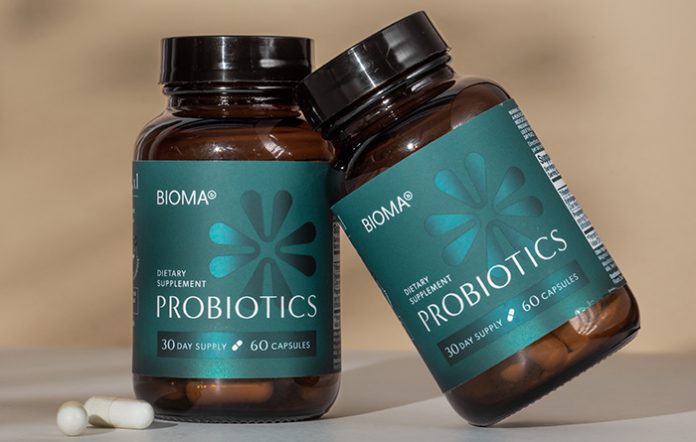
    A prime example of a supplement that combines the benefits of probiotics and prebiotics is Bioma. Bioma is specially formulated to provide a synergistic blend of probiotic strains essential for gut health, along with prebiotic fibers that nourish these probiotics and promote their growth.

    What Is Bioma?

    Bioma is a revolutionary dietary supplement designed to support gut health and overall well-being. It combines advanced scientific research with gut-friendly ingredients to provide a comprehensive solution for maintaining a healthy gut microbiome.

    Bioma contains a unique blend of probiotics, prebiotics, and other beneficial components carefully selected to promote digestive health, immune function, and more:

    • Optimizing gut health. Bioma offers a comprehensive solution for gut health by combining probiotics and prebiotics. These supplements work synergistically to support a healthy balance of gut bacteria, promoting digestion, nutrient absorption, and overall well-being.
    • Supporting digestive function. Bioma’s unique blend of probiotics and prebiotics helps maintain a healthy digestive system. By fostering the growth of beneficial gut bacteria and providing essential nutrients, Bioma supports smooth digestion and regular bowel movements.
    • Boosting immune function. A robust gut microbiome is closely linked to a strong immune system. Bioma’s probiotics and prebiotics work together to support immune function, helping to defend against harmful pathogens and promote overall health and vitality.
    • Balancing gut microbiota. The carefully selected strains of probiotics in Bioma, combined with prebiotic fibers like Xylooligosaccharides (XOS), help restore balance to the gut microbiota. This balance is crucial for maintaining optimal gut health and preventing digestive issues.
    • Promoting overall well-being. With regular use, Bioma contributes to improved gut health, which has far-reaching effects on overall well-being. From better digestion and nutrient absorption to enhanced immune function, Bioma supports a healthy and vibrant lifestyle.

    Incorporating Bioma into your daily routine can be a simple yet powerful way to prioritize your gut health and unlock the numerous benefits associated with a thriving microbiome.

    ribbon
    Bioma Probiotics - 75% Off + FREE Shipping

    Bioma Probiotics - 75% Off + FREE Shipping

    Instantly save up to 75% off with Bioma Checkout Code! Plus, FREE shipping!
    BIO15DIY
    SHOW COUPON
    On Going Offer
  • It Works 100% Success It Doesn't
  • Understanding Bioma IngredientsExploring the World of Probiotics A Beginner's Guide 3

    Bioma is formulated with a synergistic blend of ingredients carefully selected to promote gut health and overall well-being. Here’s a breakdown of some key components:

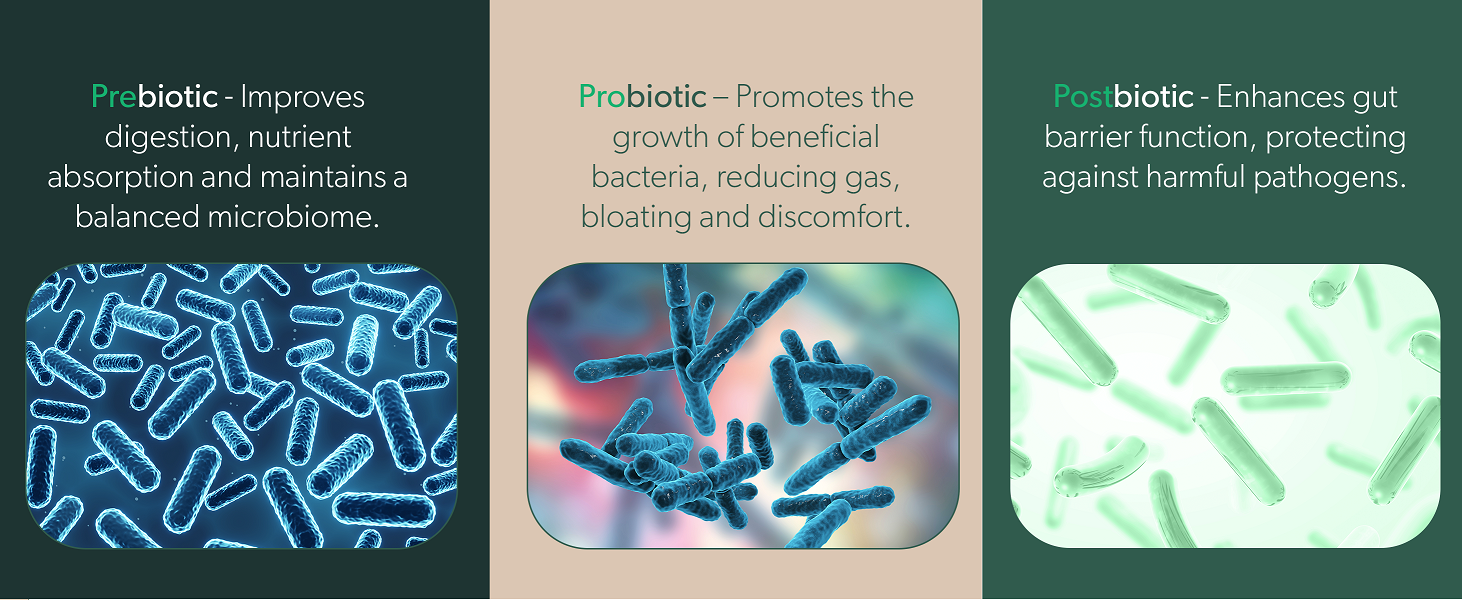
    • Probiotics. Bioma contains a diverse array of probiotic strains, including Lactobacillus and Bifidobacterium species, which play essential roles in maintaining a healthy gut microbiome.
    • Prebiotics. In addition to probiotics, a unique component of Bioma is Xylooligosaccharides (XOS), a prebiotic fiber known for its ability to promote thermogenesis, the process by which the body generates heat and burns calories. This may contribute to the metabolic benefits of Bioma, making it an ideal choice for those seeking to support both gut health and weight management.
    • Postbiotics. Bioma also contains tributyrin, a form of butyrate that acts as a postbiotic. Butyrate is known for its anti-inflammatory and metabolic benefits, supporting gut barrier function and overall gut health.

    By combining probiotics, prebiotics, and postbiotics into one comprehensive formula, Bioma offers holistic support for digestive wellness and helps maintain a balanced and thriving gut microbiome.

    Conclusion

    In conclusion, probiotics play a crucial role in supporting digestive health, immune function, and overall well-being. Whether you choose to consume probiotics through supplements like Bioma or probiotic-rich foods, incorporating these beneficial microorganisms into your daily routine can have numerous health benefits.

    Remember to choose high-quality probiotic products, consider your specific health needs, and consult with a healthcare professional if you have any concerns.

    With the right approach, probiotics can be a valuable addition to your wellness regimen, helping you achieve a healthier gut.

    If you’re interested in trying Bioma, you can read our Bioma Review or you can grab the biggest coupon code online and save big here.

    ribbon
    Bioma Probiotics - 75% Off + FREE Shipping

    Bioma Probiotics - 75% Off + FREE Shipping

    Instantly save up to 75% off with Bioma Checkout Code! Plus, FREE shipping!
    BIO15DIY
    SHOW COUPON
    On Going Offer
  • It Works 100% Success It Doesn't
  • Is Becoming a Fitness Trainer Right For You?

    How to Start Online Fitness Coaching

    Ever thought about diving into the world of fitness training? Wondering if it’s the right path for you? Well, let’s chat about it. “Is Becoming a Fitness Trainer Right For You” is not just a question, it’s a journey of self-discovery and passion.

    In this exploration, we’ll break down what it takes to thrive in this field, from a love for health and wellness to the joy of helping others reach their goals. So, if you’re ready to explore the ins and outs of this dynamic profession, buckle up, and let’s dive in!

    Passion for Fitness

    Is Becoming a Fitness Trainer Right For You

    Passion is the driving force behind every successful fitness trainer. It’s what fuels your dedication to continually educate yourself, explore new training methodologies, and inspire others to lead healthier lives.

    Your enthusiasm for fitness is contagious, motivating clients to push themselves beyond their comfort zones and unlock their full potential.

    Whether you’re leading a group fitness class, coaching an individual client, or sharing wellness tips on social media, your passion shines through, making you a trusted authority in the world of health and fitness.

    If you’re interested in learning more about the various career paths within fitness training beyond becoming a trainer, you can read our article “Different Career Paths Within Fitness Training”.

    Desire to Help Others

    At the heart of fitness training lies a deep-rooted desire to make a positive impact on people’s lives. Every client who walks through your door comes with a unique set of goals, challenges, and aspirations. As a fitness trainer, you have the privilege of being their confidant, cheerleader, and mentor all rolled into one.

    You take the time to listen to their concerns, celebrate their victories, and provide unwavering support during their journey to better health. Witnessing their transformation – both physically and mentally – is immensely gratifying and reinforces your commitment to helping others live their best lives.

    Education and Certification

    What Qualifications Do You Need to Be a Personal Trainer?

    While passion and enthusiasm are essential, they must be coupled with a solid foundation of knowledge and expertise. Obtaining reputable certifications from recognized organizations not only validates your skills but also instills confidence in your clients and employers.

    ISSA certification allows you to study at your own pace, 100% online. You can even take the exam from the comfort of your own home.

    The certificate is nationally accredited and allows you to master the tools and methods that will help you shape and define your clients’ bodies. With this continued education, you’ll be a certified authority in everything bodybuilding.

    You’ll learn in-depth principles of muscles and how to apply this knowledge to program design. You’ll study muscle hypertrophy, causes of overtraining and injury, nutrition and supplementation, health risks of ergogenic aids, sports psychology strategies, and more.

    If you’re interested in trying ISSA, click here to get started right away! And for more information, you can check out our review Article on ISSA.

    Checkout Code for an additional $100 OFF:

    ribbon
    ISSA Certifications - 75% Off

    ISSA Certifications - 75% Off

    Save 75% and take ANOTHER $100 OFF. Start for ONLY $49.
    ELITE100
    SHOW COUPON
    On Going Offer
  • It Works 100% Success It Doesn't
  • Communication Skills

    Effective communication lies at the heart of every successful client-trainer relationship. As a fitness trainer, you must be able to convey complex concepts in a clear and concise manner, ensuring that clients understand the rationale behind each exercise and how it contributes to their overall fitness goals.

    Beyond verbal communication, your body language, tone of voice, and listening skills also play a crucial role in fostering trust and rapport with clients. By creating an open and supportive environment, you empower clients to ask questions, voice concerns, and actively participate in their fitness journey.

    Flexibility and Adaptability

    Is Becoming a Fitness Trainer Right For You

    No two clients are alike, which means that your approach to training must be flexible and adaptable. Whether you’re working with athletes, seniors, or individuals with specific medical conditions, you must tailor your training programs to meet their unique needs and preferences.

    This requires a willingness to think outside the box, modify exercises on the fly, and adjust your coaching style to accommodate different learning styles and personalities. By embracing versatility and embracing diversity, you ensure that every client receives the personalized attention and guidance they deserve.

    Physical and Emotional Resilience

    Working as a fitness trainer can be physically demanding, requiring long hours on your feet and the ability to demonstrate exercises with proper form and technique. However, it’s equally important to cultivate emotional resilience to navigate the highs and lows of the profession.

    You’ll encounter clients who struggle with self-doubt, setbacks, and plateaus, and it’s your job to provide encouragement, empathy, and support every step of the way.

    By staying positive, adaptable, and focused on the bigger picture, you demonstrate resilience in the face of adversity and inspire clients to persevere through their challenges.

    Business Acumen

    Is Becoming a Fitness Trainer Right For You

    In addition to being a fitness expert, you’re also an entrepreneur running your own business. Whether you’re a sole proprietor or employed by a fitness facility, understanding the basics of marketing, sales, and client retention is essential for long-term success.

    This includes building a strong online presence, networking with other professionals, and creating compelling promotional materials that showcase your expertise and unique value proposition.

    By honing your business acumen, you position yourself as a sought-after fitness trainer and lay the foundation for a thriving career in the health and wellness industry.

    Continuing Education and Growth

    The field of fitness is constantly evolving, with new research, trends, and technologies emerging at a rapid pace. To stay ahead of the curve, it’s essential to invest in ongoing education and professional development.

    Whether it’s attending workshops, seminars, or conferences, pursuing advanced certifications, or seeking mentorship from seasoned professionals, there are endless opportunities to expand your knowledge and skills.

    By embracing a growth mindset and committing to lifelong learning, you not only enhance your effectiveness as a fitness trainer but also open doors to new career opportunities and personal growth.

    Final Words – Is Becoming a Fitness Trainer Right For You?

    In conclusion, deciding whether to pursue a career as a fitness trainer requires careful consideration of personal strengths, interests, and goals. While it can be fulfilling to help others achieve their fitness objectives, it’s essential to recognize the challenges and responsibilities that come with the role.

    Exploring certification options like ISSA can provide valuable skills and credibility in the field. Ultimately, choosing to become a fitness trainer should align with your passion for health and wellness, commitment to continuous learning, and desire to positively impact others’ lives.

    ribbon
    ISSA Certifications - 75% Off

    ISSA Certifications - 75% Off

    Save 75% and take ANOTHER $100 OFF. Start for ONLY $49.
    ELITE100
    SHOW COUPON
    On Going Offer
  • It Works 100% Success It Doesn't
  • FAQs

    How do you know if a personal trainer is right for you?

    To determine if a personal trainer is right for you, consider their expertise, communication style, and ability to understand your goals. Look for someone who listens attentively, designs personalized workouts, and provides motivation and support tailored to your needs.

    Ultimately, the right personal trainer should empower you to reach your fitness aspirations and make exercise enjoyable.

    What are the disadvantages of being a personal trainer?

    Despite the rewarding aspects, being a personal trainer has its downsides. One disadvantage is the irregular income, as earnings can fluctuate based on client availability and cancellations.

    Additionally, the job can be physically demanding, requiring long hours on your feet, which may lead to fatigue or injury. Moreover, maintaining a work-life balance can be challenging, as clients may expect availability during evenings and weekends.

    Why I quit being a personal trainer?

    I decided to leave my role as a personal trainer due to burnout and a desire for a career change. The constant pressure to meet clients’ expectations while managing administrative tasks became overwhelming.

    Moreover, the competitive nature of the industry made it difficult to sustain a steady income. Ultimately, I sought a new path that aligned better with my interests and offered greater fulfillment.

    The Impact of Artificial Sweeteners on Weight Loss

    The Impact of Artificial Sweeteners on Weight Loss

    Curious about the skinny on artificial sweeteners and weight loss? Let’s dive into “The Impact of Artificial Sweeteners on Weight Loss.” It’s a burning question in the health community, with many seeking to trim down by swapping sugar for substitutes.

    But do these sweet swaps truly tip the scales in our favor? Join us as we explore the real deal behind artificial sweeteners and their effect on shedding those pesky pounds.

    Understanding Artificial Sweeteners

    The Impact of Artificial Sweeteners on Weight Loss

    Before diving into their effects on weight loss, it’s crucial to grasp what artificial sweeteners are and how they function. Artificial sweeteners are synthetic sugar substitutes that provide a sweet taste without the added calories of sugar.

    They’re commonly used in diet sodas, sugar-free desserts, and other low-calorie or sugar-free products. Examples include aspartame, sucralose, saccharin, and stevia.

    If you’re aiming to shed some pounds, consider giving Beyond Body a try. You might be wondering, “What exactly is Beyond Body?” To find out more, take a look at our comprehensive Beyond Body review. Utilize the code provided below to unlock discounts of up to 60%.

    ribbon
    Beyond Body - 67% Off Discount Code

    Beyond Body - 67% Off Discount Code

    Up to 67% OFF Beyond Body Checkout Code - LARGEST discount on the internet!
    AUTO APPLIED AT CHECKOUT
    SHOW COUPON
    On Going Offer
  • It Works 100% Success It Doesn't
  • Caloric Impact

    One of the primary reasons people turn to artificial sweeteners is to reduce their calorie intake and, consequently, aid in weight loss efforts.

    Since artificial sweeteners are essentially calorie-free, they offer a way to enjoy sweet-tasting foods and beverages without the guilt of consuming excess calories. This aspect can be particularly appealing to individuals striving to create a calorie deficit for weight loss purposes.

    Appetite Regulation

    The Impact of Artificial Sweeteners on Weight Loss

    However, the effects of artificial sweeteners on appetite regulation are more nuanced than simply reducing caloric intake. Some studies suggest that artificial sweeteners may disrupt the body’s natural ability to regulate hunger and satiety cues, potentially leading to overeating and weight gain in the long run.

    This phenomenon is thought to occur because artificial sweeteners provide a sweet taste without the accompanying calories, confusing the body’s internal mechanisms for energy regulation.

    Metabolic Response

    Furthermore, emerging research indicates that artificial sweeteners may influence metabolic processes in ways that could impact weight management. For instance, some studies suggest that artificial sweeteners may alter gut microbiota composition, which plays a crucial role in metabolism and energy regulation.

    Changes in gut microbiota could potentially affect how the body absorbs and stores nutrients, thereby influencing weight gain or loss.

    Behavioral Factors

    The Impact of Artificial Sweeteners on Weight Loss

    Beyond the physiological effects, the impact of artificial sweeteners on weight loss also extends to behavioral factors. For many individuals, consuming artificially sweetened products may lead to a psychological phenomenon known as “compensation.” This term refers to the tendency to overcompensate for reduced calorie intake from artificial sweeteners by consuming more calories from other sources.

    Consequently, any potential weight loss benefits of artificial sweeteners may be offset by increased calorie consumption elsewhere in the diet.

    Individual Variability

    It’s essential to recognize that the response to artificial sweeteners can vary greatly among individuals. Factors such as genetics, metabolic rate, existing dietary habits, and overall lifestyle play significant roles in determining how artificial sweeteners affect weight loss efforts.

    What works for one person may not yield the same results for another, highlighting the importance of personalized approaches to nutrition and weight management.

    Psychological Impact

    The Impact of Artificial Sweeteners on Weight Loss

    Additionally, the psychological aspect of using artificial sweeteners cannot be overlooked. For some individuals, the perception of consuming “diet” or “sugar-free” products may lead to a sense of permission to indulge in other unhealthy foods or overeat, ultimately undermining weight loss goals.

    Moreover, relying too heavily on artificial sweeteners may perpetuate cravings for sweet foods, making it challenging to adopt a balanced and sustainable approach to eating. If you wanna know more you can read our article “The Connection Between Stress and Weight Gain”.

    Potential Health Risks

    In addition to their effects on weight loss, artificial sweeteners have raised concerns regarding potential health risks. Some studies have suggested associations between artificial sweetener consumption and adverse health outcomes, including metabolic syndrome, type 2 diabetes, and cardiovascular disease.

    While more research is needed to establish causal relationships, these findings underscore the importance of moderation and informed decision-making when it comes to using artificial sweeteners for weight management.

    Role in Cravings and Addiction

    The Impact of Artificial Sweeteners on Weight Loss

    Another aspect to consider is the role of artificial sweeteners in cravings and addiction-like behaviors related to sugar consumption. While artificial sweeteners themselves are not addictive in the same way as sugar, their intense sweetness may perpetuate cravings for sweet foods and beverages.

    Moreover, some researchers posit that frequent consumption of artificial sweeteners may desensitize taste receptors, leading individuals to seek out increasingly sweet foods to satisfy their cravings, potentially undermining weight loss efforts in the long term.

    Behavioral Modification Strategies

    Despite the complexities surrounding artificial sweeteners and weight loss, behavioral modification strategies can enhance their effectiveness as part of a comprehensive weight management plan.

    This includes strategies such as mindful eating, which encourages paying attention to hunger and fullness cues, as well as practicing moderation and balance in food choices. Additionally, focusing on whole, nutrient-dense foods and building sustainable dietary habits can support long-term weight loss success while minimizing reliance on artificial sweeteners.

    Beyond Body – The Ultimate Weight Loss Guide

    Beyond Body for Weight Loss

    Embark on a revolutionary approach to holistic wellness with Beyond Body, where bespoke meal and fitness plans are meticulously designed to align with your unique preferences. Immerse yourself in a 28-day voyage that reshapes your perception of nourishing consumption, indulging in nutritious and delightful dishes crafted exclusively for you.

    Beyond Body surpasses conventional weight management solutions; it evolves into your personalized confidant, steering you towards a life brimming with vitality and satisfaction. Are you prepared to ignite this metamorphic expedition?

    Delve into our comprehensive Beyond Body review, then click here to complete a concise questionnaire and commence your tailored odyssey. Furthermore, unlock savings of up to 60% off with the exclusive code provided below:

    ribbon
    Beyond Body - 67% Off Discount Code

    Beyond Body - 67% Off Discount Code

    Up to 67% OFF Beyond Body Checkout Code - LARGEST discount on the internet!
    AUTO APPLIED AT CHECKOUT
    SHOW COUPON
    On Going Offer
  • It Works 100% Success It Doesn't
  • Wrap-Up

    In conclusion, the impact of artificial sweeteners on weight loss appears to vary from person to person. While some studies suggest they may aid in reducing calorie intake, others indicate they could stimulate cravings and disrupt metabolism.

    Therefore, moderation and individual consideration are key. It’s essential to balance the use of artificial sweeteners with a healthy diet and lifestyle for optimal weight management.

    FAQs on the Impact of Artificial Sweeteners on Weight Loss

    Does artificial sweeteners affect weight loss?

    Artificial sweeteners can indeed impact weight loss efforts, but the effect varies from person to person. While they contain fewer calories than sugar, they can still trigger cravings for sweet foods, leading some individuals to consume more calories overall.

    Moderation is key when using artificial sweeteners as part of a weight loss plan, as relying solely on them may not yield the desired results.

    Which artificial sweetener is best for weight loss?

    When considering which artificial sweetener is best for weight loss, it ultimately depends on personal preference and how the body reacts. Stevia, for example, is a natural sweetener derived from the stevia plant and has zero calories, making it a popular choice for those looking to reduce calorie intake.

    However, some people find its taste bitter. Sucralose, on the other hand, is sweeter than sugar and is used in many low-calorie and sugar-free products, but some studies suggest it may negatively impact gut health if consumed in large amounts.

    What happens to your body when you eat artificial sweeteners?

    When you consume artificial sweeteners, your body may react differently compared to natural sugars. Some studies suggest that artificial sweeteners can disrupt the body’s natural ability to regulate calorie intake, leading to increased cravings and potential weight gain.

    Additionally, these sweeteners can affect gut bacteria composition, potentially impacting digestion and overall health. It’s essential to be mindful of how your body responds to artificial sweeteners and to use them in moderation as part of a balanced diet.