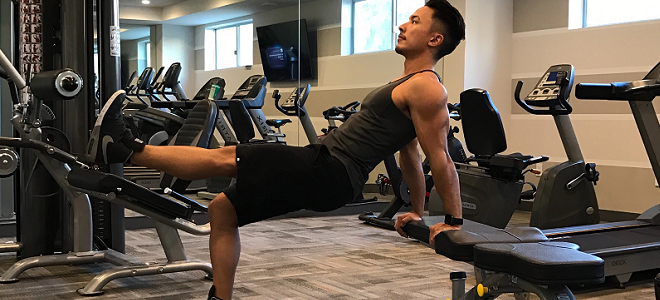
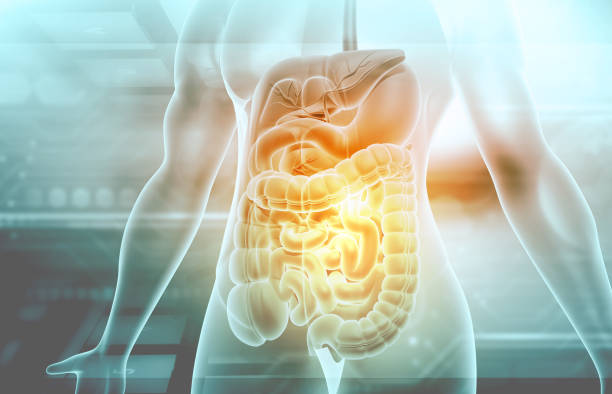
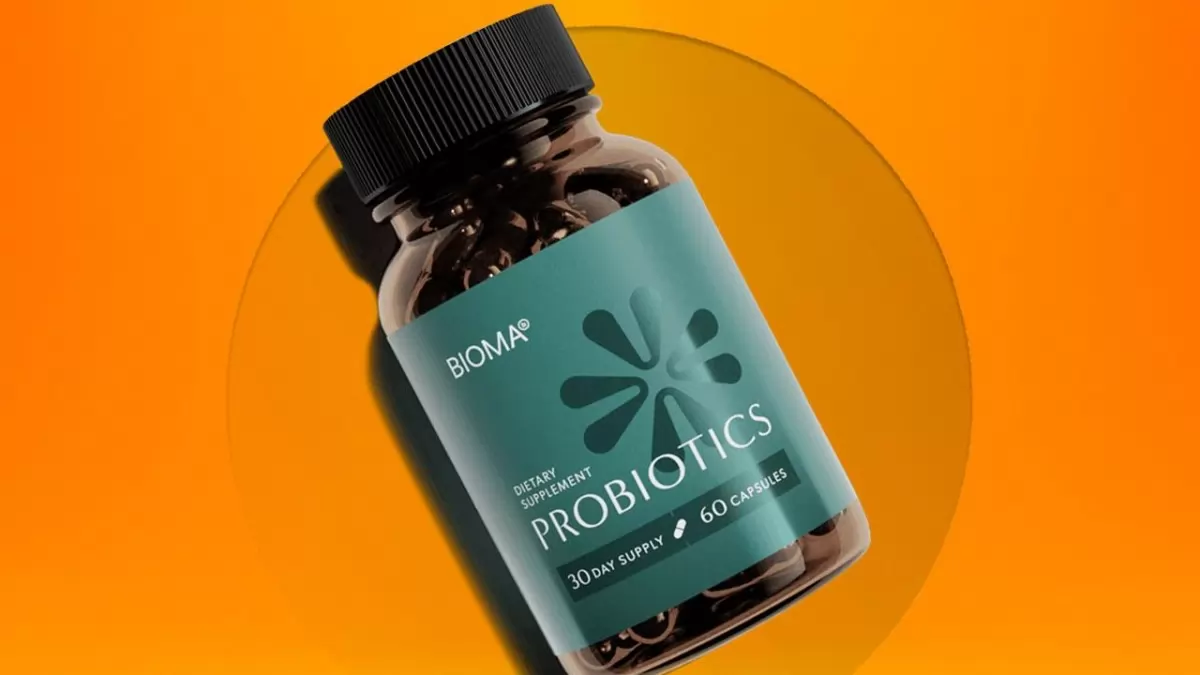
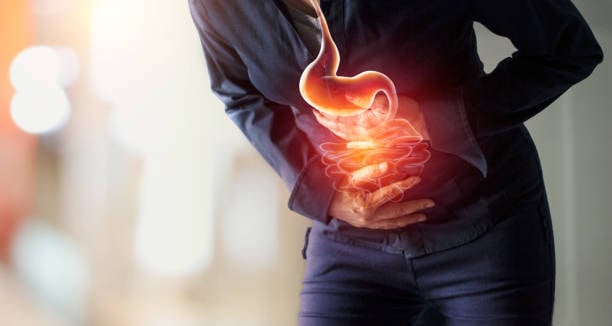
We all want a rock-solid core and toned abs. But what exactly should we do? From reducing the love handles to shrinking the muffin top to getting a flat belly, this expert core tightening workout will definitely help you strengthen your core.
So, you’ve decided to take on the challenge of acing your fitness certification exam, huh? Well, you’re in the right place! Getting ready for this test can be a bit nerve-wracking, but fear not! With the right strategies, you’ll be breezing through it like a pro.
In this guide, we’ve compiled some nifty tips for acing your fitness certification exam that will have you feeling confident and prepared come exam day. Whether it’s mastering key concepts or honing in on test-taking skills, we’ve got you covered. Let’s dive in and get you on the path to success!
Understand the Exam Format
Before diving headfirst into your study routine, take the time to thoroughly understand the format of your fitness certification exam. Is it multiple choice, essay-based, practical, or a combination of these? Knowing what to expect will allow you to tailor your study plan accordingly.
Check the exam guidelines provided by the certification body, as they often offer insights into the structure, time limits, and scoring criteria.
One of the most effective strategies for exam success is to create a structured study plan. Break down the material into manageable sections and allocate specific study hours for each.
Consider your strengths and weaknesses—spend more time on challenging topics while reviewing familiar ones to maintain proficiency. A well-organized plan will keep you focused and prevent last-minute cramming.
Utilize Reliable Study Resources
With a plethora of study materials available, it’s essential to choose those that align with your exam syllabus and learning style. Opt for reputable textbooks, online courses, and practice exams from trusted sources.
Additionally, consider joining study groups or forums where you can discuss concepts, clarify doubts, and benefit from shared insights. Remember, quality over quantity is key when selecting study resources.
Practice, Practice, Practice
The adage “practice makes perfect” holds especially true when preparing for a fitness certification exam. Engage in regular practice sessions, particularly for practical components such as exercise demonstrations or client assessments.
If your exam includes a practical segment, rehearse routines, cueing techniques, and modifications to ensure seamless execution on exam day. The more you practice, the more confident and competent you’ll become.
Focus on Key Concepts and Fundamentals
Rather than attempting to memorize every minute detail, prioritize understanding key concepts and fundamental principles. Fitness certification exams often emphasize core theories, exercise physiology, anatomy, and client assessment techniques.
Once you grasp these foundational elements, you’ll find it easier to apply them to different scenarios and questions. A strong grasp of basics will also serve you well beyond the exam, in your future fitness career.
Simulate Exam Conditions
To alleviate exam-day jitters and enhance preparedness, simulate exam conditions during your study sessions. Set aside a quiet, distraction-free environment, and time yourself as you tackle practice exams or quiz questions.
This approach not only familiarizes you with the exam pace but also builds your stamina for sustained focus. Additionally, practicing under pressure helps refine your decision-making skills when selecting answers.
Stay Healthy and Well-Rested
Amidst the whirlwind of exam preparation, don’t neglect your well-being. Maintaining a healthy lifestyle is not only beneficial for your physical and mental health but also enhances cognitive function.
Prioritize nutritious meals, regular exercise, and sufficient sleep to keep your mind sharp and focused. Avoid last-minute cramming sessions that lead to burnout—balance your study schedule with adequate breaks and relaxation.
Seek Guidance from Mentors or Instructors
If you encounter challenging topics or feel uncertain about certain concepts, don’t hesitate to reach out for guidance. Your instructors, mentors, or experienced fitness professionals can provide valuable insights, clarification, and practical tips.
They’ve likely navigated the same certification process and can offer personalized advice based on their experiences. Whether through virtual consultations or in-person discussions, leverage their expertise to bolster your preparation.
Review and Refine Your Weak Areas
As you progress in your studies, periodically review your performance and identify weak areas that require extra attention. Did you struggle with a particular chapter or concept? Is there a type of question that consistently trips you up?
Target these areas through focused revision, additional practice, or seeking clarification from instructors. By addressing weaknesses proactively, you’ll build confidence and competence across all exam components.
Stay Positive and Visualize Success
Finally, maintain a positive mindset throughout your exam preparation journey. Visualize yourself confidently answering exam questions, demonstrating exercises flawlessly, and achieving your certification with pride.
Positive affirmations and a can-do attitude can work wonders in boosting your self-assurance. Remember, the exam is a culmination of your hard work and dedication—trust in your abilities and approach the challenge with optimism.
Certification
Before pursuing a career in fitness, achieving certification is crucial, and ISSA stands out as the leading certification platform in the industry. ISSA certification offers the flexibility to study at your own pace, entirely online. Additionally, you have the convenience of taking the exam from the comfort of your home.
This nationally accredited certificate empowers you to delve into the tools and techniques necessary to sculpt and redefine your clients’ physiques. Through this comprehensive education, you’ll establish yourself as a certified expert in all aspects of bodybuilding.
You will gain a deep understanding of muscle principles and how to apply this knowledge to create effective training programs. The curriculum covers topics such as muscle hypertrophy, preventing overtraining and injuries, proper nutrition and supplementation, the risks associated with ergogenic aids, effective sports psychology strategies, and much more.
If you’re interested in trying ISSA, click here to get started right away! And for more information, you can check out our review Article on ISSA.
Checkout Code for an additional $100 OFF:
ISSA Certifications - 75% Off
Save 75% and take ANOTHER $100 OFF. Start for ONLY $49.
ELITE100
SHOW COUPON
On Going Offer
Share
It Works100% SuccessIt Doesn't
Final Words
So, as you gear up for your fitness certification exam, remember these key tips: study consistently, focus on understanding concepts over memorization, use practice exams wisely, get good rest the night before, and stay confident in yourself.
Believe in your preparation, trust your knowledge, and approach the exam with a calm mind. You’ve got this! Best of luck on your fitness journey!
FAQs on Tips for Acing Your Fitness Certification Exam
What is the easiest fitness certification to get?
The easiest fitness certification to get is often the Group Fitness Instructor certification. It involves teaching fitness classes and doesn’t always require as much in-depth knowledge as other certifications. It’s a good starting point for those new to the fitness industry.
What is the hardest fitness certification?
On the other end, the hardest fitness certification is usually considered the Strength and Conditioning Specialist certification. It demands a deep understanding of exercise science, biomechanics, and programming, making it quite challenging for many fitness professionals.
Is the certified personal trainer test hard?
The certified personal trainer test can be challenging, but it depends on your preparation and background knowledge. With dedicated study and hands-on experience, many find it manageable. It tests your understanding of anatomy, exercise techniques, and client interactions. So, while it’s not easy, it’s definitely achievable with effort.
Juggling the world of fitness training with everyday life can feel like trying to spin too many plates at once. In the hustle and bustle of helping others reach their fitness goals, it’s easy to forget about our own well-being.
But fear not! Balancing work-life as a fitness trainer is all about finding that sweet spot where your passion for fitness meets your need for a bit of downtime. Join me as we dive into tips, tricks, and real-life stories of how to keep the scales of work and personal life in perfect balance. Let’s get started on this exciting journey!
Understanding the Demands
One of the first steps in balancing work-life as a fitness trainer is to acknowledge the unique demands of the profession. Fitness training often involves irregular hours, with early mornings and late evenings dedicated to client sessions.
Additionally, trainers might need to be available on weekends, catering to those who have full-time jobs during the week. This irregularity can make it challenging to maintain a consistent personal schedule, leading to potential burnout if not managed properly.
Setting Boundaries
A crucial aspect of achieving balance is setting clear boundaries between work and personal life. While it might be tempting to say yes to every client request or take on extra sessions, this can quickly lead to exhaustion.
Establishing specific work hours and days off not only helps in managing time effectively but also communicates to clients the importance of respecting personal time. Boundaries also extend to digital communication, with the need to designate times for responding to emails or messages to avoid encroaching on personal hours.
Prioritizing Self-care
Fitness trainers are often so focused on the well-being of their clients that they neglect their own self-care. However, this neglect can be detrimental in the long run, both physically and mentally.
Prioritizing regular exercise, proper nutrition, and sufficient rest is not only essential for personal health but also sets a positive example for clients. Moreover, carving out time for hobbies, relaxation, and socializing rejuvenates the mind and prevents burnout.
Efficient Time Management
Effective time management is a cornerstone of achieving work-life balance. Utilizing tools such as scheduling apps or planners can help in organizing client sessions, personal workouts, administrative tasks, and leisure activities.
Breaking down tasks into manageable chunks and allocating specific time slots ensures productivity without feeling overwhelmed. Moreover, incorporating buffer times between sessions allows for unexpected delays and prevents a rushed schedule.
Continuous Learning and Growth
The fitness industry is constantly evolving, with new techniques, research, and trends emerging regularly. While staying updated is crucial for providing clients with the best service, it can also become a source of stress if not managed well.
Instead of feeling the pressure to master every new trend, focusing on continuous learning at a comfortable pace is key. Attending workshops, online courses, or conferences during quieter periods ensures growth without overwhelming daily schedules.
Building a Support System
Navigating the challenges of balancing work-life as a fitness trainer can be made easier with a strong support system. This includes not only friends and family but also connecting with fellow trainers or joining professional groups.
Sharing experiences, tips, and challenges with others in the same field can provide valuable insights and a sense of camaraderie. Additionally, delegating tasks when possible, such as hiring an assistant for administrative duties, lightens the workload and allows for more focus on training.
Flexibility and Adaptability
In a profession where schedules can change at a moment’s notice, cultivating flexibility and adaptability is crucial. Learning to roll with unexpected changes, such as cancellations or last-minute appointments, without feeling frazzled is a valuable skill.
This flexibility extends beyond just work schedules to personal life as well, allowing for spontaneity and the ability to seize moments of relaxation or adventure when they arise.
Finding Joy in the Journey
Amidst the juggling act of client sessions, personal workouts, administrative tasks, and personal time, it’s important for fitness trainers to find joy in the journey. Celebrating client successes, witnessing transformations, and experiencing personal growth through the profession are all reasons why individuals choose this path.
Keeping these moments at the forefront, even during challenging times, serves as a reminder of the passion that drives the work.
Embracing Variety and Creativity
In the dynamic field of fitness training, monotony can quickly lead to burnout. Embracing variety in workout routines, training styles, and client interactions not only keeps sessions interesting for clients but also invigorates the trainer.
Introducing new exercises, incorporating different training modalities, or organizing outdoor sessions adds a fresh dimension to the work. Furthermore, allowing space for creativity in designing personalized plans tailored to individual client needs fosters a sense of fulfillment and keeps the passion for fitness alive.
This embrace of variety not only benefits clients’ progress but also injects energy and enthusiasm into the trainer’s daily routine, contributing to a more balanced and fulfilling work-life dynamic.
Certification
Before embarking on a career in fitness, obtaining certification is essential, and ISSA is widely regarded as the premier certification platform in the field. ISSA certification allows you to study at your own pace, 100% online. You can even take the exam from the comfort of your own home.
The certificate is nationally accredited and allows you to master the tools and methods that will help you shape and define your clients’ bodies. With this continued education, you’ll be a certified authority in everything bodybuilding.
You’ll learn in-depth principles of muscles and how to apply this knowledge to program design. You’ll study muscle hypertrophy, causes of overtraining and injury, nutrition and supplementation, health risks of ergogenic aids, sports psychology strategies, and more.
If you’re interested in trying ISSA, click here to get started right away! And for more information, you can check out our review Article on ISSA.
Checkout Code for an additional $100 OFF:
ISSA Certifications - 75% Off
Save 75% and take ANOTHER $100 OFF. Start for ONLY $49.
ELITE100
SHOW COUPON
On Going Offer
Share
It Works100% SuccessIt Doesn't
Final Words
In the whirlwind of being a fitness trainer, finding balance is like nailing the perfect workout routine – it takes time, dedication, and a bit of trial and error. Remember, it’s okay to step back, breathe, and recharge.
Whether it’s a serene morning yoga session or a brisk walk in the park, cherish those moments. Balance isn’t a fixed destination; it’s a journey, and as trainers, we lead by example. Here’s to a harmonious blend of passion for fitness and a fulfilling life!
FAQs on Balancing Work-Life as a Fitness Trainer
How do you balance work-life and fitness?
Balancing work and fitness involves planning. Set small, achievable goals, like a 30-minute workout. Incorporate movement into your day, maybe a lunchtime walk. Be flexible, and adapt when work gets hectic, but prioritize your health.
What is the lifestyle of a fitness trainer?
A fitness trainer’s lifestyle revolves around wellness. Mornings start with a nutritious breakfast and workout. Days are filled with client sessions, focusing on motivation and technique. Evenings include meal prepping and self-care routines for recovery.
What is work-life balance training?
Work-life balance training teaches prioritizing. Understand your values, align work with them. Learn to say no, delegate tasks, and set boundaries. It’s about efficiency, not just time management, ensuring energy for both work and personal life.
It’s an exciting topic, how much those who work in the fitness world can make? It’s pretty fascinating. Whether you’re a personal trainer, a yoga instructor, or a fitness coach, there’s a whole range of possibilities out there.
From hourly rates to building up a solid client base, the sky’s the limit when it comes to what you can earn. So, if you’ve got a passion for fitness and helping others reach their goals, stick around. We’re diving into the world of earning potential for fitness professionals, and trust me, it’s worth exploring!
Diverse Career Paths in the Fitness Industry
One of the most enticing aspects of pursuing a career in fitness is the diversity of opportunities available. From personal training to group fitness instruction, sports coaching to wellness coaching, the field offers a range of roles to suit different personalities and preferences.
Each of these roles comes with its own earning potential, influenced by factors such as location, experience, specialization, and clientele.
Personal Training
For many fitness enthusiasts, personal training offers a customized approach to achieving their fitness goals. Personal trainers work closely with clients, creating individualized workout plans, offering nutritional guidance, and providing motivation.
The earning potential for personal trainers varies widely, with factors such as location and clientele playing significant roles. In metropolitan areas or affluent neighborhoods, personal trainers often command higher rates due to the higher cost of living and disposable income of potential clients.
Additionally, trainers who specialize in niche areas such as pre/post-natal fitness, corrective exercise, or sports-specific training can often charge premium rates for their expertise.
Group fitness classes have soared in popularity, offering participants a dynamic and social workout experience. For fitness professionals, leading these classes can be both financially rewarding and personally satisfying.
Group fitness instructors may work in gyms, fitness studios, and community centers, or even host their own classes in parks or online. Earning potential in group fitness instruction can be influenced by factors such as class size, location, and the instructor’s reputation.
In urban areas, instructors leading high-demand classes such as spin, HIIT, or dance fitness can earn substantial incomes. Moreover, instructors who develop a loyal following often have the opportunity to host workshops, retreats, or online programs, further expanding their earning potential.
Specialized Training and Certifications
Before embarking on a career in fitness, obtaining certification is essential, and ISSA is widely regarded as the premier certification platform in the field. ISSA certification allows you to study at your own pace, 100% online. You can even take the exam from the comfort of your own home.
The certificate is nationally accredited and allows you to master the tools and methods that will help you shape and define your clients’ bodies. With this continued education, you’ll be a certified authority in everything bodybuilding.
You’ll learn in-depth principles of muscles and how to apply this knowledge to program design. You’ll study muscle hypertrophy, causes of overtraining and injury, nutrition and supplementation, health risks of ergogenic aids, sports psychology strategies, and more.
If you’re interested in trying ISSA, click here to get started right away! And for more information, you can check out our review Article on ISSA.
Checkout Code for an additional $100 OFF:
ISSA Certifications - 75% Off
Save 75% and take ANOTHER $100 OFF. Start for ONLY $49.
ELITE100
SHOW COUPON
On Going Offer
Share
It Works100% SuccessIt Doesn't
Online Training and Digital Products
The digital age has revolutionized the fitness industry, opening up new avenues for earning potential. Fitness professionals can now reach clients around the globe through online training platforms, virtual coaching sessions, and digital product sales. Creating workout programs, meal plans, or instructional videos allows fitness professionals to generate passive income while expanding their reach beyond local clientele.
Moreover, online platforms such as social media, YouTube, or fitness apps provide opportunities for fitness professionals to showcase their expertise, attract followers, and monetize their content.
Influential fitness personalities can earn substantial incomes through brand partnerships, sponsored content, and affiliate marketing, leveraging their online presence to create multiple streams of income.
Entrepreneurial Ventures: Building Brands, Building Wealth
For those with an entrepreneurial spirit, the fitness industry offers ample opportunities to build a brand and create wealth. Opening a fitness studio, boutique gym, or wellness center allows professionals to establish their unique offerings, cater to specific niches, and cultivate a loyal clientele base.
Entrepreneurs in the fitness industry can diversify their revenue streams by offering memberships, personal training packages, specialty classes, retail merchandise, and nutrition services.
Additionally, partnerships with local businesses, health professionals, or corporate wellness programs can further expand the reach and earning potential of these ventures.
Continuing Education and Professional Development
In the dynamic field of fitness, staying current with industry trends, research, and techniques is essential for success. Fitness professionals who invest in continuing education, attend workshops, and conferences, or pursue advanced certifications can command higher rates and attract discerning clients.
Moreover, professional development not only enhances expertise but also opens doors to opportunities such as guest speaking engagements, writing for fitness publications, or consulting for companies in the health and wellness sector.
By continually evolving and refining their skills, fitness professionals can stay competitive in the industry and maximize their earning potential.
Corporate Wellness Programs: Tapping into a Lucrative Market
Fitness professionals can seize a lucrative opportunity by delving into the realm of corporate wellness programs, where the demand for health-focused initiatives is on the rise.
Offering services such as on-site fitness classes, wellness seminars, ergonomic assessments, and tailored wellness plans for employees, professionals can demonstrate tangible benefits such as reduced absenteeism, heightened morale, and enhanced productivity.
By establishing partnerships with companies of all sizes, fitness experts can secure ongoing contracts for wellness initiatives, workshops, or team-building fitness challenges, creating a dependable and rewarding income stream.
Beyond financial gains, involvement in corporate wellness allows professionals to make a substantial impact on the overall health and vitality of entire organizations, positioning themselves as invaluable assets in the corporate wellness sphere.
Final Words
In the exciting world of fitness, the earning potential for professionals is as vast as the stretches they teach. Whether as a personal trainer, group fitness instructor, or wellness coach, the path to financial success is clear.
By staying updated with trends, building a strong client base, and diversifying skills, fitness pros can sculpt a lucrative career. So, grab those dumbbells and start lifting your way to a prosperous future!
FAQs on Earning Potential for Fitness Professionals
What is the highest paying job in fitness?
Becoming a sports medicine physician is one of the highest paying jobs in fitness. These doctors work with athletes to prevent, diagnose, and treat injuries related to sports and exercise. With specialized training, they earn a significant income while helping athletes stay in top form.
What is the best way to make money in the fitness industry?
A great way to make money in fitness is by starting your own fitness training business. Whether it’s personal training, group fitness classes, or online coaching, creating a brand and offering services that people value can lead to a profitable venture. It allows you to set your rates, reach a broader audience, and tailor programs to individual needs.
Who is the highest-paid fitness?
The highest-paid fitness personality is often someone with a strong presence on social media platforms.
Influencers who share workout routines, nutrition tips, and wellness advice can earn substantial incomes through brand partnerships, sponsored content, and endorsements. Building a loyal following and engaging with audiences drives their success in the fitness industry.
Gut Health Simplified: Bioma Supplements Explained
Ever wondered how your gut health might be connected to those pesky autoimmune diseases? It turns out, that our gut is like a bustling city, filled with trillions of bacteria and other microorganisms. These little guys play a big role in keeping our immune system in check. But when things get out of balance, it can lead to trouble.
So, let’s dive into the world of Gut Health and Autoimmune Diseases. We’ll explore how what we eat and how we treat our gut can have a big impact on our overall health. Let’s get started on this fascinating journey!
The Gut Microbiome: A Diverse Ecosystem
At the heart of gut health lies the microbiome, a bustling community of trillions of microorganisms that inhabit our digestive tract.
This ecosystem is incredibly diverse, comprising bacteria, viruses, fungi, and other microbes, all working in harmony to maintain health. Research has shown that the composition of this microbiome plays a crucial role in regulating the immune system.
You can acquire Bioma probiotics by simply clicking here. If you want more information about it, you can read our Bioma review. Use the code below to enjoy free shipping and receive up to 75% off.
Bioma Probiotics - 75% Off + FREE Shipping
Instantly save up to 75% off with Bioma Checkout Code! Plus, FREE shipping!
BIO15DIY
SHOW COUPON
On Going Offer
Share
It Works100% SuccessIt Doesn't
Gut Permeability: The Leaky Gut Syndrome
One of the key concepts in understanding the gut-autoimmune disease connection is “leaky gut syndrome.” Normally, the cells lining the intestinal wall form a tight barrier, selectively allowing nutrients to pass into the bloodstream while keeping out harmful substances.
However, factors such as poor diet, chronic stress, and certain medications can compromise this barrier, leading to increased intestinal permeability.
The Immune System’s Response
When the gut barrier is compromised, it allows toxins, bacteria, and undigested food particles to leak into the bloodstream. In response, the immune system mounts an attack, triggering inflammation throughout the body.
For individuals with a genetic predisposition to autoimmune diseases, this chronic inflammation can set the stage for the immune system to mistakenly target its own tissues.
Microbiome Diversity and Disease Risk
Studies have shown that a lack of diversity in the gut microbiome is associated with an increased risk of autoimmune diseases.
A rich and varied microbiome, on the other hand, helps to train the immune system, ensuring that it responds appropriately to threats without turning against the body’s own cells. This highlights the importance of maintaining a healthy balance of gut bacteria through diet and lifestyle.
Dietary Factors: Nurturing Your Gut
What we eat plays a profound role in shaping the gut microbiome. A diet high in processed foods, sugars, and unhealthy fats can lead to an imbalance in gut bacteria, promoting inflammation and increasing the risk of autoimmune diseases.
On the other hand, a diet rich in fiber, fruits, vegetables, and fermented foods provides the nutrients needed to support a diverse and thriving microbiome.
Probiotics and Prebiotics: Allies for Gut Health
Probiotics, often referred to as “good” bacteria, can be found in fermented foods like yogurt, kefir, and kimchi. These beneficial microbes help to populate the gut with healthy bacteria, promoting a balanced microbiome. Prebiotics, found in foods like garlic, onions, and bananas, act as fuel for these probiotics, helping them to flourish.
Beyond diet, factors such as stress and sleep also exert a profound influence on gut health. Chronic stress can disrupt the balance of gut bacteria and increase intestinal permeability, while adequate sleep supports the repair and maintenance of the gut lining.
Incorporating stress-reducing activities like meditation, yoga, or simply spending time in nature can have a positive impact on gut health.
Nurturing Gut Health for Overall Wellness
While the link between gut health and autoimmune diseases is becoming clearer, it’s essential to remember that nurturing gut health benefits overall well-being.
By adopting a diet rich in whole, nutrient-dense foods, incorporating probiotics and prebiotics, managing stress, and prioritizing quality sleep, we can create an environment in our bodies that supports a robust immune system and reduces the risk of autoimmune diseases.
Environmental Factors: Influencing Gut Health
In addition to diet and lifestyle, environmental factors also play a significant role in shaping gut health and, consequently, the risk of autoimmune diseases.
Exposure to pollutants, pesticides, and even certain medications can disrupt the delicate balance of the gut microbiome. Studies have shown that individuals living in urban areas with higher pollution levels tend to have less diverse gut microbiomes, potentially increasing their susceptibility to autoimmune conditions.
The Role of Antibiotics: Balancing Benefits and Risks
While antibiotics are life-saving medications that have revolutionized healthcare, their overuse and misuse can have detrimental effects on gut health. Antibiotics not only kill harmful bacteria but can also deplete the beneficial bacteria in the gut, leading to an imbalance.
This disruption in the microbiome has been linked to an increased risk of autoimmune diseases.
It is important for healthcare providers and individuals alike to consider the balance between the benefits of antibiotics and their potential impact on gut health when making treatment decisions. Incorporating probiotics during and after antibiotic use can help to replenish the gut microbiome and mitigate some of these effects.
Bioma Probiotics
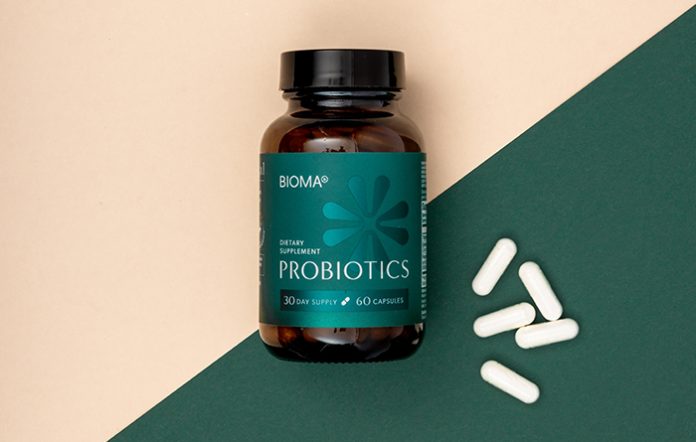
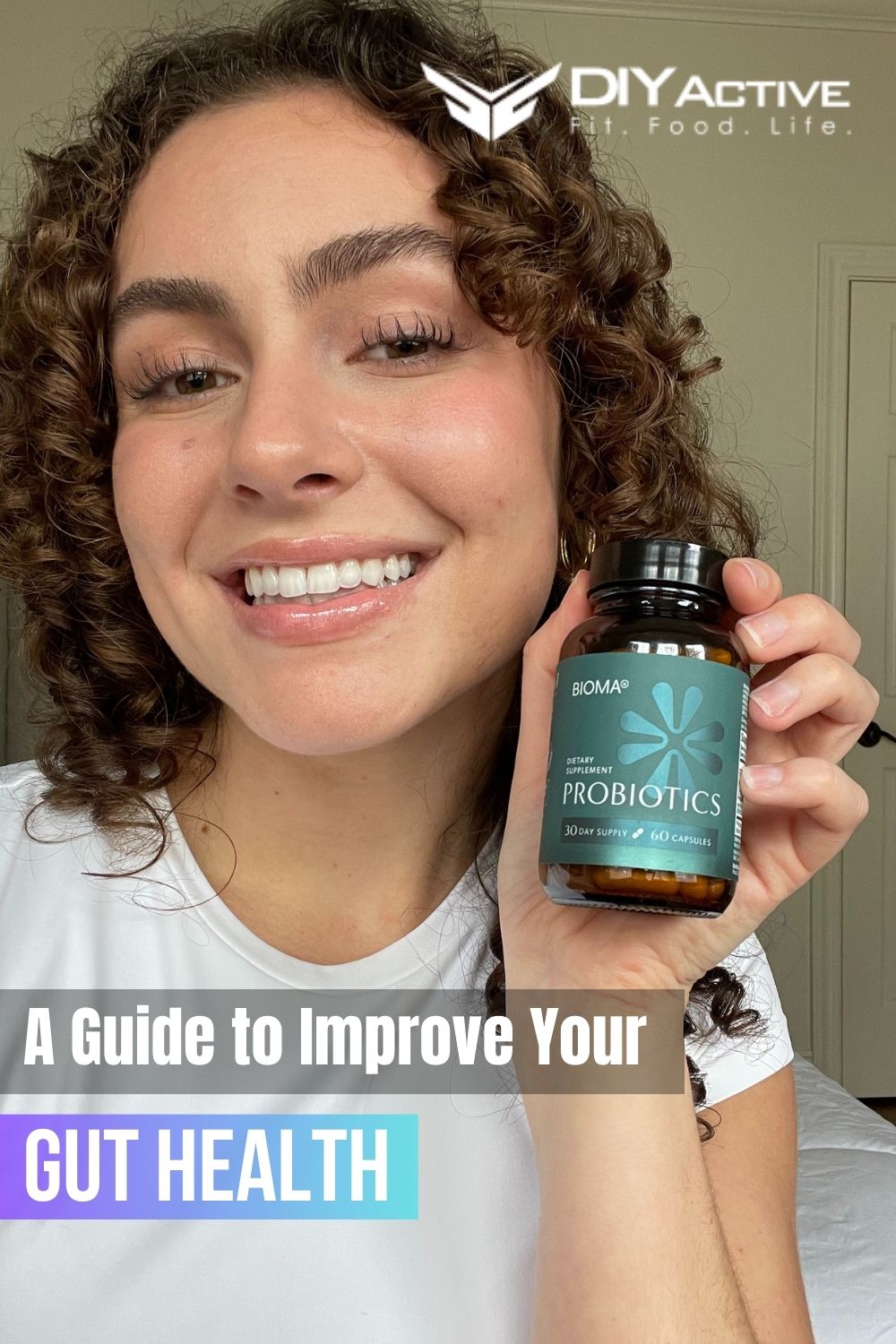
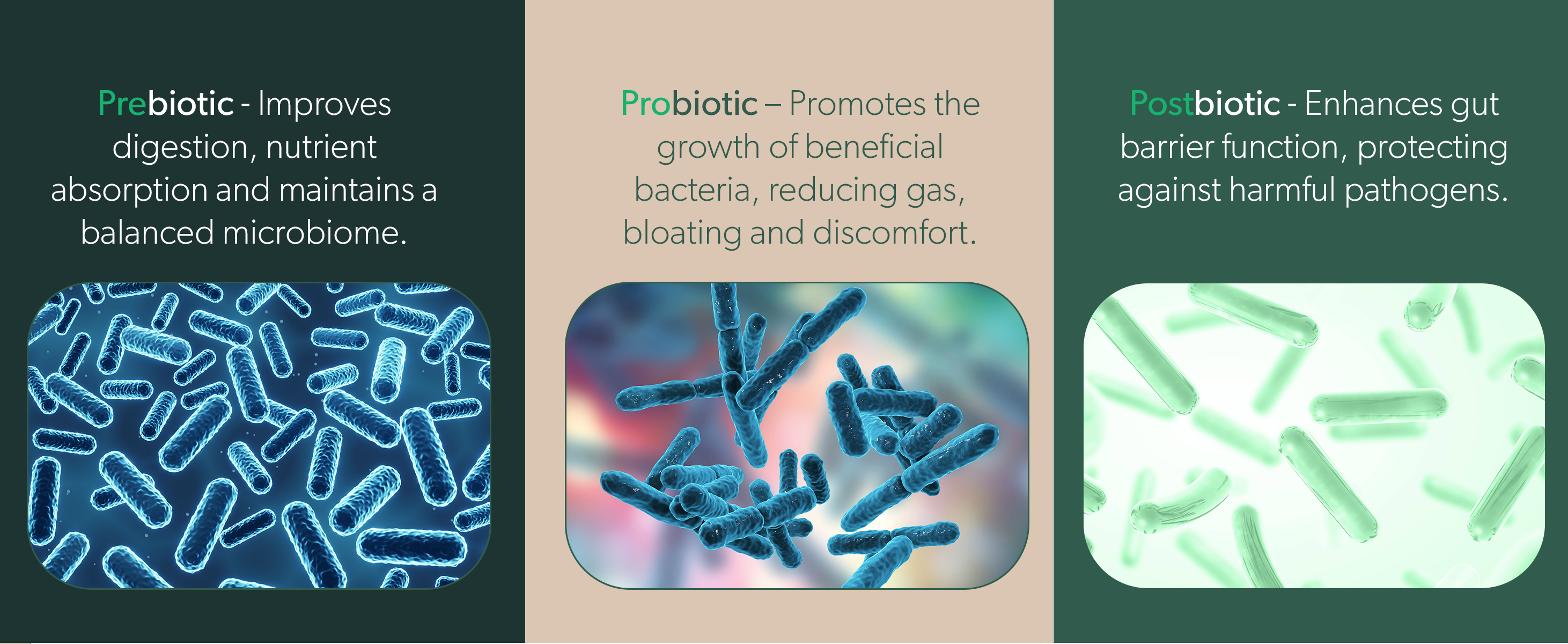
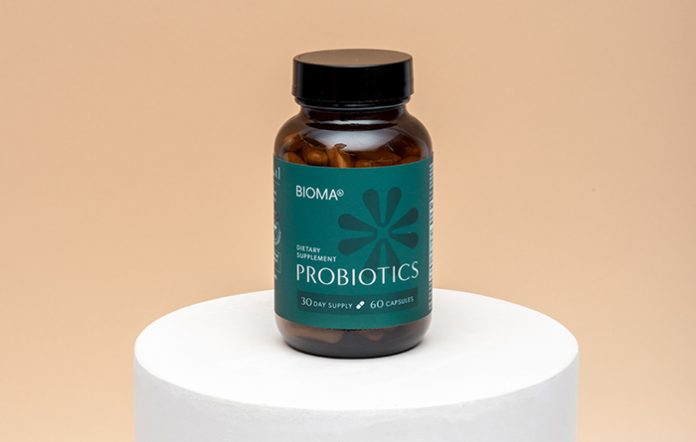
Bioma is a special health supplement that does a lot of good things for your stomach. It’s like an all-in-one solution because it has prebiotics, probiotics, and postbiotics all in one easy-to-take pill. This special mix helps your stomach stay healthy by making good bacteria grow and keeping everything balanced.
The prebiotics in Bioma are like food for the good bacteria in your stomach. The probiotics are good live bacteria that help keep your stomach healthy. And the postbiotics, which come from the probiotics, give you extra health benefits like supporting your stomach lining and making your immune system stronger.
What’s really cool about Bioma is that you get all these good things in just one pill. You don’t need to take different pills for different things. It’s super easy for anyone who wants to make their stomach healthy without a lot of hassle.
If you’re interested in trying Bioma, read our full Bioma review. Click here to kickstart your Bioma probiotics journey now. Use the code below to enjoy free shipping and a 75% discount.
Bioma Probiotics - 75% Off + FREE Shipping
Instantly save up to 75% off with Bioma Checkout Code! Plus, FREE shipping!
BIO15DIY
SHOW COUPON
On Going Offer
Share
It Works100% SuccessIt Doesn't
Final Words
In conclusion, taking care of your gut health can play a big role in managing autoimmune diseases. By nurturing a healthy gut with good foods and habits, we might give our immune system a better chance to do its job well.
Remember, small changes in diet and lifestyle can sometimes make a big difference. So, whether it’s a spoonful of yogurt or a walk in the park, every little step counts toward a healthier you!
FAQs on Gut Health and Autoimmune Diseases
What autoimmune disease is related to gut health?
One autoimmune disease tied to gut health is Crohn’s disease, where the immune system attacks the digestive tract. It leads to inflammation and can affect any part of the gut, causing pain and diarrhea.
What are the 5 common symptoms of an autoimmune disorder?
Common autoimmune disorder symptoms include fatigue, joint pain, skin rashes, digestive issues, and fever. These signals often point to the body mistakenly attacking its tissues.
How do I heal my autoimmune disease naturally?
Healing autoimmune disease naturally involves a personalized approach. Start by adjusting your diet, focusing on anti-inflammatory foods like fruits and veggies. Prioritize sleep, manage stress, and consider supplements like omega-3 fatty acids.
Discover the profound impact of stress on your gut health. Learn how 'How Stress Affects Your Gut' and ways to restore balance.
Ever felt butterflies in your stomach when stressed? Turns out, there’s a real connection between how we feel and how our gut reacts. “How Stress Affects Your Gut” is a fascinating journey into the world of mind-gut health.
Stress doesn’t just mess with our heads; it can throw our digestive system for a loop too! Let’s dive into the nitty-gritty of this important relationship and explore how our gut health can be impacted by those everyday stressors we all face.
The Gut-Brain Axis: A Complex Communication Highway
At the heart of the stress-gut connection lies the gut-brain axis, a bidirectional communication system linking the central nervous system with the enteric nervous system of the gut.
This axis facilitates constant communication via neural, hormonal, and immunological pathways. When we experience stress, the brain signals the release of stress hormones like cortisol and adrenaline, which can impact the functioning of the gut.
Acquire Bioma probiotics with a simple click right here. For a more in-depth look, delve into our detailed Bioma review. Utilize the code provided below for complimentary shipping and an exclusive 75% discount.
Bioma Probiotics - 75% Off + FREE Shipping
Instantly save up to 75% off with Bioma Checkout Code! Plus, FREE shipping!
BIO15DIY
SHOW COUPON
On Going Offer
Share
It Works100% SuccessIt Doesn't
Stress, Digestion, and Absorption: A Delicate Balance
One of the immediate effects of stress on the gut is its impact on digestion and nutrient absorption. When stressed, the body diverts blood away from the digestive system to support vital organs and muscles for the “fight or flight” response.
This can lead to a slowdown in digestion, causing issues like bloating, gas, and discomfort. Additionally, stress can alter the permeability of the intestinal lining, affecting how nutrients are absorbed.
Gut Microbiota: The Balancing Act Upended
Within our gut resides a diverse ecosystem of microorganisms known as the gut microbiota. These tiny inhabitants play a crucial role in digestion, immunity, and even mental health. Stress can disrupt this delicate balance, leading to changes in the composition and diversity of gut bacteria.
An imbalance, known as dysbiosis, has been linked to conditions such as irritable bowel syndrome (IBS), inflammatory bowel disease (IBD), and even mood disorders like depression and anxiety.
Inflammation: The Body’s Stress Response Amplified
Chronic stress is a known trigger for inflammation, and the gut is no exception. The gut is home to a large portion of our immune system, known as gut-associated lymphoid tissue (GALT).
When stress persists, it can lead to an overactive immune response in the gut, resulting in chronic inflammation. This inflammatory state has been implicated in a range of gastrointestinal disorders, from ulcers to Crohn’s disease.
Stress-Eating: The Vicious Cycle of Comfort Foods
For many, stress can be a trigger for less-than-ideal dietary choices. Comfort foods high in sugar, fat, and refined carbs often provide a temporary sense of relief from stress. However, this momentary comfort comes at a cost to gut health. Such diets can feed harmful gut bacteria while depriving beneficial microbes of the nutrients they need to thrive.
Gut Feelings: Emotional Impact on Digestive Health
The gut is often referred to as the “second brain,” given its extensive network of neurons and neurotransmitters. This intricate system allows the gut to function independently and even influence our emotional state.
When stress disrupts this delicate balance, it can lead to gastrointestinal symptoms like cramping, diarrhea, or constipation. These physical manifestations of stress further contribute to the cycle of discomfort and unease.
Coping Mechanisms: Nurturing the Gut in Stressful Times
Fortunately, there are steps we can take to support our gut health, even in the midst of stress. Mindful practices such as deep breathing, meditation, or yoga have been shown to reduce stress hormones and promote a healthy gut environment.
Additionally, incorporating a diverse range of fiber-rich foods, probiotics, and prebiotics into our diet can help maintain a thriving gut microbiota.
Seeking Balance: Holistic Approaches to Well-Being
Recognizing the intricate interplay between stress and gut health opens doors to holistic approaches to well-being. Integrative therapies such as acupuncture, herbal supplements, and massage therapy can offer relief from both stress and digestive discomfort.
Moreover, fostering a supportive social network and engaging in regular physical activity are pillars of overall health that can positively influence both our minds and our guts.
The Road Ahead: A Journey to Gut Resilience
In the labyrinth of our bodies, the path to gut resilience amidst stress may seem daunting. However, armed with knowledge and a willingness to prioritize self-care, we can navigate this terrain with grace. By honoring the symbiotic relationship between our minds and our guts, we pave the way for a healthier, more balanced life.
Bioma Probiotics
Bioma is a special health supplement that does a lot of good things for your stomach. It’s like an all-in-one solution because it has prebiotics, probiotics, and postbiotics all in one easy-to-take pill. This special mix helps your stomach stay healthy by making good bacteria grow and keeping everything balanced.
The prebiotics in Bioma are like food for the good bacteria in your stomach. The probiotics are good live bacteria that help keep your stomach healthy. And the postbiotics, which come from the probiotics, give you extra health benefits like supporting your stomach lining and making your immune system stronger.
What’s really cool about Bioma is that you get all these good things in just one pill. You don’t need to take different pills for different things. It’s super easy for anyone who wants to make their stomach healthy without a lot of hassle.
If you’re interested in trying Bioma, read our full Bioma review. Click here to kickstart your Bioma probiotics journey now. Use the code below to enjoy free shipping and a 75% discount.
Bioma Probiotics - 75% Off + FREE Shipping
Instantly save up to 75% off with Bioma Checkout Code! Plus, FREE shipping!
BIO15DIY
SHOW COUPON
On Going Offer
Share
It Works100% SuccessIt Doesn't
Final Words
In conclusion, stress really can mess with our gut! When we’re stressed, our stomachs can get upset, leading to tummy troubles like diarrhea or constipation. This happens because stress messes with the balance of good and bad bacteria in our bellies.
So, next time you’re feeling stressed, take a deep breath and maybe a probiotic too! It might just help keep your gut feeling good.
FAQs on How Stress Affects Your Gut
How stress can affect the gut?
Stress can upset the balance in your gut, leading to digestive issues like bloating and discomfort. When you’re stressed, your body produces more cortisol, affecting gut bacteria and slowing digestion. This imbalance can result in irritable bowel syndrome (IBS) or other gut-related problems, making it important to manage stress for a healthy gut.
How do you stop gut stress?
To ease gut stress, try relaxation techniques like deep breathing or yoga. Eating a balanced diet with fiber-rich foods helps regulate digestion, reducing gut tension. Also, regular exercise can lower stress levels and improve gut health. Finding what relaxes you, whether it’s a walk in nature or listening to music, can also ease gut stress effectively.
Why does stress mess up your stomach?
Stress impacts the gut due to the “brain-gut axis,” where the brain and gut communicate. When stressed, this communication can become disrupted, affecting how your stomach and intestines function.
Nerves in the gut become more active, leading to cramps, bloating, or diarrhea. So, managing stress is crucial to keeping your stomach happy and healthy.
In the realm of wellness, there’s a crucial yet often overlooked aspect that significantly impacts our overall health and vitality: gut health. While it may not be a topic of everyday conversation, the health of our gastrointestinal system plays a fundamental role in numerous bodily functions, from digestion and nutrient absorption to immune function and even mental well-being.
Unlocking Gut Health Secrets
In this comprehensive guide, we’ll delve into the intricacies of gut health, exploring what it entails, how to recognize signs of an unhealthy gut, the best foods and supplements for nurturing gut health, and how to select the right probiotics to support your digestive system.
Whether you’re seeking relief from digestive discomfort, looking to boost your immune system, or aiming to optimize your overall well-being, understanding and improving your gut health is a vital step on the path to wellness. So, let’s embark on this journey to unlock the secrets of a healthy gut!
What Is Gut Health?
Gut health is all about keeping our digestive system in balance and working properly. It includes all the organs involved in digestion, like the stomach, small intestine, large intestine, liver, and pancreas.
One of the most important things for gut health is having good bacteria living in our digestive system, which are also called gut microbiota or gut flora. These helpful bacteria are really important for many different processes in our body, like breaking down food, getting nutrients, keeping our immune system strong, and even affecting our mood.
A healthy gut is when you have lots of good bacteria living inside your body that work together to keep your digestive system running smoothly and help you stay healthy.
If you don’t have enough good bacteria, it can cause problems with your digestion, and inflammation, and even lead to serious health issues like diabetes and autoimmune disorders. So it’s important to take care of your gut and make sure you have plenty of good bacteria to keep you feeling your best.
Taking care of your gut health is important not just for your digestive system but also for your overall well-being and ability to fight off illnesses.
By making some simple changes to your lifestyle and diet, you can create a healthy environment in your gut that will help you feel better and more energized, and keep you healthy from the inside out.
5 Signs of an Unhealthy Gut
Various factors such as poor diet, stress, medications, and environmental toxins can disrupt the delicate balance of microorganisms in your gut, leading to an array of digestive issues and health concerns. In this section, we’ll explore five common signs that may indicate an unhealthy gut, helping you recognize when it’s time to take action to restore balance and promote gut health:
Digestive discomfort. Persistent symptoms such as bloating, gas, abdominal pain, cramping, constipation, or diarrhea may indicate an imbalance in gut bacteria or irritation of the intestinal lining. These symptoms often signal underlying digestive issues, such as irritable bowel syndrome (IBS), inflammatory bowel disease (IBD), or food intolerances.
Persistent fatigue. Chronic fatigue or low energy levels that persist despite adequate rest and sleep may be linked to poor gut health. The gut microbiota plays a crucial role in producing neurotransmitters and vitamins essential for energy metabolism. Imbalances in gut bacteria can disrupt these processes, leading to fatigue and lethargy.
Mood disturbances. The gut-brain axis, a bidirectional communication pathway between the gut and the brain, influences mood regulation and mental health. Imbalances in gut bacteria can impact neurotransmitter production, contributing to symptoms of anxiety, depression, mood swings, or irritability.
Food cravings and weight changes. Cravings for sugary, processed foods or frequent fluctuations in weight, particularly unexplained weight gain or difficulty losing weight, may signal imbalances in gut bacteria. Disruptions in gut microbiota can influence appetite regulation, nutrient absorption, and metabolism, potentially leading to weight-related issues.
Compromised immune function. The gut plays a critical role in immune system function, housing a significant portion of the body’s immune cells and serving as a barrier against pathogens. An unhealthy gut may weaken immune defenses, leading to frequent infections, allergies, autoimmune conditions, or chronic inflammation.
If you’re feeling bloated, gassy, or experiencing stomach pain, it could be a sign that something is not quite right with your gut. But don’t worry; there are steps you can take to restore your gut health. Simple changes to your diet and lifestyle can help support the good bacteria in your gut, which can lead to improved overall health and well-being.
Best Foods for Gut Health
Maintaining a healthy gut involves more than just avoiding certain foods; it also requires incorporating gut-friendly foods into your diet. Here are some of the best foods to promote gut health:
Fiber-rich foods. Fiber acts as fuel for the beneficial bacteria in your gut, promoting their growth and diversity. Include plenty of fruits, vegetables, whole grains, legumes, nuts, and seeds in your diet to ensure an adequate intake of fiber.
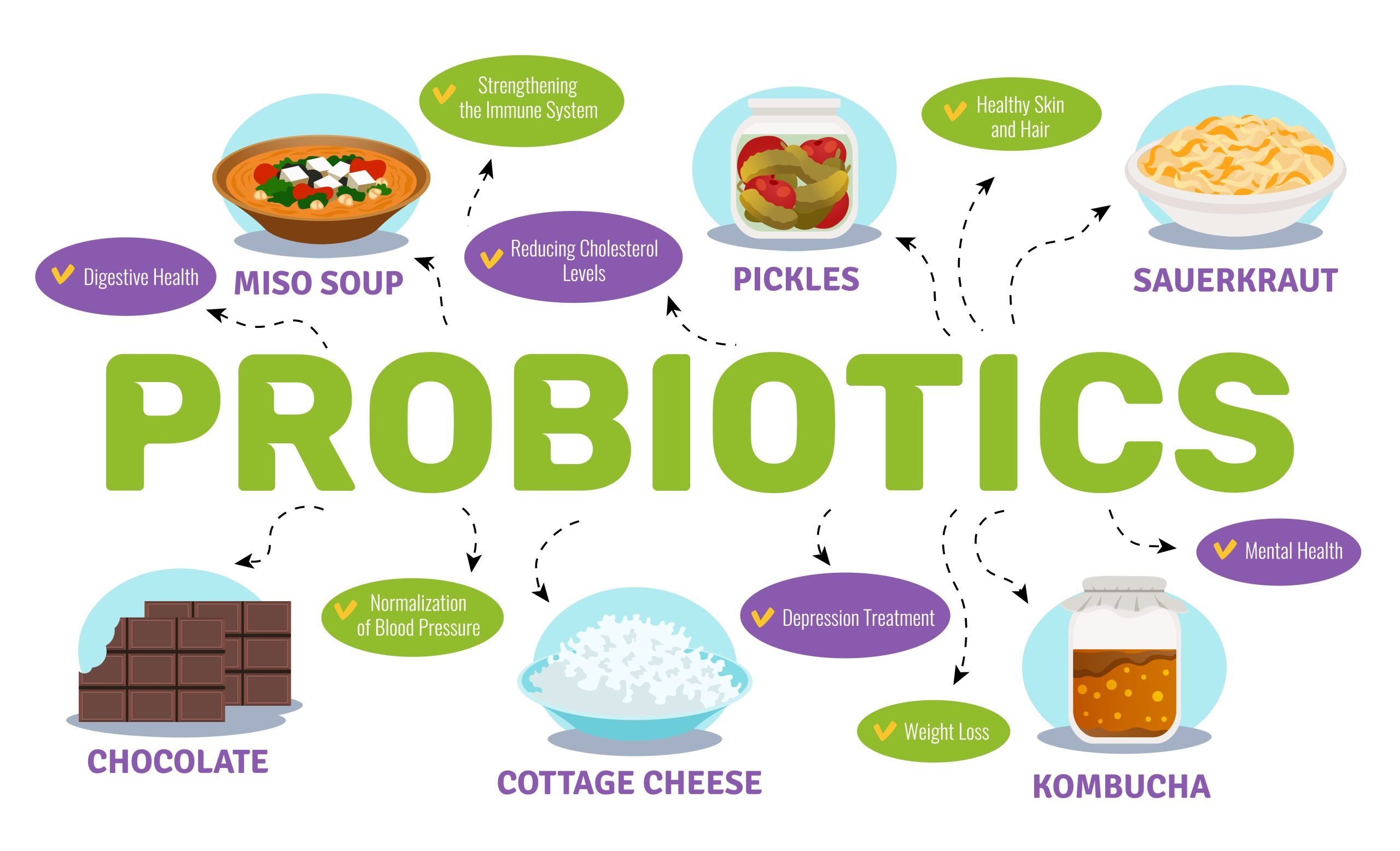
Probiotic-rich foods. Probiotics are live bacteria and yeasts that confer health benefits when consumed in adequate amounts. Incorporate fermented foods such as yogurt, kefir, sauerkraut, kimchi, miso, and kombucha into your diet to introduce beneficial bacteria into your gut.
Prebiotic-rich foods. Prebiotics are types of fiber that serve as food for probiotics, helping them thrive in your gut. Include foods like onions, garlic, leeks, asparagus, bananas, oats, and chicory root in your diet to support the growth of beneficial bacteria.
Omega-3 fatty acids. Omega-3 fatty acids possess anti-inflammatory properties and may help reduce inflammation in the gut. Include fatty fish like salmon, mackerel, and sardines, as well as chia seeds, flaxseeds, and walnuts, in your diet to boost your omega-3 intake.
Bone broth. Bone broth is rich in nutrients like collagen, gelatin, and amino acids, which can support gut health by repairing the intestinal lining and reducing inflammation.
Fermented vegetables. In addition to traditional fermented foods, fermented vegetables like pickles, kimchi, and sauerkraut are rich in probiotics and can help promote a healthy balance of gut bacteria.
Apple cider vinegar. Apple cider vinegar contains acetic acid, which may help improve digestion by increasing stomach acid production and promoting the growth of beneficial bacteria in the gut.
Incorporating these gut-friendly foods into your diet can help nourish your microbiome, support digestive health, and promote overall well-being.
Gut Health Supplements
If you find it challenging to consume all the foods necessary to nourish your gut or if you’re not particularly fond of spending hours in the kitchen, there’s still an easy way to improve your gut health.
Taking a gut health supplement can provide a convenient and effective way to support the balance of bacteria in your gut, especially when your diet may be lacking in certain nutrients or probiotic-rich foods.
These supplements typically contain a combination of probiotics, prebiotics, and other nutrients aimed at promoting a healthy gut microbiome. Here are some key types of gut health supplements to consider:
Probiotics. Probiotic supplements contain live strains of beneficial bacteria that can help restore and maintain a healthy balance of gut flora. Look for supplements that contain a variety of strains, including Lactobacillus and Bifidobacterium species, which have been shown to offer various health benefits.
Prebiotics. Prebiotic supplements contain nondigestible fibers that serve as food for the beneficial bacteria in your gut. By nourishing these bacteria, prebiotics can help promote their growth and activity, supporting overall gut health.
Synbiotics. Synbiotic supplements combine both probiotics and prebiotics in a single formulation, offering the benefits of both types of gut-friendly ingredients. This synergistic approach can help enhance the effectiveness of the supplement in supporting digestive wellness.
Digestive enzymes. Digestive enzyme supplements contain enzymes that help break down carbohydrates, proteins, and fats in the digestive tract, aiding in the digestion and absorption of nutrients. These supplements may be particularly beneficial for individuals with digestive issues or those who have difficulty digesting certain foods.
Postbiotics. Postbiotics are the metabolites produced by probiotic bacteria during fermentation. While less common than probiotics and prebiotics, postbiotic supplements are gaining attention for their potential to support gut health and overall well-being.
If you’re planning to take new supplements to improve your gut health, it’s crucial to first talk to a healthcare professional. This is especially important if you have any health issues or are taking medications that might interact with the supplements.
Best Probiotics for Gut Health & How to Choose Them
With numerous probiotic supplements available on the market, selecting the right one can be overwhelming. Here are some key factors to consider when choosing the best probiotics for gut health:
Strain diversity. Look for probiotic supplements that contain a variety of bacterial strains, including Lactobacillus and Bifidobacterium species. Each strain may offer unique health benefits, so a diverse formulation can help ensure comprehensive support for your gut microbiome.
CFU count. CFU, or colony-forming units, indicate the number of viable bacteria present in each dose of the supplement. Choose probiotics with a high CFU count to ensure sufficient quantities of beneficial bacteria reach your gut and exert their effects.
Survivability. Probiotic bacteria are sensitive to heat, moisture, and stomach acid, which can reduce their viability during storage and digestion. Look for supplements with enteric coatings or microencapsulation technology, which help protect the bacteria from degradation and ensure their survival until they reach the intestines.
Additional ingredients. Some probiotic supplements may contain prebiotics, which serve as food for the probiotic bacteria and support their growth and activity. Others may include digestive enzymes or postbiotics, which can further enhance gut health. Consider your specific needs and preferences when selecting a probiotic supplement with additional ingredients.
Formulation type. Probiotic supplements come in various formulations, including capsules, tablets, powders, and liquids. Choose a formulation that is convenient and easy for you to incorporate into your daily routine.
Health benefits. Consider your specific health goals when selecting a probiotic supplement. Some strains may be more beneficial for certain conditions, such as digestive issues, immune support, or mood regulation. Choose a probiotic that aligns with your individual needs and preferences.
By considering these factors and choosing a high-quality probiotic supplement, you can effectively support your gut health and promote overall well-being. Remember to consult with a healthcare professional before starting any new supplement regimen, especially if you have underlying health conditions or are taking medications.
Editor’s choice for the best probiotic supplement: Let’s highlight one exceptional probiotic supplement that encompasses all three components essential for gut health: probiotics, prebiotics, and postbiotics. Bioma stands out as a comprehensive solution that combines these elements into a single, convenient formula.
By integrating probiotics to introduce beneficial bacteria, prebiotics to nourish their growth, and postbiotics to support overall gut health, Bioma offers a holistic approach to gut microbiome support.
Moreover, with Bioma, you can enjoy the benefits of all three components at a fraction of the cost compared to purchasing them separately. This science-backed supplement provides an affordable and effective solution for optimizing gut health and promoting overall well-being.
Bioma provides a complete solution to enhance digestion, strengthen immunity, relieve digestive issues, and improve overall digestive health. Bioma’s thoughtfully chosen ingredients work together to help the body absorb nutrients better, maintain a healthy weight, and promote better mood and energy levels. Bioma makes it easy and efficient for people to improve their gut health, resulting in increased energy and a better quality of life.
Bioma Probiotics - 75% Off + FREE Shipping
Instantly save up to 75% off with Bioma Checkout Code! Plus, FREE shipping!
BIO15DIY
SHOW COUPON
On Going Offer
Share
It Works100% SuccessIt Doesn't
FAQs
What are prebiotics?
Prebiotics are special fibers that are not broken down by our bodies but serve as food for the good bacteria in our digestive system. They help these bacteria grow and multiply, and keep our gut healthy. Think of them as fuel for the tiny creatures in our stomachs that keep us feeling good.
What are probiotics?
Probiotics are tiny living organisms found in some foods and supplements that can help keep your gut healthy. They are mostly bacteria but also include some types of yeast. When you eat enough probiotics, they can improve the balance of bacteria in your gut, which can help you digest food better and support your overall health.
When to take probiotics?
Probiotics are supplements that can help improve your gut health. You can take them at any time of the day, with or without food. However, some people think it’s better to take them on an empty stomach because it helps your body absorb them better. It’s important to read the label or talk to a doctor or nurse to make sure you take the right amount at the right time.
When to take prebiotics?
Prebiotics are helpful substances that can be taken at any time of the day, with food or a snack. When consumed along with probiotics, they can make them work even better by providing food for good bacteria in the gut.
How long do probiotics take to work?
The effects of probiotics can take different amounts of time to show up in different people. This depends on things like the kind of probiotic you’re taking, how much you’re taking, and what health issues you’re trying to improve. Some people might feel better in just a few days, while others might need a few weeks to start to notice any changes. But it’s important to keep taking probiotics consistently to get the most benefits in the long run.
Welcome to “Yogurt 101: A Comprehensive Guide to Probiotic Yogurts” – your go-to source for all things tangy, creamy, and healthy! If you’ve ever wondered about the magic behind that spoonful of goodness, you’re in the right place. We’ll discuss probiotics, those friendly bacteria that pack a punch in your yogurt cup.
From understanding their benefits to choosing the perfect probiotic blend, get ready to become a yogurt aficionado! So grab your spoon, and let’s embark on this deliciously enlightening journey into the world of probiotic yogurts!
Understanding Probiotic Yogurts
Probiotic yogurts are a special type of yogurt that contains live and active cultures of beneficial bacteria. These bacteria, such as Lactobacillus and Bifidobacterium, are known for their positive effects on gut health. When consumed, they can help restore the natural balance of bacteria in the digestive system, aiding in digestion and overall well-being.
The live cultures in probiotic yogurt are what set it apart from regular yogurt. These cultures are added after the yogurt has been pasteurized, ensuring that the beneficial bacteria remain alive and active. As a result, probiotic yogurts are considered a valuable source of “good” bacteria that can colonize the gut and support various aspects of health.
You can acquire Bioma probiotics by simply clicking here. If you want more information about it, you can read our Bioma review. Use the code below to enjoy free shipping and receive a 75% discount.
Bioma Probiotics - 75% Off + FREE Shipping
Instantly save up to 75% off with Bioma Checkout Code! Plus, FREE shipping!
BIO15DIY
SHOW COUPON
On Going Offer
Share
It Works100% SuccessIt Doesn't
Health Benefits of Probiotic Yogurts
The benefits of probiotic yogurts extend far beyond just digestion. Research suggests that regularly consuming these yogurts can boost the immune system, improve nutrient absorption, and even enhance mental health.
Immune System Boost: The gut plays a significant role in the immune system, and a healthy balance of gut bacteria is crucial for its proper function. Probiotic yogurts help maintain this balance, strengthening the body’s defense against harmful pathogens.
Improved Nutrient Absorption: A healthy gut is essential for absorbing nutrients from the foods we eat. Probiotics aid in this process by promoting a healthy gut lining, allowing for better absorption of vitamins, minerals, and other essential nutrients.
Enhanced Mental Health: The gut-brain connection is a fascinating area of research, and probiotic yogurts may play a role in improving mood and mental well-being. Some studies have suggested that the gut microbiome influences neurotransmitter production, potentially impacting mood and cognitive function.
Reduced Inflammation: Chronic inflammation is linked to various health conditions, including heart disease, diabetes, and autoimmune disorders. Probiotic yogurts have shown promise in reducing inflammation in the body, potentially lowering the risk of these conditions.
When selecting a probiotic yogurt, it’s essential to look for a few key factors. Firstly, check the label for the presence of live and active cultures. The more diverse the strains of bacteria, the better. Look for yogurts that mention specific strains, such as Lactobacillus acidophilus or Bifidobacterium lactis.
Additionally, opt for yogurts with no added sugars or artificial sweeteners, as these can counteract the benefits of the probiotics. Sugar can feed harmful bacteria in the gut, offsetting the positive effects of the probiotics. Instead, choose plain, unsweetened varieties and add your sweeteners or fruits at home.
Organic and grass-fed options are also great choices for superior quality. Organic yogurts are made from milk produced without synthetic pesticides or antibiotics, while grass-fed yogurts come from cows fed a natural diet, resulting in higher levels of beneficial nutrients.
Incorporating Probiotic Yogurts into Your Diet
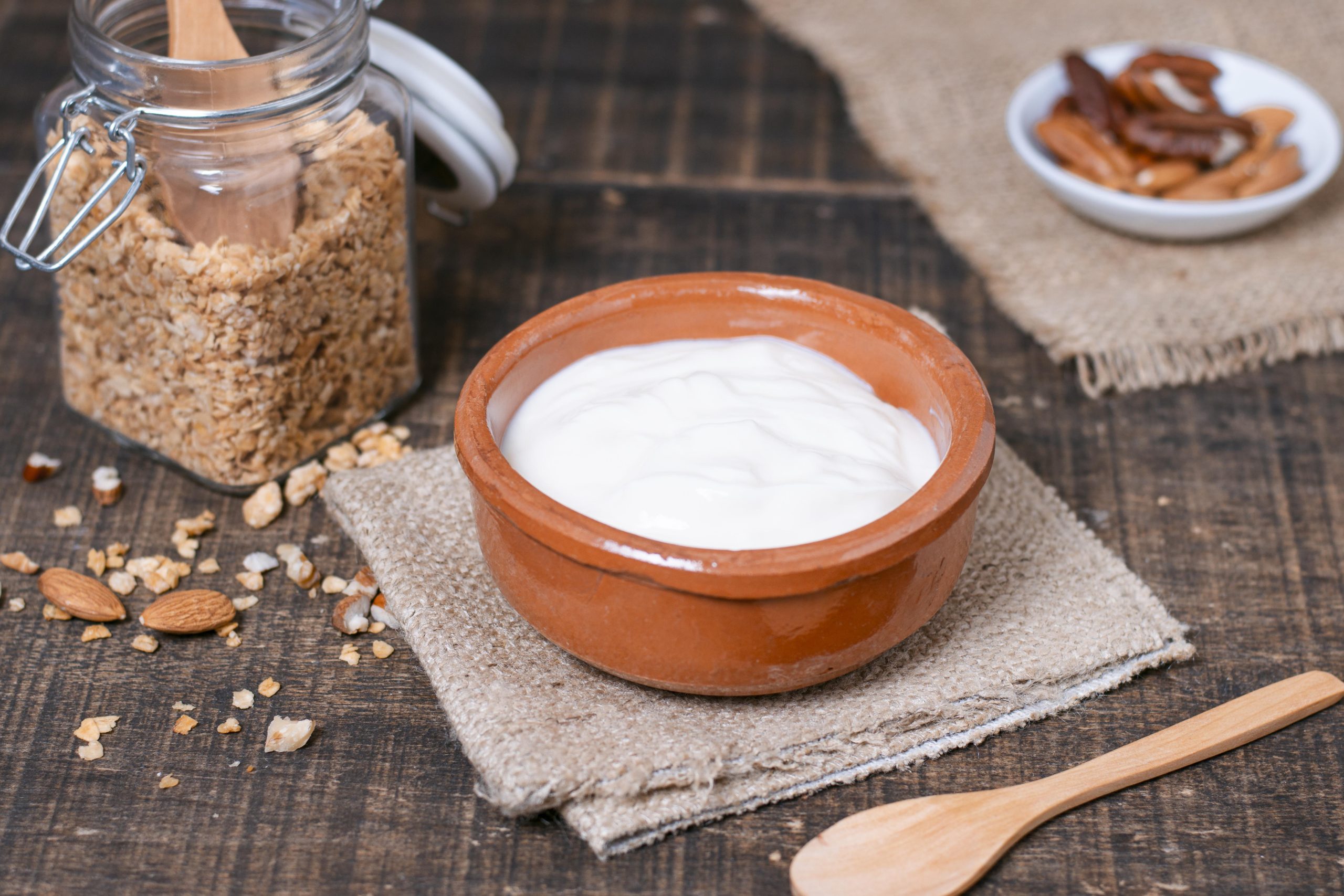
There are countless ways to enjoy probiotic yogurts in your daily meals. For a quick and nutritious breakfast, top a bowl of yogurt with fresh fruits, nuts, and a drizzle of honey. This combination provides a balance of carbohydrates, protein, and healthy fats to start your day off right.
You can also use yogurt as a base for smoothies, adding in your favorite fruits and vegetables for a creamy treat. The probiotics in the yogurt will add a tangy flavor while providing a healthful boost.
For a savory twist, use yogurt as a marinade for meats or as a tangy dressing for salads. The acidity of the yogurt helps tenderize meat while adding a delightful tang to salads.
Making Your Own Probiotic Yogurt
For those who love a good DIY project, making your own probiotic yogurt at home is easier than you might think. All you need is milk and a starter culture containing live bacteria. You can find starter cultures online or in health food stores.
To make yogurt at home, start by heating the milk to around 180°F (82°C) to kill any harmful bacteria. Let it cool to around 110°F (43°C) before adding the starter culture. Stir the culture into the milk and then transfer the mixture to a clean container. Cover it and let it ferment at a warm temperature (around 110°F or 43°C) for 4-12 hours, depending on the desired tartness.
Once the yogurt has reached the desired consistency, refrigerate it to halt the fermentation process. You can then enjoy your homemade probiotic yogurt plain or with your favorite mix-ins.
Storage and Shelf Life
To preserve the probiotics in your yogurt, it’s crucial to store it properly. Keep it refrigerated at all times, and consume it before the expiration date for the best quality. If you’ve made yogurt at home, remember to save a bit of each batch as a starter culture for the next one.
This way, you can continue to enjoy fresh, homemade probiotic yogurt whenever you please.
Bioma Probiotics
Bioma is a special health supplement that does a lot of good things for your stomach. It’s like an all-in-one solution because it has prebiotics, probiotics, and postbiotics all in one easy-to-take pill. This special mix helps your stomach stay healthy by making good bacteria grow and keeping everything balanced.
The prebiotics in Bioma are like food for the good bacteria in your stomach. The probiotics are good live bacteria that help keep your stomach healthy. And the postbiotics, which come from the probiotics, give you extra health benefits like supporting your stomach lining and making your immune system stronger.
What’s really cool about Bioma is that you get all these good things in just one pill. You don’t need to take different pills for different things. It’s super easy for anyone who wants to make their stomach healthy without a lot of hassle.
If you’re interested in trying Bioma, read our full Bioma review. Click here to kickstart your Bioma probiotics journey now. Use the code below to enjoy free shipping and a 75% discount.
Bioma Probiotics - 75% Off + FREE Shipping
Instantly save up to 75% off with Bioma Checkout Code! Plus, FREE shipping!
BIO15DIY
SHOW COUPON
On Going Offer
Share
It Works100% SuccessIt Doesn't
Wrap-Up
So there you have it—a tasty journey through the world of probiotic yogurts! Remember, these creamy delights aren’t just delicious; they’re packed with gut-friendly bacteria that can do wonders for your health.
Whether you prefer Greek, Icelandic, or plant-based options, there’s a probiotic yogurt out there for everyone. So next time you’re in the dairy aisle, don’t forget to grab a tub and give your gut some love!
FAQs on Probiotic Yogurts
Which yogurt is highest in probiotics?
Some yogurts that are highest in probiotics include Greek yogurt, kefir, and certain types of plain yogurt. These varieties are known for having live and active cultures, which are good bacteria that can be beneficial for gut health.
What is probiotic yogurt good for?
Probiotic yogurt is good for your digestive system because it contains live bacteria that can help balance the gut microbiome. It may also support a healthy immune system and improve the absorption of nutrients from food.
What is the difference between regular yogurt and probiotic yogurt?
The main difference between regular yogurt and probiotic yogurt is that probiotic yogurt contains specific strains of live bacteria, while regular yogurt might not. Probiotic yogurt is intentionally made with these live cultures to provide added health benefits for your gut.
When trying to achieve a healthy weight, we often focus on things like diet and exercise, but there is another important factor that we may overlook – the health of our gut. Our gut is home to many tiny living organisms that help us digest food and keep us healthy. These organisms also play a role in regulating our weight.
Gut Health: A Key Factor in Weight Management & Overall Health
In this article, we’ll explore how taking care of our gut can help us lose weight and improve our overall health. First of all, let’s delve into the intricacies of gut health and its impact on weight management!
Healthy Weight Loss: Understanding the Basics
Losing weight in a healthy way involves making changes in your everyday habits that you can keep up with in the long run. The key to healthy weight loss is to balance the amount of energy you take in through food and drinks with the amount of energy you use through physical activity.
This means eating healthy foods that give your body the nutrients it needs without eating too much. It’s also important to be physically active on a regular basis to help your body burn calories, build muscle, and improve your overall fitness.
Key factors in healthy weight loss include adopting a balanced and varied diet that includes plenty of fruits, vegetables, whole grains, lean proteins, and healthy fats.
These foods provide essential vitamins, minerals, and fiber while keeping you feeling satisfied and energized. Portion control is another important aspect, as it helps prevent overeating and allows you to enjoy a wide range of foods without excess calories.
Apart from eating healthy and staying active, there are a few other things you should keep in mind if you want to lose weight and stay healthy. Getting enough sleep, managing stress, and drinking enough water are all important factors that can help you achieve your weight loss goals.
When you don’t get enough sleep or feel stressed out, your body produces hormones that make you feel hungry and can cause you to gain weight. Drinking plenty of water can also help you feel full and prevent overeating.
So, if you want to lose weight in a healthy way, make sure you get enough sleep, manage stress, and drink plenty of water!
Lastly, it’s becoming clearer that having a healthy mix of bacteria in your gut is really important if you want to lose weight. When the mix of bacteria in your gut is diverse and balanced, it can help you digest food better, speed up your metabolism, and boost your immune system. This can all make it easier for you to manage your weight.
What Is the Gut Microbiome?
The gut microbiome is a large and diverse group of tiny living things that live in our digestive system, especially in the colon. These living things are made up of bacteria, viruses, fungi, and other microbes.
They help us in many ways, such as breaking down food, regulating our metabolism, and keeping our immune system strong.
In a healthy person, the gut has a variety of good bacteria that do important things like breaking down food, making vitamins, and helping the immune system. These bacteria also keep the bad bacteria from growing too much by competing with them and producing substances that fight them off.
It’s important to keep a healthy balance of tiny living things called microorganisms in our gut to stay healthy. If this balance is disrupted, it can lead to various health problems like stomach issues, metabolic conditions, autoimmune diseases, and even mental health issues.
The gut microbiome can also affect our weight and overall health, and researchers are looking at ways to use it to help us lose weight and improve our well-being.
Gut Microbiota and Obesity
There has been a lot of talk lately about how the bacteria in our gut can affect our weight. Studies show that people who are overweight have less variety in the types of bacteria living in their gut compared to those who are at a healthy weight.
Additionally, certain types of bacteria are more common in the guts of people who are overweight.
An imbalance in gut microbiota, known as dysbiosis, is associated with metabolic disorders like obesity and insulin resistance. Dysbiosis can lead to inflammation, impaired nutrient absorption, and altered energy metabolism, all of which contribute to weight gain and difficulty in losing weight.
Why Is Gut Health Important for Weight Loss?
Maintaining a healthy gut is important for weight management because it affects the way our bodies process food. When our gut is healthy, it helps us digest and absorb all the important nutrients we need while also preventing excess fat from building up. This means that taking care of our gut can help keep our bodies healthy and balanced.
The bacteria living in our gut help us stay healthy by producing certain chemicals called short-chain fatty acids (SCFAs) when we eat foods that are high in fiber.
These SCFAs are good for our body because they help us control our weight, reduce inflammation, and improve insulin sensitivity. They also help us feel full and satisfied after a meal, so we are less likely to snack on unhealthy foods.
By making certain changes to your diet, taking probiotic supplements, and adopting a healthier lifestyle, you can improve your gut health. This can help you lose weight by promoting a balanced and diverse gut microbiome.
Beyond weight loss, improving your gut health can also improve your overall well-being and metabolic health.
Best Foods for Gut Health and Weight Loss
A diet rich in fiber, phenols, fermented foods, and healthy fats can promote gut health and aid in weight loss efforts.
Fiber-rich foods. Including fruits, vegetables, whole grains, legumes, and nuts in your diet provides ample fiber, which acts as prebiotics. Prebiotics nourish beneficial gut bacteria, promoting their growth and supporting a healthy gut environment. Fiber also aids in digestion and helps regulate appetite, making it easier to manage weight.
Phenol-rich foods. Colorful fruits and vegetables are rich in phenols, and antioxidants that reduce inflammation and support gut health. Phenols help maintain a balanced gut microbiome by protecting against harmful bacteria and promoting the growth of beneficial ones. Including a variety of phenol-rich foods in your diet can contribute to weight loss and overall well-being.
Fermented foods. Yogurt, kefir, sauerkraut, and kimchi are examples of fermented foods that contain probiotics. Probiotics are beneficial bacteria that enhance gut health and aid in digestion. Regular consumption of fermented foods can help maintain a diverse gut microbiome, which is essential for efficient metabolism and weight management.
Healthy fats. Incorporating sources of healthy fats such as avocados, nuts, seeds, and fatty fish provides essential nutrients and promotes satiety. Healthy fats help control hunger and prevent overeating, supporting weight loss efforts. Omega-3 fatty acids, found in fatty fish like salmon and trout, also have anti-inflammatory properties that benefit gut health and overall wellness.
By including these gut-friendly foods in your diet, you can support your weight loss goals while promoting a healthy gut microbiome and overall well-being.
It’s important to note that while dietary choices play a significant role in gut health and weight loss, incorporating probiotics can further enhance these benefits by introducing beneficial bacteria directly into the gut.
Probiotics for a Healthy Gut
Probiotics play an important role in maintaining a healthy balance of microbes in our gut. They help keep the harmful germs in check and support our digestive system in breaking down food and absorbing the necessary nutrients. By doing so, they also help our immune system fight off infections and inflammation.
When it comes to weight loss, probiotics have garnered significant attention due to their potential impact on metabolism, fat storage, and appetite regulation. Research suggests that certain strains of probiotics may help to modulate energy metabolism, leading to increased calorie expenditure and fat breakdown.
Additionally, probiotics can influence the production of hormones involved in appetite control, potentially reducing feelings of hunger and promoting satiety.
Did you know that probiotics can help reduce inflammation in our gut? Inflammation can lead to obesity and other health issues. By keeping our gut healthy, probiotics can help reduce inflammation and improve our body’s ability to use insulin, which is important for weight management.
Some types of probiotics can even directly affect the way our body processes fat, leading to better body composition and weight control.
Best Probiotic for Gut Health and Weight Loss
When it comes to probiotic supplements, Biomastands out as an exceptional choice for promoting gut health and supporting weight loss. As an editor’s choice selection, Bioma offers a comprehensive solution that combines probiotics, prebiotics, and postbiotics in a single formula, making it a convenient and effective option for optimizing digestive wellness.
One of the key advantages of Bioma is its unique formulation, which includes a diverse array of probiotic strains, prebiotic fibers, and postbiotic metabolites.
By incorporating multiple types of beneficial microbes, Bioma ensures comprehensive support for gut health, helping to restore microbial balance and promote a thriving ecosystem within the digestive tract.
Bioma’s ingredients work together in a unique way: prebiotics are like food for the good bacteria, helping them grow and multiply, while postbiotics are natural substances produced by the good bacteria that help to keep your gut healthy and boost your immune system. Together, these ingredients provide complete and balanced support for your digestive health and overall well-being.
In terms of weight loss, Bioma offers several benefits that can contribute to achieving and maintaining a healthy body weight. By promoting a balanced and diverse gut microbiome, Bioma helps to optimize digestion, enhance nutrient absorption, and regulate metabolism, all of which are essential factors in effective weight management.
Additionally, the probiotic strains in Bioma may exert direct effects on fat metabolism and appetite regulation, further supporting weight loss goals. What’s not to love? Right now, save big on Bioma with this exclusive discount code:
Bioma Probiotics - 75% Off + FREE Shipping
Instantly save up to 75% off with Bioma Checkout Code! Plus, FREE shipping!
BIO15DIY
SHOW COUPON
On Going Offer
Share
It Works100% SuccessIt Doesn't
Final Words
Improving gut health is not only essential for digestive wellness but also plays a crucial role in supporting weight loss efforts. By focusing on nourishing your gut microbiome through a balanced diet, supplementation, and lifestyle choices, you can optimize digestion, enhance nutrient absorption, and regulate metabolism, ultimately contributing to a healthier body weight.
To promote a diverse and thriving gut microbiome, remember to incorporate plenty of fiber-rich foods, such as fruits, vegetables, whole grains, and legumes. Additionally, consider incorporating probiotic-rich foods like yogurt, kefir, sauerkraut, and kimchi, and supplementing with a high-quality probiotic like Bioma to further support gut health.
Stay hydrated, manage stress levels, prioritize sleep, and engage in regular physical activity to maintain overall well-being and support a healthy gut. With consistent effort and a focus on nurturing your gut microbiome, you can pave the way for sustainable weight loss and improved health outcomes.
Instantly save up to 75% off with Bioma Checkout Code! Plus, FREE shipping!
BIO15DIY
SHOW COUPON
On Going Offer
Share
It Works100% SuccessIt Doesn't
FAQs
What is the best diet for gut health and weight loss?
A diet rich in whole, unprocessed foods, including plenty of fruits, vegetables, whole grains, lean proteins, and healthy fats, is ideal for supporting gut health and weight loss. Incorporating fermented foods, such as yogurt, kefir, and kimchi, can also provide beneficial probiotics.
What is the best breakfast for gut health?
A balanced breakfast that includes fiber-rich foods, such as oatmeal with berries, whole grain toast with avocado, or Greek yogurt with nuts and seeds, can support gut health and promote weight loss by providing essential nutrients and supporting digestive function.
Are detox diets good for gut health and weight loss?
While detox diets are popular, they are not necessary or recommended for improving gut health or achieving sustainable weight loss. Instead, focus on consuming a balanced diet, staying hydrated, and engaging in regular physical activity to support your body’s natural detoxification processes.
What are the essential vitamins for gut health and weight loss?
Certain vitamins and minerals play a role in supporting gut health and may indirectly contribute to weight loss by promoting optimal digestion and nutrient absorption. Key nutrients include vitamin D, vitamin B12, magnesium, and zinc, which can be obtained through a balanced diet or supplements if necessary.
What is the best drink for gut health?
Water is the best drink for supporting gut health and overall well-being. Staying hydrated is essential for proper digestion, nutrient absorption, and bowel regularity. Herbal teas, kombucha, and green juices can also provide additional hydration and beneficial nutrients for gut health when consumed in moderation.
Ever wondered how to keep your tummy feeling its best? These little wonders are like tiny superheroes for your stomach, working hard to keep things balanced and healthy.
From tangy yogurt to crunchy pickles, these foods not only taste delicious but also pack a punch when it comes to promoting good digestion. So, let’s explore these gut-friendly goodies that will leave your belly smiling!
Probiotics
Probiotics are like superheroes for our bodies. They are tiny living things, mostly good bacteria, that can help us stay healthy when we eat enough of them. Not all bacteria are bad; some are really good for our stomachs.
We can find probiotics in foods like yogurt, kefir, and sauerkraut, which are all fermented. When we eat these foods, the good bacteria in them join the good bacteria already in our stomachs. This helps keep a good balance between the good and bad bacteria.
Probiotics make our stomachs stronger by adding more variety to the good bacteria living there. This helps us digest food better, take in more nutrients, and make our immune system stronger. They can also help with tummy problems like irritable bowel syndrome (IBS), and even with feelings like being very worried or sad.
Let’s kick off with an old favorite—yogurt. This creamy delight is teeming with live and active cultures like Lactobacillus bulgaricus and Streptococcus thermophilus. These friendly bacteria work wonders for your gut by helping to break down lactose, improve digestion, and promote a healthy balance of gut flora.
Additionally, yogurt is an excellent source of calcium and protein, making it a nutritional powerhouse. Whether you prefer it plain, flavored, Greek, or Icelandic style, yogurt is a versatile probiotic option that can easily be incorporated into your daily diet.
Kombucha: The Funky Fermented Tea
For those craving a tangy, effervescent drink, look no further than kombucha. This fermented tea is made by adding a symbiotic culture of bacteria and yeast (SCOBY) to sweetened tea and allowing it to ferment. The result is a slightly sour, fizzy beverage packed with probiotics and a host of health benefits.
Kombucha is known to aid digestion, boost immunity, and even provide a gentle energy lift thanks to its B vitamins. With flavors ranging from classic black tea to exotic blends like ginger, berry, and citrus, there’s a kombucha for every palate.
Kimchi: Korea’s Spicy Gut Guardian
Hailing from Korea, kimchi is a spicy, tangy dish made from fermented vegetables, most commonly cabbage and radishes. This beloved side dish is a treasure trove of probiotics, particularly Lactobacillus kimchii, which helps to promote a diverse and healthy gut microbiome.
In addition to its probiotic benefits, kimchi is rich in vitamins A and C, as well as antioxidants, making it a nutritional powerhouse. Whether enjoyed on its own, mixed into rice or noodles, or used to add a kick to sandwiches and wraps, kimchi is a flavorful way to support gut health.
Sauerkraut: The Classic Fermented Cabbage
Traveling over to Europe, we find sauerkraut, a staple in German cuisine. This simple yet delicious dish is made by fermenting finely shredded cabbage with salt. During fermentation, Lactobacillus plantarum and other probiotic strains develop, lending sauerkraut its tangy flavor and gut-friendly benefits.
In addition to its probiotic properties, sauerkraut is a good source of fiber, vitamins C and K, and antioxidants. Enjoy it as a side dish alongside sausages and potatoes, add it to sandwiches and salads, or get creative with incorporating it into various recipes for a flavorful boost of probiotics.
Kefir: The Versatile Probiotic Elixir
Move over, regular milk—kefir is here to steal the show. This fermented dairy product is similar to yogurt but with a thinner consistency and a tangier taste. Kefir is made by adding kefir grains (a combination of bacteria and yeast) to milk, allowing it to ferment.
The result is a probiotic-rich drink packed with a variety of beneficial bacteria and yeasts. Drinking kefir can help improve digestion, support immune function, and may even enhance lactose tolerance.
With its creamy texture and slightly sour flavor, kefir can be enjoyed plain, blended into smoothies, poured over cereal, or used as a base for salad dressings and dips.
Miso: Japan’s Gut-Friendly Paste
In the land of the rising sun, miso takes the spotlight. This traditional Japanese seasoning is made by fermenting soybeans with salt and koji, a type of fungus. The fermentation process produces a thick paste with a savory, umami-rich flavor that adds depth to soups, marinades, glazes, and more.
Miso is a powerhouse of probiotics, including strains like Lactobacillus acidophilus and Bifidobacterium. In addition to its gut-friendly benefits, miso is also a good source of protein, vitamins, and minerals. Whether used to make a comforting bowl of miso soup or as a marinade for grilled vegetables and meats, miso is a flavorful way to support gut health.
Tempeh: Indonesia’s Plant-Based Probiotic
For our plant-based warriors, tempeh offers a delicious way to get your probiotics. Originating from Indonesia, tempeh is made from fermented soybeans, giving it a nutty flavor and a firm texture.
The fermentation process not only enhances the flavor of tempeh but also increases its nutrient content, including probiotics such as Bifidobacterium and Lactobacillus.
High in protein, fiber, and vitamins, tempeh is a versatile ingredient that can be grilled, sautéed, baked, or crumbled into dishes. From stir-fries to sandwiches to salads, tempeh adds a nutritious and probiotic punch to any meal.
Pickles: The Crisp and Crunchy Probiotic Snack
Craving something crunchy? Reach for a pickle! These tangy treats are cucumbers fermented in a brine solution, naturally rich in probiotics like Lactobacillus plantarum. Pickles not only satisfy your craving for something salty and crunchy but also provide a healthy dose of gut-friendly bacteria.
Enjoy them straight from the jar as a satisfying snack, add them to sandwiches and burgers for extra flavor, or chop them up and toss them into salads for a zesty twist. With their crisp texture and tangy flavor, pickles are a delicious way to support gut health.
Kvass: Russia’s Fermented Rye Bread Drink
Traveling to Russia, we discover kvass, a traditional fermented beverage made from rye bread. This tangy drink is rich in probiotics, particularly Lactobacillus brevis, which contribute to its distinct flavor and gut-friendly benefits. Kvass is often enjoyed chilled on a hot day as a refreshing thirst-quencher.
Its slightly sour taste makes it a unique alternative to other beverages, and it can even be used as a base for cocktails. Whether sipped on its own or used in culinary creations, kvass offers a flavorful way to incorporate probiotics into your diet.
Traditional Buttermilk: The Forgotten Probiotic Gem
Last but certainly not least, we have traditional buttermilk. Unlike the cultured buttermilk found in supermarkets, traditional buttermilk results from the leftover liquid after churning butter. This tangy beverage is rich in Lactobacillus acidophilus, a probiotic strain known for its gut-friendly properties.
Traditional buttermilk has a slightly sour flavor and a creamy texture, making it a versatile ingredient in both sweet and savory dishes.
Use it in baking to create tender and moist cakes, biscuits, and pancakes, or enjoy it as a refreshing drink on its own. With its probiotic benefits and delicious taste, traditional buttermilk is a hidden gem waiting to be rediscovered.
You can acquire Bioma probiotics by simply clicking here. If you want more information about it, you can read our Bioma review. Use the code below to enjoy free shipping and receive a 75% discount.
Bioma Probiotics - 75% Off + FREE Shipping
Instantly save up to 75% off with Bioma Checkout Code! Plus, FREE shipping!
BIO15DIY
SHOW COUPON
On Going Offer
Share
It Works100% SuccessIt Doesn't
Bioma Probiotics
Bioma is a special health pill that helps your stomach a lot. It’s like having everything you need in one! It has stuff called prebiotics, probiotics, and postbiotics, all in just one easy pill.
The prebiotics in Bioma are like yummy food for the good bacteria in your tummy. The probiotics are good live bacteria that keep your tummy healthy. And the postbiotics, from the probiotics, give you extra health bonuses, like helping your tummy lining and making your body stronger.
The cool thing about Bioma is you get all these good things in just one pill. No need for lots of different pills! It’s really easy for anyone who wants to keep their tummy healthy without any fuss.
If you want to try Bioma, check out our full Bioma review. Click here to start your Bioma probiotics journey today! Use the code below for free shipping and a 75% discount.
Bioma Probiotics - 75% Off + FREE Shipping
Instantly save up to 75% off with Bioma Checkout Code! Plus, FREE shipping!
BIO15DIY
SHOW COUPON
On Going Offer
Share
It Works100% SuccessIt Doesn't
Final Words
So, there you have it! These top 10 probiotic-rich foods are like little helpers for your tummy, keeping it happy and healthy. From tangy yogurt to tasty kimchi, there’s a lot of variety to pick from.
Remember, a happy gut means a happier you! So next time you’re at the grocery store, why not grab some of these goodies and give your gut some love? Cheers to good health and tasty eats!
FAQs on the Finest Probiotic-Rich Foods
What foods make your gut happy?
What foods make your gut happy? Your gut loves foods rich in fiber like whole grains, fruits, and vegetables. These foods help your digestion by keeping things moving smoothly. Fermented foods like yogurt and kefir also make your gut happy by promoting a healthy balance of bacteria.
What food is highest in probiotics?
What food is highest in probiotics? Yogurt is a top contender for the highest probiotic content. It’s packed with live, active cultures that support your gut health. Kombucha, a fermented tea, is another great option for boosting probiotics in your diet. These foods introduce good bacteria to your gut, keeping it thriving.
What are the 3 superfoods for your gut?
What are the 3 superfoods for your gut? Leafy greens, such as spinach and kale, are packed with nutrients that support a healthy gut lining. Berries, like blueberries and raspberries, are rich in antioxidants that help reduce inflammation in your digestive tract. And don’t forget about nuts and seeds—they provide healthy fats and fiber that keep your gut happy and thriving.