How Much Weight Loss to Expect With Intermittent Fasting?

How Much Weight Loss Can Be Expected With Intermittent Fasting?

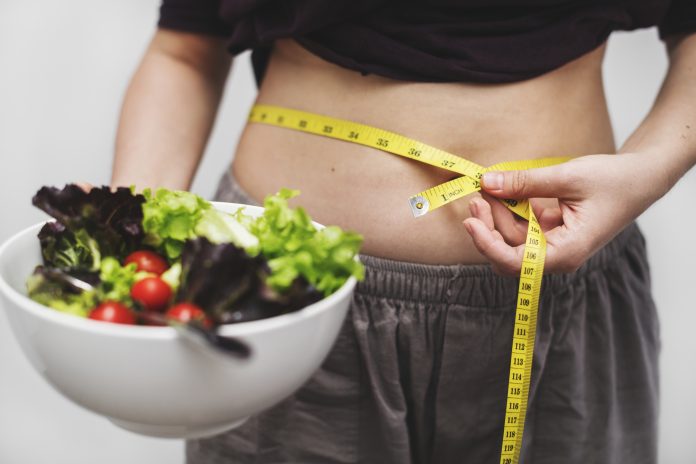
In the past few years, a way of losing weight called “intermittent fasting” has become very popular. This means you eat at certain times and don’t eat at other times. It’s like a game with our body’s energy.

Now, we want to know: How much weight loss to expect with intermittent fasting? It’s not just about what you eat but when you eat it. Many people say it works for them. So, let’s find out in simple words how this interesting way of eating helps people lose weight.

The Basics of Intermittent Fasting

The fasting operates on the premise of restricting the time window during which one consumes food.

Common methods include the 16/8 method, where individuals fast for 16 hours and eat during an 8-hour window, and the 5:2 method, which involves eating regularly for five days and significantly reducing calorie intake for the remaining two days. The goal is to induce a state of fasting, allowing the body to tap into stored fat for energy.

Choosing your intermittent fasting plan

There are several different fasting methods. Popular options include:

  • the 16:8 method
  • the 5:2 diet
  • the Warrior diet
  • Eat Stop Eat
  • alternate-day fasting (ADF)

The 16/8 method

In the 16/8 fasting plan, you eat only during an 8-hour window each day, like noon to 8 p.m. or 9 a.m. to 5 p.m., and abstain from food for the remaining 16 hours, offering flexibility based on your preferred schedule.

The 5:2 method

The 5:2 diet involves eating normally for five days and cutting calories to 500 per day for the other two days each week.

Eat Stop Eat

Eat Stop Eat is a fasting method where you don’t eat for 24 hours on one or two non-consecutive days each week, aiming to lose weight by reducing overall calorie intake while eating normally on other days.

Alternate-day fasting

Alternate-day fasting involves fasting every other day, with some variations allowing around 500 calories on fasting days, and it has shown effective weight loss benefits.

Understanding Caloric Deficit: How Much Weight Loss to Expect With Intermittent Fasting?

When we talk about losing weight, one important idea is using up more calories than we eat, and that’s called a “caloric deficit.” fasting is a way of eating where you have specific times for eating and fasting. This can help with weight loss because it shortens the time you spend eating, making it harder to eat too many calories.

When your body doesn’t get enough calories from food, it starts using stored fat for energy. This process leads to losing weight over time. So, fasting helps create a situation where your body uses its stored fat, and that’s how it supports weight loss.

Metabolic Changes During Fasting

When you do fasting, your body goes through changes that help you lose weight. One thing that happens is that your body becomes better at managing sugar in your blood because fasting makes insulin work better.

Also, fasting makes your body release a hormone called norepinephrine, which helps break down fat cells. These changes in how your body works make it easier for you to lose weight.

Preserving Lean Muscle Mass
How much weight loss to expect with intermittent fasting?

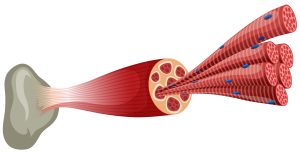
A common concern with any weight loss strategy is the potential loss of lean muscle mass. Fasting, when done correctly, has been shown to preserve muscle mass while promoting fat loss.

The body’s production of growth hormone increases during fasting, providing a protective mechanism for lean tissue. This distinguishes fasting from other restrictive diets that may lead to muscle wasting.

Hormonal Impact on Weight Loss

Hormones are like messengers in our bodies that control things like hunger and how fast we burn calories. When we do fasting (which means eating at specific times and not eating at others), it can change how these hormones work.

One hormone, called ghrelin, makes us feel hungry. When we fast, ghrelin levels go down, so we don’t feel as hungry.

Another hormone, called leptin, helps us know when we’re full. Fasting might make our bodies better at listening to leptin, so we know when to stop eating. This can help us lose weight because we’re not eating too much.

So, when we do fasting, our hormones can make us feel less hungry and help us realize when we’re full, making it easier to lose weight.

Weight loss can also come in handy in controlling blood pressure there are much scientific research on it if you are more interested, you might find more insights in our article on Can Weight Loss Lower Blood Pressure?

Realistic Expectations and Individual Variability

While fasting can be an effective tool for weight loss, it’s essential to manage expectations. Individual responses to fasting vary, and factors such as age, gender, and overall health can influence outcomes.

Some may experience rapid weight loss, while others may see more gradual changes. It’s crucial to approach fasting as a sustainable lifestyle choice rather than a quick fix.

Potential Pitfalls and Considerations

Intermittent fasting may not be suitable for everyone, and certain individuals should approach it with caution. Pregnant women, those with a history of eating disorders, or individuals with certain medical conditions should consult with healthcare professionals before embarking on a fasting journey.

Additionally, it’s crucial to prioritize nutrient-dense foods during eating windows to ensure the body receives essential vitamins and minerals.

Long-Term Sustainability and Lifestyle Integration

For intermittent fasting to be a successful weight loss strategy, it must be sustainable in the long run. Rather than viewing it as a temporary solution, individuals should explore ways to integrate fasting into their lifestyles.

This could involve finding an eating window that aligns with personal preferences and daily schedules, making it more likely to become a lasting habit.

Intermittent Fasting and Cellular Autophagy

Another noteworthy aspect of fasting is its potential impact on cellular autophagy. Autophagy is a cellular recycling process where the body breaks down and removes damaged cells, promoting cellular renewal.

Some studies suggest that fasting can enhance autophagy, contributing to improved cellular function and potential health benefits beyond weight loss.

Psychological Benefits and Mindful Eating

Beyond the physiological changes, fasting may offer psychological benefits that contribute to weight loss success. The structured eating windows create a sense of discipline and routine, helping individuals develop mindful eating habits.

Increased awareness of food intake and hunger cues can lead to healthier food choices, reinforcing a positive relationship with food and supporting long-term weight management.

Combining Intermittent Fasting with Physical Activity

While intermittent fasting alone can contribute to weight loss, combining it with regular physical activity can amplify the results. Exercise not only burns calories but also complements the metabolic adaptations induced by fasting.

Additionally, exercising in a fasted state may enhance the body’s ability to utilize stored fat for energy, further supporting weight loss goals.

Beyond Body – Your Ultimate Guide to Weight Loss

Beyond Body for Weight Loss

Beyond Body stands out by offering personalized meal and exercise plans tailored to individual preferences. The meticulously designed 28-day customized meal program turns the pursuit of healthy eating into a delightful adventure, nurturing a passion for both nutritious and tasty meals.

Beyond Body goes beyond being a mere weight management tool; it serves as a personalized guide, steering you towards a more fulfilling and healthier life path.

That said, if you’re interested in trying this app read our full Beyond Body review then click here to take a quick quiz and get started. You can even get up to 60% off by using the code below:

ribbon
Beyond Body - 67% Off Discount Code

Beyond Body - 67% Off Discount Code

Up to 67% OFF Beyond Body Checkout Code - LARGEST discount on the internet!
AUTO APPLIED AT CHECKOUT
SHOW COUPON
On Going Offer
  • It Works 100% Success It Doesn't
  • Final Words

    So, how much weight loss to expect with intermittent fasting?

    In the end, intermittent fasting can be a helpful tool for weight loss, but it’s not a magic trick. Remember, it’s not just about skipping meals; it’s about finding a balance that works for you.

    Listen to your body, stay consistent, and pair it with a healthy lifestyle. Weight loss is like a journey, and fasting can be your companion, but the destination is a happy and healthy you.


    How To Become a Bodybuilding Coach?

    How To Become a Bodybuilding Coach

    Ever wondered how to become a bodybuilding coach? Well, you’re in for a treat. Today, we’re diving into the nitty-gritty of “How To Become a Bodybuilding Coach.”

    No fancy jargon or complicated steps here, just a straightforward guide to kickstart your journey from gym buff to the go-to guru for gains. Let’s break it down and flex those coaching muscles!

    What Does A Bodybuilding Trainer Do?

    How To Become a Bodybuilding Coach

    A bodybuilding trainer plays a crucial role in guiding individuals on their muscle-building journey, especially in a landscape where information is often sourced from non-experts. Being the certified, knowledgeable foundation for a bodybuilder is essential. Here are key aspects of what a bodybuilding trainer does:

    Accountability

    A bodybuilding coach closely monitors clients’ progress, ensures adherence to personalized plans, and motivates them to push their limits for continuous fitness progress. Maintaining focus and dedication is a significant part of their role.

    Objective Training

    Unlike self-guided efforts, a bodybuilding trainer provides an objective perspective, eliminating emotional hindrances and self-criticism. This neutrality helps clients stay on track with their goals by addressing overlooked fitness aspects.

    Goal Setting

    Drawing upon education and certification, a bodybuilding trainer sets specific, measurable goals for clients. This encompasses workout routines, targeted weights, nutrition plans, nutrient timing, precise exercises, and more, ensuring a systematic approach to success.

    Efficiency

    Recognizing the value of time in the pursuit of physical fitness, clients seek a bodybuilding trainer as a quick, reliable source of information. With a wealth of education, trainers guide clients efficiently, sparing them from hours of research.

    Expertise

    Leveraging their knowledge and expertise, bodybuilding trainers provide clients with the best methods to gain strength, shed fat, and achieve success in bodybuilding. Clients rely on their trainers to distill complex information into actionable steps.

    Pushing Limits

    Through a combination of accountability and expertise, a bodybuilding trainer pushes clients beyond their usual limitations in a safe and skilled manner.

    This encouragement fosters a culture of continuous improvement and resilience. You might find more insights in our article on “What Does a Bodybuilding Coach Do?

    Become a Personal Trainer

    Becoming a certified personal trainer is an achievable goal that can be realized in as little as one month, depending on the certification program you choose. To embark on this rewarding career path, you’ll need to meet certain prerequisites common to most certification bodies:

    Age Requirement

    You must be 18 years of age or older to pursue a personal trainer certification.

    Education

    A high school diploma or equivalent is typically required to start your journey as a certified personal trainer.

    CPR or AED Certification

    Possession of a valid Emergency Cardiac Care (CPR) or Automated External Defibrillator (AED) certification is a standard requirement for most certifications, ensuring you are equipped to handle emergencies.

    Now, let’s explore a few reputable options for personal trainer certifications:

    • ISSA (International Sports Sciences Association): Check out their offerings for a comprehensive certification program that covers various aspects of sports sciences. (See Promotions)
    • NASM (National Academy of Sports Medicine): Explore the certification programs provided by NASM, known for their focus on evidence-based training methods. (See Promotions)
    • ACE (The American Council on Exercise): Consider ACE for a certification that emphasizes practical skills and a science-based approach to fitness training. (See Promotions)
    • FM (Fitness Mentors): Enjoy a 30% discount on Fitness Mentors’ certification program, providing a well-rounded education for aspiring personal trainers. (Click for 30% off)

    For more in-depth information on each certification option and additional choices, you can delve into the details provided in this comprehensive guide [insert link to the guide].

    Embarking on the journey to become a certified personal trainer opens up opportunities to help others achieve their fitness goals and lead healthier lives. Choose a certification that aligns with your interests and career aspirations, and take the first step toward making a positive impact in the world of fitness.

    Educational Prerequisites

    While a formal education isn’t a strict requirement, acquiring relevant certifications significantly enhances your credibility as a bodybuilding coach.

    Certifications from reputable organizations such as the National Academy of Sports Medicine (NASM) or the International Sports Sciences Association (ISSA) provide a structured curriculum, equipping you with the knowledge and skills essential for success in this field.

    Get a Bodybuilding Trainer Certification

    ISSA Bodybuilding Specialist

    How To Become a Bodybuilding Coach

    This certification allows you to study at your own pace, 100% online. You can even take the exam from the comfort of your own home.

    The certificate is nationally accredited and allows you to master the tools and methods that will help you shape and define your clients’ bodies. With this continued education, you’ll be a certified authority in everything bodybuilding.

    You’ll learn in-depth principles of muscles and how to apply this knowledge to program design. You’ll study muscle hypertrophy, causes of overtraining and injury, nutrition and supplementation, health risks of ergogenic aids, sports psychology strategies, and more.

    If you’re interested in trying ISSA, click here to get started right away! And for more information, you can check out our review Article on ISSA.

    Checkout Code for an additional $100 OFF:

    ribbon
    ISSA Certifications - 75% Off

    ISSA Certifications - 75% Off

    Save 75% and take ANOTHER $100 OFF. Start for ONLY $49.
    ELITE100
    SHOW COUPON
    On Going Offer
  • It Works 100% Success It Doesn't
  • Hands-On Experience

    Theory is invaluable, but practical experience is paramount. Spending time in the gym, not just as a participant but as an astute observer, is crucial.

    Shadowing experienced coaches, understanding their techniques, and learning how to tailor workouts to individual needs will sharpen your coaching instincts and broaden your ability to adapt to diverse client requirements.

    Building a Personal Brand

    In the competitive landscape of the fitness industry, establishing a personal brand is indispensable. Develop a unique coaching style that sets you apart from others.

    This could involve specializing in a particular niche, such as bodybuilding for beginners, or integrating innovative training methods. A strong personal brand not only attracts clients but also fosters trust and loyalty.

    Networking and Client Acquisition

    In the vast realm of bodybuilding coaching, networking plays a pivotal role. Attend fitness events, engage with the community, and leverage social media platforms to showcase your expertise.

    Word of mouth remains a potent tool, so ensure that your clients are not just satisfied but genuinely thrilled with their progress. Happy clients become your most influential advocates, significantly contributing to client acquisition.

    Staying Updated with Industry Trends

    The fitness industry is dynamic, with trends and techniques evolving regularly. Stay abreast of the latest developments by attending workshops, participating in webinars, and staying engaged with reputable fitness publications.

    Continuous learning not only enhances your knowledge but also ensures that your coaching methods remain contemporary and effective.

    Legal and Ethical Considerations

    As a bodybuilding coach, being aware of legal and ethical considerations is imperative. Ensure that you are operating within the legal frameworks of your region. Additionally, prioritize the safety and well-being of your clients by implementing proper consent procedures, maintaining client confidentiality, and adhering to professional boundaries.

    Effective Communication Skills

    How To Become a Bodybuilding Coach

    Being a bodybuilding coach is more than just prescribing workout routines; effective communication is the linchpin of successful coaching. Hone your ability to listen actively, provide constructive feedback, and motivate clients.

    Tailoring your communication style to individual preferences fosters a positive coach-client relationship, an aspect crucial for sustained progress.

    Financial Planning and Business Savvy

    While passion fuels your journey, financial sustainability is equally crucial. Develop a business plan that includes pricing strategies, marketing initiatives, and financial goals.

    Being business-savvy ensures that your coaching venture not only thrives but also provides you with the stability to focus on what you love – helping others achieve their fitness goals.

    Verdict – How to Become a Bodybuilding Coach

    In a nutshell, diving into the world of becoming a bodybuilding coach is like crafting your own superhero story. It’s about understanding muscles, designing workout plans, and motivating others to flex their potential.

    Just like ISSA, a trustworthy guide in this fitness adventure, helps you gain the knowledge and skills needed to sculpt not just bodies, but success stories. So, buckle up, lift those dreams, and let the journey to coaching greatness begin!

    ribbon
    ISSA Certifications - 75% Off

    ISSA Certifications - 75% Off

    Save 75% and take ANOTHER $100 OFF. Start for ONLY $49.
    ELITE100
    SHOW COUPON
    On Going Offer
  • It Works 100% Success It Doesn't
  • Does Weight Loss Help Knee Pain? Revealed!

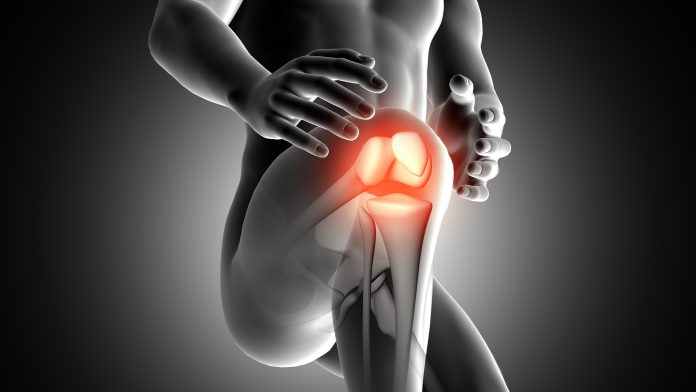
    Will Weight Loss Help Knee Pain?

    Do your knees ache, making simple tasks a challenge? The key to relief might be simpler than you think: weight loss. Scientific studies reveal a strong link between excess weight and persistent knee pain.

    Imagine your knees as bridges, with each extra pound adding stress. Inside, precious cartilage acts like a cushion, but excess weight can wear it down.

    So, does weight loss help knee pain? That we’ll find out in this guide. For instance, we’ll explore how shedding pounds can be a game-changer, lightening the load on your knees and potentially transforming your daily comfort.

    Does Weight Loss Help Knee Pain? Understanding the Link

    The Burden of Excess Weight

    Carrying additional weight places a substantial burden on the knee joints, the primary support structure for the body. This increased load can result in wear and tear on joint surfaces, a factor contributing to conditions such as osteoarthritis – a leading cause of knee pain.

    The Role of Inflammation

    Apart from just affecting your body shape, the fat in your body is active in a way that can cause inflammation, releasing substances that can lead to ongoing swelling. This constant inflammation is linked to the development and worsening of arthritis, especially in the knees. So, having too much body fat might not only be a factor in causing knee pain but can also make it worse by triggering inflammation in your joints.

    The Weight-Knee Pain Nexus

    When you carry extra weight, it can put more pressure on your knees when you walk. This increased load on your knees can lead to the development or worsening of knee pain. Understanding this connection highlights how important it is to manage your weight to reduce knee discomfort and promote overall joint health in the long run.

    Scientific Insights Into: Does Weight Loss Help Knee Pain?

    Research Findings

    A wealth of scientific studies has delved into the intricate relationship between weight loss and knee pain.

    A pivotal study published in the Journal of the American Medical Association revealed that a modest 5% reduction in body weight led to a significant decrease in knee pain and improved functional outcomes for overweight and obese individuals.

    Impact on Osteoarthritis

    Osteoarthritis, the predominant form of knee arthritis, has been a focal point in research investigating the effects of weight loss. Consistent findings suggest that losing weight can impede the progression of osteoarthritis and alleviate associated symptoms.

    Impact of Weight Loss on Knee Pain

    Scientific evidence underscores a positive correlation between weight loss and diminished knee pain. As individuals shed pounds, the strain on the knee joints is alleviated, providing relief for those grappling with pain.

    Additionally, weight loss contributes to the reduction of inflammation, a pivotal factor in conditions such as arthritis, a common culprit behind knee pain.

    Practical Strategies

    Balanced Diet

    Effective weight loss strategies hinge on a combination of a well-rounded, nutritious diet and regular physical activity. Adopting a diet rich in whole foods and low in processed sugars, coupled with engaging in joint-friendly exercises, can promote gradual and sustainable weight loss.

    Benefits of Moderate Exercise

    Embracing a tailored exercise routine not only facilitates weight loss but also fortifies the muscles surrounding the knee joint.

    This dual benefit—weight reduction and enhanced muscle support—contributes significantly to relieving stress on the knees, fostering a more robust joint environment. The amalgamation of exercise and weight loss emerges as a dynamic strategy for combating knee pain.

    Personalized Approaches

    Individual Variations

    Acknowledging the diversity in body composition, fitness levels, and underlying causes of knee pain, personalized weight loss approaches may be more effective. Consulting with healthcare professionals, including nutritionists and physical therapists, facilitates tailoring strategies to individual needs.

    Consistency is Key

    Sustainable weight loss is not an instantaneous achievement but a gradual process demanding consistency. Rapid weight loss methods may prove ineffective and even detrimental, leading to muscle loss and weakening the supportive structures around the knee. A steady and patient approach is more likely to yield enduring benefits.

    Managing Expectations

    While weight loss unquestionably contributes to alleviating knee pain, it may not be a universal panacea. Factors like genetic predisposition, existing joint damage, and other medical conditions influence the degree of improvement.

    Managing expectations and focusing on overall health prove more beneficial than fixating solely on the number on the scale.

    The Psychological Aspect

    Can Weight Loss Help Knee Pain?

    Weight loss transcends the physical realm, extending into the psychological domain. Achieving and maintaining a healthy weight often correlates with improved self-esteem and mental well-being.

    This positive shift in mindset serves as a powerful motivator, empowering individuals to adhere to lifestyle changes, including regular exercise and a balanced diet, fostering sustained knee health.

    One more question that comes to many people’s minds is whether can we lose weight through Intermittent Fasting and if we can then how much weight can be reduced from Intermittent Fasting, you might find more insights in our article “How Much Weight Loss Can Be Expected With Intermittent Fasting?

    Cautionary Considerations

    Rapid or extreme weight loss methods may lead to muscle loss and nutritional deficiencies, potentially exacerbating joint issues.

    A gradual and sustainable approach is advised, with individuals seeking guidance from healthcare professionals to navigate potential pitfalls and ensure a well-rounded approach to weight loss and knee health.

    Tips for losing weight

    Losing weight involves a combination of healthy eating, regular physical activity, and lifestyle changes. Here are some tips to help you on your weight loss journey:

    Set Realistic Goals:

    • Establish achievable and realistic short-term and long-term goals.
    • Aim for a gradual and sustainable weight loss of 1-2 pounds per week.

    Healthy Eating:

    • Focus on whole, nutrient-dense foods like fruits, vegetables, lean proteins, whole grains, and healthy fats.
    • Control portion sizes to avoid overeating.
    • Stay hydrated by drinking plenty of water throughout the day.

    Balanced Diet:

    • Include a balance of macronutrients (carbohydrates, proteins, and fats) in each meal.
    • Avoid extreme diets or cutting out entire food groups, as they are often unsustainable.

    Mindful Eating:

    • Pay attention to hunger and fullness cues.
    • Eat slowly and savor each bite, allowing your body to register fullness.

    Regular Exercise:

    • Engage in both aerobic exercises (e.g., walking, running, cycling) and strength training.
    • Aim for at least 150 minutes of moderate-intensity aerobic activity per week and strength training exercises at least twice a week.

    Create a Routine:

    • Establish a consistent eating and exercise routine.
    • Plan meals and snacks ahead of time to avoid impulsive, unhealthy choices.

    Sleep Well:

    • Ensure you get adequate and quality sleep as lack of sleep can impact weight loss efforts.

    Manage Stress:

    • Practice stress-reducing techniques such as meditation, deep breathing, or yoga.
    • Stress can contribute to emotional eating, so finding healthy ways to cope is essential.

    Keep a Food Journal:

    • Track what you eat and drink to become more aware of your habits.
    • Identify patterns and make adjustments as needed.

    Stay Consistent:

    • Weight loss takes time, and consistency is key.
    • Be patient and celebrate small victories along the way.

    Stay Accountable:

    • Share your goals with friends or family for support.
    • Consider working with a healthcare professional or a registered dietitian for personalized guidance.

    Avoid Liquid Calories:

    • Be mindful of sugary drinks and excessive calorie intake from beverages.

    Remember, it’s important to make sustainable lifestyle changes rather than opting for quick fixes. Consult with a healthcare professional before making significant changes to your diet or exercise routine, especially if you have any underlying health conditions.

    Beyond Body – The Ultimate Ally in Weight Loss

    Beyond Body for Weight Loss

    Beyond Body sets itself apart through personalized meal and fitness plans, carefully designed to align with individual preferences. The 28-day tailored meal program turns the pursuit of healthful eating into a delightful adventure, cultivating an appreciation for nourishing and tasty meals.

    Beyond Body goes beyond being just a weight management tool; it serves as a customized companion guiding you toward a more fulfilling and healthier life path.

    Weight loss can alleviate knee pain by reducing the load on the joints, and minimizing stress and inflammation. Shedding excess weight serves as a natural and effective strategy to ease knee discomfort and improve overall joint health.

    That said, if you’re interested in trying this app read our full Beyond Body review then click here to take a quick quiz and get started. You can even get up to 60% off by using the code below:

    ribbon
    Beyond Body - 67% Off Discount Code

    Beyond Body - 67% Off Discount Code

    Up to 67% OFF Beyond Body Checkout Code - LARGEST discount on the internet!
    AUTO APPLIED AT CHECKOUT
    SHOW COUPON
    On Going Offer
  • It Works 100% Success It Doesn't
  • Final Words

    So, does weight loss help knee pain?

    To sum up, losing weight helps reduce the load on your knees, making them happier campers. It’s like giving your knees a break – less weight, less stress, less pain. So, if you’re looking for a simple way to ease the ache, consider dropping some pounds. Your knees might just thank you with a dance of joy.

    Can You Stop Gum Disease from Progressing If You Catch It Early?

    Can You Stop Gum Disease from Progressing If You Catch It Early

    Understanding and Managing Gum Disease: Early Intervention for Oral Health

    Gum disease, or periodontal disease, is a common oral health concern that could cause pain, discomfort, and bad breath, as well as more severe health issues over time. Fortunately, early intervention could help you manage gum disease and stop it from progressing.

    Can Weight Loss Help Sleep Apnea? Complete Guide

    Can Weight Loss Help Sleep Apnea?

    Sleep apnea is a common sleep disorder characterized by interruptions in breathing during sleep. One of the often overlooked factors contributing to sleep apnea is excess weight.

    In recent years, researchers have delved into the intricate relationship between weight loss and the improvement of sleep apnea symptoms.

    So, can weight loss help sleep apnea? That we’ll find out in this guide. For instance, this guide will explore the various facets of this connection, shedding light on how shedding pounds can positively impact sleep apnea.

    Sleep Apnea: An Overview

    When someone has sleep apnea, it can affect their heart and body in different ways. When they stop breathing for a moment during sleep, their body doesn’t get enough oxygen.

    This makes the body react as if it’s in danger, causing the heart to beat faster and blood pressure to rise. This wakes up the person, and this cycle happens multiple times during the night.

    This up and down of oxygen levels can lead to inflammation, which may cause atherosclerosis. Atherosclerosis is when plaque builds up in the blood vessels, and it’s linked to heart attacks, strokes, and high blood pressure.

    Sleep apnea also makes the levels of carbon dioxide and glucose in the blood go up. It messes with the part of the nervous system that controls the heartbeat and blood flow, makes the body resistant to insulin, and changes how oxygen and carbon dioxide move in the body. Because of all these effects, sleep apnea is connected to:

    • High blood pressure
    • Irregular heartbeats like atrial fibrillation
    • Heart failure
    • Strokes and mini-strokes (TIAs)
    • Heart disease
    • Type 2 diabetes
    • Metabolic syndrome, which is a mix of obesity, high blood pressure, diabetes, and high cholesterol.

    Can Weight Loss Help Sleep Apnea?

    Many times, people who have extra weight, especially those who are overweight or obese, are more likely to have a sleep disorder called sleep apnea. This happens because the extra weight can create fat in the neck, which can block the airway when a person is sleeping.

    When the airway is relaxed during sleep, this fat in the neck can make it difficult for air to pass through, leading to snoring. Snoring is a common sign of sleep apnea, where air is forced through a narrowed airway, causing a loud noise.

    Having too much fat around the belly can also be a problem. It can press on the chest, making it harder for the lungs to expand. When the lungs can’t expand well, it reduces the amount of air that can flow in and out.

    There are other reasons for sleep apnea too, although they are not as common. Things like big tonsils that block the airway, certain body features like a large neck or a narrow throat, problems with hormones (like diabetes or thyroid issues), acid reflux, lung diseases, and heart problems can also contribute.

    In fact, for most adults, about 60 to 90 out of 100 people with sleep apnea are overweight or obese. So, taking care of our weight and overall health can be important for a good night’s sleep.

    Research Findings

    Can Weight Loss Help Sleep Apnea?

    Numerous studies have explored the correlation between weight loss and sleep apnea improvement. Research consistently shows that individuals who are overweight or obese are more likely to experience sleep apnea, and conversely, weight loss can lead to a reduction in the severity of symptoms.

    Even a modest weight reduction has been associated with a significant decrease in the frequency of apnea episodes during sleep.

    One more thing has been proven by researchers which is weight loss also helps in knee pain relief, you might find more insights in our article “Will Weight Loss Help Knee Pain?

    Effect of Weight Loss on Fat Distribution

    The way our bodies distribute fat can play a crucial role in sleep apnea. Weight loss, particularly in the abdominal area, can reduce the pressure on the chest and diaphragm, making it easier for individuals to breathe during sleep. Fat accumulated around the neck can be particularly problematic, as it directly contributes to airway obstruction.

    Inflammation and Sleep Apnea

    Weight loss not only addresses the mechanical aspects of sleep apnea but also influences the inflammatory processes within the body. Obesity is often linked with chronic inflammation, which can contribute to airway inflammation and compromise breathing.

    Weight loss has been shown to mitigate this inflammation, potentially leading to a decrease in sleep apnea symptoms.

    Lifestyle Changes and Sleep Quality

    Beyond the physical impact, weight loss often involves adopting healthier lifestyle habits. Regular physical activity, a balanced diet, and improved overall health contribute to better sleep quality. These lifestyle changes can indirectly alleviate sleep apnea symptoms, creating a holistic approach to managing the disorder.

    Comprehensive Approach to Weight Loss

    Addressing weight loss as a means to improve sleep apnea involves a multifaceted approach. While calorie reduction is crucial, emphasis should also be placed on the quality of the diet.

    A balanced intake of nutrients, coupled with regular exercise, can enhance the effectiveness of weight loss efforts. Additionally, incorporating stress-reducing activities can further contribute to better sleep.

    Medical Interventions and Weight Loss

    In some cases, medical interventions may be necessary to support weight loss efforts. Bariatric surgery, for instance, has been shown to not only aid in weight reduction but also improve or resolve sleep apnea in many individuals. However, it’s essential to approach such interventions with careful consideration of potential risks and benefits.

    Will Treating Sleep Apnea Help You Lose Weight?

    Research shows that people with sleep apnea, a condition where breathing stops and starts during sleep, might find it easier to lose weight if they effectively manage their sleep apnea.

    In one study, a hormone called ghrelin, which makes you feel hungry, was higher in people with sleep apnea than those without, even if they had the same body size. However, after using a treatment called CPAP for two days, the ghrelin levels in the sleep apnea group became similar to those without the condition.

    Interestingly, using CPAP for a long time, which is the most effective treatment for sleep apnea, has been linked to weight gain in some studies.

    Beyond Body – The Ultimate Partner in Weight Management

    Beyond Body for Weight Loss

    Beyond Body shines with its personalized meal and workout plans, carefully crafted to suit individual preferences. The 28-day customized meal program turns the pursuit of health into a pleasurable adventure, nurturing an appreciation for nourishing and delectable meals.

    Beyond Body isn’t just about shedding pounds; it serves as a personalized companion guiding you toward a healthier and more gratifying life path.

    Weight loss significantly improves sleep apnea by reducing fat around the neck, and enhancing airflow. A holistic focus on shedding excess weight offers a natural and effective solution for managing sleep apnea symptoms.

    That said, if you’re interested in trying this app read our full Beyond Body review then click here to take a quick quiz and get started. You can even get up to 60% off by using the code below:

    ribbon
    Beyond Body - 67% Off Discount Code

    Beyond Body - 67% Off Discount Code

    Up to 67% OFF Beyond Body Checkout Code - LARGEST discount on the internet!
    AUTO APPLIED AT CHECKOUT
    SHOW COUPON
    On Going Offer
  • It Works 100% Success It Doesn't
  • Final Words

    So, can weight loss help sleep apne? To sum up, weight loss is like a superhero for sleep apnea, helping to ease the nighttime struggles. As you bid farewell to some weight, you might find that sleep apnea takes a backseat, letting you and your dreams have an uninterrupted rendezvous. So, consider this journey to a slimmer you as a potential snooze-saver. Sweet dreams await!

    Intermittent Fasting 101

    intermittent fasting

    Intermittent fasting is what you’ve been looking for?

    Anthropologically speaking, intermittent fasting doesn’t make sense. Willingly abstaining from food for a set period of time (intermittent fasting) would have dumbfounded our ancestors. However, evolutionarily the environment we live in today is novel and necessitates such changes…

    Can Weight Loss Cause Stretch Marks?

    Can Weight Loss Cause Stretch Marks?

    Embarking on a weight loss journey is a significant achievement, but it often comes with unexpected companions – stretch marks.

    These lines on the skin, typically associated with pregnancy, also make an appearance during weight loss. So, can weight loss cause stretch marks?

    That we’ll find out in detail in this guide. We’ll dive deep into the complexities of why losing weight might leave its mark on your skin.

    Can Weight Loss Cause Stretch Marks? Understanding Stretch Marks

    Before diving into the weight loss aspect, it’s crucial to understand what stretch marks are and how they form.

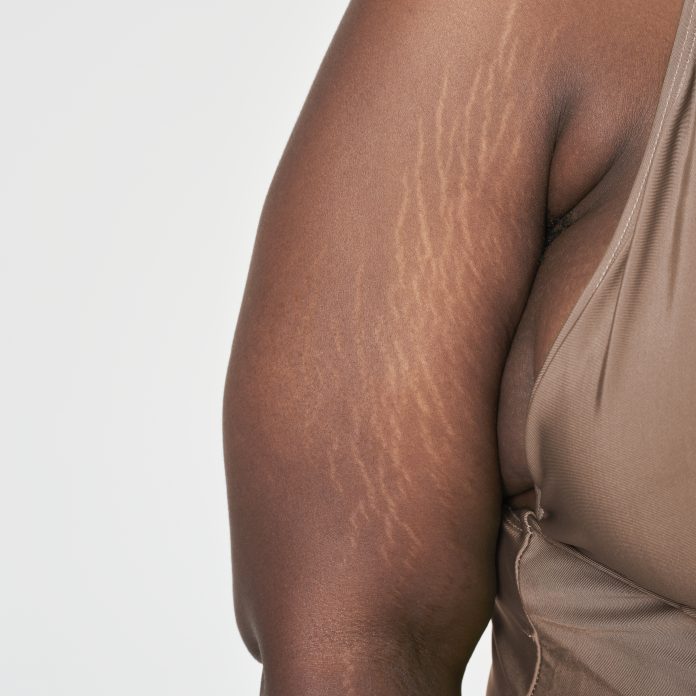
    Stretch marks, scientifically known as striae, are scars that occur when the skin is stretched beyond its normal limits, causing the collagen and elastin fibers to break. Initially, they may appear pink or purple, but over time, they tend to fade to a lighter, silvery hue.

    Signs and Symptoms

    How Stretch Marks Look Stretch marks can look like lines on your skin, and they can be purple, blue, black, pink, or red. When they’re new, they might be a bit raised and have a red or shiny color. As time goes on, they fade and become white, and they might look a bit indented.

    Older stretch marks can seem like scars. They can show up anywhere you have fat in your body, like on your thighs, hips, buttocks, and breasts. They can also appear on your shoulders, arms, back, and stomach. And guess what? Both women and men can get stretch marks!

    The Role of Collagen and Elastin:

    Collagen and elastin are the dynamic duo responsible for the skin’s elasticity. When the skin is stretched due to factors like rapid growth or weight gain, these fibers can become damaged, leading to the formation of stretch marks. Weight loss, while seemingly unrelated, can also impact these crucial components.

    Weight Loss and Its Impact on the Skin

    As the body sheds excess pounds, the skin may face challenges in keeping up with the rapid changes. Collagen and elastin, already stretched during weight gain, now have to contend with the reduction in skin volume. The skin, like a balloon losing air, may not shrink back to its original state seamlessly, contributing to the development of stretch marks.

    Genetic Predisposition

    Can Weight Loss Cause Stretch Marks?

    It’s important to note that genetics play a significant role in determining an individual’s susceptibility to stretch marks. Some people may be genetically predisposed to developing stretch marks more easily than others.

    Therefore, even with gradual weight loss, those with a genetic predisposition may still find themselves grappling with these markings.

    Types of Weight Loss and Stretch Marks

    The relationship between weight loss and stretch marks can vary based on the method and pace of weight reduction. Rapid weight loss, often associated with crash diets or extreme exercise regimens, may increase the likelihood of stretch marks. This is due to the abrupt changes in skin tension, leaving insufficient time for the skin to adapt gradually.

    On the other hand, gradual and steady weight loss allows the skin to adjust more effectively to the changing body contours. While this doesn’t guarantee complete immunity from stretch marks, it can certainly mitigate their severity.

    Weight loss can also be the solution of sleep apnea, you might find more insights in our article “Can Weight Loss Help Sleep Apnea?”

    Hydration and Its Influence

    The importance of hydration in maintaining skin health cannot be overstated. When the body loses weight, it often sheds water along with fat. Dehydrated skin is more prone to damage, and the lack of moisture can exacerbate the appearance of stretch marks. Therefore, ensuring adequate hydration during the weight loss journey is crucial for supporting skin elasticity.

    Do Stretch Marks Disappear

    Stretch marks are like scars that form in the inner layers of your skin. They usually turn white as time passes. But, depending on your skin color, you might still see them. Many people use creams and treatments to make new stretch marks less visible.

    These treatments can change the color of stretch marks from red or purple to a lighter shade. You can also stop stretch marks from forming or make them less likely to appear by using treatments early on. Keep reading to find out about some easy ways to treat them.

    Prevention and Treatment

    Nutrition

    Eating the right foods can help stop stretch marks when you lose weight. Foods with lots of Vitamin C and protein are important. You can find protein in seafood, nuts, beans, and lean meat. Vitamin C is in fruits and vegetables.

    These nutrients help make collagen, which is good for your skin. Collagen makes your skin strong and stretchy. It also helps heal stretch marks and stops your skin from tearing.

    Foods with Vitamin D, Vitamin E, and zinc are also good for your skin. They keep your skin healthy and prevent stretch marks. But don’t eat too much sugar. Too much sugar can hurt the collagen in your skin. This makes it easier for your skin to tear and get stretch marks. So, it’s best to avoid too much sugar.

    Products

    Some special creams and oils can help make stretch marks look less noticeable. Stretch mark creams usually have things like lipids and peptides. These things help your skin make more collagen and elastin, which are important for healing.

    The creams also make your skin stronger and tighter, and they can stop new stretch marks from forming. Some creams have ingredients that keep your skin hydrated and healthy.

    Stretch mark oils often have Vitamin E. This vitamin gives your skin important fatty acids that make it more elastic. This helps your stretch marks look better, and it can prevent new ones from showing up. Vitamin E also has antioxidants that protect your skin from damage by harmful molecules.

    Beyond Body – Your Ultimate Weight Loss Facilitator

    Beyond Body for Weight Loss

    Beyond Body distinguishes itself with personalized meal and workout plans, tailored to individual preferences. The 28-day custom meal program transforms healthy eating into an enjoyable experience, fostering a love for nutritious and flavorful meals.

    Beyond Body isn’t solely a weight loss tool; it’s a personalized guide leading you toward a healthier and more satisfying life journey.

    That said, if you’re interested in trying this app read our full Beyond Body review then click here to take a quick quiz and get started. You can even get up to 60% off by using the code below:

    ribbon
    Beyond Body - 67% Off Discount Code

    Beyond Body - 67% Off Discount Code

    Up to 67% OFF Beyond Body Checkout Code - LARGEST discount on the internet!
    AUTO APPLIED AT CHECKOUT
    SHOW COUPON
    On Going Offer
  • It Works 100% Success It Doesn't
  • Final Words

    So, can weight loss cause stretch marks?

    Losing pounds can sometimes lead to stretch marks due to the skin adjusting to the changes. While it’s a common concern, staying hydrated and moisturized may help.

    Embrace your journey, and remember, those marks tell a unique story of transformation. So, keep smiling and be proud of the progress you’ve made on your wellness adventure!

    Will Weight Loss Help Back Pain?

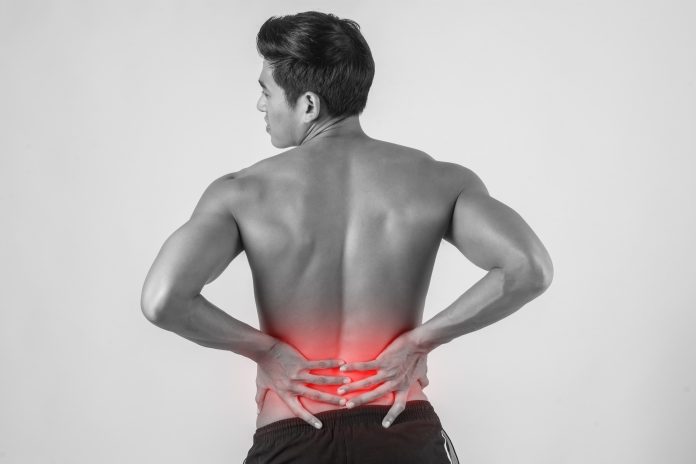
    Will Weight Loss Help Back Pain?

    Let’s talk about back pain, something that many people around the world experience. We’re going to explore a surprising factor that might be causing it.

    We’ll take a close look at what science says and how practical changes, like losing weight, could help relieve back pain. So, will weight loss help back pain? Let’s find out!

    Will Weight Loss Help Back Pain? Understanding the Connection

    When we talk about the connection between how much you weigh and back pain, it’s a bit complicated. If you carry too much weight, especially around your belly, it puts extra stress on your spine and the structures that support it.

    Think of your spine, especially the lower part called the lumbar spine, as the main support for your body. When you have too much weight, especially in the stomach area, it’s like putting too much pressure on your spine.

    This can lead to problems like herniated discs, sciatica, and just general pain in your lower back. So, being mindful of your body weight is important to help prevent these issues.

    Sometimes too much weight loss can lead to stretch marks on various parts of the body and these stretch marks are easy to get rid of, you might find more insights in our article on “Can Weight Loss Cause Stretch Marks?

    The Science Behind Back Pain

    Scientists have found that being overweight is linked to having more back pain. A study in the American Journal of Epidemiology showed that people with a higher body weight are more likely to have ongoing back pain.

    The reason is that carrying extra weight puts extra stress on muscles, ligaments, and joints, which can make existing back problems worse or cause new ones.

    Impact on Spinal Structures

    Will Weight Loss Help Back Pain?

    The spine is like a tower made up of small bones, soft discs, and sensitive nerves. It plays a big role in this story. If you carry too much weight, it can make the discs in your spine wear out faster, leading to a problem called degenerative disc disease.

    Imagine your spine as a highway, and too much weight is like heavy traffic that can squash the nerves. This can cause another issue called lumbar spinal stenosis. Understanding how extra weight affects your spine is really important for keeping your back healthy. So, it’s crucial to manage your weight to prevent and take care of back pain.

    Weight Loss Strategies

    Achieving weight loss often veers into self-destructive habits, such as meal skipping and obsessive weighing. The key to successful and sustainable weight loss lies in embracing it as a lifestyle shift, involving fundamental changes in habits and behaviors. Here are five strategies to help you lose weight in a healthy and lasting way.

    Embrace Regular Meals

    Skipping meals can lead to extreme hunger and poor food choices. Instead of depriving yourself, focus on eating every meal, incorporating plenty of vegetables, lean protein, and minimally processed whole grains.

    Opt for healthy snacks like celery with peanut butter or a mix of almonds and raisins. Regular meals are not only essential for weight loss but also crucial for maintaining steady blood sugar levels and sustaining energy throughout the day.

    Find Support

    Embarking on a weight loss journey can be challenging, and having a support system can make a significant difference. Joining groups like Weight Watchers or Jenny Craig provides not only food guidelines but also the accountability needed to stay on track.

    Alternatively, consider adopting a specific diet style, like the Mediterranean diet, which emphasizes fruits, vegetables, and healthy fats. Mediterranean diet cookbooks can be valuable resources for those starting their weight loss journey.

    Plan Ahead

    Changing habits requires planning and preparation. Take time each week to plan your meals, find healthy recipes, and gather the necessary ingredients. Planning ahead eliminates the constant uncertainty of what to eat and streamlines the decision-making process.

    Cooking in batches can also save time and energy, especially for those with chronic pain. Consider buying pre-chopped vegetables or enlisting the help of a friend or family member for meal preparation.

    Strategic Indulgence

    Allow yourself the pleasure of your favorite treats strategically. Designate a cheat day or specific meals where you can enjoy indulgent foods guilt-free. Weight loss is about long-term choices, not the occasional splurge.

    By incorporating strategic indulgences, you make healthy eating a sustainable lifestyle. It’s better to occasionally enjoy your favorite treats than to completely avoid them, preventing potential binge-eating episodes.

    Focus on Lifestyle Shifts

    Instead of subjecting yourself to restrictive diets, view weight loss as an adventure of making daily choices for a healthier, slimmer, and more vibrant you. Embrace lifestyle shifts that promote overall well-being.

    Weight loss becomes a positive journey of learning about health and making conscious decisions, fostering a sustainable and enjoyable approach to a healthier lifestyle.

    The Crucial Role of Physical Activity

    Moving your body is crucial for losing weight, and some exercises are great for easing back pain. Gentle activities like swimming, walking, and yoga are excellent because they not only help with weight loss but also strengthen the muscles in your back, giving better support to your spine.

    These exercises not only help you lose weight but also make your body more flexible and reduce the chances of getting hurt again.

    Healthy Eating for a Healthy Back

    The role of nutrition in weight management and overall health cannot be overstated. Embracing a diet rich in fruits, vegetables, lean proteins, and whole grains becomes a cornerstone for weight loss.

    Additionally, specific nutrients such as calcium and vitamin D assume significance for maintaining bone health. A balanced diet ensures the body receives the essential nutrients to fortify the spine and musculoskeletal system.

    Psychological Impact of Weight Loss:

    Beyond the physical realm, weight loss carries profound psychological implications. Chronic pain conditions, including back pain, invariably cast shadows on mental well-being.

    The transformative journey of shedding excess weight not only redefines the physical self but also augments self-esteem, reduces stress, and enhances overall mood. This symbiotic relationship between physical and mental well-being creates a positive feedback loop, propelling individuals towards sustained healthy choices.

    Consulting Healthcare Professionals:

    Before starting a journey to lose weight, especially if you have existing health issues, it’s crucial to consult with healthcare professionals. They can provide personalized advice based on your health history and specific needs, ensuring a safe and effective weight loss plan.

    Healthcare experts use their knowledge to understand each person’s situation, set realistic goals, track progress, and make any needed changes to the weight loss strategy.

    Beyond Body – The Ultimate Partner in Weight Management

    Beyond Body for Weight Loss

    Beyond Body excels with personalized meal and workout plans, making healthy living enjoyable. Its 28-day custom meal program transforms eating habits, fostering a love for nutritious and delicious meals.

    Weight loss can alleviate back pain by reducing stress on the spine and improving posture. A lighter frame contributes to spinal health, serving as a natural solution for back pain.

    That said, if you’re interested in trying this app read our full Beyond Body review then click here to take a quick quiz and get started. You can even get up to 60% off by using the code below:

    ribbon
    Beyond Body - 67% Off Discount Code

    Beyond Body - 67% Off Discount Code

    Up to 67% OFF Beyond Body Checkout Code - LARGEST discount on the internet!
    AUTO APPLIED AT CHECKOUT
    SHOW COUPON
    On Going Offer
  • It Works 100% Success It Doesn't
  • Final Words

    So, will weight loss help back pain?

    In a nutshell, shedding extra pounds might just be the ticket to relief from back pain. The less load on your spine, the happier it tends to be. While it won’t be a magical fix, slimming down can certainly be a buddy in the battle against back discomfort.

    So, if you’re carrying some extra baggage, consider bidding it farewell for a potentially lighter, more comfortable back journey.

    6 Ab Exercises To Blast Your Core

    why is core strength important

    Ab Exercises: Crush your core

    Having a strong core is vital for posture and just quality day-to-day living, and it seems everyone loves working their cores to death. While we’ve repeated that 500 crunches won’t give you those 6-pack abs (you can’t spot train fat loss), it’s always a good idea to keep the core strong and sturdy!

    How Much Weight Loss is Noticeable? Detailed Guide

    How Much Weight Loss is Noticeable?

    Embarking on a journey toward a healthier lifestyle often involves losing some weight. One common question that resonates among individuals is, “How much weight loss is noticeable?”

    The quest for a noticeable transformation is not just about vanity; it’s about gauging progress, celebrating small victories, and staying motivated on the path to better health. In this exploration, we delve into the nuances of weight loss and unveil the visible transformations that unfold as you progress on your wellness journey.

    How Much Weight Loss is Noticeable?

    The concept of noticeable weight loss varies from person to person. It’s not merely about the number on the scale but the changes that manifest externally and internally. Generally, a loss of 5 to 10 percent of body weight is considered noticeable.

    This range often corresponds to improvements in overall appearance, clothing fit, and health markers. However, it’s crucial to recognize that the impact can differ based on factors such as starting weight, body composition, and individual metabolism.

    How Much Weight Loss is Noticeable in Different Areas of the Body

    How Much Weight Loss is Noticeable?


    Facial Changes

    Shedding around 8 pounds is often visibly noticeable in the face. This is attributed to the face being one of the primary areas where fat reduction becomes evident during the initial stages of weight loss.

    Neck Transformation

    A weight loss of approximately 5 pounds is typically discernible in the neck, contributing to a more defined and sculpted appearance.

    Waistline Reshape

    Experience a noticeable transformation in your waist with a weight loss of about 10 pounds. Witness the contour of your midsection becoming more refined and sculpted.

    Hip Slimming

    Shedding around 10 pounds is likely to be visibly apparent in the hips, leading to a more streamlined and shapely silhouette.

    Thigh Slim-Down

    Achieve a noticeable change in your thighs with a weight loss of about 12 pounds. Experience the sculpting effect as your thighs become more toned and defined.

    Visible Changes in Clothing Fit

    One of the earliest signs of noticeable weight loss is the way clothes fit. As you shed pounds, your body’s dimensions change, leading to a looser fit in your attire.

    Tight waistbands become comfortably snug, and shirts that once hugged your midsection may now drape more loosely. The satisfaction of needing a belt to keep your pants from slipping is a tangible testament to your progress.

    Transformation

    Weight loss often reflects prominently in the face, making it a noticeable focal point. As you lose fat, facial features become more defined, cheekbones become more prominent, and the jawline sharpens.

    Friends and family may start to comment on the newfound radiance and vitality in your appearance, providing external validation for the efforts invested in your health.

    Enhanced Energy and Stamina

    Beyond the physical changes, noticeable weight loss is accompanied by a surge in energy levels and improved stamina. Everyday activities that once felt tiresome become more manageable, and the newfound vitality contributes to an overall sense of well-being.

    This increased energy often translates into a more active lifestyle, creating a positive feedback loop for sustained weight loss.

    Weight loss offers relief for back pain by reducing spinal strain, making it a proactive strategy for improved spine health and well-being, you might find more insights in our article on “Will Weight Loss Help Back Pain?

    Changes in Body Composition

    While the scale might not always reflect the full extent of your progress, changes in body composition are significant indicators of noticeable weight loss. As you engage in regular physical activity, you not only lose fat but also gain muscle.

    This shift in body composition contributes to a leaner and more toned physique, even if the numerical weight loss is moderate.

    Impact on Mental Well-being

    The noticeable effects of weight loss extend beyond the physical realm; they profoundly influence mental well-being. Positive changes in body image and self-esteem often accompany visible transformations, fostering a healthier relationship with oneself.

    The mental clarity and sense of accomplishment derived from achieving weight loss goals contribute to an improved overall outlook on life.

    Social Recognition and Encouragement

    Human beings are inherently social creatures, and as such, our external environment plays a crucial role in how we perceive ourselves. Noticeable weight loss doesn’t go unnoticed by friends, family, and colleagues.

    Compliments and words of encouragement become a regular part of your interactions, acting as powerful motivators to stay committed to your wellness journey.

    Plateaus and the Importance of Persistence

    While the journey toward noticeable weight loss is marked by positive changes, it’s essential to acknowledge the existence of plateaus.

    Weight loss doesn’t always occur at a steady pace, and there may be periods of stagnation. Understanding that plateaus are a normal part of the process and persisting through them is key to achieving long-term success.

    How to lose weight

    Individuals who are overweight or suffer from obesity can take steps to lower their blood cholesterol levels by achieving a moderate weight. Here are some effective strategies:

    • Embrace a well-rounded diet: Opt for a diet rich in fiber, fresh fruits, vegetables, whole grains, nuts, fish, and lean meats.
    • Restrict cholesterol-raising foods: Steer clear of processed and fried foods, excessive sugar, and saturated fats.
    • >Be mindful of portion sizes: When it comes to processed foods, reducing caloric intake can be beneficial for weight management.
    • Moderate alcohol consumption: Alcohol is calorie-dense, and studies link its intake to weight gain. Limiting alcohol can contribute to weight control.
    • Amp up physical activity: Following the American Heart Association’s recommendation of 150 minutes of moderate-intensity aerobic exercise, such as brisk walking, swimming, or cycling, can aid in weight management and overall health.

    Celebrating Small Victories

    In the pursuit of noticeable weight loss, celebrating small victories is crucial for maintaining motivation. Whether it’s fitting into an old pair of jeans, completing a challenging workout, or achieving a milestone on your fitness journey, acknowledging and celebrating these accomplishments reinforces the positive changes you’ve made.

    Beyond Body – Your Ultimate Guide to Weight Loss

    Beyond Body for Weight Loss

    Beyond Body stands out by offering personalized meal and workout plans, uniquely crafted to suit individual preferences and lifestyles. The 28-day custom meal plan turns healthy eating into an enjoyable exploration, cultivating a passion for nutritious and flavorful meals.

    With Beyond Body, it’s more than just a weight loss journey; it’s a personalized roadmap guiding you toward a healthier and more gratifying life.

    That said, if you’re interested in trying this app read our full Beyond Body review then click here to take a quick quiz and get started. You can even get up to 60% off by using the code below:

    ribbon
    Beyond Body - 67% Off Discount Code

    Beyond Body - 67% Off Discount Code

    Up to 67% OFF Beyond Body Checkout Code - LARGEST discount on the internet!
    AUTO APPLIED AT CHECKOUT
    SHOW COUPON
    On Going Offer
  • It Works 100% Success It Doesn't
  • Final Words

    So, how much weight loss is noticeable?

    Losing pounds, even a small weight loss can be quite noticeable. As you progress, your clothes may fit differently, and people around you might notice a positive change. Celebrate each step, whether big or small and remember that the real success lies in feeling healthier and happier. Keep going, and embrace the journey towards a fitter you!