Indoor vs. Outdoor Sauna: Which to Choose?

Indoor vs. Outdoor Sauna: Which to Choose

So, you’ve decided to dive into the sauna world, but now you’re standing at a crossroads – indoor vs. outdoor sauna? It’s like choosing between cozy warmth and fresh-air vibes. Indoor saunas bring you that snug feeling, like your own little retreat.

On the flip side, outdoor saunas offer a breath of nature, a steamy escape surrounded by the great outdoors. It’s a head-scratcher, right? Well, let’s unravel the mystery of “Indoor vs. Outdoor Sauna: Which to Choose” and find out which steamy sanctuary suits you best!

Understanding Indoor Saunas

Indoor vs. Outdoor Sauna: Which to Choose

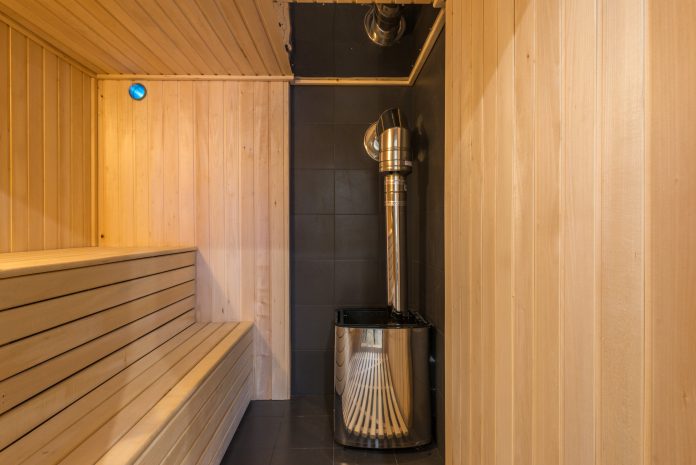
Indoor saunas are a convenient choice for those who prioritize privacy and year-round accessibility. Typically installed within the confines of your home, these saunas offer a seamless integration with your daily routine.

They can be easily incorporated into spare rooms, basements, or even walk-in closets. The enclosed nature of indoor saunas ensures that the heat is contained, creating an efficient and controlled environment for relaxation.

One key benefit of indoor saunas is the ability to use them irrespective of the external weather conditions. Whether it’s pouring rain or freezing cold outside, you can step into the warmth of your indoor sauna without any hindrance. This makes it an appealing choice for individuals living in regions with extreme weather variations.

You can get your personal sauna for your home by just clicking here and for more information, you can check out our detailed review article on saunas. For additional discount click on the coupon below.

ribbon
Sun Home Saunas

Sun Home Saunas

Checkout Code 10% Off Home Sauna Accessories
DIY10
SHOW COUPON
On Going Offer
  • It Works 100% Success It Doesn't
  • The Appeal of Outdoor Saunas

    On the other hand, outdoor saunas provide a unique connection to nature and a distinct sense of tranquility. Placed in the backyard or garden, these saunas offer an immersive experience, allowing users to unwind amidst the sights and sounds of the outdoors.

    The open setting can enhance the overall sauna experience, providing a feeling of spaciousness and freedom. Outdoor saunas are particularly favored by those who enjoy the therapeutic benefits of nature.

    The opportunity to step out of the sauna and cool down in the fresh air adds an extra dimension to the experience. Moreover, outdoor saunas often come in aesthetically pleasing designs, contributing to the overall ambiance of the outdoor space.

    Maintenance Considerations

    When deciding between an indoor and outdoor sauna, installation logistics play a crucial role. Indoor saunas usually require less effort and cost in terms of construction, as they can be seamlessly integrated into existing structures.

    The ease of access to electricity and plumbing makes indoor installations straightforward, ensuring a hassle-free setup process. Conversely, outdoor saunas may demand additional considerations such as landscaping, electrical wiring, and protection from the elements.

    Adequate insulation and weatherproofing are essential to maintain the sauna’s performance and durability. While the installation of outdoor saunas might be more complex, the payoff in terms of the picturesque setting can make it a worthwhile endeavor.

    Social Aspect

    Saunas are often considered a communal activity, providing a space for socialization and bonding. The choice between indoor and outdoor installations can influence the social aspect of sauna sessions.

    Indoor saunas, being part of the home, may offer a more intimate setting for family or close friends. The privacy and comfort of indoor spaces can create a cozy environment for shared relaxation.

    On the other hand, outdoor saunas provide an opportunity to turn the sauna experience into a social event. The open-air setting allows for a larger group to comfortably enjoy the sauna, creating a communal atmosphere.

    Health Considerations

    Both indoor and outdoor saunas offer various health benefits, including improved circulation, stress relief, and muscle relaxation. However, individual health considerations may influence the choice between the two.

    For those with respiratory issues, an indoor sauna with controlled ventilation may be a more suitable option, ensuring a comfortable and safe environment.

    Outdoor saunas, with their open setting, can be invigorating but might pose challenges for individuals sensitive to allergens or extreme temperatures. It’s essential to consider personal health needs and consult with a healthcare professional before deciding on the sauna location.

    Cost Factors

    The cost of installing a sauna, whether indoor or outdoor, is a significant factor that influences decision-making. Generally, indoor saunas tend to be more cost-effective as they leverage existing structures and utilities. The simplicity of the installation process contributes to lower overall expenses.

    In contrast, outdoor saunas may involve additional costs related to landscaping, weatherproofing, and creating a suitable foundation. The aesthetic considerations for outdoor saunas can also impact the budget. While the upfront costs may be higher, many enthusiasts argue that the unique outdoor experience justifies the investment.

    Personal Preference and Lifestyle

    Ultimately, the choice between an indoor and outdoor sauna boils down to personal preference and lifestyle. If the convenience of year-round access and privacy is a priority, an indoor sauna might be the ideal choice.

    On the other hand, if you seek a connection to nature, enjoy the social aspect of sauna sessions, and are willing to invest in a more elaborate setup, an outdoor sauna could be the perfect fit.

    Consider your daily routine, the space available, and how you envision your sauna experience. Some may find solace in the quietude of an indoor sauna, while others may crave the openness and communal vibe of an outdoor setting.

    Design and Installation

    Design

    When you’re deciding between having a sauna inside or outside your home, how it looks is really important. The design of a sauna can change how your home or backyard looks, and it can also affect how well the sauna works.

    Saunas come in different styles. Some common styles are barrel-shaped, raindrop-shaped, and cabin-shaped saunas. Barrel-shaped saunas are often used outside, while cabin-shaped saunas are usually inside. Raindrop-shaped saunas are a unique option that can make your home or backyard look modern.

    Apart from the shape, there are other design things to think about. Some saunas have acrylic bubble backs or glass doors, making them look more modern. You can also choose the type of wood, the kind of floor, and if you can customize it in any way.

    Installation

    • Setting up a sauna can be tricky, and it’s crucial to do it right for safety and comfort. There are a few things to think about during installation.
    • Ventilation is a big deal. A sauna needs good ventilation to stay safe and comfy. We want to avoid too much moisture building up. That makes the sauna more enjoyable to use.
    • Picking the right sauna kit matters. Sauna kits can be very different. Some are easier to put together, and some are better quality. We want a good-quality kit that’s easy to install. This helps the whole process go smoothly.
    • Think about what the sauna is made of. The material matters for how long the sauna lasts and how it looks. Common materials are cedar, hemlock, and pine.
    • Deciding between an indoor or outdoor sauna? Pay attention to design and installation. This way, you end up with a sauna that’s safe, works well, and looks good.

    One Question that comes to many people’s minds is DIY installation or professional installation which is better for that you can read our article “DIY vs. Professional Installation: Deciding on Home Sauna Setup”.

    Wrap-Up: Indoor vs. Outdoor Sauna: Which to Choose?

    Indoor vs. Outdoor Sauna: Which to Choose

    In the great sauna debate, whether indoor or outdoor, both have their perks. It all boils down to personal preference. Want a private, cozy experience? Go indoor. Crave the fresh breeze and nature vibes? Opt for outdoor. Whichever you choose, the warmth will embrace you. It’s like picking between a snug cabin or an open-air adventure –

    either way, you’re in for a toasty treat. So, get ready to relax, and let the sauna fun begin. You can check out our full review of Sun Home Saunas for more sauna information. Get your personal sauna by just clicking here.

    If you’re interested, make sure to save yourself some cash with the code below.

    ribbon
    Sun Home Saunas

    Sun Home Saunas

    Checkout Code 10% Off Home Sauna Accessories
    DIY10
    SHOW COUPON
    On Going Offer
  • It Works 100% Success It Doesn't
  • FAQs: Indoor vs. Outdoor Sauna: Which One to Choose?

    Which type of sauna is best for home?

    When choosing a sauna for your home, consider the infrared sauna. It’s efficient, compact, and provides a gentle heat that penetrates the body. Plus, it’s easy to install, making it a practical choice for home use.

    Is it worth getting an outdoor sauna?

    Investing in an outdoor sauna can be worthwhile, offering a unique and relaxing experience. The outdoor setting adds a natural touch, allowing you to enjoy the therapeutic benefits of sauna bathing amidst fresh air. It’s a great way to unwind and connect with nature while reaping the health benefits.

    How do I choose a good sauna?

    To select a good sauna, focus on materials and craftsmanship. Opt for solid wood like cedar or hemlock, ensuring durability and a pleasant aroma. Check the heater type—carbon or ceramic—for even heat distribution.

    Additionally, consider the size to accommodate your space and the number of users. A well-designed sauna ensures a comfortable and effective sauna session.


    Can Sauna Sessions Help with Weight Loss? Revealed!

    Bad Breath and Gut Health

    Ever thought if sweating it out in a sauna can actually help you shed those extra pounds? Well, you’re not alone! The buzz around “Can Sauna Sessions Help with Weight Loss?” is real.

    In this chat, we’ll dive into the sauna scene and explore whether the heat can be your secret weapon in the battle against the bulge. Spoiler alert: it’s not your typical workout, but the science might just surprise you. So, grab a towel and get ready to unravel the mystery behind sauna sessions and weight loss!

    Understanding Sauna Sessions

    Saunas have been a part of human culture for centuries, originating in Finland and spreading globally. These heated rooms, typically maintained at temperatures around 150-195°F (65-90°C), induce profuse sweating.

    Sauna enthusiasts swear by the rejuvenating experience and the feeling of detoxification after a session. However, the question remains – can this sweat-centric ritual truly aid in weight loss?

    You can get your personal sauna for your home by just clicking here and for more information, you can check out our detailed review article on saunas. For additional discount click on the coupon below.

    ribbon
    Sun Home Saunas

    Sun Home Saunas

    Checkout Code 10% Off Home Sauna Accessories
    DIY10
    SHOW COUPON
    On Going Offer
  • It Works 100% Success It Doesn't
  • Losing Water Weight

    When you sit in a sauna, the heat can make your skin get really warm, up to 104ºF (40ºC), and your body can become 102.2ºF (39ºC). This makes your blood flow better in your skin, and you start to sweat to cool down.

    The weight you might lose after a sauna is mostly from losing water in your body. How much water you lose can depend on how long you stay in the sauna.

    But remember, this weight loss is not permanent. Once you drink water again, your body will go back to its normal weight.

    The Sweating Mechanism

    Saunas prompt the body to sweat profusely, leading to water loss. While this water weight reduction is immediate and noticeable on the scale, it’s crucial to recognize that it’s not synonymous with fat loss.

    The primary mechanism in saunas is dehydration, which can be misleading for those associating it with effective weight management. Many people have a question in their minds, which sauna is better in-door or out-door For that you can read our article “Indoor vs. Outdoor Sauna: Which to Choose

    Caloric Expenditure in Saunas

    The heat in saunas increases heart rate and metabolic rate, mimicking the effects of moderate exercise. This uptick in metabolism does contribute to additional calorie expenditure.

    However, the calories burned in a sauna session are relatively modest compared to traditional workouts. It’s essential to view sauna sessions as a supplementary, rather than a primary, tool for weight loss.

    Temporary Weight Loss vs. Fat Loss

    Sauna-induced weight loss is temporary and reversible. As soon as the body rehydrates, the lost water weight is regained. It’s crucial to differentiate between this transient reduction and the more sustainable fat loss achieved through a balanced diet and regular exercise.

    Relying solely on sauna sessions for weight management is neither practical nor effective in the long term.

    Burning Calories

    Can Sauna Sessions Help with Weight Loss?

    Different types of saunas work in different ways. Traditional saunas heat the air around you, while infrared saunas use infrared to heat your body without warming the air around you.

    According to a 2017 article, infrared saunas can help burn 400–600 calories in just 30 minutes. It suggests that an average person can lose about 1 pound of sweat in each session.

    A 2019 study focused on inactive and overweight young males found that four 10-minute sauna sessions led to changes in things like heart rate, energy use, body mass index (BMI), and body surface area.

    The study reported that participants lost around 0.65 kilograms of body fluids. People with higher body weight, body size, body fat, and muscle mass burned more calories during sauna sessions.

    Detoxification Myth

    One common belief associated with saunas is detoxification, implying the expulsion of toxins from the body through sweat. While sweating does eliminate some waste products, the liver and kidneys are the primary organs responsible for detoxification.

    Saunas, therefore, play a minimal role in this process. Weight loss enthusiasts should be cautious not to overstate the detoxifying benefits of saunas.

    Saunas and Appetite Regulation

    Interestingly, there is some evidence suggesting that regular sauna use may impact appetite regulation. Heat exposure may influence hormones related to hunger and satiety, potentially leading to reduced appetite.

    However, more research is needed to draw definitive conclusions on the long-term effects of saunas on eating behavior and weight management.

    Safety Considerations

    Before diving into frequent sauna sessions, it’s crucial to consider individual health factors. Saunas may not be suitable for everyone, especially those with cardiovascular issues or certain medical conditions.

    Dehydration and overheating are genuine concerns, emphasizing the importance of staying hydrated during and after sauna use. Consulting with a healthcare professional before incorporating saunas into a weight loss strategy is advisable.

    Possible Risks of Using Saunas for Weight Loss

    Using a sauna can make you lose water from your body, and this can be risky because it might make you dehydrated. Dehydration means your body doesn’t have enough water.

    If you’re dehydrated, you might:

    • Feel very thirsty
    • Get dizzy or feel like your head is spinning
    • Feel tired
    • Notice that your pee is dark and smells strong
    • Pee less than usual

    If you have really bad signs like:

    • Being extremely thirsty
    • Your heart beating very fast
    • Feeling extremely tired
    • Not peeing for 8 hours
    • Getting dizzy when you stand up

    You should call your doctor.

    Saunas are very hot, and this can make your heart beat faster. If your heart or blood pressure isn’t okay, you should ask your doctor before using a sauna. It’s also important to check your heart rate and blood pressure to make sure it’s safe for your heart.

    Other Benefits of Saunas

    Getting Rid of Bad Stuff

    When you sit in a sauna, your body sweats a lot. This helps get rid of bad things like toxins and heavy metals, such as mercury, arsenic, and cadmium. These things can harm your body, but sweating them out in a sauna can help.

    But remember, exercising is even better at getting rid of heavy metals than just sitting in a hot room.

    Staying Healthy and Living Longer

    Using a sauna seems to make people healthier and live longer because it tricks the body into reacting like it does during exercise. Saunas can lower the chance of having heart problems. They do this by reducing inflammation and stress in the body. If you exercise a lot and use a sauna often, it’s even better for staying alive and healthy.

    Recovering After Exercise

    If you use an infrared sauna after exercising, it can help your muscles feel better. It reduces how sore your muscles are and makes you feel like you’ve recovered faster.

    Taking Care of Your Heart

    Sitting in a sauna makes your heart beat faster and your blood pressure go up a bit. This is like giving your heart a little workout. It’s good because it lowers the chance of getting heart disease.

    Breathing Better and Avoiding Sick Days

    Sauna time might be good for your lungs. It can also lower the risk of getting sick with respiratory problems like pneumonia.

    Dealing with Pain and Tiredness

    Using an infrared sauna can help with long-term tiredness. It might also make people with conditions like chronic fatigue or arthritis feel less pain and fatigue.

    Remember, while saunas have benefits, it’s also important to talk to a doctor before making big changes to your health routine.

    Tips for Losing Weight

    It’s a good idea to talk to your doctor about losing weight safely. Your doctor can help you figure out how to lose weight in a healthy way and what weight is right for you.

    Here are some things your doctor might suggest:

    • Eat meals regularly, including breakfast.
    • Eat plenty of fruits, veggies, and foods with fiber.
    • Drink lots of water.
    • Make sure to get regular exercise or do activities that make your body move.
    • Cut down on alcohol if needed.

    Final Words: Can Sauna Sessions Help with Weight Loss?

    Can Sauna Sessions Help with Weight Loss?

    So, after all the steamy talk about saunas and weight loss, here’s the scoop: Sauna sessions can be a nice addition to a healthy lifestyle, but they’re not the magic bullet for shedding pounds. While you might lose some water weight, it’s not a long-term fix. For the real slim-down story, keep rocking a balanced diet and regular exercise.

    So, enjoy the sauna, but don’t expect it to do all the heavy lifting for your weight loss journey. You can check out our full review of Sun Home Saunas for more sauna information. Get your personal sauna by just clicking here.

    If you’re interested, make sure to save yourself some cash with the code below.

    ribbon
    Sun Home Saunas

    Sun Home Saunas

    Checkout Code 10% Off Home Sauna Accessories
    DIY10
    SHOW COUPON
    On Going Offer
  • It Works 100% Success It Doesn't
  • FAQs: Can Sauna Sessions Help with Weight Loss?

    Is a sauna good for losing belly fat?

    Saunas can aid in losing belly fat by promoting sweating, but it’s not a standalone solution. Combine sauna sessions with a balanced diet and exercise for effective results in your fitness journey.

    How often should you use a sauna for weight loss?

    For weight loss, using a sauna 2-3 times a week is beneficial, allowing your body to adapt gradually without risking dehydration. Stay hydrated by drinking water before and after sessions, making sauna use a sustainable complement to your overall routine.

    How many calories are burned in the sauna for 10 minutes?

    In a 10-minute sauna session, a 150-pound person may burn around 30-50 calories, but the main benefits extend beyond calorie burning. Saunas enhance relaxation, improve circulation, and contribute to overall well-being, making them a supportive component of a healthy lifestyle.

    What Qualifications Do You Need to Be a Personal Trainer?

    What Qualifications Do You Need to Be a Personal Trainer

    Ever thought about diving into the world of fitness as a personal trainer? It’s not just about lifting weights or counting reps – there’s a bit more to it. The big question is, “What Qualifications Do You Need to Be a Personal Trainer?”

    Well, buckle up because we’re about to explore the skills and knowledge that can set you on the path to helping others crush their fitness goals. It’s not rocket science, but it’s not a walk in the park either. Stick around, and let’s unravel the secrets to becoming a certified fitness guru!

    Understanding the Basics

    At the genesis of this odyssey lies the rudimentary requirement of a high school diploma or its equivalent – a passport that opens the gateway to the fitness domain.

    Yet, the essence goes beyond mere academic credentials; a fervent passion for fitness coupled with an unwavering dedication to perpetual learning lays the foundation for a truly gratifying career.

    What Qualifications Do You Need to Be a Personal Trainer

    Below, we’ll dive deep into the qualifications you need to be a personal trainer:

    Age Requirement

    To become a personal trainer, the first rule is that you need to be 18 years old to take the test. If you’re still in high school, do well in your classes, especially ones about the body, health, and gym. Joining school sports is a good idea too.

    If you didn’t finish high school, try to get your GED, which is like a diploma. Some jobs might ask for it, even if you’re 18 or older.

    Educational Background

    Elevating the pursuit, a more profound educational background becomes a cornerstone. A bachelor’s degree in exercise science, kinesiology, or a cognate field emerges as the catalyst propelling a personal trainer toward a nuanced comprehension of anatomy, physiology, and the scientific underpinnings of exercise.

    Certifications

    Here we’ll explore the finest personal trainer certification programs that you can choose from:

    ISSA

    ISSA (International Sports Sciences Association) stands out as our top recommendation for personal trainer certification, emphasizing success both within and beyond the fitness arena.

    What Qualifications Do You Need to Be a Personal Trainer?

    This certification provides the flexibility of home-based study, accompanied by an open-book quiz. It remains valid for a two-year period, requiring 20 Continuing Education Credits (CECs) that can be earned through engaging online conferences and workshops.

    With a solid money-back guarantee, ISSA confidently assures job placement opportunities post-certification. Beyond imparting fitness knowledge, ISSA goes the extra mile by offering courses that focus on honing effective business skills—essential for establishing a sustainable and thriving career in the fitness industry.

    If you’re interested in trying ISSA, click here to get started right away! And for more information, you can check out our review Article on ISSA.

    Checkout Code for an additional $100 OFF:

    ribbon
    ISSA Certifications - 75% Off

    ISSA Certifications - 75% Off

    Save 75% and take ANOTHER $100 OFF. Start for ONLY $49.
    ELITE100
    SHOW COUPON
    On Going Offer
  • It Works 100% Success It Doesn't
  • NASM

    NASM’s Certified Personal Trainer (CPT) certification is widely recognized for its comprehensive curriculum and evidence-based approach. With a focus on exercise science and program design, NASM equips trainers with a solid foundation for success.

    The program’s Optimum Performance Training (OPT) model offers a systematic and effective approach to personalized fitness. Choosing NASM signifies a commitment to excellence in delivering science-backed training solutions.

    NSCA

    The Strength and Conditioning Specialist (CSCS) certification offered by the National Strength and Conditioning Association (NSCA) is highly respected in the fitness industry. Tailored for those emphasizing strength and conditioning, the program covers advanced topics in exercise science and program design.

    Achieving CSCS certification indicates a dedication to excellence in training athletes and individuals seeking advanced fitness goals. NSCA’s emphasis on both practical skills and theoretical knowledge makes it a valuable credential for professionals in the strength and conditioning field.

    ACE

    The ACE Personal Trainer Certification is a renowned program by the American Council on Exercise, providing a solid foundation in exercise science and client coaching. With a focus on evidence-based practices, ACE-certified trainers stand out for their comprehensive knowledge and practical skills.

    This credential signifies a commitment to excellence in the fitness industry, making it a valuable asset for aspiring and established personal trainers alike. Elevate your career with ACE and become a trusted fitness professional.

    For further information, you can read our article “Best Bodybuilding Coach Certifications”.

    Specialized Training Certifications

    Further amplifying one’s arsenal, specialized certifications carve a niche in the fitness tapestry. Be it yoga instruction, Pilates mastery, or sports-specific training acumen, these certifications metamorphose personal trainers into versatile professionals, broadening their appeal and diversifying their client outreach.

    Hands-On Experience

    Theory, while indispensable, finds its consummate counterpart in hands-on experience. Internships, apprenticeships, or practical training sessions supervised by seasoned mentors serve as crucibles wherein theoretical knowledge coalesces with real-world client interactions, forging a personal trainer of unparalleled efficacy.

    CPR and First Aid Certification

    Numerous personal training programs incorporate this prerequisite. However, if it is not included, ensure that you obtain certification in CPR (cardiopulmonary resuscitation) and AED (automated external defibrillator). A multitude of gyms and personal trainer employers often mandate CPR/AED certification.

    Even in the absence of an employer’s insistence on this credential, it is highly advisable. You might find yourself in a situation where your swift response can potentially save a client’s life. Additionally, contemplate obtaining a first aid certification.

    Soft Skills

    Being a good personal trainer is not just about knowing exercises and techniques. It’s also about having important people skills. These skills include being able to talk well, motivate others, understand their feelings, and adjust to different situations.

    When you work with clients, it’s not just about helping them get fit. They also want someone who supports and understands them.

    So, being good at communication, motivating people, being empathetic (which means understanding and sharing their feelings), and being able to adapt to different needs are really important. These skills help build a strong and lasting connection with clients.

    Networking and Professional Development

    What Qualifications Do You Need to Be a Personal Trainer

    In the fitness world, it’s super important to keep learning all the time. Going to workshops, conferences, and events isn’t just something you can choose to do—it’s a really important part of getting better. When you meet and talk with other people in the industry, it helps you grow in your job.

    You learn about what’s new and popular, and you can make your group of clients stronger. So, going to these things and making connections is like a secret weapon for making your career better.

    Maintaining Accreditation and Continuing Education

    Working hard to earn qualifications is important, but it’s crucial to see them as starting points, not the end. In the fitness industry, things are always changing, and to be really good, personal trainers need to keep learning. This means taking classes or courses even after getting their main qualifications.

    It’s not just a rule; it shows how committed they are to staying up-to-date with new ideas and trends in fitness. Continuing education isn’t just something they have to do; it proves they’re serious about being at the forefront of what’s happening in fitness.

    Final Words – What Qualifications Do You Need to Be a Personal Trainer?

    In the end, becoming a personal trainer requires a blend of education, like a certification from organizations such as ISSA, and practical experience. ISSA, known for its reputable certifications, can give you a solid foundation. So, go ahead, equip yourself with the right qualifications, and dive into the fitness world to help others reach their health goals.

    ribbon
    ISSA Certifications - 75% Off

    ISSA Certifications - 75% Off

    Save 75% and take ANOTHER $100 OFF. Start for ONLY $49.
    ELITE100
    SHOW COUPON
    On Going Offer
  • It Works 100% Success It Doesn't
  • How to Get Personal Training Clients? Complete Guide

    How to Get Personal Training Clients

    So, you’ve aced your personal training skills, but now you’re wondering, “How do I get those awesome clients?” Well, fret not! We’re diving into the nitty-gritty of “How to Get Personal Training Clients.”

    From building a killer online presence to networking like a pro, we’ve got the lowdown on snagging clients that’ll keep coming back for more. Stick around, because your journey to a thriving personal training gig is about to kick offer.

    How to Get Personal Training Clients

    Below we’ll dive deep into how you can get personal training clients for your business:

    Understanding Your Target Audience

    Before diving into marketing tactics, it’s essential to understand your target audience. Different demographics have distinct fitness goals, preferences, and pain points. Tailor your approach based on who you want to attract.

    Are you targeting busy professionals looking for quick and effective workouts or individuals aiming for long-term lifestyle changes? Define your niche and create a marketing strategy that speaks directly to your ideal clients.

    Build an Online Presence

    In today’s digital age, having a strong online presence is non-negotiable. Create a professional website showcasing your expertise, client testimonials, and the services you offer.

    Leverage social media platforms to share valuable content, engage with your audience, and highlight your successes. Regularly posting informative and inspiring content will not only showcase your expertise but also keep you top-of-mind for potential clients.

    How ISSA Helps You Get Clients

    ISSA, the International Sports Sciences Association, is a valuable ally for personal trainers seeking to attract clients. By obtaining an ISSA certification, trainers gain credibility and recognition in the fitness industry, establishing trust with potential clients.

    How to Get Personal Training Clients

    ISSA’s practical training approach ensures trainers are well-equipped to create personalized workout plans, increasing the likelihood of client success. The ongoing support and resources provided by ISSA also enable trainers to stay current with industry trends, positioning them as knowledgeable and dedicated professionals.

    This affiliation with ISSA not only enhances a trainer’s reputation but also makes them more appealing to clients seeking expert guidance on their fitness journeys. If you’re interested in trying ISSA, click here to get started right away! And for more information, you can check out our review Article on ISSA.

    Checkout Code for an additional $100 OFF:

    ribbon
    ISSA Certifications - 75% Off

    ISSA Certifications - 75% Off

    Save 75% and take ANOTHER $100 OFF. Start for ONLY $49.
    ELITE100
    SHOW COUPON
    On Going Offer
  • It Works 100% Success It Doesn't
  • Offer Free Workshops or Webinars

    Hosting free workshops or webinars is an excellent way to showcase your knowledge and skills. Choose topics that resonate with your target audience, such as “Effective Home Workouts for Busy Moms” or “Nutrition Tips for Weight Loss.”

    Providing valuable insights for free establishes your credibility and positions you as an expert in your field. Additionally, it creates a sense of trust, making potential clients more likely to invest in your services.

    Build Your Network

    In a job like personal training, having a positive attitude is really important, and having a good network of people you know can be even more helpful.

    When you’re trying to show off your skills and sell yourself, being able to connect with others is super valuable. It’s great to be around and involved in community meals or events so that people get to know you. That way, they’ll remember you when someone asks them for a personal trainer.

    Thinking about the business side of things, it’s smart to keep in mind the professionals who can help you by sending clients your way. These are professionals who might recommend you to others.

    Spa Owners and Massage Therapists

    Look at spas and places that give massages. These are spots where people take care of their bodies. Talk to many popular spas and massage places nearby. Tell them you want to help make their services better.

    Say you can send people looking for a personal trainer to them, and they can send people who need a massage to you. It’s like helping each other out. This way, both your personal training and their massages become better for everyone involved.

    Medical Professionals

    In addressing the health concerns of overweight patients, doctors can shift from conventional dietary advice to recommending personalized fitness solutions.

    To strengthen the doctor-patient relationship and motivate individuals with a BMI above 31, physicians can provide a complimentary $500 gift certificate for personalized training sessions. This gesture not only demonstrates a commitment to long-term well-being but also offers a tangible incentive to kickstart their fitness journey.

    By presenting it as a gift certificate for personalized training, rather than free sessions, the offer conveys a sense of exclusivity and value, positioning the doctor as a dedicated partner in their patients’ health and fitness endeavors.

    Real Estate Agents

    When individuals find themselves in a new area, navigating the unfamiliar terrain can be a daunting task. From choosing the right park for a leisurely stroll to finding a reliable plumber for unexpected repairs, and yes, you guessed it, deciding on the ideal gym to join – they often turn to a crucial source for guidance: their real estate agents.

    These professionals play a pivotal role in shaping the initial impressions of newcomers to the neighborhood, by becoming a trusted advisor, a personal trainer can tap into this influential network and secure a stream of potential clients effortlessly.

    Offering enticing gift cards is a strategic approach to not only establish goodwill but also to position oneself favorably for referrals. This eliminates the need for a hard sell, allowing the personal trainer to seamlessly integrate into the community with the assurance of recommendations from a trusted source.

    Utilize Client Testimonials

    Happy clients are your best marketing assets. Encourage satisfied clients to share their success stories and testimonials. Whether it’s a written review, a video testimonial, or before-and-after photos, these authentic experiences provide social proof of your effectiveness as a personal trainer.

    Potential clients are more likely to trust the opinions of their peers, making testimonials a potent tool for client acquisition.

    Create Specialized Packages and Promotions

    How to Get Personal Training Clients

    Stand out from the competition by offering specialized packages and promotions. Tailor your services to address specific needs, such as weight loss, muscle gain, or post-injury rehabilitation.

    Limited-time promotions, like discounted trial sessions or bundled packages, create a sense of urgency and incentivize potential clients to take action. Make sure your offers are compelling and clearly communicate the value clients will receive.

    Engage With Leads Consistently

    Consistent communication is vital for converting leads into clients. Implement an effective lead nurturing strategy that includes regular follow-ups, personalized messages, and valuable content.

    Whether through email, social media, or phone calls, staying engaged with potential clients keeps your services at the forefront of their minds. Timing is crucial, so be mindful not to overwhelm but to maintain a steady presence.

    Continuously Educate Yourself

    In the ever-evolving fitness industry, staying informed and updated is crucial. Continuously educate yourself on the latest trends, research, and techniques. Not only does this enhance your credibility as a personal trainer, but it also allows you to offer cutting-edge solutions to your clients.

    Attend workshops, pursue certifications, and invest in your professional development to stay ahead of the curve. One more question that comes to many people’s minds is what are the qualifications required to be a personal trainer for that you can check out our article “What Qualifications Do You Need to Be a Personal Trainer?

    Offer a Personalized Approach

    One-size-fits-all approaches rarely work in personal training. Tailor your services to meet the unique needs and preferences of each client. Conduct thorough assessments, listen to their goals, and design customized workout and nutrition plans.

    Personalization not only yields better results for your clients but also enhances their overall experience, leading to positive word-of-mouth referrals.

    Final Words – How to Get Personal Training Clients

    In a nutshell, building a clientele is like growing a garden—you plant seeds, nurture them, and watch them blossom. ISSA can be your gardening guide, offering valuable tools to help your personal training business bloom.

    Remember, it’s not just about workouts; it’s about cultivating connections, understanding needs, and letting your passion for fitness shine. So, grab your watering can and stay genuine, and soon, you’ll have a thriving garden of satisfied clients.

    ribbon
    ISSA Certifications - 75% Off

    ISSA Certifications - 75% Off

    Save 75% and take ANOTHER $100 OFF. Start for ONLY $49.
    ELITE100
    SHOW COUPON
    On Going Offer
  • It Works 100% Success It Doesn't
  • Sauna Temperature and Session Length: All You Need to Know

    Sauna Temperature and Session Length: What You Need to Know

    Ever wondered about the perfect combo of sauna temperature and session length for that ultimate relaxation? Well, you’re in the right place. We’re diving into the sweet spot where heat meets time – Sauna Temperature and Session Length.

    It’s like finding the perfect playlist for your chill time but for your body. So, buckle up as we unravel the secrets behind the ideal sauna experience. Ready to discover the science behind the sweat? Let’s jump in!

    The Basics of Sauna Temperature

    The cornerstone of any effective sauna session is the temperature. Saunas typically range from 150°F to 195°F (65°C to 90°C). The question arises: what is the optimal temperature for a sauna session? The answer isn’t one-size-fits-all.

    The ideal temperature varies based on personal preference, tolerance, and health considerations. Some may find lower temperatures (150°F to 165°F) more comfortable, while others may prefer the intense heat of a hotter sauna (175°F to 195°F).

    Impact of Temperature on Health

    Sauna Temperature and Session Length: What You Need to Know

    Beyond personal comfort, the temperature of the sauna directly influences its health benefits. Sweating is the body’s natural way of detoxifying, and a higher sauna temperature can stimulate a more robust sweat response.

    This, in turn, expels toxins from the body and promotes clearer skin. However, caution is advised as excessively high temperatures may lead to dehydration and discomfort. Striking the right balance is key.

    Sauna Session Length

    Equally vital is the duration of a sauna session. While some might relish extended periods in the sauna, it’s crucial to recognize that moderation is key.

    A typical sauna session lasts anywhere from 15 to 20 minutes, allowing the body to adapt to the heat gradually. Prolonged exposure, beyond what is comfortable, can lead to exhaustion and negate the positive effects of the sauna.

    Benefits of Saunas

    Quick Relief for Lower Back Pain

    Using continuous, mild heat therapy at home has been proven in scientific tests to quickly ease pain and boost muscle strength in people with lower back pain.

    Selecting the Ideal Sauna for Your Home:

    Explore the top options available for home saunas to bring the therapeutic benefits of heat into your living space, promoting relaxation and well-being. Click here for the best sauna for your home.

    Improving Blood Circulation and Muscle Relaxation

    Taking a sauna can also be good for improving blood circulation and relaxing tight muscles. The heat makes blood vessels wider and increases blood flow, which helps to bring down swelling. That’s why heat therapy is often used to treat conditions like arthritis or fibromyalgia.

    Managing Chronic Stress and Anxiety

    Heat therapy is also great for managing chronic stress and anxiety. A study discovered that using a sauna regularly was linked to a lower chance of dying from anything, including heart problems and cancer.

    Other Benefits

    • Improved sleep quality
    • Reduced stress levels
    • Cognitive and brain benefits through boosting BNDF
    • Increased relaxation
    • Alleviation of stiffness and pain
    • Detoxification through sweating
    • Improved circulation
    • Heat acclimation
    • Weight loss

    For more information related to weight loss through saunas, you can read our article “Can Sauna Sessions Help with Weight Loss?

    That said, not all users will experience each benefit and a sauna should not be used as a replacement for medical treatment.

    Understanding Individual Tolerance

    One of the most intriguing aspects of sauna usage is the wide spectrum of individual tolerance levels. Some individuals may thrive in higher temperatures for extended periods, while others may find the same conditions unbearable.

    Listening to one’s body and respecting personal limits is essential. Gradually increasing both temperature and session length allows individuals to acclimate to the sauna environment.

    Health Considerations and Sauna Usage

    Saunas are generally safe for most individuals, but certain health conditions warrant extra caution. Those with cardiovascular issues, respiratory problems, or pregnant individuals should consult with a healthcare professional before embarking on a sauna routine.

    Adjusting the sauna temperature and session length based on individual health considerations ensures a safe and enjoyable experience.

    Tailoring Sauna Sessions to Fitness Goals

    Beyond relaxation, saunas can play a role in achieving fitness goals. Athletes, in particular, may use saunas to enhance endurance and recovery.

    For those aiming to improve cardiovascular health, gradually increasing the temperature and duration of sauna sessions can be part of a holistic approach. However, it’s imperative to strike a balance and avoid pushing the body beyond its limits.

    The Role of Cooling Off

    An often overlooked aspect of sauna usage is the importance of cooling off. Taking breaks between sauna sessions allows the body to regulate its temperature and prevents overheating.

    This can be achieved through a quick cool shower, a dip in a cold plunge pool, or simply stepping outside for fresh air. Cooling off between sessions enhances the overall experience and contributes to a safer sauna routine.

    Cultural Variances in Sauna Practices

    Saunas have a rich cultural history, and practices vary across the globe. In Finland, for instance, saunas are deeply ingrained in the culture, and it’s not uncommon for people to enjoy multiple rounds of sauna sessions.

    In contrast, other cultures may adopt a more relaxed approach, with shorter sessions at lower temperatures. Exploring and appreciating these cultural nuances can add a layer of depth to one’s sauna experience.

    Tips for Using Sauna

    Local Rules

    Familiarize yourself with the specific rules and norms of the sauna facility you’re visiting. Different saunas may have varying dress codes, nudity policies, and gender-specific usage rules. Some places might even have designated events like Women’s Only Nights, so it’s crucial to understand the operational guidelines.

    Pre-Sauna Rinse

    Prior to entering the sauna, always take a thorough shower. Maintaining personal cleanliness is essential to uphold hygiene standards for yourself and fellow sauna-goers.

    Bring a Towel

    It’s advisable to bring a towel to place under your body inside the sauna. This not only helps minimize the amount of sweat transferred to sauna surfaces but also contributes to a more sanitary environment.

    Share the Space

    Saunas often have multiple levels, with the upper levels being hotter due to heat rising. Be mindful of the sauna’s occupancy and offer space to others, especially if you enter later. Respect the sauna etiquette and the preferences of those already present.

    Swift Entry and Exit

    To maintain the sauna’s heat, enter and exit swiftly. Minimize the time the sauna door is open to prevent excessive heat loss, especially in a busy sauna. This ensures a consistently hot and enjoyable experience for everyone.

    Hydrate

    The intense sweating during a 20-minute sauna session can lead to significant fluid loss and electrolyte depletion. Stay adequately hydrated by bringing a 2L bottle with added salt, electrolyte solutions, or a product like Hydralyte. Consistent hydration is crucial for a safe and comfortable sauna experience.

    Wrap-Up: Sauna Temperature and Session Length

    Sauna Temperature and Session Length: What You Need to Know

    In a nutshell, finding the right sauna temperature and session length is like creating your own cozy spa recipe. It’s all about balance. Too hot or too long might leave you feeling like a wilted plant, while too cool or too short could be like a half-baked cookie. So, experiment, listen to your body, and let the sauna be your relaxing chef.

    After all, it’s your personal spa time – make it just right. You can check out our full review of Sun Home Saunas for more sauna information. Get your personal sauna by just clicking here.

    If you’re interested, make sure to save yourself some cash with the code below.

    ribbon
    Sun Home Saunas

    Sun Home Saunas

    Checkout Code 10% Off Home Sauna Accessories
    DIY10
    SHOW COUPON
    On Going Offer
  • It Works 100% Success It Doesn't
  • FAQs: Sauna Temperature and Session Length

    How long to stay in sauna and temp?

    To enjoy a sauna, it’s recommended to stay inside for about 15 to 20 minutes. The ideal temperature is around 150 to 175 degrees Fahrenheit. It’s essential to listen to your body and leave if you feel uncomfortable.

    How long can you spend in a sauna?

    The duration you can spend in a sauna depends on personal preference and tolerance. Generally, 15 to 20 minutes is a good starting point. Make sure to stay hydrated and exit if you start feeling dizzy or too hot.

    Is 15 minutes enough time in the sauna?

    Yes, spending 15 minutes in the sauna can be sufficient for a relaxing experience. However, if you’re a beginner, you might want to start with shorter sessions and gradually increase the time as your body gets accustomed to the heat.

    How many minutes should you wait between sauna sessions?

    To allow your body to cool down and avoid potential health risks, it’s advisable to wait at least 5 to 10 minutes between sauna sessions. This ensures a safer and more enjoyable experience, promoting overall well-being.

    Best Bodybuilding Coach Certifications: Our Top Picks

    Best Bodybuilding Coach Certifications

    What are the best ways to level up your bodybuilding coaching game? Look no further! We’re diving into the world of “Best Bodybuilding Coach Certifications.” These certifications aren’t just pieces of paper; they’re your ticket to mastering the art of sculpting muscle and guiding others on their fitness journey.

    Join the league of top-notch coaches by exploring the certification options that stand out in the crowded fitness arena. Let’s unravel the secrets to becoming a certified powerhouse in the world of bodybuilding coaching!

    Understanding the Importance of Certification

    Before diving into the specifics, it’s vital to recognize why a bodybuilding coach certification is essential. Certification not only validates the coach’s knowledge but also assures clients that they are in capable hands.

    It instills confidence and contributes to the coach’s professional credibility. Moreover, certification provides a structured learning path, ensuring coaches acquire comprehensive knowledge in a systematic manner.

    Best Bodybuilding Coach Certifications

    Below we’ll explore the finest bodybuilding coach certifications that you can consider:

    ISSA – International Sports Sciences Association

    ISSA is another heavyweight in the realm of bodybuilding coach certifications. What sets ISSA apart is its holistic curriculum, covering not only the physical aspects of training but also delving into psychology and behavior change.

    Best Bodybuilding Coach Certifications

    ISSA-certified coaches are well-versed in creating sustainable, client-centric programs. The flexibility of their coursework allows coaches to adapt strategies to diverse client requirements.

    With a money-back guarantee, ISSA expresses confidence in job placement post-certification. ISSA not only imparts fitness knowledge but also offers classes on utilizing business skills effectively, essential for building a sustainable career.

    If you’re interested in trying ISSA, click here to get started right away! And for more information, you can check out our review Article on ISSA.

    Checkout Code for an additional $100 OFF:

    ribbon
    ISSA Certifications - 75% Off

    ISSA Certifications - 75% Off

    Save 75% and take ANOTHER $100 OFF. Start for ONLY $49.
    ELITE100
    SHOW COUPON
    On Going Offer
  • It Works 100% Success It Doesn't
  • NASM – National Academy of Sports Medicine

    The NASM certification stands tall among bodybuilding coach certifications. Renowned for its evidence-based approach, NASM equips coaches with a solid foundation in exercise science, nutrition, and program design.

    The emphasis on practical application makes NASM graduates adept at tailoring programs to individual client needs. The recognition NASM holds in the fitness industry adds a valuable endorsement to a coach’s profile.

    ACE – American Council on Exercise

    ACE has been a stalwart in the fitness industry for decades. Its bodybuilding coach certification is a comprehensive program that combines theoretical knowledge with practical skills.

    ACE places a strong emphasis on staying current with industry trends, ensuring that its coaches are well-equipped to navigate the ever-evolving landscape of fitness. The practical experience gained through ACE’s certification program translates into well-rounded and adaptable coaches.

    Precision Nutrition Level 1

    While not exclusively a bodybuilding certification, Precision Nutrition’s Level 1 certification is invaluable for coaches focusing on nutrition. Bodybuilding is as much about diet as it is about lifting weights, and Precision Nutrition fills this gap effectively.

    Coaches with this certification excel in creating nutrition plans that complement their training programs, leading to optimal results for their clients.

    NSCA – National Strength and Conditioning Association

    The NSCA certification is synonymous with excellence in strength and conditioning. While not exclusively tailored for bodybuilding, the foundational principles imparted by NSCA are integral to crafting effective bodybuilding programs.

    NSCA-certified coaches possess a deep understanding of biomechanics and exercise physiology, enabling them to design workouts that maximize muscle development and overall performance.

    AFAA – Athletics and Fitness Association of America

    AFAA is a well-established player in the fitness certification arena. Its bodybuilding coach certification covers a wide array of topics, from anatomy and physiology to program design and client communication.

    AFAA’s practical approach ensures that coaches not only understand the theory but can apply it effectively in real-world scenarios. The versatility gained through AFAA’s certification prepares coaches to cater to diverse client needs.

    ACSM – American College of Sports Medicine

    ACSM is a prestigious institution that offers a comprehensive certification for aspiring bodybuilding coaches. What sets ACSM apart is its emphasis on the scientific foundations of exercise and nutrition.

    Coaches with an ACSM certification are adept at analyzing scientific literature and incorporating evidence-based practices into their training methodologies. This scientific rigor enhances the precision and effectiveness of their coaching.

    How to Choose the Right Bodybuilding Coach Certification for You

    Selecting the best bodybuilding coach certification depends on various factors, including personal preferences, career goals, and the specific niche within bodybuilding one wishes to pursue.

    It’s essential to assess the curriculum, practical components, and ongoing support provided by each certification body. Additionally, considering the reputation and recognition within the fitness industry is crucial.

    Continued Evolution

    One crucial aspect to consider when evaluating bodybuilding coach certifications is their commitment to staying current with emerging trends and research. The fitness industry is dynamic, with new findings and methodologies regularly surfacing.

    Opting for a certification body that emphasizes continued education ensures that coaches remain at the forefront of industry advancements. NASM, for instance, provides ongoing resources and opportunities for its certified coaches to stay updated, fostering a culture of continuous improvement.

    Practical Application and Case Studies

    While theoretical knowledge forms the foundation, the ability to translate that knowledge into real-world scenarios is paramount for a successful bodybuilding coach. Certifications that incorporate practical application and case studies into their curriculum equip coaches with the skills to navigate diverse client situations effectively.

    ISSA incorporates practical components, compelling coaches to apply knowledge in simulated scenarios, refining problem-solving skills, and adapting strategies to meet individual client needs.

    After taking the certification one thing that comes to your mind is how to get clients now for that you can read our article “How to Get Personal Training Clients”.

    Study Materials Rating

    Best Bodybuilding Coach Certifications

    In the evaluation of study materials for bodybuilding certifications, careful consideration is given to the effectiveness and comprehensiveness of each resource. The following ratings have been assigned based on an analysis of the materials and insights derived from collective experiences:

    ISSA BBS

    Boasting a commendable rating of 9, ISSA stands out for its no-nonsense study suites. Despite offering a single package option, ISSA compensates with precision, relevance, and essential materials that are user-friendly and conducive to effective learning.

    IAFS UBB

    Similar to ISSA, IAFS earns a solid rating of 9. Their singular package impresses with a robust collection of study materials. Notably, both ISSA and IAFS excel not only in content but also by providing valuable career support resources, earning them a well-deserved 9/10 rating.

    IFBB Academy

    Despite initial expectations, IFBB Academy falls short with a rating of 7. The study materials are deemed lackluster, primarily consisting of a compilation of unit-relevant PDF files. This places them behind ISSA and IAFS in terms of overall quality and effectiveness.

    ASFA CBTC

    Bringing up the rear with a rating of 6 is ASFA. Feedback from former candidates suggests that the study packages leave much to be desired. This less-than-optimal rating reflects shortcomings in the resources provided by ASFA, based on the experiences of those who have engaged with their materials.

    Verdict – Best Bodybuilding Coach Certification

    In this guide on the best bodybuilding coach certifications, we explored the finest options on the market. That said, in the dense forest of bodybuilding coach certifications, ISSA emerges as a sturdy giant. With a comprehensive approach, it empowers coaches to chisel expertise in the art of fitness.

    ISSA is not just a certification; it’s a compass guiding both trainers and trainees through the winding paths of muscle mastery, making it a trusted companion in the journey to sculpt a strong and healthy physique.

    ribbon
    ISSA Certifications - 75% Off

    ISSA Certifications - 75% Off

    Save 75% and take ANOTHER $100 OFF. Start for ONLY $49.
    ELITE100
    SHOW COUPON
    On Going Offer
  • It Works 100% Success It Doesn't
  •  

    How to Maintain Your Home Sauna? Complete Guide

    How to maintain your home sauna

    So, you’ve got this cozy slice of relaxation right in your home – your very own sauna. Now, the key is not just basking in its warmth but also giving it the tender loving care it deserves. In this guide, we’ll spill the beans on the secrets of “How to maintain your home sauna.”

    It’s not rocket science, Let’s dive into the easy-peasy ways to keep your sauna humming happily and making every steamy session a blissful escape. No complicated rituals, just simple steps to keep your home sauna in tip-top shape. Let’s Roll in!

    Understanding Your Sauna

    Before delving into maintenance tips, it’s crucial to understand the basic components of your sauna. Typically, saunas consist of wooden benches, a heater, rocks, and proper ventilation.

    The type of wood used in your sauna, such as cedar or pine, requires specific care to maintain its durability and aesthetic appeal. Get your personal sauna for your home by just clicking here.

    ribbon
    Sun Home Saunas

    Sun Home Saunas

    Checkout Code 10% Off Home Sauna Accessories
    DIY10
    SHOW COUPON
    On Going Offer
  • It Works 100% Success It Doesn't
  • Cleaning and Ventilation

    Proper ventilation is essential for a safe and enjoyable sauna experience. Regularly clean the vents and fans to prevent the buildup of dust and debris. Additionally, wipe down the interior surfaces with a mild, non-abrasive cleaner to remove any sweat, oils, or residues.

    This simple routine not only maintains hygiene but also contributes to the longevity of your sauna.

    Temperature and Time

    How to maintain your home sauna

    Sauna temperatures typically range from 150 to 195°F (65 to 90°C), promoting relaxation and various health benefits. Ideal sauna session lengths vary, but beginners often start with 15-20 minutes, gradually increasing based on tolerance.

    Higher temperatures may offer more intense benefits, but it’s crucial to stay hydrated and listen to your body. Consult with a healthcare professional before starting sauna sessions, especially if you have underlying health concerns. For more information, you can read our article “Sauna Temperature and Session Length: What You Need to Know

    Monitoring Humidity

    Effective temperature and humidity control are vital for the comfort and efficacy of your sauna sessions. Invest in a reliable thermometer and hygrometer to monitor these factors.

    Check and calibrate your sauna’s thermostat periodically to ensure accurate temperature readings. Maintaining an optimal balance creates an environment that is both relaxing and beneficial for your well-being.

    Wear Proper Clothing

    In saunas, there are rules about what to wear, but it’s not like fancy restaurants. They like it when you go in without shoes so you don’t bring in dirt. You mainly just need a towel, but you can also wear a bathing suit, or cotton shorts and a T-shirt.

    If you choose to wear clothes, it’s good to put a towel on the bench to stay clean and avoid leaving sweat marks.

    Keep Towels and Rugs Handy

    Sweating is healthy for you, but it’s not good for your sauna. Make sure to cover the benches, headrests, and footrests with towels and rugs to prevent sweat from getting on them. If you don’t, the oils from your body can stain or change the color of the wood.

    Heater Maintenance

    The heart of your sauna is its heater, which is responsible for generating the soothing heat that defines the experience. Regularly inspect the heating elements, rocks, and controls for any signs of wear or damage.

    Clean the rocks occasionally to remove accumulated mineral deposits, which can affect the heater’s efficiency. If you notice any issues, consult your sauna’s user manual or seek professional assistance.

    Use Soft or Distilled Water Only

    Using hard water in your sauna can be a problem because it has minerals like magnesium and calcium that can build up in your sauna. You can remove the buildup by using a sanding disc or a mild household cleanser. However, it’s better to use distilled or soft water that doesn’t have these minerals and other impurities.

    Wood Care and Sealant Application

    The wooden surfaces of your sauna, often crafted from aromatic woods like cedar, contribute significantly to the overall ambiance. To maintain their natural beauty, periodically apply a wood sealant designed for saunas.

    This not only protects the wood from moisture but also enhances its resistance to heat and aging. Be sure to follow the manufacturer’s instructions for the specific type of wood in your sauna.

    Sauna Lighting and Ambiance

    Proper lighting enhances the ambiance of your sauna, contributing to a more serene atmosphere. Opt for LED lights designed for saunas, as they emit less heat and are energy-efficient.

    Clean light fixtures regularly and replace any burnt-out bulbs promptly. Consider installing dimmer switches to customize the lighting based on your mood and preference, creating a personalized and inviting space.

    Safety Checks and Electrical Maintenance

    Safety should always be a priority in any home setting, and your sauna is no exception. Conduct regular safety checks on electrical components, ensuring that all connections are secure and there are no exposed wires.

    If you notice any issues, consult a qualified electrician for repairs. Remember to turn off the power before conducting any maintenance or inspections to avoid accidents.

    Sauna Accessories

    Enhance your sauna experience with thoughtfully chosen accessories. Invest in high-quality sauna buckets and ladles for water rituals, and ensure they are cleaned after each use.

    Consider placing towels on the benches to absorb sweat and protect the wood. By incorporating these accessories into your routine, you not only elevate the experience but also contribute to the cleanliness and longevity of your sauna.

    Regular Inspections and Professional Servicing

    In addition to regular maintenance, schedule periodic inspections and professional servicing for your sauna. This ensures that any potential issues are addressed promptly and that your sauna operates at peak performance.

    Professional technicians have the expertise to handle intricate components and can provide valuable advice on maximizing the lifespan of your sauna.

    Air Out Your Sauna

    After you use the sauna, wipe everything dry. Then, keep the door and vents open for fresh air. This helps things dry faster. Check the entrance regularly for any issues. If the door doesn’t close well, you may need to sand it.

    If the door won’t stay closed, look at the latch or hinges. The vents let in fresh air and control heat and humidity. Make sure they’re working right. If the vents are wooden, sand them so they open and close easily.

    Final Words: How to Maintain Your Home Sauna

    How to maintain your home sauna

    To sum it up, learning how to maintain your home sauna isn’t hard. Just wipe down surfaces, check the heater, and keep things well-ventilated. A clean sauna is a happy sauna, ensuring endless warmth for years.

    Here’s to enjoying stress-free, cozy sauna time in the comfort of your home! You can get your sauna by just clicking here. You can check out our full review of Sun Home Saunas for more sauna information. If you’re interested, make sure to save yourself some cash with the code below.

    ribbon
    Sun Home Saunas

    Sun Home Saunas

    Checkout Code 10% Off Home Sauna Accessories
    DIY10
    SHOW COUPON
    On Going Offer
  • It Works 100% Success It Doesn't
  • FAQs: How to Maintain Your Home Sauna

    How do you take care of a sauna at home?

    To maintain a home sauna, wipe down the surfaces regularly to prevent mold and clean the heater with a soft brush. Ensure good ventilation to prevent excess moisture buildup, and replace any damaged or worn-out components promptly.

    Do saunas need maintenance?

    Saunas do require maintenance to function efficiently. Check the heating elements, ventilation, and seating regularly. Clean the sauna’s interior, and inspect the electrical components to ensure they are in good working condition.

    How often should you water a sauna?

    Watering a sauna isn’t necessary, but maintaining proper humidity levels is essential. Avoid excessive water usage inside the sauna, as it can lead to mold growth and damage the wood. Focus on ventilation to control humidity and keep the sauna dry.

    Improving Sleep Quality with Regular Sauna Sessions: Detailed Guide

    Training Through Menstrual Cycles: Women's Hormonal Impact on Workouts

    Ever thought about improving sleep quality with regular sauna sessions? Yep, you heard it right! Turns out, sweating it out in the sauna isn’t just about relaxing – it’s a snooze game-changer.

    We’re diving into the world of “Improving Sleep Quality with Regular Sauna Sessions.” So, grab your towel and get ready to discover the bedtime benefits of some steamy sessions.

    With that said, let’s roll in.

    Understanding the Sleep-Sauna Nexus

    Here we’ll dive deep into the sleep-sauna nexus to help you get a better understanding of improving sleep quality with regular sauna sessions.

    Heat and Circadian Rhythms

    The reason saunas can help you sleep better is because of how they affect your body’s internal clock and response to heat. When you sit in a sauna, the heat makes your body temperature go up. This is kind of like what happens naturally in your body during the day.

    After you leave the sauna and cool down, your body signals to your brain that it’s time to get ready for sleep. This aligns with your body’s natural rhythm for sleeping and waking up. So, in simple terms, using a sauna can make your body think it’s bedtime, helping you sleep better.

    Stress Reduction and Sleep Quality

    Saunas not only make your body feel good but also help to reduce stress. Stress can make it hard to sleep well, and saunas can help with that. When you sit in a sauna, the heat and relaxation it gives you can make you feel calm.

    This calm feeling doesn’t just stay in the sauna; it can also help you create a good environment for better sleep. So, using a sauna might be a nice way to relax and sleep better.

    Best Sauna Tips for Sleep

    • To have the best sleep after using a sauna, go in 15 minutes before bedtime. This makes your body warm and helps you relax.
    • Before going in, drink lots of water. But don’t drink water during the sauna. This can make you wake up in the night to go to the bathroom. Stop drinking water two hours before sleeping for better results.
    • Don’t drink alcohol too close to bedtime. Even though it might help you feel relaxed, it can mess up your natural sleep. Try not to drink alcohol at least two to three hours before sleeping.
    • Avoid doing too much in your bedroom before sleep. Using phones, laptops, or watching TV can make it hard for your body to sleep. Keep your bedroom calm for better sleep.

    Optimizing Sauna Sessions for Sleep Benefits

    Improving Sleep Quality with Regular Sauna Sessions

    Temperature and Duration

    To get the best sleep benefits from using a sauna, it’s important to find the right balance of temperature and time. Experts suggest keeping the sauna between 160 and 195 degrees Fahrenheit and staying inside for 15 to 20 minutes.

    If you stay too long or it gets too hot, it might make you lose too much water and not be helpful for sleep. So, it’s good to be careful and not overdo it.

    Timing Matters

    The timing of sauna sessions can significantly impact their efficacy in improving sleep. Evening sessions, about 1 to 2 hours before bedtime, align with the body’s natural cooling process post-sauna, enhancing the transition to a restful sleep.

    Scientific Evidence Supporting Sauna-Induced Sleep Improvements

    Research Findings

    Several studies have explored the relationship between sauna use and sleep quality. A notable study published in the Journal of Sleep Research found that regular sauna bathing was associated with an increased duration of slow-wave sleep, the deep sleep stage critical for physical restoration and cognitive function.

    Neurotransmitter Impact

    Using a sauna can help your body make important chemicals in the brain that affect sleep. These chemicals, called serotonin and melatonin, help control when we feel sleepy and when we wake up.

    When you sit in a sauna and feel the warmth, it helps your body relax. This relaxation encourages the production of serotonin and melatonin, creating a better setting for getting good sleep.

    Realizing the Potential: Incorporating Sauna Sessions into Daily Life

    Creating a Home Sauna Space

    For those committed to reaping the sleep-related benefits of saunas, creating a home sauna space is a practical consideration. Home saunas, available in various sizes and types, offer the convenience of incorporating sauna sessions into one’s daily routine.

    You can get your personal sauna by just clicking here. One more question that comes to mind is how to maintain a home sauna for that you can read our article “How to maintain your home sauna”.

    Mindful Sauna Practices

    Mindfulness during sauna sessions can enhance the overall experience. Incorporating deep-breathing exercises or meditation can further reduce stress and amplify the relaxation response, contributing to improved sleep quality.

    Safety Considerations and Precautions

    Hydration

    Saunas are really good for you in many ways, but they can make you lose water from your body, and that’s not so good. So, it’s super important to drink enough water before, during, and after you use a sauna.

    If you don’t, it can mess up your body’s ability to control its temperature, and that’s not good for helping you sleep better. So, always remember to drink water when you use a sauna!

    Individual Variability

    It’s important to know that everyone handles heat differently. Some people might feel uneasy or even unsafe in high temperatures, so it’s crucial to adapt sauna use based on personal comfort.

    Before starting sauna sessions, it’s a good idea to talk to a healthcare professional, especially if you have existing health issues. They can provide guidance to make sure using the sauna is safe and suitable for you.

    Complementary Practices for Enhanced Sleep Hygiene

    Hydrotherapy

    Combining sauna sessions with hydrotherapy, such as a cool shower or bath post-sauna, can amplify the sleep-inducing effects. The contrast in temperature enhances the body’s natural cooling process, reinforcing the signal for sleep.

    Establishing a Routine

    Consistency is key in any lifestyle modification. Establishing a regular sauna routine, coupled with a consistent sleep schedule, reinforces the body’s natural circadian rhythm. This synchronicity can result in more predictable and restorative sleep.

    Wrap-Up: Improving Sleep Quality with Regular Sauna Sessions

    Improving Sleep Quality with Regular Sauna Sessions

    In the quest for better sleep, the sauna emerges as a cozy ally. Regular sauna sessions promote relaxation and aid in winding down after a hectic day. The warmth soothes both body and mind, paving the way for a more restful night’s sleep.

    Embrace the gentle heat, and let your sleep become a serene journey to rejuvenation. Sweet dreams await in the comforting embrace of the sauna. To get your personal sauna click here and you can check out our full review of Sun Home Saunas for more sauna information.

    If you’re interested, make sure to save yourself some cash with the code below.

    ribbon
    Sun Home Saunas

    Sun Home Saunas

    Checkout Code 10% Off Home Sauna Accessories
    DIY10
    SHOW COUPON
    On Going Offer
  • It Works 100% Success It Doesn't
  • FAQs: Improving Sleep Quality with Regular Sauna Sessions

    Does the sauna improve sleep quality?

    Saunas can indeed enhance sleep quality. The heat from a sauna helps relax muscles and promotes the release of endorphins, contributing to a sense of calmness. This relaxation can ease the transition into restful sleep, potentially improving overall sleep quality.

    Is it good to sauna every night?

    Sauna sessions every night may not be necessary for everyone. While occasional sauna use has health benefits, daily sessions could lead to dehydration or skin issues. It’s essential to listen to your body and ensure a balance in sauna usage, considering factors like personal health and hydration levels.

    Is it good to sit in a sauna Everyday?

    Daily sauna sessions can boost circulation and promote detoxification through sweating, but moderation is crucial. Stay hydrated and consider individual health conditions. Consulting a healthcare professional helps determine the suitable frequency for sauna use.

    Do saunas improve mental health?

    Saunas induce the release of endorphins, fostering relaxation and alleviating stress for improved mental well-being. Socializing in saunas strengthens connections, enhancing overall feelings of contentment. Incorporating regular, moderate sauna sessions can complement a holistic approach to mental health.

    Can Personal Trainers Give Nutrition Advice?

    Healthy Snacking for Weight Loss

    Ever wondered if your personal trainer could dish out some nutrition wisdom too? Turns out, it’s not just about pumping iron; some trainers are like nutritional gurus in disguise. But hold up, can personal trainers give nutrition advice?

    Unravel the scoop on whether your workout buddy can also help you navigate the jungle of food choices. It’s not just about crunches anymore; we’re talking about crunching numbers and dishing out the right fuel for your fitness journey. Ready to separate the salad myths from the protein-packed truths? Let’s get started!

    Can Personal Trainers Give Nutrition Advice? The Changing Landscape of Fitness

    Traditionally, personal trainers were primarily associated with crafting workout routines, guiding clients through exercises, and monitoring progress. However, as our understanding of health has evolved, the holistic approach to fitness has gained prominence.

    Today, the emphasis is not only on burning calories but also on nourishing the body from within. This shift has prompted a reevaluation of the personal trainer’s role, with nutrition becoming an integral aspect of their expertise.

    Credentials Matter

    While the desire to offer nutritional advice is present, it’s crucial to acknowledge that not all personal trainers are equipped to do so. Proper credentials play a pivotal role in determining a trainer’s competence in providing nutritional guidance.

    Certifications from reputable organizations, specialized courses, and ongoing education in nutrition are essential elements that distinguish a qualified trainer from one who may lack the necessary expertise. Here are some trusted certification authorities:

    ISSA

    ISSA (International Sports Sciences Association) stands out as our top recommendation for personal trainer certification, emphasizing success both within and beyond the fitness arena.

    can personal trainers give nutrition advice

    This certification provides the flexibility of home-based study, accompanied by an open-book quiz. It remains valid for a two-year period, requiring 20 Continuing Education Credits (CECs) that can be earned through engaging online conferences and workshops.

    With a solid money-back guarantee, ISSA confidently assures job placement opportunities post-certification. Beyond imparting fitness knowledge, ISSA goes the extra mile by offering courses that focus on honing effective business skills—essential for establishing a sustainable and thriving career in the fitness industry.

    If you’re interested in trying ISSA, click here to get started right away! And for more information, you can check out our review Article on ISSA.

    Checkout Code for an additional $100 OFF:

    ribbon
    ISSA Certifications - 75% Off

    ISSA Certifications - 75% Off

    Save 75% and take ANOTHER $100 OFF. Start for ONLY $49.
    ELITE100
    SHOW COUPON
    On Going Offer
  • It Works 100% Success It Doesn't
  • NASM

    NASM’s Certified Personal Trainer (CPT) certification is widely recognized for its comprehensive curriculum and evidence-based approach. With a focus on exercise science and program design, NASM equips trainers with a solid foundation for success.

    The program’s Optimum Performance Training (OPT) model offers a systematic and effective approach to personalized fitness. Choosing NASM signifies a commitment to excellence in delivering science-backed training solutions.

    NSCA

    The Strength and Conditioning Specialist (CSCS) certification offered by the National Strength and Conditioning Association (NSCA) is highly respected in the fitness industry. Tailored for those emphasizing strength and conditioning, the program covers advanced topics in exercise science and program design.

    Achieving CSCS certification indicates a dedication to excellence in training athletes and individuals seeking advanced fitness goals. NSCA’s emphasis on both practical skills and theoretical knowledge makes it a valuable credential for professionals in the strength and conditioning field.

    ACE

    The ACE Personal Trainer Certification is a renowned program by the American Council on Exercise, providing a solid foundation in exercise science and client coaching. With a focus on evidence-based practices, ACE-certified trainers stand out for their comprehensive knowledge and practical skills.

    This credential signifies a commitment to excellence in the fitness industry, making it a valuable asset for aspiring and established personal trainers alike. Elevate your career with ACE and become a trusted fitness professional.

    For further information on the certification you may read our article “Best Bodybuilding Coach Certifications“.

    The Science Behind Nutrition

    Understanding nutrition involves more than memorizing food pyramids. It requires a grasp of biochemistry, metabolism, and dietary science.

    Personal trainers with a solid foundation in these areas can effectively translate complex nutritional information into practical advice for their clients. This knowledge empowers trainers to tailor recommendations based on individual goals, dietary restrictions, and health conditions.

    Individualized Approach

    One size does not fit all, especially when it comes to nutrition. Personal trainers, armed with the right knowledge, can personalize nutritional guidance according to an individual’s unique needs.

    Whether a client’s goal is weight loss, muscle gain, or overall well-being, a tailored approach to nutrition enhances the effectiveness of the fitness journey. This individualization is a key aspect of the evolving role of personal trainers in the realm of nutrition.

    Collaboration with Registered Dietitians

    While personal trainers can offer valuable general advice, it’s important to recognize the boundaries of their expertise. Complex health conditions, specialized dietary needs, or precise meal planning often require the intervention of registered dietitians.

    A collaborative approach, where personal trainers work in tandem with nutrition experts, ensures that clients receive comprehensive care that addresses both fitness and dietary aspects.

    Legal and Ethical Considerations

    Navigating the realm of nutrition advice requires personal trainers to be aware of legal and ethical considerations. In some jurisdictions, providing specific dietary recommendations may fall outside the scope of a personal trainer’s practice.

    Being well-versed in the legal landscape helps trainers avoid potential pitfalls and ensures that their guidance aligns with established guidelines.

    Continuous Learning and Adaptability

    The field of nutrition is dynamic, with ongoing research leading to new insights and discoveries. Personal trainers committed to offering relevant nutritional advice must be adaptable and open to continuous learning.

    Staying updated on the latest nutritional trends, scientific findings, and dietary recommendations allows trainers to provide current and evidence-based guidance to their clients.

    Client Education

    Empowering clients with nutritional knowledge is a fundamental aspect of a personal trainer’s role. Educating clients about the role of nutrition in achieving their fitness goals fosters a sense of accountability and encourages informed decision-making.

    When clients understand the connection between their dietary choices and overall well-being, they are more likely to make sustainable and healthy lifestyle changes.

    Final Words – Can Personal Trainers Give Nutrition Advice?

    In wrapping up, personal trainers can indeed offer valuable nutrition advice. Their insights, combined with recognized certifications like ISSA, enhance their ability to guide you toward a healthier lifestyle.

    Just as ISSA ensures trainers stay informed, your fitness journey becomes a well-rounded experience with the dual expertise in exercise and nutrition from your trusted personal trainer.

    ribbon
    ISSA Certifications - 75% Off

    ISSA Certifications - 75% Off

    Save 75% and take ANOTHER $100 OFF. Start for ONLY $49.
    ELITE100
    SHOW COUPON
    On Going Offer
  • It Works 100% Success It Doesn't
  • How Much Do Personal Trainers Make?

    How Much Do Personal Trainers Make

    Thought about the green stuff in a personal trainer’s wallet? Yep, we’re diving into the world of fitness and finance. So, “How Much Do Personal Trainers Make?” It’s not just about lifting weights; it’s about lifting that paycheck too. We’re about to spill the beans on what those fitness gurus earn.

    Get ready for some eye-opening facts that’ll make you appreciate the sweat and hustle behind those perfectly sculpted bodies. Let’s crunch those numbers and find out if the fitness industry is flexing its financial muscles.

    How Much Do Personal Trainers Make? Average Earnings

    The typical hourly pay for personal trainers is approximately $27.11. The location where they work plays a role in determining their annual income.

    Additionally, the number of years of experience and the certifications they hold influence the overall amount a personal trainer can earn. These factors collectively shape the varying salaries within the profession.

    Varieties of Fitness Coaches and Their Income Opportunities

    A primary influence on how much a personal trainer makes is whether they work as an independent contractor or for a commercial company.

    Independent Contractors

    If you work on your own as a personal trainer, you can make more money. This is because you can choose how much to charge for each hour, and you don’t have to share any of it with a gym or company.

    According to the International Sports Sciences Association (ISSA), people who work independently as personal trainers can make up to 10 times more money than those who work for a company. Independent trainers can either work directly with people as their personal trainers or get hired by gyms and organizations.

    Benefits of working as an independent contractor include:

    • Increased earning potential
    • Schedule flexibility
    • Ability to work in a more intimate environment

    Commercial Personal Trainers

    Several personal trainers embark on their professional journeys by joining commercial gyms, fitness centers, or programs. Those employed by such facilities often receive a base salary around the minimum wage, supplemented by commissions earned from conducting personal training sessions for clients.

    The commission rates for personal trainers in commercial gyms typically range from 30% to 60%. It’s important to note that a trainer’s educational background, experience, and certifications can play a pivotal role in determining the commission percentage they receive.

    Both personal and commercial trainers can give nutrition advice and if you are interested in it check out the article “Can Personal Trainers Give Nutrition Advice?”.

    Benefits of working as a commercial personal trainer include:

    • Less responsibility for insurance, paperwork, and taxes
    • More financial stability
    • More client traffic

    How to Earn More as a Personal Trainer

    The following are tactics you can implement to bring in more income as a personal trainer:

    Obtain Certifications

    There are several reputable organizations that offer personal trainer certification programs. Keep in mind that certification requirements may vary by country, and it’s essential to choose a program that is accredited and recognized in your region. Here are some well-known certification programs:

    International Sports Sciences Association (ISSA)

    ISSA (International Sports Sciences Association) stands out as our top recommendation for personal trainer certification, emphasizing success both within and beyond the fitness arena.

    How Much Do Personal Trainers Make

    This certification provides the flexibility of home-based study, accompanied by an open-book quiz. It remains valid for a two-year period, requiring 20 Continuing Education Credits (CECs) that can be earned through engaging online conferences and workshops.

    If you’re interested in trying ISSA, click here to get started right away! And for more information, you can check out our review Article on ISSA.

    Checkout Code for an additional $100 OFF:

    ribbon
    ISSA Certifications - 75% Off

    ISSA Certifications - 75% Off

    Save 75% and take ANOTHER $100 OFF. Start for ONLY $49.
    ELITE100
    SHOW COUPON
    On Going Offer
  • It Works 100% Success It Doesn't
  • American Council on Exercise (ACE)

    ACE is a widely recognized certification organization offering programs that cover a broad range of fitness topics.

    National Academy of Sports Medicine (NASM)

    NASM is known for its evidence-based approach to fitness education and is often considered one of the top certifications.

    National Strength and Conditioning Association (NSCA)

    NSCA is a respected organization, particularly for those interested in strength and conditioning training.

    American Council on Exercise (ACE)

    Elevate your fitness career with the ACE Personal Trainer Certification, showcasing a commitment to excellence in exercise science and evidence-based coaching practices.

    Use Online Marketing Methods

    In today’s digital age, the vast majority of individuals rely on the Internet to explore various products and services, including those related to personal training. Establishing a website and consistently curating top-notch social media profiles can be instrumental in attracting fresh clientele and enhancing your overall earnings.

    Establish Auto-Payment Methods

    For individuals who have enrolled in a membership with us, we offer the convenience of setting up an automated debit or electronic funds transfer arrangement. This ensures timely monthly payments, promoting a consistent cash flow, fostering membership retention, and reducing the likelihood of session cancellations.

    Offer Group Personal Training Sessions

    Not every prospective client may have the financial means to invest in individualized personal training sessions, especially if your pricing is positioned at a premium level.

    Introducing group training sessions presents an opportunity to make personal training more accessible, enabling a broader audience to benefit from your expertise. Moreover, this approach has the potential to enhance your overall earnings, as you can charge multiple participants for a single training session.

    Specializations and Niche Markets

    Personal trainers who specialize in specific niches or populations may find themselves in higher demand and, consequently, able to command higher fees. Whether it’s training athletes, seniors, or individuals with specific health conditions, carving out a niche can set a trainer apart and contribute to an increase in earnings.

    Evolving Trends in Fitness

    How Much Do Personal Trainers Make?

    The fitness industry is dynamic, with trends constantly evolving. Personal trainers who stay abreast of these trends and incorporate them into their services may find themselves attracting more clients, including those willing to pay a premium for cutting-edge fitness programs. Staying relevant in the industry can positively impact a trainer’s income.

    Final Words – How Much Do Personal Trainers Make?

    In a nutshell, personal trainers earn varied pay, influenced by experience, location, and clientele. From sweating it out in the gym to flexing financial muscles, their income ranges.

    ISSA, a reputable certification, can boost earning potential by giving trainers the knowledge and credibility to navigate the fitness landscape successfully. It’s not just about lifting weights; it’s about lifting financial gains through expertise and dedication in this dynamic field.

    ribbon
    ISSA Certifications - 75% Off

    ISSA Certifications - 75% Off

    Save 75% and take ANOTHER $100 OFF. Start for ONLY $49.
    ELITE100
    SHOW COUPON
    On Going Offer
  • It Works 100% Success It Doesn't